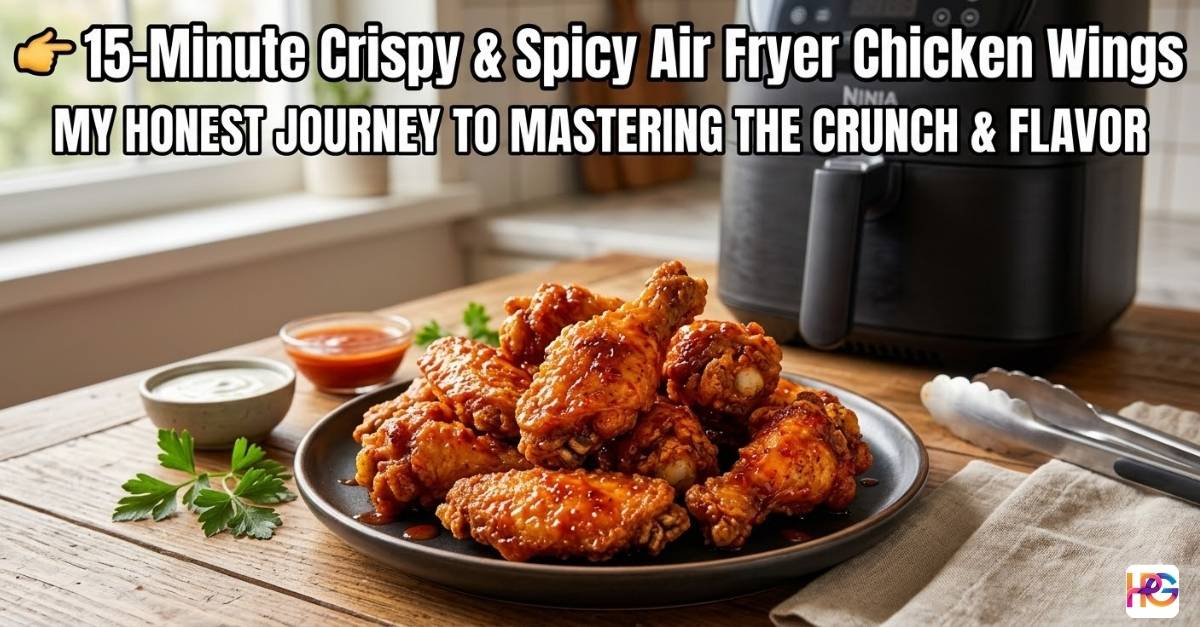
My Honest Journey to Making Crispy Air Fryer Chicken Wings
It was a rainy Tuesday afternoon here in Alabama. I was stuck inside and craving something salty. My kitchen counter held a shiny new tool. It was a standard basket-style air fryer. I bought it a week ago on a whim. The box promised deep-fried crunch with zero oil. I had my doubts. I am a skeptic when it comes to kitchen magic. But I really wanted some good chicken wings.
I opened a pack of fresh wings. They felt cold and slimy. The smell of raw poultry filled the air. I washed them quickly in the sink. My stomach grumbled loudly. I just wanted a quick snack, so the meat went straight into the basket and the dial was set to high heat.
The machine roared to life with a loud hum. I sat back and waited for my crispy treat.
Ten minutes later the timer dinged. I pulled the drawer out eagerly. A cloud of pale steam hit my face. The wings looked sad and gray. They were not crispy at all. The skin was rubbery and wet. I took a bite and sighed. The meat was cooked fine. The texture was just awful. This was my first big failure. I knew I had to fix my method.
Breaking Down My Early Mistakes
I sat at my table feeling defeated. Looking at the soggy mess on my plate was sad. It hit me that I skipped basic food science. You cannot just throw wet meat into a hot box. It needs proper prep. I started writing down what went wrong.
First I did not dry the skin. Water is the enemy of crunch. The fan just boiled the water on the surface. That caused the meat to steam instead of fry. Next I piled them all on top of each other. The hot air could not reach the bottom layers. They sat in their own juices. Finally I used the wrong heat setting. Going too hot too fast was a mistake.
I decided to treat this like a real project. Taking a trip to the local market here in Alabama was my first step. I bought three more pounds of wings. Testing different methods sounded fun. I wanted to see what actually worked. No more guessing in the dark.
Learning the Tool Better
I looked closely at my air fryer basket. It has slots on the bottom. These let the fat drip away. But the air needs room to flow back up. Learning that space is very important helped a lot. You must leave gaps between each piece of food. This allows the heat to wrap around the edges.
I also noticed the heating coil is right on top. The top gets much hotter than the bottom. This means you have to flip your food. You cannot just set the timer and walk away. That is a total myth. Being involved in the cooking process is required.
Testing Different Crisp Coatings
I wanted that loud crunch when you take a bite. Reading online about different powders gave me ideas. Some people use flour. Others swear by cornstarch. A few bold blogs said to use baking powder. Testing all three on different batches was my plan.
I set up three bowls on my counter. Mixing salt and garlic powder into each one took seconds. Then I coated a few wings in each powder. Making sure to pat the skin dry first this time was key. I used paper towels until the meat felt tacky. This was a huge step up from my first try.
Here are the results from my coating test.
Table 1: My Chicken Wing Coating Test Results
| Coating Used | Texture Result | Flavor Notes |
| Plain Flour | Gummy and heavy | Tasted a bit raw |
| Cornstarch | Very hard crunch | Left a chalky feel |
| Baking Powder | Light and crispy | Tasted perfectly savory |
The baking powder won by a mile. It did something special to the skin. Learning later that it changes the acid level made sense. This helps the skin brown faster. Just make sure you get the aluminum-free kind. The cheap stuff leaves a weird metal taste on your tongue.
Dialing in the Perfect Temperature
Now I had the right coating. Next up was fixing my heat settings. My machine goes up to 400 degrees. I used to blast it all the way up. That burned the tips of the wings. The insides were still slightly pink. Eating that is gross and unsafe.
I started playing with lower heat. Finding that starting low helps render the fat was amazing. The skin gets thin and papery. Then you crank the heat up at the end. This blisters the outside beautifully. It takes a little more time. The result is definitely worth the wait.
My Time and Heat Log
I kept a notepad next to the fridge. Tracking my cooks for a week was helpful. I noted the times and the textures. Ruining a few more batches still happened. Some were too dry. Some were still a bit chewy.
Here is what my testing showed me.
Table 2: Temperature Testing Log
| Temp Setting | Time | End Result |
| 400 for 15 mins | 15 mins total | Burned outside, raw inside |
| 350 for 25 mins | 25 mins total | Cooked well, but zero crunch |
| 360 then 400 | 24 mins total | Juicy inside, perfect crunch |
This two-step method changed everything. Cooking them at 360 degrees for eighteen minutes is the first phase. Then I bump it to 400 for six more minutes. It works every single time. The meat falls off the bone. The skin shatters like glass when you bite it.
The Magic of the Midpoint Flip
You cannot skip flipping the meat. Learning this the hard way was frustrating. I used to just shake the basket. That does not work well for big pieces of chicken. They just slide around flat. You really have to use tongs.
I set an alarm on my phone. When it rings I pull the basket out. The smell of roasting garlic hits me right away. The fat sizzles loudly. Turning each wing over one by one takes focus. The bottom side is always pale. Putting it face up lets it get brown.
This step takes about thirty seconds. Do not leave the drawer open too long. The machine loses heat quickly. Just flip them and shove it back in. You will hear the fan kick back on immediately.
Fixing My Sauce Mistakes
My early wings were naked. Adding some heat sounded like a good idea. I grabbed a bottle of hot sauce from the pantry. Pouring it all over the raw chicken before cooking seemed smart. This was another huge error.
The vinegar in the sauce burned in the hot air. It created a choking smoke. My eyes watered badly. Opening all the windows in my house was mandatory. The sugar in the sauce turned black and bitter. It stuck to the bottom of the basket like glue. Scrubbing it off took twenty minutes.
I realized sauces belong at the very end. The high heat ruins delicate flavors. Now I wait until the wings are fully cooked. Taking them out while they are still piping hot is crucial. Then I toss them in a large metal bowl with the sauce.
Getting the Sauce Texture Right
Cold sauce ruins hot chicken. It drops the temperature of the meat instantly. It also makes that hard-earned crispy skin soft again. Nobody likes soggy food.
Now I warm my sauce in a small pan first. Melting a little butter into it helps. The butter thickens the liquid nicely. It helps the flavor cling to the meat. Pouring the warm mix over the hot wings is the best part. I give the bowl a good shake. You can hear the satisfying slosh of the sauce.
I eat them right away. Letting them sit is a bad idea. They lose their magic after about ten minutes. Enjoying the crunch while it is fresh is the only way.
Cleaning Up the Mess
Cooking is fun but cleaning usually stinks. My early mistakes left my basket covered in black char. Scrubbing it with a harsh brush ruined the non-stick coating. That made my next batch stick even worse. Learning how to clean the parts safely was a big lesson.
Now I fill the dirty basket with warm soapy water immediately. Letting it soak for ten minutes breaks down the grease. Then I use a soft sponge to wipe it clean. Everything slides right off with zero effort. Treating the machine well means it cooks better next time.
My Final Thoughts on This Kitchen Tool
I used to think air fryers were a gimmick. Thinking they were just small ovens made me stubborn. In a way they kind of are. But the fast moving air is a total game changer. It does things a normal oven cannot do. Stripping away moisture so fast is its superpower.
It took me a few weeks of trial and error. Eating some really bad meals was part of the process. I scrubbed baked-on grease more times than I care to admit. But mastering this tool feels genuinely good. Ordering delivery does not happen anymore. My homemade version is much better. It is way cheaper too.
If you are struggling with your machine do not give up. Change one thing at a time. Dry your food much better. Leave more open space in the basket. Play around with your heat settings. You will eventually find the sweet spot. It just takes a little patience and lots of paper towels.
FAQs
### Does the air fryer basket size matter for crispy wings?
Yes, basket size is key for airflow. A Ninja or Cosori with a large 5.8-quart tray lets air hit every side. If you crowd this tool, the meat just steams and loses its crunch.
### Can I use metal tools inside the air fryer basket?
Do not use metal tools on the basket. Use soft tongs to protect the tray finish. This keeps your gear in top shape and stops food from sticking to the bottom later on.
### Does the air fryer pull a lot of power during use?
These tools use about 1500 watts of power. Avoid plugging them into thin extension cords or shared outlets. A dedicated circuit prevents tripped breakers during long cook times.
### How do I maintain the heating element for best results?
Grease buildup on the coil can cause smoke and fire risks. Unplug the machine and wipe the cool element with a damp cloth. Regular care keeps the heat even and the motor strong.
### Is it safe to run my air fryer in a hot garage?
Most kitchen tools need good air flow to stay cool. Hot rooms can stress the motor and internal parts. Keep your unit on a flat, open counter to ensure it lasts for many years.