
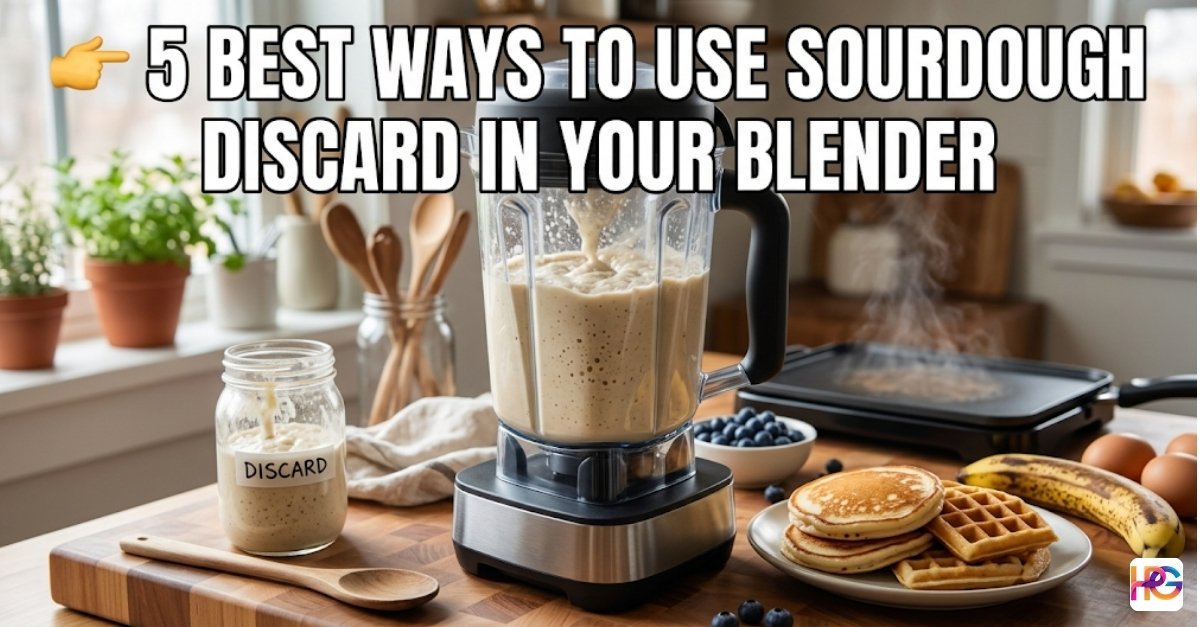
My Honest Guide to Using Sourdough Discard in a Blender
It was a rainy Tuesday morning in Seattle, with gray skies hanging low. In my kitchen, a jar of old flour and water sat on the counter. That sour smell was hard to miss—the unmistakable scent of an unfed sourdough starter. About two cups of discard were sitting there, and the guilt felt real. Throwing it away never felt right, yet mixing it into pancakes by hand was just as frustrating. The thick texture acts like wet cement, clinging to bowls, ruining soft sponges, and leaving a messy counter behind.
Then a simple idea came to mind. My old Ninja blender was sitting on the shelf, and it suddenly seemed like the perfect solution. Why not use it? The sticky starter went into the pitcher, followed by eggs and milk. With one press of the pulse button, the loud noise filled the kitchen—but the result was worth it. In just ten seconds, the batter turned completely smooth, with no lumps and no tired arms.
Since that day, hand mixing has been out of the routine. Using a blender for sourdough discard has become a favorite kitchen hack. The process is simple, but it took a few failures to get it right. In this guide, I’ll share exactly what worked, what went wrong, and the basic tools that made all the difference. No fancy chef skills are needed—just a blender, a power outlet, and a few hungry friends.
Why I Stopped Mixing Sourdough by Hand
Mixing thick discard with fresh flour is a chore. The cold water does not blend easily. You stir and stir with a wooden spoon. Your arm starts to ache. Then you still find dry pockets of flour in your waffle batter. I used to spend ten minutes just trying to get a smooth pancake mix. My kitchen counter always ended up covered in white dust. I would drop the whisk. Batter would splatter on the floor.
I tracked my time once. Making waffles the old way took me twenty minutes of prep. The sink filled up with dirty bowls. I had measuring cups everywhere. It was a disaster. I realized I was avoiding baking just to avoid the cleanup. That is a sad way to live. Sourdough should be fun.
When I switched to the blender method everything changed. The fast blades cut through the thick gluten network. They whip air into the heavy dough. The high speed forces the wet and dry parts to combine. The whole process takes less than a minute. You get a perfect pourable liquid every single time. It feels like cheating.
Here is a quick look at how the two methods compare in my kitchen.
| Kitchen Task | Hand Mixing | Blender Method |
| Prep Time | 20 minutes | 3 minutes |
| Dirty Dishes | 3 bowls plus whisks | 1 blender pitcher |
| Batter Texture | Lumpy and thick | Smooth and airy |
| Effort Level | High arm fatigue | Pushing one button |
The Best Blender Sourdough Discard Recipes I Actually Use
I test a lot of recipes at home. Some are complete disasters. I once made a blender bread that tasted like a rubber tire. I left the machine running too long. The heat from the motor cooked the eggs. It was gross. But I learned from those mistakes. Now I stick to a few reliable favorites. These recipes are fast. They taste great. They use up a lot of extra starter.
Fluffy Pancakes in 60 Seconds
This is my weekend go-to meal. The blender whips plenty of air into the pancake mix, helping the pancakes rise high on the griddle. Starting with one cup of discard, I mix in two eggs and a splash of whole milk. Then I toss in a spoonful of sugar and some baking soda, along with a pinch of salt. Everything blends on low speed for just fifteen seconds.
Do not overmix this batter. If you run it too long the pancakes get tough. You want just enough blending to hide the dry baking soda. I pour the batter right from the pitcher onto a hot pan. The edges get crispy. The middle stays soft. My kids eat them faster than I can cook them.
Savory Crackers Without the Arm Workout
Sourdough crackers are delicious, but rolling cold butter into stiff dough can feel like a chore. Thankfully, a food processor or blender makes the job much easier. After adding the discard to the pitcher, I drop in cold cubes of butter and toss in fresh herbs like rosemary from my garden. A little extra wheat flour goes in as well. With five or six quick pulses, the blades chop the butter into tiny pieces.
Soon, the dough forms into a rough ball. I take it out, roll it flat on wax paper, and cut it into small squares. Once baked, they turn perfectly brown and crisp. Because the butter stays cold during the quick mixing, the crackers come out light and flaky every time. It is a simple trick that never fails.
The Easiest Banana Bread Mix
Old bananas and sour discard make a perfect pair, as the sweetness of the fruit balances the tangy flavor. To start, I break two brown bananas into the blender and pour in a cup of unfed starter. Next comes oil and brown sugar. After blending the wet ingredients until smooth like a smoothie, I add flour and baking powder. A few quick pulses—about three—bring the batter together.
Once ready, the mixture goes straight into a loaf pan and into the oven. The result is a soft, incredibly moist banana bread with a rich flavor.
What Kind of Blender Works Best for Sourdough?
You might wonder if you need a heavy duty machine. The truth is you do not. I have tested my recipes with a cheap twenty dollar blender. I have also used a high end model. They both do the job. But they act differently. You need to know your tool. A weak motor can get stuck on thick dough. A strong motor can heat up your food.
My old Ninja is very loud. It has sharp blades stacked on a stick. It chops thick batter very well. But it does not pull the flour down into a vortex. I have to scrape the sides sometimes. My friend uses a Vitamix. That machine is a beast. It creates a massive whirlpool. It sucks the dry flour right into the wet starter.
Here is my simple data on blender types for this job.
| Blender Type | Motor Power | Best For | Mixing Time |
| Basic Jar | 400 watts | Thin pancake batter | 30 seconds |
| Bullet Style | 600 watts | Small single batches | 15 seconds |
| High Speed | 1200+ watts | Thick dough | 10 seconds |
If you use a basic model just add your liquids first. Put the milk and eggs at the bottom. Pour the sticky discard on top. Add the dry flour last. This keeps the blades from getting glued down. The motor will spin freely right from the start.
How to Clean the Sticky Sourdough Glue
This is the most important part of my guide. Sourdough starter is basically natural superglue. People used flour and water to paste wallpaper in the old days. If you clean your pitcher the wrong way you will ruin it. I made this mistake once. I ran hot tap water over the sticky blades. The heat cooked the flour instantly. It turned into hard cement. I spent an hour picking it out with a toothpick.
I learned a better way. Always use cold water first. Cold water keeps the starches soft. It stops the proteins from cooking. I take my dirty pitcher to the sink. I blast it with the cold hose. Most of the raw batter washes right down the drain.
For cleanup, I rely on a simple and lazy trick that works every time. First, I fill the pitcher halfway with warm water and add just a single drop of blue dish soap. After securing the lid tightly, I run the machine on high speed for about twenty seconds. This creates a powerful swirl that scrubs the sharp blades and cleans the tall sides of the jar.
When it is done, I pour out the dirty water, give it a quick rinse, and set it upside down to dry. The entire process takes about a minute, making cleanup fast and effortless.
Common Mistakes to Avoid with Blender Sourdough
Using a machine is easy but you can still mess up. I have ruined plenty of good food by rushing. The blender is very fast. That speed can be a trap. You have to pay attention to the time.
The Danger of Overmixing
Gluten is the stretchy protein in wheat flour. When you mix flour it forms tight rubbery bands. Sourdough discard already has a lot of developed gluten. If you blend it too much the dough gets tough. Your pancakes will feel like leather shoes. Your muffins will be heavy and dense.
You must keep the blending time short. I never run the machine for more than thirty seconds on a batter. If I see a tiny lump of flour I just leave it alone. The lump will cook out in the pan. A slightly lumpy batter is better than a tough pancake. Always use the pulse feature for dry ingredients.
Forgetting to Vent the Lid
Sometimes sourdough batter can get warm in the jar. If you are blending warm milk and active starter pressure can build up. I once blew the lid right off my machine. Batter hit the kitchen ceiling. It dripped down the cabinets. I had to wipe sticky dough off the ceiling fan.
Always hold the lid down with your hand. If you are blending something slightly warm take the middle cap out of the lid. Cover the hole with a folded kitchen towel. This lets the hot air escape safely. It keeps your kitchen clean. It keeps you safe from flying hot liquid.
Final Thoughts on Blending Your Discard
Baking at home should fit into your real life. We do not all have hours to spend folding dough by hand. We have jobs and kids and messy houses. Finding shortcuts is how we keep the hobby alive. Using sourdough discard in a blender saved my starter. It stopped me from throwing away good food.
I love waking up on a cold morning and making fresh food fast. The smell of cooking butter and sour yeast fills my house. My family gets a warm meal. I get zero stress. I just push a button and pour. The cleanup is a breeze.
If you have a jar of sour starter in your fridge right now go try this. Grab some eggs and milk. Pull out your machine. See how fast you can make a fresh batch of food. Let the sharp blades do the hard work for you. You will wonder why you ever used a wooden spoon. Your arms will thank you. Your family will thank you. Have fun blending your next meal.
Frequently Asked Questions about Blender Sourdough
Will a basic motor handle thick sourdough discard?
Most standard blenders work fine for light batters. If the dough feels very heavy, just add your liquids first to help the blades spin. This keeps the motor from overheating during use.
Is a Vitamix better than a Ninja for sourdough recipes?
A Vitamix has more power for thick doughs. However, the stacked blades of a Ninja are great for chopping cold butter into crackers. Both tools get the job done with the right settings.
Can I blend cold sourdough discard in a hot garage?
You can use cold discard directly from the fridge. Just watch the motor temp if your workspace is very hot. High heat can change how the yeast reacts in your batter while it mixes.
Does sticky sourdough discard damage blender blades?
The dough will not dull the metal. However, dried starter is very hard and can be tough to clean. Always rinse with cold water to keep the blades moving freely and prevent jams.
How do I stop my blender from burning out?
Use the pulse setting for thick batters. This gives the motor short breaks to stay cool. It prevents the smell of burning wires during a long mixing session in your kitchen.