Air Purifier Auto Mode is the single best feature you can use to optimize indoor air quality without skyrocketing your electric bill. By setting your device to Air Purifier Auto Mode, the internal sensors continuously monitor ambient particulate levels and adjust the fan speed in real time. Transitioning to Air Purifier Auto Mode eliminates the hassle of manual adjustments while protecting your home from sudden surges in dust and allergens. Ultimately, relying on Air Purifier Auto Mode ensures your unit operates efficiently, running on high only when necessary and staying quiet and low-energy the rest of the time.
Should You Leave Your Air Purifier On All Day? My Auto Mode Trick
I want to tell you a story about clean air. Living in Alabama, the dust can get quite bad. Some days, you can feel the grit on your teeth. I really hate that gross feeling. I run a site called Home Pick Guide. My main goal is to help you pick better and live smarter. So, I bought a good air cleaner. I thought I knew how to use it properly, but I was completely wrong. In the past, I would turn it off whenever I left the house to save on power bills.
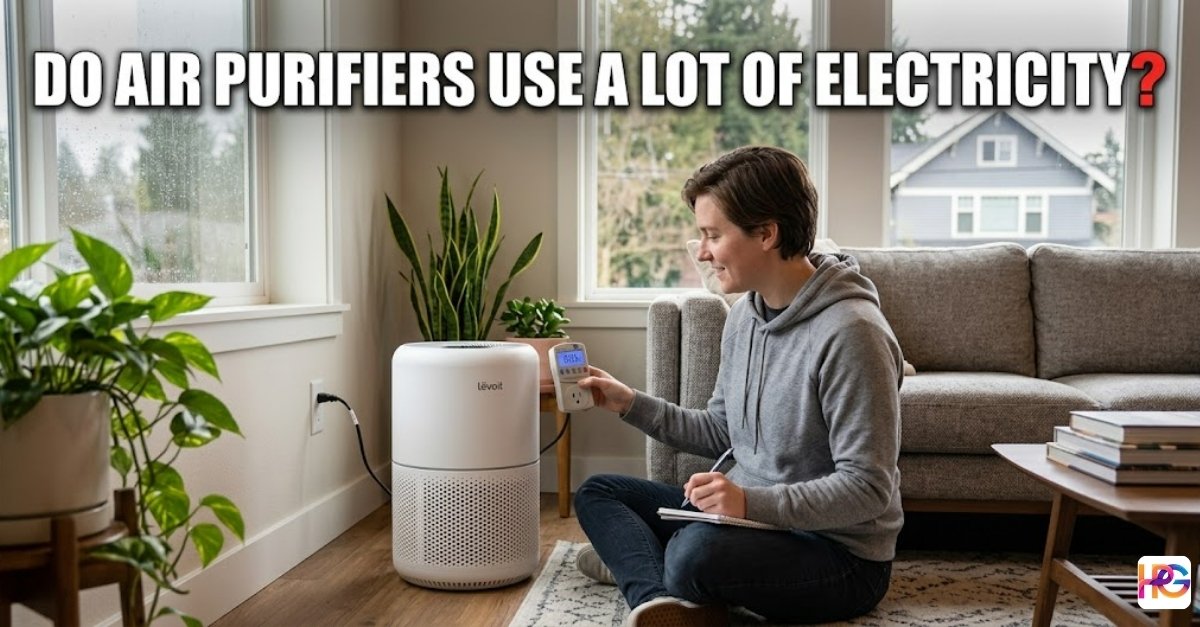
When I came back, I would crank it up to high, only to hear loud fan noise while the air still felt thick and heavy. Clearly, there had to be a better approach. So I started experimenting with different settings, checking power usage with a wall meter and tracking air quality in my living room. Now, I want to share what I discovered with you. You might be making the same mistakes I made. Let me show you how to fix them today. Clean air is too vital to mess up.
The Big Mistake With Fan Speeds
I hate wasting my hard-earned cash. You probably feel the same way. That is why we turn our home gadgets off fast. We think an off switch means zero extra cost. This makes total sense for standard light bulbs. It does not work well for smart air cleaners. I tested my unit with a smart plug meter. The final results really shocked me. A machine on low speed sips very little power. It uses less juice than an old desk lamp.
- High Speed Costs More: I used to blast my unit on full high right after walking in from work. The fan would roar like a jet engine, and the power meter numbers shot up super fast. The paper filter had to play a long catch-up game that took hours, pulling a whole lot of watts and eating extra power.
- Low Speed Saves Cash: Leaving the unit on low speed all day and night used almost nothing at all on the wall meter. It kept the room air fresh continuously, so the fan didn’t have to work hard later. The total power used for the whole day was significantly lower.
Power Use By Fan Speed
| Fan Speed | Power Used | Noise Level | Cleaning Style |
| Off Mode | None | Silent | Let dust fall down |
| Low Mode | 5 to 15 Watts | Quiet | Keeps the air clean |
| Mid Mode | 30 Watts | Soft Hum | Clears light stove smoke |
| High Mode | 80 Watts | Loud | Heavy catch-up work |
| Auto Mode | Varies A Lot | Varies | Smart auto changes |
How Auto Mode Changed Everything
I really love finding a good home life hack. The auto setting is the best hack for this tool. Many brand-new units use tiny lasers inside the plastic box that scan the room every single second for floating dirt, acting like a smart guard for your lungs.
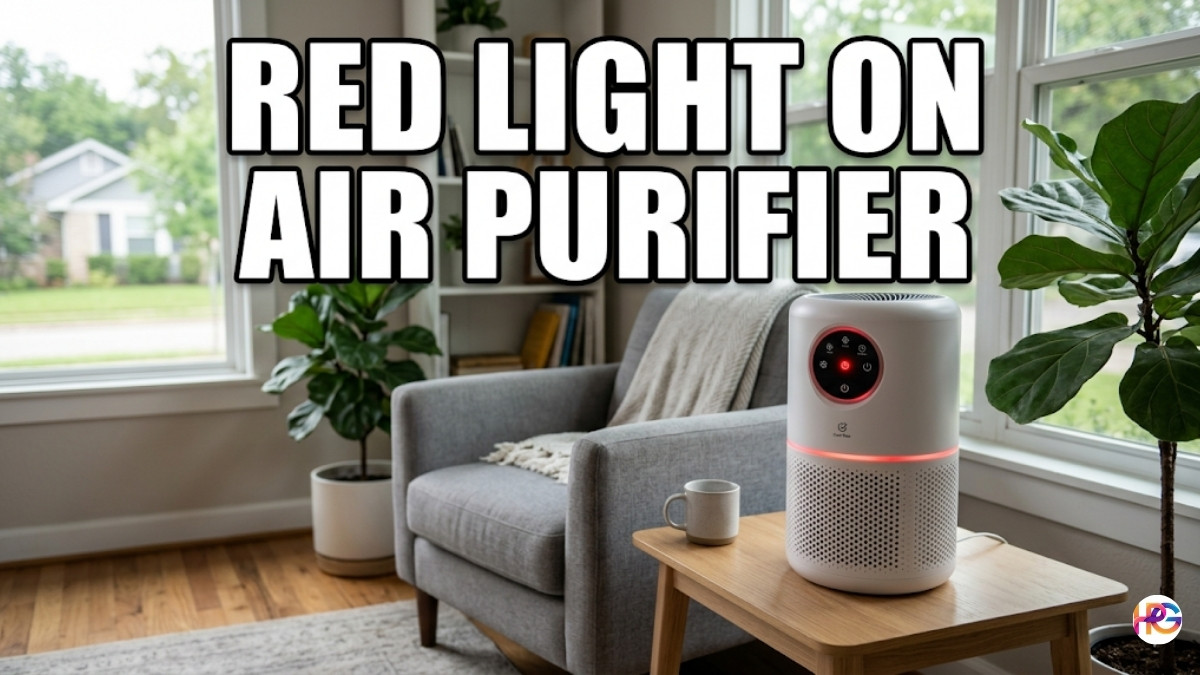
- A Dusty Day At Home: On a very dry, windy Tuesday, fine brown dirt blew into my living room from a cracked window. Set to auto, the unit immediately detected the dust—the indicator turned red, and the fan spun up from quiet to a loud hum automatically.
- The Smart Sensor at Work: The sensor scrubbed the bad air in a quick flash. Ten minutes later, the light turned green, and the fan dropped back to a low hum without me touching a button. It only uses high power when really needed, saving energy while keeping the space quiet.
Will Nonstop Use Break The Motor?
Fixing small things around the house is something I genuinely enjoy, and from experience, I know moving parts wear out. However, my fears about continuous fan use were mostly unfounded once I researched modern designs.
- The Magic of Modern Fans: Most quality air cleaners use modern brushless motors. Unlike old-style motors with rubbing metal parts that get hot and wear down, brushless motors use strong magnets. They run smoothly, stay cool, and are built to operate continuously all year long.
- The Real Wear and Tear: Stopping and starting a machine sends sharp power spikes to the circuit board, which causes more wear over time. Running it steadily on low is smooth and low-stress—like driving a car on a flat open highway versus stop-and-go city traffic.
Why A Clean Baseline Wins
Just like it takes more energy to cool down a boiling hot house than it does to maintain a cool temperature, maintaining clean indoor air is much easier than clearing polluted air from scratch.
- The Settling Dust Problem: When the fan is off, dust falls onto rugs, couches, and bedding. Once settled, an air purifier cannot pull dust off your furniture; it only catches floating particles. Turning the fan back on later means you still end up breathing settled dirt kicked up by foot traffic.
- Keeping the Shield Up: Keeping the unit running creates a continuous shield. New particles entering through doors or windows are captured immediately before settling, keeping your tables cleaner and reducing the workload on your lungs.
Testing The Air With A Tool
To verify performance, I tracked air quality using a standalone digital monitor over a multi-day test.
- What The Tool Showed Me: Leaving the air cleaner off for a day caused fine particle readings to creep up rapidly due to road dust and cooking smoke trapped inside.
- The Fast Drop In Dust: Switching the system back on cleared the room to safe, crisp levels in under an hour. The real-time data confirmed that continuous air cleaning yields measurable results.
The Cost Of Clean Air
Running a fan continuously means replacing filter media more frequently—typically every six months instead of once a year for part-time use.
- Filter Costs Versus Health: Replacing filters twice a year adds a modest cost, but a dirty filter directly translates to cleaner air for your lungs.
- A Simple Math Check: Spending ~$60 a year on replacement filters plus ~$10 in low-speed electricity totals roughly $70 annually for continuous clean air, making it a highly cost-effective investment in personal health.
Full-Time Versus Part-Time Costs
| Use Style | Power Cost | Filter Cost | Total Cash | Air Quality |
| Part-Time Use | Low Cost | Very Low Cost | Lowest | Poor Air |
| Full-Time Use | Low Cost | Medium Cost | Fair Price | Very Good Air |
| Auto Mode Use | Very Low | Medium Cost | Fair Price | Great Air |
Making It A Habit
Transitioning away from turning the unit off required initial discipline. Now, leaving it powered on is second nature.
- Place It In The Right Spot: Position the unit in an open central area—such as between the kitchen and living room—rather than tucked behind furniture or against walls, allowing optimal airflow to catch cooking smoke and entryway dust.
- Check the Pre-Filter: Most units feature a washable outer mesh pre-filter designed to capture large debris and hair. Vacuuming or washing this mesh every two weeks prevents main filter clogging and optimizes airflow.
What To Do Next
Try running your purifier continuously on its smart sensor setting for one full week without turning it off. You will likely notice noticeably fresher air, reduced dust accumulation on surfaces, and consistent, quiet operation.
Common Questions About Air Purifiers
How often should I clean the pre-filter mesh?
Inspect and clean the mesh pre-filter every two weeks. Removing large dust particles and hair maintains proper intake airflow and extends the life of the primary filter.
Does leaving the fan on all day burn out the motor?
No. Most modern air purifiers use brushless motors designed for continuous operation. Repeatedly powering the unit on and off causes more electrical component stress than running it at a steady, low speed.
How much power does an air purifier use on low speed?
On low, most units draw between 5 to 15 watts—comparable to a single LED light bulb—keeping operational energy costs minimal.
Does auto mode really save the HEPA filter life?
Yes. Auto mode scales fan speeds up only when airborne pollutants are detected, preventing unnecessary particulate buildup on the HEPA filter during clean air periods.
Can I keep my air purifier in a cold garage or workshop?
Yes, provided the space is dry. Excess moisture or high humidity can damage internal air quality sensors and degrade paper HEPA filter elements over time.