
It was a rainy Tuesday afternoon last monsoon season. Dinner plans called for a simple chicken curry. My little plastic jar of ground cumin came next. I opened the flip top and carefully shook it into the hot oil.
Nothing happened. I tapped the bottom of the container. I shook it much harder. Finally, a solid rock of cumin fell out with a sad thud.
The powder had completely hardened. The wonderful smell was completely gone. The flavor was like dusty cardboard. That was the exact moment I realized my kitchen setup was failing me. I ended up having to throw the whole lump away.
I run a site called Home Pick Guide. My entire goal is to help people make smart choices about home tools and appliances. I spend my days researching how things work. Yet, my own pantry was a disaster. I realized I needed to apply that same critical eye to my own spice collection.
Living here in Jashore means dealing with very serious humidity. The air gets heavy and wet for months at a time. Finding true airtight spice containers went from a casual thought to an absolute mission. I wanted to fix my kitchen and share what actually works.
Why I Started Caring About Long Term Spice Storage
Spices are expensive. I like to buy fresh whole turmeric, coriander, and dry red chilies from the local market. The colors are incredibly bright. The smell of fresh spices is amazing. It fills the whole house when you toast and grind them yourself.
But that beautiful smell fades very fast if you do not protect it. Spices do not spoil like milk goes bad. They just lose their magic. They lose the essential oils that make food taste good.
Realizing money was being wasted, I decided to buy a large bag of high-quality cardamom. A cheap jar would hold it for daily use.
Three months later, it had no smell at all. This is why long term spice storage matters so much. You want that last spoonful to taste just as good as the first one.
The Four Enemies of Your Pantry
Weeks went by as I investigated why my ingredients kept failing. Trial and error taught me a lot along the way. Eventually, I discovered four main factors that can ruin your seasonings.
Why Air Destroys Flavor
Air carries oxygen. Oxygen slowly breaks down the volatile oils inside your jars. Those tiny oils hold all the taste and aroma. When you leave a lid loose, the air constantly pulls the flavor away.
The Problem With Kitchen Moisture
Moisture is my biggest enemy here. Wet air makes powders clump together into hard bricks. It can even cause invisible mold to grow inside the jar. Nobody wants to sprinkle moldy cinnamon on their morning oatmeal.
Hiding From Bright Light
Sunlight looks really nice shining into a kitchen window. It is terrible for dried herbs though. The ultraviolet rays actually bleach the color right out of leaves. Bright light saps the life out of delicate things like oregano and mint.
Moving Away From Stove Heat
I used to keep my favorite rack right next to the stove. It was very easy to reach while cooking. This was a huge mistake on my part. The heat from boiling pots of rice cooked the spices inside their jars. Repeated heating and cooling destroys complex flavors very quickly.
Finding the Best Spice Storage Containers
To fix my pantry, I tested several storage options. Cheap plastic tubs came from the corner shop, while a few expensive imported canisters were ordered online. The goal was to see which ones were truly worth the money.
Plastic seemed like a good idea at first. It is very light. It does not break if you drop it on the floor. But I quickly noticed a huge problem. Plastic is actually slightly porous. It absorbs strong smells and holds onto them forever.
Strong garlic powder was once stored in a small plastic tub. After eventually using it all, the tiny container was washed five times with hot, soapy water.
It still smelled exactly like garlic a month later. I could not put anything sweet in there after that.
Why Glass Spice Jars With Airtight Lids Win
After all my testing, I found a clear winner. Glass spice jars with airtight lids changed everything for me. Glass is totally smooth and non-porous. It does not hold onto any smells at all.
You can keep sharp cumin in a glass jar for a year. Then you can wash it out. The next day, you can put vanilla sugar in that same jar. The sugar will not taste like cumin. That is a huge benefit for a busy kitchen.
I also love the sensory details of glass. They feel nice and heavy in your hand. They make a satisfying clinking sound when you set them down on the counter. You can see exactly how much you have left inside. I prefer clear glass so I know when to buy more. I just make sure to keep them in a dark drawer to avoid the sunlight issue.
Beating the Weather With Moisture Proof Spice Containers
The weather here gets incredibly sticky. You step outside and instantly feel damp. This moisture sneaks into your house and right into your food. You really need dedicated moisture proof spice containers to survive the wet season.
Regular plastic shaker tops let the wet air right in. The little holes on top are never completely blocked. Every time the humidity spikes, your powders soak up the water from the air.
To stop this, you have to look at the top of the jar. The lid is actually the most important part of the whole setup. A beautiful jar is totally useless if the lid leaks air.
A Close Look at Spice Jar Seal Types
I had to learn all about spice jar seal types. Not all lids do the same job. The effectiveness comes down entirely to the closure mechanism. Here is what I found out during my pantry makeover.
Food Grade Silicone Gaskets
These are usually found on glass jars with metal clamps. You can also find them on push-top lids. Silicone is my absolute favorite. It stays very soft and flexible. It creates a perfect barrier against the humid air. Silicone also does not dry out or crack over the years.
Classic Rubber Seals
You often see natural rubber rings on old-fashioned wire bail jars. They work fairly well at first. They clamp down nice and tight. However, natural rubber tends to get brittle. If you wash them in very hot water, they degrade faster. They are okay, but silicone is much better.
Metal Plastisol Liners
These are the soft rings painted inside metal screw-top lids. Think of a classic jam jar or a Mason jar. They provide a great initial seal when you twist them hard. But the soft liner can get dented after you open and close it a hundred times. Eventually, air finds a way through the tiny dents.
Standard Plastic Caps
These are the worst option for humid climates. Simple plastic screw caps with no inner ring offer almost zero protection. They might keep dust out, but they will not stop damp air. I always transfer my store-bought items out of these bottles immediately.
Comparing Lid Options
| Seal Material | My Personal Experience | Best Used For |
| Silicone | Stays soft and blocks all dampness perfectly. | Fine powders and very humid areas. |
| Rubber | Clamps tight but gets hard after a while. | Whole seeds and short term use. |
| Plastisol | Good seal but gets worn out from twisting. | Bulk items you rarely open. |
| Bare Plastic | Fails completely to keep wet air away. | Temporary holding only. |
My Routine for Keeping Things Fresh
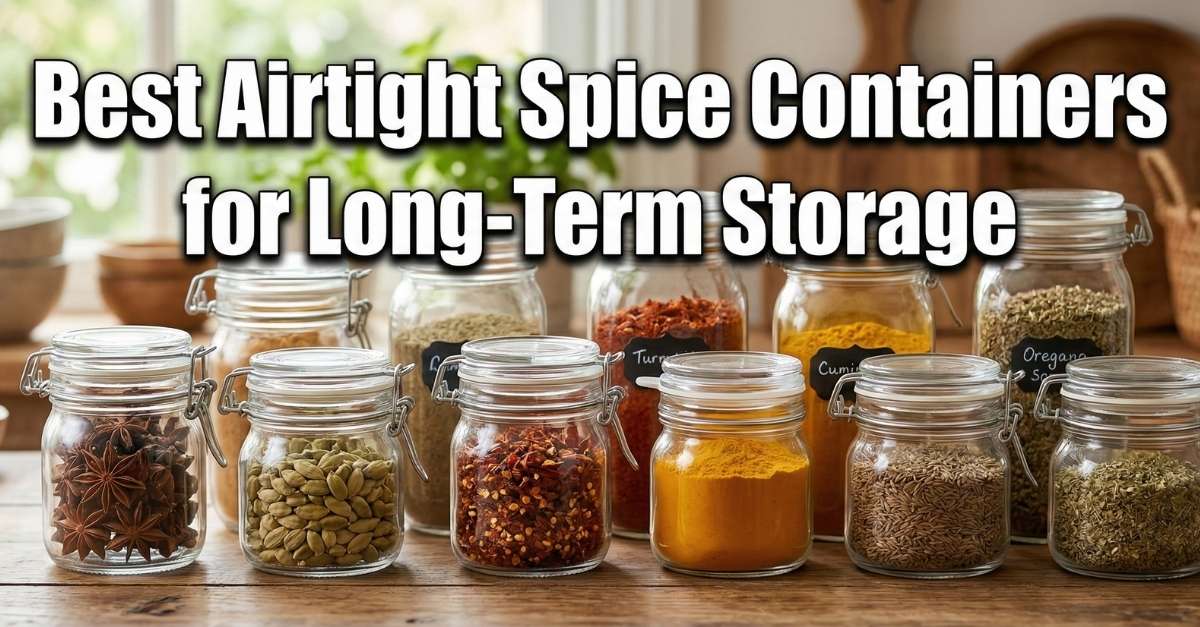
Finally, the storage problem was solved. All mismatched plastic tubs were discarded, replaced by a set of matching square glass jars.
They all have heavy wire clamps and thick silicone rings.
I spent a whole Saturday afternoon washing and drying them. You have to make sure they are completely bone dry before filling them. Even one drop of water inside will ruin your dry goods. I let them sit in the warm sun for hours just to be safe.
Then I carefully poured all my fresh ingredients into the new jars. I made simple white labels for the front of each one. I wrote the name of the item and the date I bought it. This helps me track how old things are getting.
I moved everything away from my stove. I cleared out a large drawer on the opposite side of the kitchen. It stays very cool and dark inside that drawer. Now, when I pull open the drawer, I see neat rows of colorful glass.
Final Thoughts on Upgrading Your Kitchen
Organizing this part of my home took some effort. It was definitely worth the time. When I cook a meal now, the flavors are bright and strong. I use less seasoning because it packs a bigger punch.
Upgrading your pantry is a small project with a huge daily reward. You just need to focus on finding a tight seal and heavy glass. Keep them tucked away in a dark place. Keep them away from the hot cooking zones.
By making these simple changes, you ensure that every pinch and dash delivers real flavor. Your recipes will turn out so much better. I am really glad I finally fixed my setup. I hope my little journey helps you get your own kitchen sorted out too.
Frequently Asked Questions
Q: Are glass spice jars with airtight lids really better than plastic?
Yes, heavy-duty glass easily beats plastic for durability. Glass will not absorb tough kitchen odors or stain over time. A solid silicone seal locks in freshness.
Q: What are the best spice storage containers for high humidity?
Look for thick glass jars with strong metal clamps and silicone gaskets. These create a tough barrier against wet air. Your ground powders will never turn into hard bricks again.
Q: How does heat affect long term spice storage?
Stove heat easily destroys the natural oils in your seasonings. You should always keep airtight spice containers in a cool, dark drawer. This simple storage trick extends shelf life.
Q: Can I wash the gaskets on moisture proof spice containers?
Yes, you can easily wash food-grade silicone rings in warm, soapy water. Just make sure they dry completely before you put them back. Trapped water is a huge enemy of dry herbs.
Q: Which spice jar seal types last the longest?
Silicone gaskets are the most durable choice for your kitchen setup. They stay soft and flexible much longer than old rubber rings. This ensures a tight, moisture-proof grip for years.