Different Types Of Air Purifier Filters Explained
I woke up with a stuffy nose last Tuesday. Sunlight came through my window here in Alabama. I saw tiny dust motes dancing in the room. The smell from my air fryer still hung around. My house felt very stuffy and quite dirty.
Fixing the air quality became my absolute top goal. I grabbed my phone to buy an air purifier. I hit a big wall very fast online. Shop sites used too many hard words. I saw strange terms like pre filters and true HEPA.
The choices made no real sense to me. Testing different units took weeks of my time. Thick manuals became my boring nightly reading. Buying bad filters taught me very hard lessons. Now, I want to share exactly what I learned.
We will look at each basic filter type today. You will finally know exactly what to buy. Then you can pick better and live smarter. This simple guide will make everything very easy. Let us dive right into the details together.
The Front Defender: Pre Filters
Every good machine starts with a basic pre filter. Think of it as a helpful screen door. It stops the big and truly ugly stuff. This includes gross pet hair and large dust bunnies. It also catches random lint floating by your head.
My first purifier had a cheap plastic mesh. For a whole month, I forgot to check it. I finally opened the front panel one morning. A thick grey blanket of dust made me gasp. It looked like a very small furry pet.
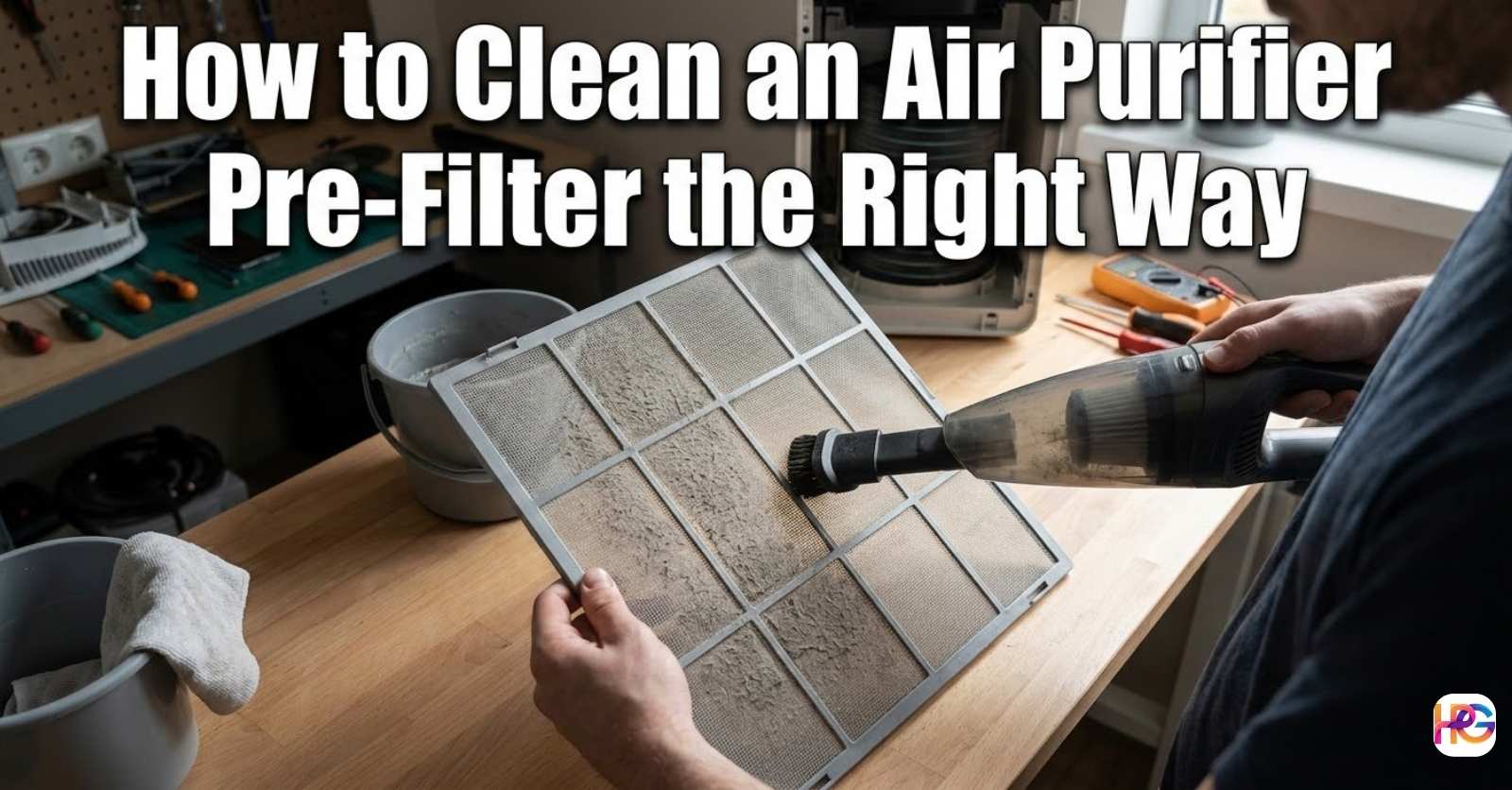
This gross find taught me a really good lesson. Pre filters do the heavy lifting for you daily. They stop large trash from getting stuck deep inside. This saves the very pricey filters behind them. Most of these basic screens are incredibly easy to wash.
Rinsing them in the sink works very well. You can also clean them with a simple vacuum brush. This fast task takes maybe two minutes tops. It adds many months of life to your main filters. Skipping this vital step is a completely bad idea.
Dust loves to hide in busy modern kitchens. I noticed this while fixing my coffee maker recently. Fine grey dust covered the back of the machine. The exact same dirt gets pulled into your air cleaner. That is why the front screen is totally vital.
How Washable Screens Save Money
Your expensive HEPA filter will ruin fast without one. Large dust clogs the fine paper fibers very quickly. I made a quick chart to show the real cost. It compares the total price over a full year. Seeing the math makes the choice very obvious.
| Setup Type | Filter Life | Yearly Cost |
| With Washable Screen | Twelve Months | Very Low |
| No Screen Used | Three Months | Very High |
True HEPA Filters For Tiny Bugs
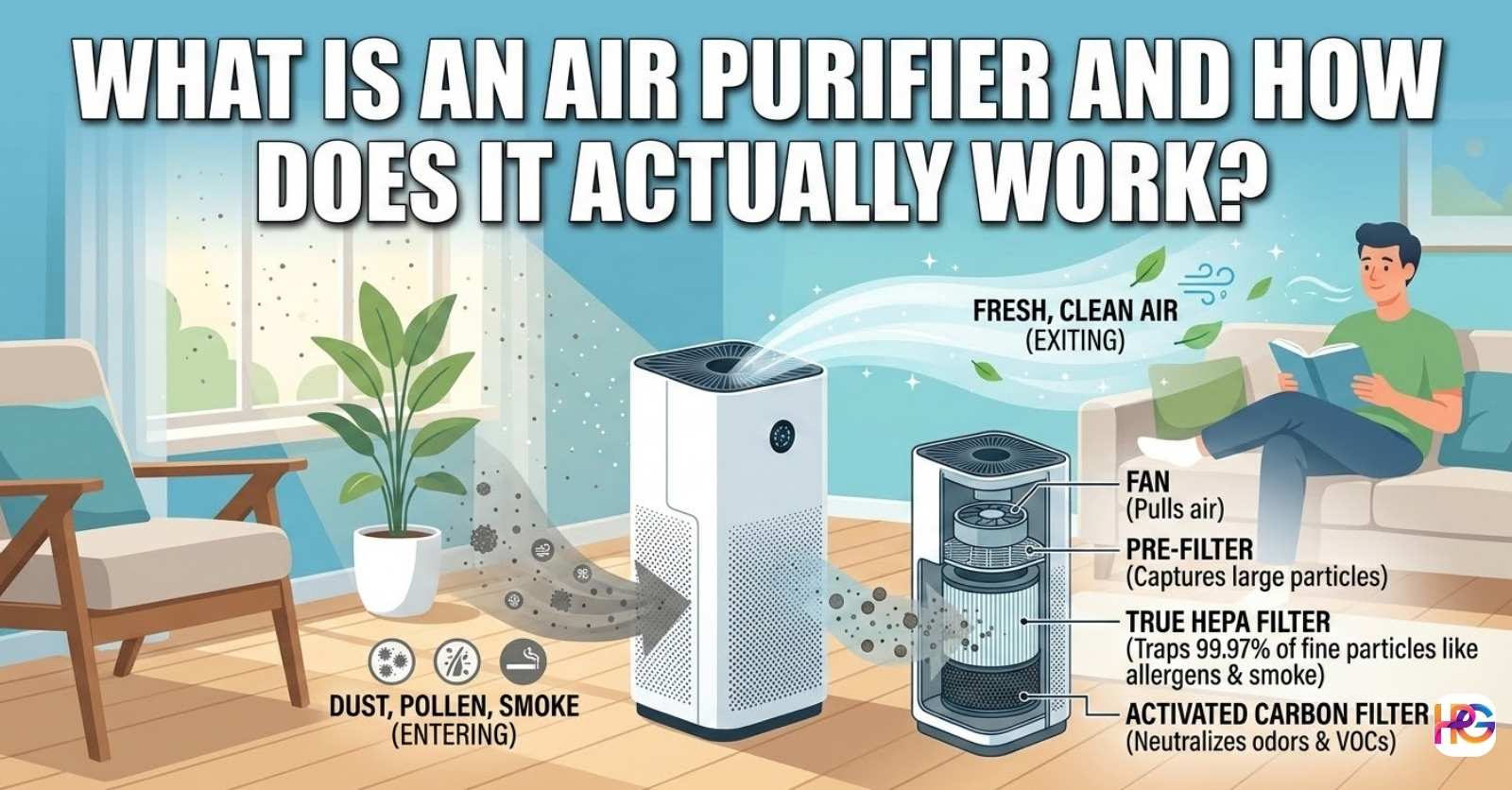
The next stage is the most famous one entirely. HEPA means High Efficiency Particulate Air. This is the true working heart of any good air cleaner. It handles the completely unseen enemies in your home.
I bought a very cheap unit once before. The shiny box said HEPA type on it. I truly thought I got a really great deal. Sadly, my morning sneezing fits did not stop at all. Finding out the dark truth made me very mad.
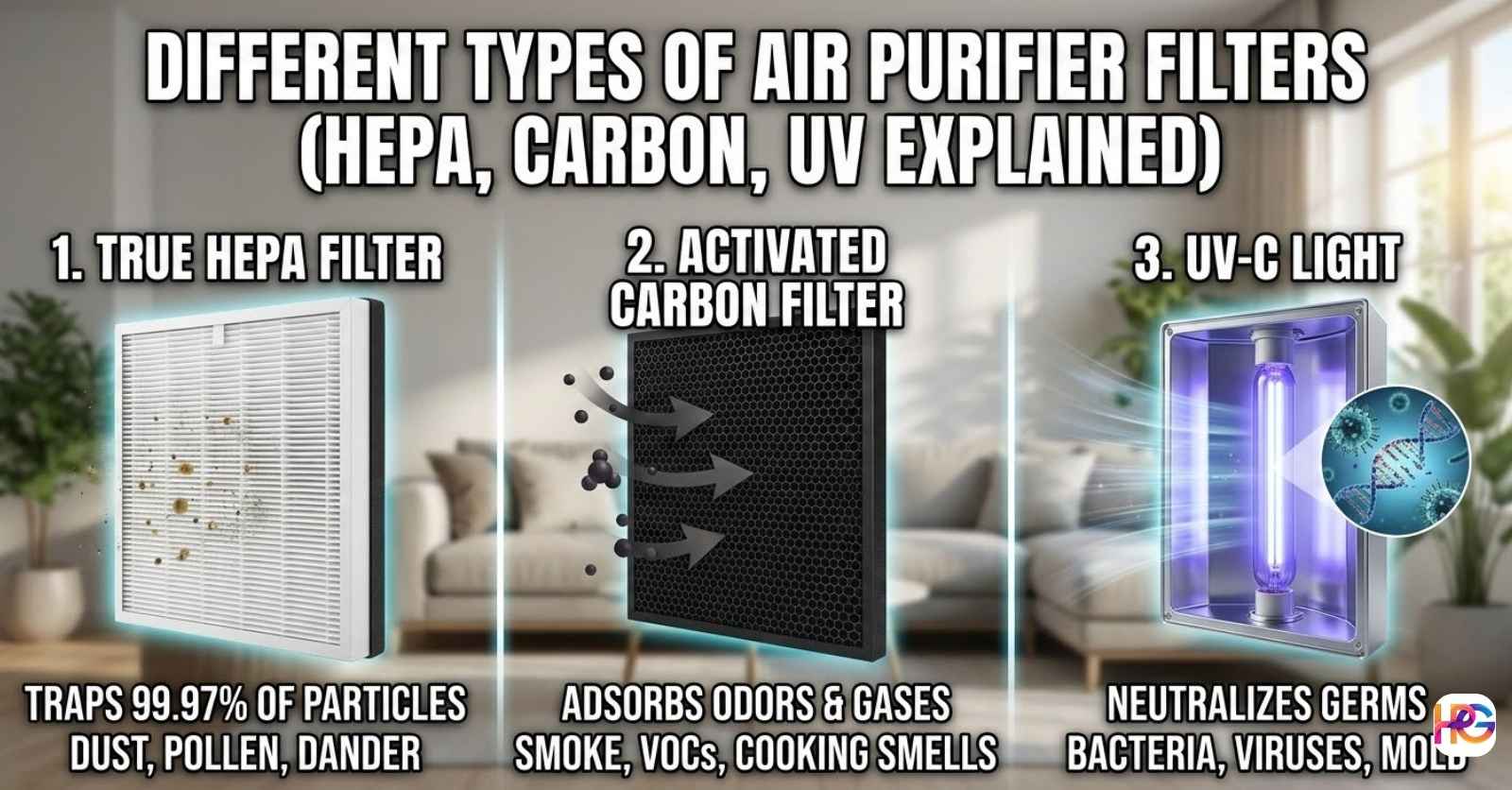
HEPA type is just a very sneaky sales trick. You must always look for True HEPA instead. A real HEPA filter grabs almost all tiny bits. It traps floating pollen, mold spores, and fine dust. The strict rule says it must catch tiny specs.
The exact size they catch is zero point three microns. That size is way too small to ever see. Feeling the change in the room happens very fast. My scratchy throat felt better after I got a real unit. The air simply felt much lighter and totally clean.
Tiny particles float around us all day long. Dust lands on your clean kitchen counters easily. It even gets inside your nice glass blenders sometimes. A real HEPA filter acts like a giant strong magnet. This trap pulls those tiny invaders right out of the air.
Do Not Wash Your HEPA Filter
You must remember one deeply critical fact today. Never wash a HEPA filter with warm or cold water. Water instantly ruins the fine glass fibers inside. Throwing it in the trash is your only real choice. Then you just buy a completely fresh new one.
Carbon Filters For Bad Odors
HEPA filters are incredibly great for solid dust. Yet, they do nothing for bad household smells at all. Gas fumes slip right past the tight paper fibers. This is where activated carbon comes in to help. That specific filter stops foul odors and unsafe gases.
I love cooking spicy meals very often. Frying fresh garlic leaves a strong smell behind. The odor sinks deep into my living room sofa. Opening windows used to be my quick daily fix. But the harsh wind just blew more dirt inside.
Finding a much better way became my clear mission. I tested a unit with a thick carbon filter. It changed everything for my home air quality. These filters work by pulling foul gas to their surface.
The carbon is full of tiny hidden pores. They soak up heavy kitchen cooking smoke quickly. Also, these pores grab burnt smells and fresh paint fumes. Harsh fumes like this are called unsafe VOCs. Cheap wood furniture can release them into your room too.
Fresh coffee beans smell truly amazing in the morning. However, roasting them leaves a bitter burnt scent later. That old coffee smell lingers in the air for many days. A strong carbon filter clears that heavy air right out. It makes the room smell completely fresh again fast.
Cleaning your house should feel truly rewarding always. Using harsh sprays often leaves a toxic smell behind. Those chemical fumes hang low in the room for hours. Real carbon bits soak those bad fumes right up. Your home goes back to smelling very safe and clean.
Why Real Carbon Pellets Win
Not all odor filters are made well today. Many cheap ones use a very thin black sponge. Makers just spray foam with fine carbon dust lightly. These thin sheets fail after just one single week. You want a filter with actual loose carbon pellets.
They look exactly like tiny black rocks. Factories pack them tight in a hard plastic frame. The solid rocks give the filter more working surface area. This means much more daily power to trap bad smells. Here is how long it took to clear fried fish smells.
| Carbon Filter Type | Time To Clear Air | Overall Value |
| Thin Sprayed Sheet | Four Long Hours | Very Bad |
| Thick Loose Pellets | Forty Five Mins | Truly Great |
UV Light And Ionizers Explained
Now we get to the fancy extra tools inside. Many high end machines add UV lights and ionizers. They sound very new and super cool to buyers. Testing them in my house was truly fun at first. My test results were a bit mixed in the end.
These are not normal physical filters at all. Active tools like this change the air chemistry itself. UV light is meant to kill floating indoor germs. The bright light hits airborne viruses and tiny bacteria. Large hospitals use this specific tech a whole lot.
A big problem exists for regular home use. Air moves past the blue light way too fast. The germs do not get enough time to actually die. Paying extra money for a UV light is rarely worth it. Good physical filters do the main job just fine.
The Hidden Risks Of Ionizers
Ionizers work very different from standard blue lights. The machine shoots out unseen static charges into the room. These charges crash into floating dust and spring pollen. That crash makes the dust very heavy and quite sticky. Heavy dust falls down to your floor very quickly.
It sticks to your bedroom walls and fuzzy rugs. You still have to vacuum it up later on. I left an ionizer running in my office once. After a single hour, I got a mild headache. The closed room smelled like a dirty public pool.
Checking online showed me the real hidden issue. The machine made tiny amounts of harsh ozone gas. Ozone is a truly bad gas for your soft lungs. Asthma sufferers will find it very hard to breathe deeply. Using a machine with an ionizer needs deep care always.
Picking Your Best Air Filter Combo
We covered a lot of really good ground today. Picking the right air cleaner is actually very easy. Looking inside the plastic machine is the big secret. You rarely have to pick just one single type. The absolute best machines use a multi stage system.
They stack the different filters all safely together. You want a basic washable front screen first. It easily catches the gross pet hair and big house dust. Next, you absolutely must have a True HEPA filter. It traps the tiny bugs that make you sneeze daily.
Finally, check closely for a thick carbon filter. It deeply needs to have real solid rocks inside. Handling heavy kitchen dinner smells requires those thick pellets. Skipping UV lights and ionizers is totally fine today. They add retail cost but do not offer huge daily perks.
The Hidden Costs Of Cheap Filters
Buying cheap replacement parts seems smart at first. It actually costs you way more money over time. Fake thin filters need replacing every few short weeks. Real thick filters last for many long months easily. I learned this hard lesson the very expensive way.
Daily Habits For Cleaner Air
Running your purifier all day is the best choice. Keep the fan speed low during regular quiet hours. Turn it up high while you are cooking spicy food. This simple daily habit keeps the air flowing well. Fresh air makes your whole house feel deeply calm.
Final Thoughts On Clean Air
Keep a close eye on retail replacement costs too. Buying the main unit is just the first small step. You must buy fresh new filters every six months. Improving your indoor home air takes a little steady effort. The healthy daily payoff is totally worth it though.
Waking up with a very clear nose is great. My nice home smells fresh after a big spicy dinner. Knowing exactly how these basic filters work gives me peace. I hope my messy daily tests help you out today. Avoid cheap sales tricks to safely save your money.
Check your basic mesh screens and wash them often. Change the main paper ones right on schedule always. Your soft lungs will deeply thank you for being smart. Clean flowing air is the absolute best gift for your home. Enjoy breathing easier every single day from now on.
Frequently Asked Questions
Q: Does my garage air filter need a True HEPA filter?
A: Yes, a True HEPA filter is best for your shop. It traps the tiny sawdust bits that your big shop vac misses. This keeps your lungs safe while you run your tools.
Q: Will an activated carbon filter stop strong paint fumes?
A: A thick carbon filter traps harsh paint and gas fumes fast. You want one with real carbon rocks for your garage. Thin carbon sheets fail quickly in a busy shop.
Q: How often should I clean the pre filter in my wood shop?
A: You must wash your pre filter every few weeks. It catches big wood chips and thick dust first. This simple step saves your costly main filters from early ruin.
Q: Are UV lights or ionizers good for a dusty workshop?
A: They do not help much with heavy shop dust at all. An ionizer makes dust heavy, but it just falls on your tools. Stick to strong physical filters for real safety.
Q: Does a hot summer garage ruin my air purifier filters?
A: High heat will not hurt a good HEPA filter at all. But hot air makes cheap carbon filters go bad very fast. Buy strong parts to keep your shop air very clean.