Dirty Fuel Injector Symptoms and Cleaning Methods
Hello friends. My name is Mike. Welcome back to Home Pick Guide. We always want to pick better and live smarter. Today I want to share a story about my car. Last month brought a very cold Tuesday morning here in Alabama. With a hot cup of tea in hand, I walked out to my dusty garage and turned the key in my trusty old car.
The engine choked right away. It shook the whole frame hard. It felt like the motor was gasping for pure air. I smelled a very strong scent of raw gas. My heart sank deep into my chest. I knew I had a real problem on my hands.
This is a very common story for many of us. We love our daily cars. But we hate when they act up without warning. I want to share my dirty fuel injector journey with you today. We will look at the bad signs. We will also talk about the best cleaning methods I tried.
My First Clues and Bad Symptoms
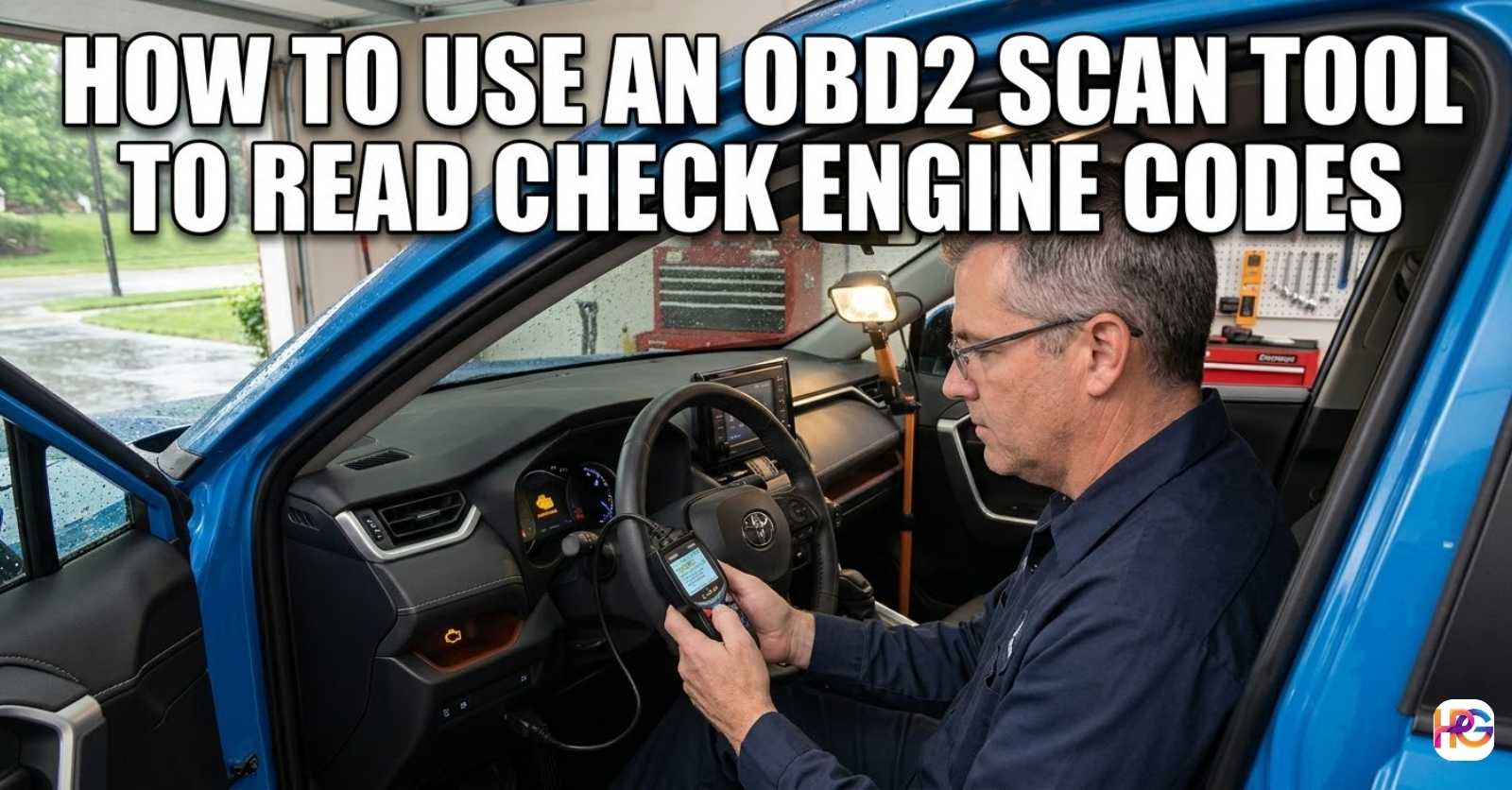
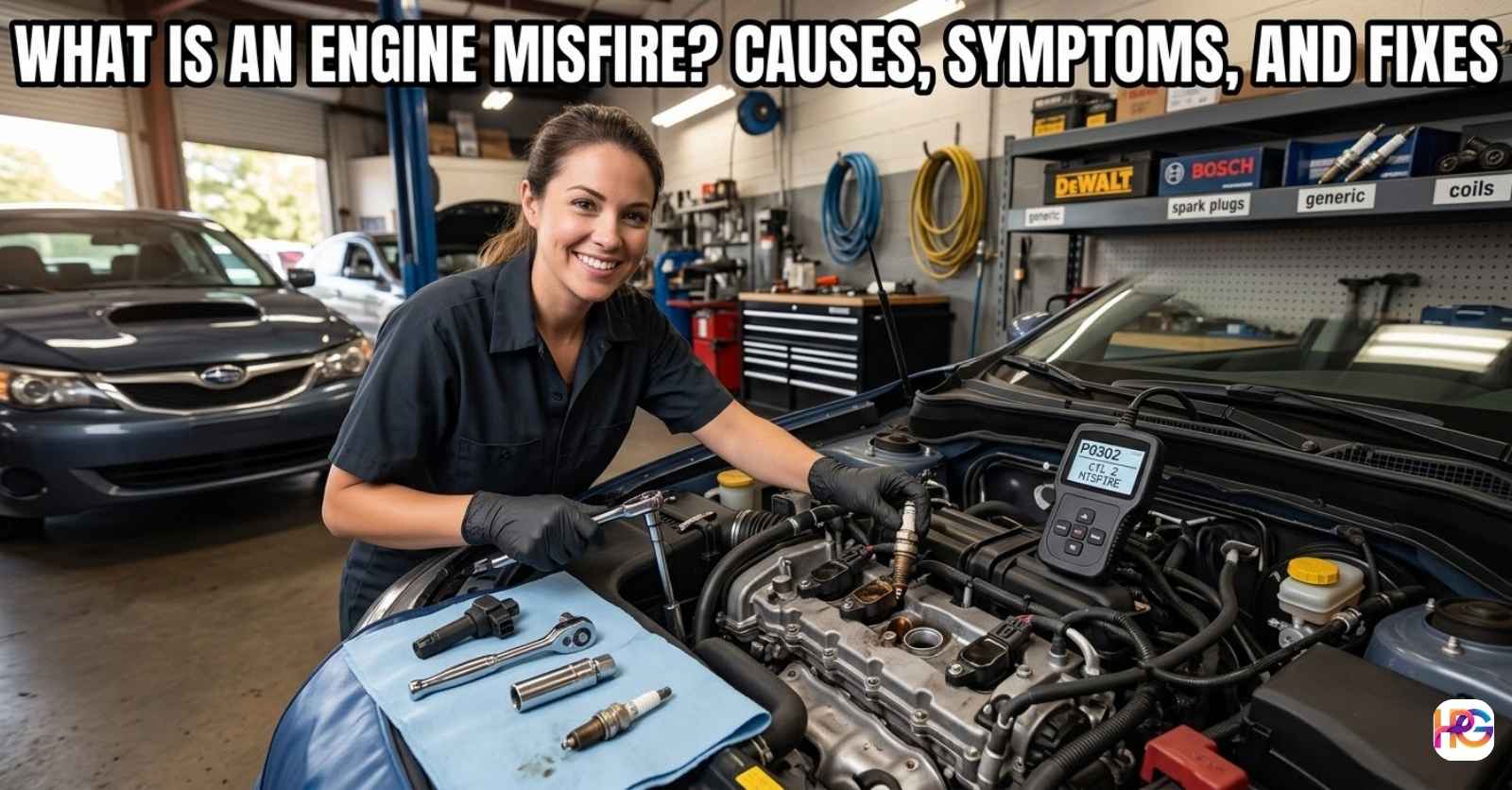
I did not know what was wrong at first. The car ran fine the day before. I grabbed my automotive diagnostic tool from the top garage shelf. I also pulled out my trusty mechanics tool set. My hands were already a bit dirty. I plugged the small scanner under the steering wheel dash. The little screen flashed a nasty misfire code. A misfire means the engine cylinder is not firing right. It is skipping a vital beat.
I started to notice other odd things too. The idle was very rough and quite loud. The car vibrated hard at red stop lights. It felt like sitting on a broken washing machine. My fuel economy had dropped a lot over the last few weeks. I felt like I was always stopping at the local gas station. It was hurting my daily budget fast. I also noticed a slight delay when I pushed the gas pedal. The car did not want to move forward. It hesitated a lot. These are classic dirty fuel injector symptoms. You should never ignore them.
Why Parts Get Dirty Over Time
Let me explain what happens under your warm hood. Your engine needs clean gas to run well. The fuel injector sprays a fine mist of gas into the engine block. Think of it like a nice gentle spray bottle for house plants. Over time, high motor heat bakes the leftover fuel. This constant heat leaves hard black carbon crusts on the tiny metal nozzles.
The fine mist turns into a very sloppy squirt. The engine runs poorly because of this bad uneven spray. It is like trying to drink thick water through a thin straw filled with heavy mud. It just does not work well at all. I felt foolish for ignoring the early small signs. I should have paid much closer attention to my daily gas mileage. The dirt builds up very slowly. You do not notice it until it gets really bad.
Testing Different Cleaning Methods
I decided to try fixing the rough issue myself. I love to test new things for you guys. It helps us all learn and grow together. I looked at three main ways to clean the dirty car system. Some fixes are very cheap and super easy. Others take more heavy work and extra time. I wanted to see what really worked well.
Pour In Tank Additives
My first stop was the busy local auto parts store. I bought a cheap plastic bottle of liquid fuel system cleaner. The nice guy behind the sales counter swore by it. He said it was a fast magic fix. You just pour the clear liquid into the empty gas tank. Then you fill up the car with fresh gas.
The harsh chemicals mix directly with the liquid fuel. They clean the dirty rubber lines as you drive around town. I used a long plastic funnel to avoid spilling on my nice paint. The liquid smelled terrible and very strong. I drove around my city for a few long days. The rough engine idle got a tiny bit smoother. But the bad misfire code came back again. This simple method is great for basic routine upkeep. It does not fix a major heavy clog.
| Method Type | Cost Range | Effort Level | My Honest Rating |
| Tank Additive | Very Cheap | Very Low | Fair for simple upkeep |
| Pressurized Kit | Medium Price | High Work | Good for deep clogs |
| Pro Service Shop | High Price | Zero Work | Best for broken parts |
Trying a Pressurized DIY Kit
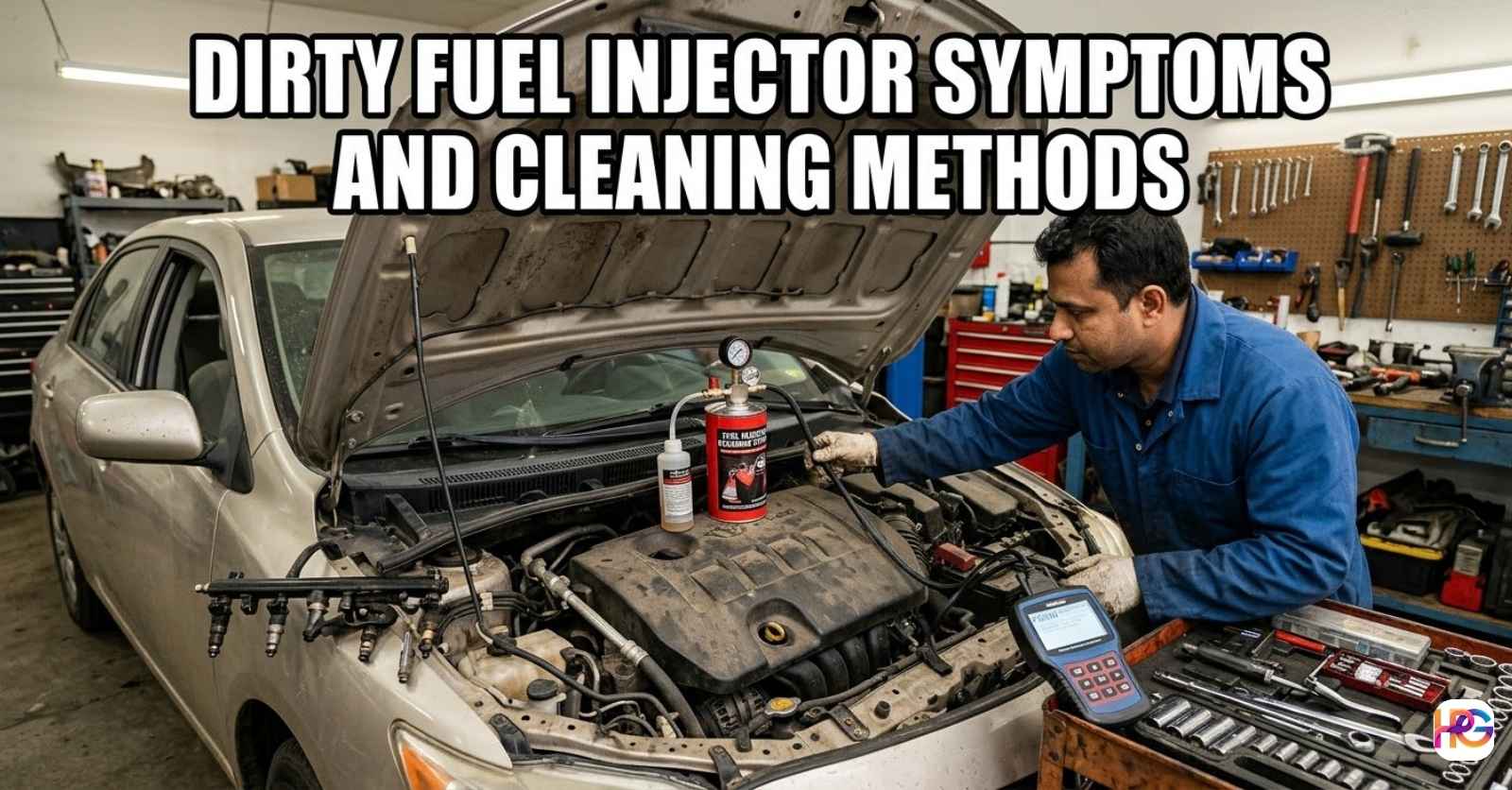
Giving up was not an option yet. My heavy mechanic’s tool set opened once again on the cold floor, and a pressurized cleaning kit I had ordered earlier that week was ready to try.
This is a much bigger tough job for a weekend. You have to turn off the main fuel pump first. Then you hook a metal can of strong cleaner right to the metal fuel rail.
The engine runs only on the cleaner liquid for ten whole minutes. I was a bit nervous doing this big job in my small garage. It felt like playing with real fire. The strong chemical fumes filled the damp morning air. I had to open the main garage door wide open. The engine coughed hard as it burned the harsh stuff. It sputtered and smoked a little bit.
When the metal can finished, I put every piece back together. I washed my dirty hands and started the car up. It sounded much smoother right away. The annoying delay hesitation was totally gone. This cool pressurized kit did a great job clearing out the bad baked carbon. But it took real time and very careful safe work.
Common Myths I Found Out The Hard Way
You will read a lot of sad lies on the wide internet. People make big bold claims about magic easy fixes. I fell for some of these bad tips in the past. I really want to save you that extra awful trouble. Let us clear up some tall silly tales right now.
The Magic Bottle Myth
Many normal folks think a cheap five dollar bottle will fix a broken auto part. That is entirely false. If your plastic fuel injector has a deep wide crack, an additive will do absolutely nothing. If the tiny copper wires inside are totally dead, no magic liquid will save it. Cleaners only melt soft black carbon. They do not magically fix broken solid parts. You must test the bad parts first.
More is Always Better Myth
I once thought adding two whole bottles of strong cleaner would work twice as fast. I was very wrong about that bad idea. These cleaning chemicals are very strong and quite harsh. They can eat the soft rubber seals inside your dark fuel lines. Too much cleaner causes bad fuel leaks over time. Always read the back text label carefully. Just use what the plastic bottle says. Your older car will thank you later.
The One and Done Lie
Carbon dirt builds up every single time you drive your fast car. It never actually stops forming. You cannot clean the warm engine once and just forget it forever. I learned I must use a mild light cleaner every single oil change. This good habit stops the thick hard crust from forming early. It is all about building good daily habits. Basic care is your best true friend.
When You Must Pay for a Replacement
Sometimes deep harsh cleaning just fails entirely. I had this exact sad thing happen on an older work truck many years ago. The internal tiny parts were just too old and fully clogged up. I had to buy brand new fresh parts from the main dealer. It is not a fun day when that expensive thing happens. The final high costs can add up very fast.
The Real Costs of New Auto Parts
A single new fuel injector can cost fifty to over one hundred fifty dollars. It really depends on your specific car brand and build year. But you rarely ever buy just one single part. If one old part fails, the others are likely going bad too. Most good smart mechanics say to replace them all at once. This keeps the running engine balanced.
You also have to pay a local shop for the hard messy work. Taking off the top metal engine intake takes a lot of time. The shop labor fee alone can cost hundreds of dollars easily. The final big repair bill can truly hurt your bank account.
| Item to Buy | Low Price | High Price | Why It Varies |
| Single Injector Part | $50 | $150 | Car brand and type |
| Shop Labor Fees | $150 | $300 | Hours needed to fix |
| Total Repair Job | $200 | $450 | Tax and extra fees |
Checking the Small Wire Plugs
Before you buy expensive parts, you should check the small wires. Sometimes the main injector is clean but the power wire is bad. I used a cheap simple multimeter to test my car wires. It is a very handy tool to keep around the house. You just touch the long metal probes to the tiny metal pins.
You want to see a steady neat number on the small screen. If the digital screen shows zero, the electrical part is dead. No amount of harsh wet cleaner will fix a dead power wire. This quick simple test saved me from buying the wrong stuff once. Always check your basic thin wires first. It takes five short minutes. It can save you lots of hard cash.
Keeping Your Fuel System Healthy
We talked about cleaning dirty old parts. Now let us talk about keeping them nice and clean. I try to buy good quality gas from busy bright stations. Busy large stations always have fresh fuel in their deep cold tanks. Old dirty gas can leave bad gummy residue in your car lines.
I also change my main fuel filter when the thick manual says to. The filter stops big hard dirt from reaching the tiny engine nozzles. A clean safe filter means a happy smooth running motor. These small easy steps make a very big difference. You do not need to be a rich smart mechanic to do this. You just need to care about your daily ride.
My Final Thoughts for Your Garage
Taking proper good care of your car is a big ongoing job. It takes steady calm patience and the right simple tools. I am very glad I had my car code reader that cold morning. It pointed me in the correct fast direction right away. It saved me a long sad trip to a costly repair shop.
You do not need to be a master car expert to spot trouble. Listen closely to your loud running engine. Watch your gas dash gauge needle. If things feel bumpy or rough, do not sit and wait around. Try a simple small tank cleaner bottle first. If that fails, look into deeper hard cleaning methods.
I hope my messy morning story helps you avoid one. Keep your sturdy mechanics tool set handy in the dark trunk. Stay on top of your routine daily maintenance schedule. That is how we keep our neat cars running smooth and safe. Have you ever faced a rough shaking engine issue? Let me know. I would love to hear your fun garage stories. Keep picking better tools and living a smarter life.
Frequently Asked Questions About Fuel Injector Symptoms and Cleaning
What tool do I need to find dirty fuel injector symptoms?
A simple code scanner spots a rough engine misfire code fast. This handy scan tool easily reads the dash codes right in my dark home garage. It saves me real time.
Can a basic mechanics tool set fix a dirty fuel injector?
Yes, a good strong socket set helps you reach the main fuel rail safely. You must use tough steel hand tools with a firm grip to hook up a deep pressure cleaning kit.
How does a digital multimeter test a bad fuel injector?
A cheap digital multimeter tests the small power wires on the car motor. You just touch the long metal probes to the tiny pins to check for a dead electrical signal.
Are deep pressurized fuel injector cleaning kits hard to use?
They take more safe work than a simple clear gas tank additive bottle. You need thick rubber gloves and good strong metal tools to stop bad harsh chemical fluid leaks.
How should I store fuel system cleaner tools in a cold garage?
Keep all harsh liquid cleaners in a dry safe dark cabinet. Store your bright digital scan tools in a hard warm case so the tiny cold screen does not crack or freeze.