
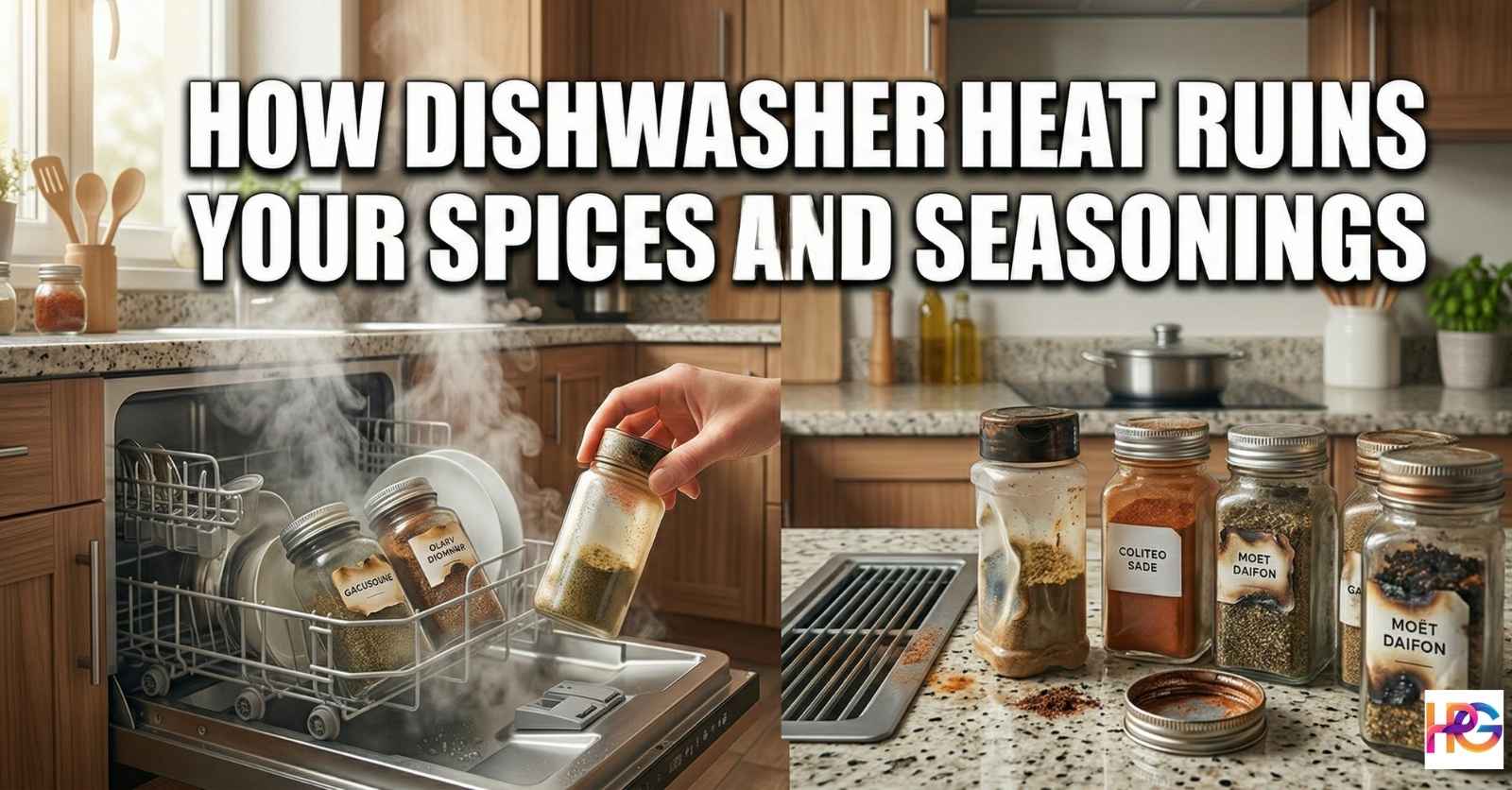
How Dishwasher Heat Ruins Your Spices and Seasonings (What Happened in My Kitchen)
I did not think twice about storing my spices near the dishwasher.
It felt smart. The cabinet was right there. I cook almost every day. The setup saved me steps. Or so I thought.
Then one evening, my chili tasted flat. No kick. No depth. Just heat with no soul.
That was the day I learned how dishwasher heat ruins your spices and seasonings. And I learned it the hard way.
Let me share what happened in my kitchen.
Why I Stored My Spices Near the Dishwasher
In my kitchen, space is tight.
The cabinet above the dishwasher was empty when we moved in. It felt perfect for spices. Easy reach. Close to the stove. No bending down.
On busy weeknights, I would:
- Open the cabinet
- Grab paprika or cumin
- Close it fast
- Move on
It worked for months.
Or at least I thought it did.
Looking back, I ignored small signs. The jars felt warm sometimes. Steam would rush out when I opened the dishwasher. I noticed clumps in the garlic powder. I blamed humidity.
Now I know better.
How Hot Does a Dishwasher Really Get?
I decided to check the numbers after my spices started tasting weak.
Most dishwashers run between 120°F and 160°F (49°C to 71°C). The heated dry cycle can push temps even higher.
The key issue is not just the inside of the machine.
It is the air around it.
When I opened the dishwasher right after a cycle, I could feel the heat hit my face. That hot air rises straight into the cabinet above. Exactly where my spices lived.
Even if the cabinet door stayed closed, the wood warmed up. The air inside warmed up. The jars warmed up.
Spices do not like heat. They are dried plants. Heat speeds up aging.
Over time, that repeated warmth breaks them down.
Steam: The Hidden Problem I Did Not Notice
Heat was one issue.
Steam was worse.
After every wash, I would open the door. A cloud of steam would rush out. It went straight up.
One day I held my hand under the cabinet. It felt damp. That surprised me.
Spice jars are not truly airtight. Most have small shaker lids. Some have flip tops. Even tight lids allow tiny air exchange.
Moisture slowly got inside.
That is when I noticed:
- Garlic powder clumping
- Chili powder forming tiny hard balls
- Salt inside blends turning slightly solid
I used to tap the jar on the counter to break clumps. Now I know that was a warning sign.
Moisture and spices do not mix.
The Science Behind How Dishwasher Heat Ruins Your Spices and Seasonings
Spices get their flavor from essential oils.
These oils are fragile. Heat makes them evaporate faster. Light and oxygen make them break down.
When spices sit near a warm dishwasher, three things happen:
- Heat speeds up oil loss
- Steam adds moisture
- Repeated cycles create constant stress
Ground spices are the most at risk. They have more surface area exposed to air.
Whole spices last longer. Still, even whole cumin seeds lose aroma faster in warm spots.
Once those oils fade, the spice still looks fine. But the flavor is gone.
That is what happened to my paprika. It stayed red. Yet it smelled dull.
Which Spices Failed First in My Cabinet
Not all spices reacted the same.
Here is what I noticed in my own kitchen:
| Spice | What Happened | Time I Noticed It |
|---|---|---|
| Paprika | Lost bright smell | About 3 months |
| Chili powder | Color faded | 2–3 months |
| Garlic powder | Clumped fast | 1–2 months |
| Cumin | Aroma weak | Around 4 months |
| Cinnamon | Less sweet smell | 5 months |
Garlic powder was the first clear victim. It turned into tiny rocks.
Paprika was the biggest disappointment. I use it often. When it lost depth, my roasted potatoes tasted bland.
Plastic vs Glass Jars: What I Observed
I use both plastic and glass spice jars.
Over time, I noticed differences.
Plastic Jars
Some plastic lids felt looser after months near the dishwasher. One shaker top cracked slightly. Another lid would not seal tight anymore.
Plastic can warp with repeated heat exposure.
Even tiny changes in shape allow more air in.
Glass Jars
Glass handled heat better.
Still, the weak point is the lid. Most lids have thin plastic or metal with liners. Those liners wear down.
So while glass looks sturdy, it is not immune.
The real issue is seal quality.
Common Storage Mistakes I Made
Looking back, I made classic kitchen storage mistakes:
- Used the cabinet directly above the dishwasher
- Opened the dishwasher right after heated dry
- Stored ground spices in original thin containers
- Ignored early signs like clumping
I also kept a small open spice rack on the counter beside the dishwasher for daily use.
That area got warm too.
Even lower cabinets that share a wall with the dishwasher can heat up.
The problem is not dramatic heat. It is repeated mild heat over time.
How Fast Do Spices Lose Flavor Near a Dishwasher?
I compared my affected spices with new ones I bought later.
The difference shocked me.
In a cool, dark cabinet away from appliances:
- Ground spices can last 1 to 3 years
- Whole spices can last 3 to 4 years
Near my dishwasher, I noticed clear flavor loss in a few months.
The change was not sudden. It was gradual.
Food started tasting flat. I added more spice to compensate. That made dishes muddy instead of rich.
Once I moved everything to a cooler drawer, new spices stayed strong much longer.
Signs Your Spices Were Damaged by Heat
Here are the signs I learned to watch for:
- Faded color
- Weak smell when rubbed between fingers
- Hard clumps
- Bitter or dusty taste
- Needing more spice than usual
Your nose is the best test.
If the aroma is weak, the flavor will be weak.
Best Place to Store Spices Instead
After my spice failure, I changed my setup.
I moved everything to a deep drawer across the kitchen. It stays cool and dark.
Ideal spice storage should be:
- Cool (below 70°F or 21°C if possible)
- Dark
- Dry
- Away from heat sources like ovens and dishwashers
A pantry shelf works well too.
Drawers are great because they block light and trap less rising heat.
Since moving my spices, I noticed stronger aroma and better results in my cooking.
What I Did in a Small Kitchen to Protect My Spices
Space is still tight in my kitchen.
Here is what helped:
- Switched to airtight glass jars
- Added simple drawer inserts to keep jars flat
- Waited 15–20 minutes before opening the dishwasher
- Avoided storing spices above any appliance
I also buy smaller quantities now. Fresh is better than bulk when storage space is limited.
These small changes made a big difference.
What I Did With Spices Already Ruined by Heat
I did not keep cooking with weak spices.
Instead, I:
- Composted some
- Used cinnamon in homemade potpourri
- Added mild blends to baking soda for odor control
Cooking deserves full flavor.
Flat spices only waste time and effort.
Final Verdict: Should You Store Spices Near the Dishwasher?
From my experience, no.
Dishwasher heat ruins your spices and seasonings slowly but surely. The damage is quiet. You may not notice at first.
I did not.
Convenience felt smart in the moment. Over time, it cost me flavor, money, and a few disappointing meals.
If your spices sit near a dishwasher, check them today. Rub a pinch between your fingers. Smell it.
Your nose will tell you the truth.
Moving them might take five minutes. The flavor payoff lasts much longer.
FAQs About Dishwasher Heat and Spice Storage
1. Can dishwasher heat ruin your spices and seasonings?
Yes, it can. Dishwasher heat ruins your spices and seasonings by drying out their natural oils. Over time, flavor fades and the spice smells weak.
2. Is it safe to store spices above the dishwasher?
It is not a good idea. Heat and steam rise after each wash cycle. That warm air slowly breaks down ground spices and seasoning blends.
3. Does steam from a dishwasher damage spice jars?
Steam can sneak into small gaps in the lid. Even tight jars are not fully airtight. Moisture causes clumping and shortens spice shelf life.
4. Are glass spice jars better than plastic near a dishwasher?
Glass handles heat better than plastic. Still, the lid seal matters most. If the seal weakens, air and moisture can still get in.
5. What is the best way to protect spices from dishwasher heat?
Store spices in a cool, dark drawer or pantry. Keep them away from ovens and dishwashers. Airtight containers help preserve flavor longer.