The Morning That Changed My Habit
Let me tell you a story about my daily routine. It all started on a rainy Tuesday morning. I live in Alabama and the weather was very humid. The sky was dark grey outside my window. I walked into my small kitchen. I was tired. I just wanted a hot cup of coffee to wake me up. I turned on my old plastic drip machine. It was a cheap model I bought a few years ago.
I filled the water tank and pressed the power button. The machine started to make its usual loud sounds. It sputtered and hissed. Soon, a strange smell filled the air in my kitchen. It did not smell like roasted coffee beans. It smelled exactly like melting plastic. I leaned over the machine and sniffed. The hot steam coming from the top was heavy with a chemical scent.
I poured the brewed coffee into my favorite mug. I took a small sip. It tasted wrong. There was a bitter edge to it. It felt strange on my tongue. The taste of plastic was hiding behind the taste of the coffee. I poured the whole cup down the sink. That was the exact moment I decided to make a big change. I knew I needed a BPA free coffee maker.
Why I Started Caring About Plastics
I sat down at my table and opened my laptop. I wanted to understand why my coffee tasted so bad. I read about how hot water reacts with cheap materials. When water gets near two hundred degrees Fahrenheit, it can break down weak plastics. Chemicals from the water tank and the tubes can leak out. This process is called leaching. Those chemicals end up in your morning cup.
I felt a bit silly. I spend good money on fresh coffee beans every week. I grind them fresh every morning. Yet, I was running them through a machine that ruined the flavor. Worse than that, I was drinking invisible chemicals. I decided to fix this problem right away. My health and my taste buds deserved better.
What Does BPA Free Really Mean
You see the label everywhere these days. Water bottles and food containers always say they are free of BPA. But what does that actually mean? BPA stands for Bisphenol A. It is a chemical used to make plastics hard and clear. It has been used for many years in all sorts of goods.
The problem is that BPA does not stay put. Heat makes it move. When you put hot liquid into a container made with this chemical, it seeps out. It mixes with your drink.
The Hidden Health Risks
I am not a doctor or a scientist. I am just a normal person who loves a good brew. But the research I found was very clear. Studies show that this chemical can mess with your body. It acts like a hormone. It can trick your endocrine system. That sounded very scary to me. I did not want to mess with my hormones just to wake up in the morning.
I also learned that some companies play tricks with labels. They might remove BPA but use a cousin chemical instead. One is called BPS. Another is called BPF. These can act the same way in your body. I realized that a simple label was not enough. I needed to know exactly what my machine was made of.
The Types of Plastics in Kitchen Tools
I spent hours looking up material types. I wanted to be an expert on my own kitchen gear. I found out that not all plastic is dangerous. There are safer choices out there. You just have to know what to look for on the box.
I made a simple chart to help me remember the facts. I want to share it with you here.
Comparing Common Materials
| Material Type | Heat Resistance | Safety Level | Common Uses |
| Polycarbonate | Low when heated | Poor | Old water tanks |
| Polypropylene | Very High | Excellent | Safe filter baskets |
| Tritan | High | Excellent | Clear water units |
| Cheap Blends | Varies wildly | Unknown | Budget machines |
This chart helped me focus my search. I knew I had to find a unit that used safe plastics. Or better yet, I needed to find one with no plastic at all in the heat zone.
My Journey Trying Different Brewers
Finding the right machine was not easy. It was actually a lot of trial and error. My first attempt to fix the problem was a total failure. I went to a local home goods store. I found a shiny new machine on sale. The box had a big green leaf on it. It claimed to be totally safe.
I brought it home and unboxed it. I placed it on my counter. The first thing I always do is run plain water through a new device. This cleans out the factory dust. I ran a full pot of water. The whole room smelled like a chemical factory.
The Cheap Machine Failure
I let the water cool down in the glass carafe. I took a small sip of the plain water. It was awful. It tasted like rubber and harsh soap. The box might have said it was safe, but my tongue said otherwise. I packed it right back into the box. I returned it to the store the very next day. I realized that cheap machines will always cut corners.
Trying the Manual Route
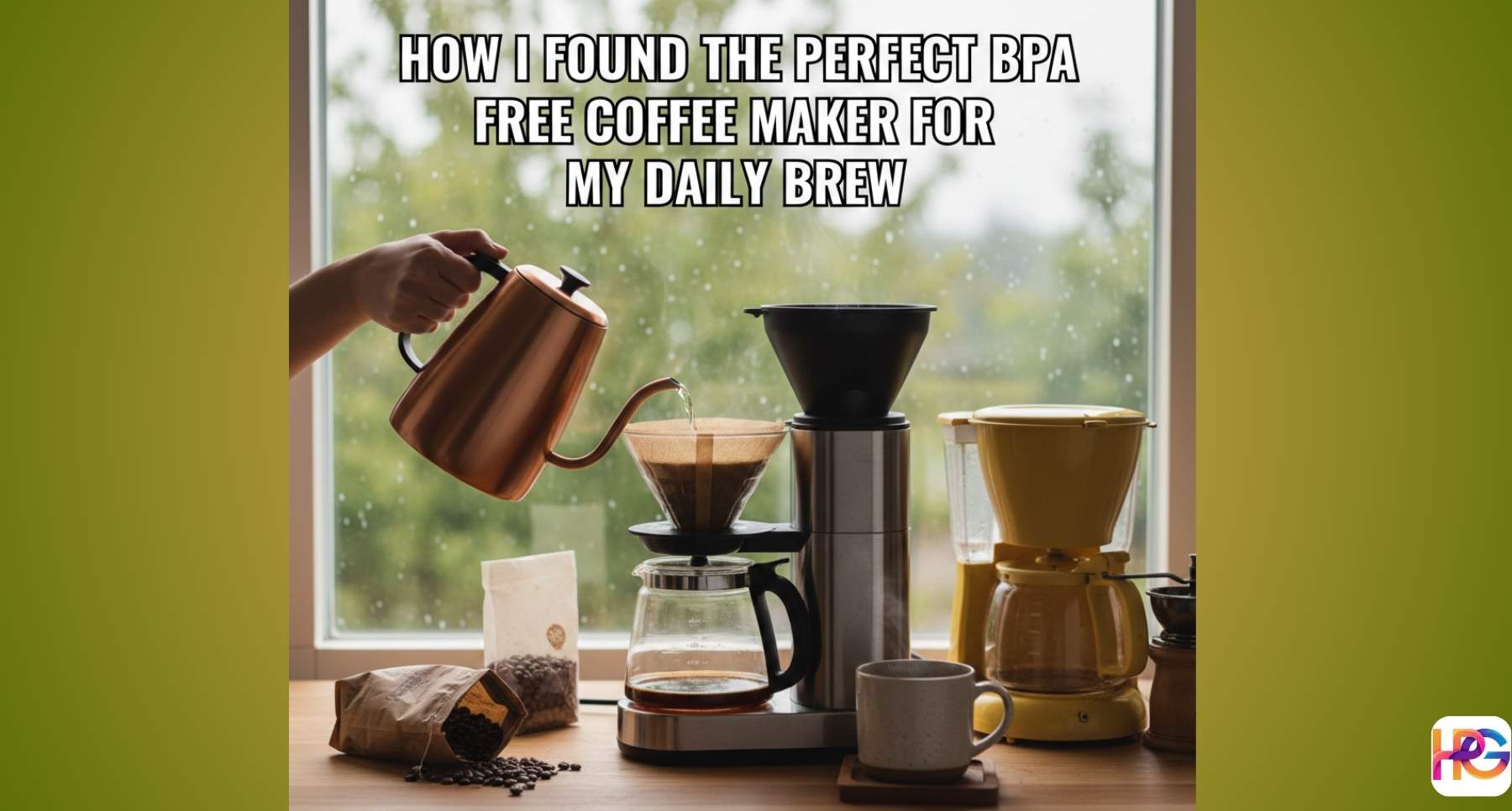
Next, I decided to go entirely plastic free. I bought a glass pour over device. It was a beautiful piece of thick glass with a wood collar. It looked like art on my counter. I also bought a simple metal kettle to heat my water on the stove.
The coffee I made with this glass setup was amazing. It was pure. It tasted exactly like the roasted beans. There was no bad smell. But there was one big problem. It took too much time. On a busy workday morning, I did not have ten minutes to stand and pour water slowly. I loved the taste, but I missed the easy push of a button.
Finding the Right Electric Machine
I went back to my laptop. I searched for premium machines. I wanted the ease of electric power with the safety of glass. I discovered that a few high end brands make exactly what I needed. They cost a lot more than my old cheap unit. But I viewed it as an investment in my daily health.
I found a machine made mostly of stainless steel and heavy glass. The water tank was made of clear glass. The tube that carried the hot water was made of glass too. The only plastic was the filter basket. And that basket was made of high grade safe plastic. It was designed to handle high heat without melting or leaching.
Pure Taste and Peace of Mind
The day the new machine arrived was a happy one. I set it up and ran my water test. I smelled nothing. There was no hot plastic scent at all. The plain water tasted like plain water. I was thrilled.
I brewed my first real batch. The machine was quiet. It worked fast. The coffee it produced was smooth and rich. All the bitter chemical notes were gone completely. I could taste the chocolate and berry flavors in my beans. It felt like I was drinking real coffee for the very first time at home.
Data on Coffee Maker Materials
I want to break down the exact parts of my safe setup. It helps to see exactly where the water travels. If you know the path of the water, you know where the danger spots are. Here is the breakdown of the parts that matter most.
| Machine Part | Ideal Material | Why It Matters |
| Water Reservoir | Glass or Tritan | Stores water before heating |
| Heating Tube | Copper or Steel | Gets the most direct heat |
| Shower Head | Stainless Steel | Sprays boiling water on grounds |
| Filter Basket | Safe Grade Plastic | Holds the wet hot grounds |
| Carafe | Glass or Thermal Steel | Holds the final hot drink |
If you look for a machine that fits this list, you will be in great shape. You will avoid all the bad chemicals.
Tips for Testing Your Current Setup
You might be wondering if your current machine is safe. You can do a simple test at home today. Empty out any old coffee grounds. Wash the pot with mild soap and rinse it well.
Fill the tank with fresh filtered water. Turn the machine on and let it run a full cycle with no coffee. Just brew plain hot water. Pour a mug of that hot water. Step away from the kitchen to get fresh air in your nose. Now smell the water in the mug. Does it smell strange? Let it cool to room temperature. Take a sip. If it tastes bitter or feels heavy, your machine is likely leaching chemicals.
How to Clean Without Chemicals
Once you get a safe machine, you need to treat it right. Do not use harsh chemical cleaners to wash it. That ruins the whole point of having a safe brewer.
I keep things very simple. Once a month, I mix white vinegar and clean water. I pour it into the tank. I run the machine halfway and then turn it off. I let it sit for an hour. The vinegar breaks down all the hard water minerals. Then I turn it back on to finish the cycle. After that, I run two pots of plain fresh water to wash the vinegar taste away. This keeps my machine perfectly clean. It is cheap, natural, and highly effective.
Finding the Joy in the Daily Routine
Making the switch took some time and effort. I had to read a lot. I had to test things out. I even wasted a little money on that first bad machine. But the result has been totally worth it.
Every morning is better now. I do not worry about hidden toxins in my cup. I do not have to hold my breath when the water heats up. I just walk into my kitchen, press a button, and enjoy the pure aroma of fresh grounds.
If you are thinking about upgrading your kitchen gear, start with your brewer. It is something you use every single day. A safe BPA free coffee maker is not just a fancy gadget. It is a tool for better living. Trust your nose. Trust your taste buds. Pay attention to the materials. Taking these small steps will make your morning routine much safer and much more tasty. You will never want to go back to cheap plastic once you taste the difference.
Common Questions About Safe Coffee Tools
Does a BPA free coffee maker still have a plastic smell?
A high-quality BPA free coffee maker should not smell like chemicals. If you smell plastic, the internal tubes might be cheap. Better brands use glass or copper water paths.
Can I find a stainless steel brewer that has no plastic parts?
Yes, tools like a French press or a Moka pot are often all metal. These manual tools ensure hot water never touches any plastic. They are very durable and last for years.
Is polypropylene a safe plastic for a hot filter basket?
Polypropylene is a very safe tool for brewing. It can handle high heat without melting or leaching. It is the best choice for parts that must be made of plastic.
Will a glass water tank break easily in a busy kitchen?
Glass tanks are thick but can break if they fall. If you want a tough tool, look for a Tritan plastic tank. It looks like glass but is very hard to crack or shatter.
How do I know if my old machine is leaching chemicals?
Run a cycle with only plain water and smell the steam. If the hot water tastes like rubber or plastic, the machine is not safe. It is time to upgrade to a cleaner tool.