How Often Should You Change Your Air Purifier Filter?
It was a dark and rainy Sunday here in Alabama. I sat at my desk to write a new post for my bedding blog. The rain tapped on the glass. Then, I heard a strange sound from the corner.
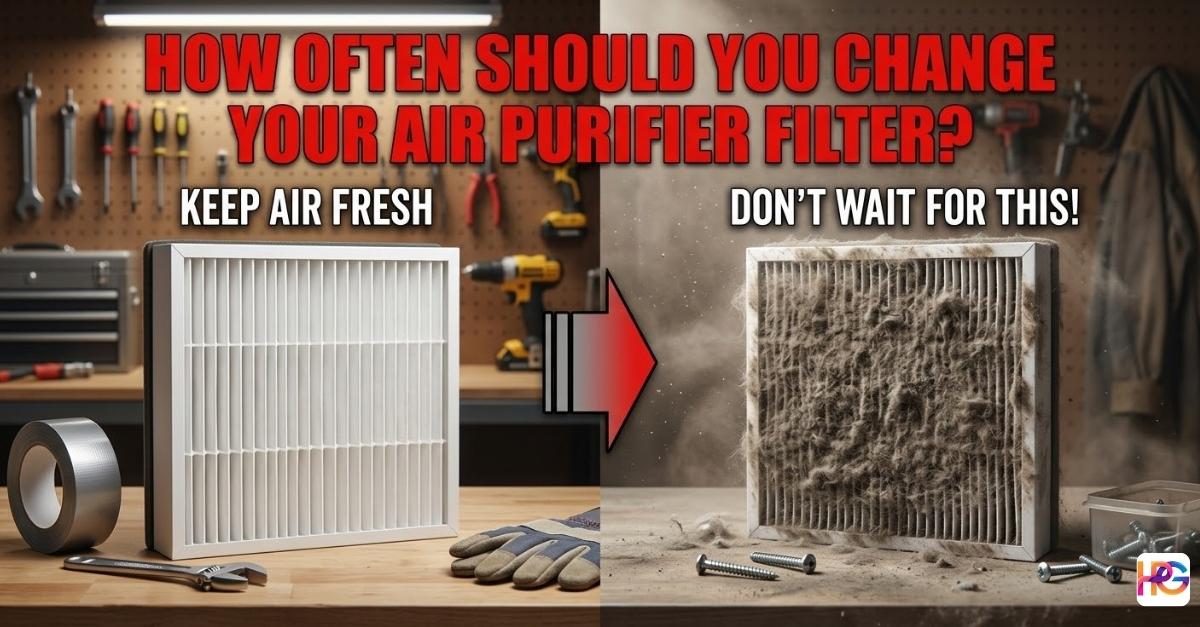
My air purifier was making a high whine. It sounded like a tiny jet engine. I put my hand near the vent to feel the breeze. The air felt weak and thin. Something was clearly wrong. After pulling off the front cover, a thick layer of gray dust came into view.
It looked like a wool sweater was stuck inside. This was my first real lesson. I had to learn how to fix it.
My First Clue: Signs Your Filter Is Clogged
Most people wait for a red light to blink. I used to do the same thing. But that light is just a simple timer. It does not know how much dust is in your room. You must look for physical signs.
A loud motor is a big red flag. When the filter is full, the fan works harder. This creates a strained hum or a whistle. If your machine is noisy, check the inside right away.
I also noticed a faint and musty smell. The air did not feel fresh or crisp. When the carbon layer is full, it stops catching odors. It might even start to smell like old socks.
Poor airflow is the most common sign of a clogged filter. I used to feel a strong gust from my unit. Now, it was just a tiny puff of air. This meant the tiny pores were all blocked up.
Physical Signs of a Full Filter
| Symptom | Cause | My Real Experience |
| High Noise | Motor strain | Sounded like a buzzing bee |
| No Breeze | Blocked pores | Could not blow a paper scrap |
| Old Smell | Saturated carbon | Smelled like a damp basement |
| Gray Surface | Dust build-up | Looked like dark gray velvet |
The Battle of the Layers: Pre-Filters vs. True HEPA
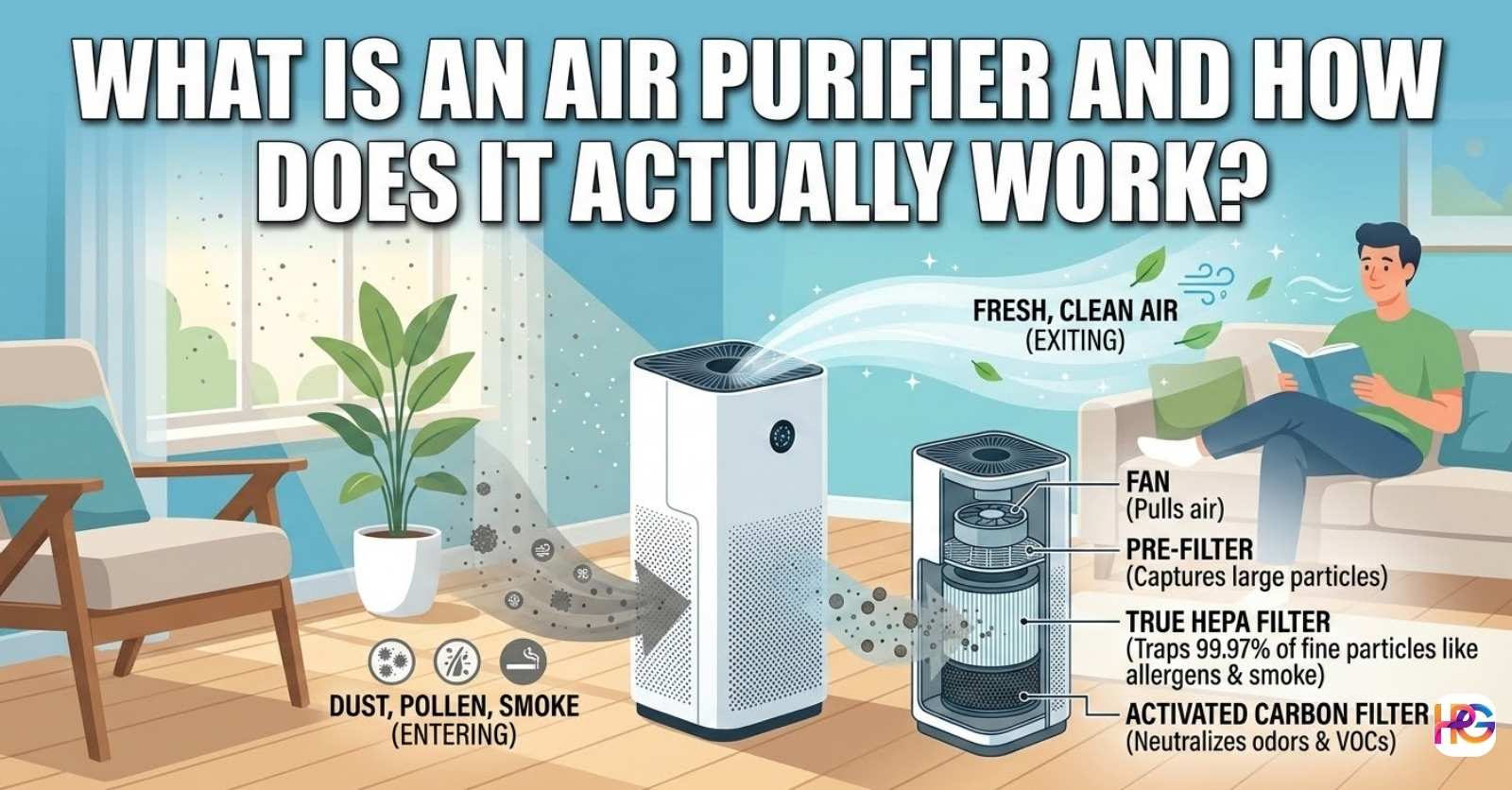
I once thought a filter was just one piece. I was wrong about that. Most good units have three different parts. Each part has a very special job to do.
The first part is called a pre-filter. It looks like a fine screen or mesh. This layer catches hair and big dust bunnies. It saves the more expensive parts from getting full too fast.
The next part is the True HEPA filter. This is the most important piece of the unit. It catches tiny things like smoke and pollen. These bits are too small for the eye to see.
I keep my unit near my desk to stay focused. If the HEPA part is dirty, my eyes start to itch. This is a sign that the tiny fibers are full. I have to replace it to feel better.
Why Washing a HEPA Filter Is a Huge Mistake
About a year ago, I tried to save money by cleaning a dirty filter in the bathroom sink using cool water and a soft brush. At the time, it felt like a smart and thrifty decision.
The filter looked clean when I was done. But when it dried, the fibers felt stiff. I put it back in the machine and turned it on. The air did not feel clean at all.
I learned that water ruins the tiny web of fibers. It creates micro-tears that you cannot see. Dust flies right through these new holes. The filter becomes a useless piece of wet paper.
Worse yet, I noticed a sour smell the next day. The thick material stayed damp in the middle. Mold started to grow deep inside the folds. I was blowing mold spores into my own home.
The Risks of Using Water
- Tiny fibers clump together when they get wet.
- Water creates gaps that let allergens pass through.
- Damp filters become a home for germs and mold.
- The motor will overheat trying to pull air through.
Setting a Realistic Timeline for Your Home
You might ask how often should you change your air purifier filter in a normal home. The answer depends on your daily life. If you have pets, you will need to change it more often.
I live in a busy part of Alabama with lots of dust. I have to swap my HEPA filter every six months. If I lived in a quiet woods, it might last a full year. You must check it yourself.
I use a simple rule for my pre-filters. I clean them every two weeks without fail. This keeps the big dust away from the HEPA layer. It saves me a lot of money every single year.
The carbon layer is different from the rest. It traps gases and smells from the kitchen. If you cook with a lot of oil, change it every four months. This keeps your house smelling fresh and clean.
My Suggested Change Schedule
| Filter Type | Task | Frequency |
| Mesh Screen | Vacuum or wash | Every 2 weeks |
| Carbon Sheet | Replace | Every 4 months |
| True HEPA | Replace | Every 8 months |
| Main Unit | Wipe down | Once a month |
Maintenance Tips from a Technical Blogger
I have a few tricks to help you stay on track. One of the best things is a permanent marker. I write the date on the side of every new filter. This way, I never have to guess.
I also check the rubber seal every time. If the seal is loose, air will leak out. This means the dust will bypass the filter entirely. Make sure the fit is tight and snug.
I learned another lesson near my uncle’s meat shop. Greasy air is the enemy of any air purifier. If you put your unit near a stove, the oil will coat the fibers. This will ruin a new filter in just a few weeks.
Keep your machine at least three feet from any wall. It needs space to pull in the air from all sides. If it is tucked in a corner, it will not work well. It might even burn out the motor.
Choosing the Right Replacement Filters
When you shop for parts, you will see many cheap options. These are often called “HEPA-type” filters. They look like the real thing, but they are not. They do not meet the high standards for clean air.
I tested a cheap filter last summer. It had fewer folds than the original part. This means it has less surface area to trap dust. It lasted only three months before it was full.
A True HEPA filter is worth the extra cost. It traps 99.97% of the tiny particles in the air. If you have asthma, do not settle for less. Your health is worth the few extra dollars.
Check the weight of the filter when you buy it. A heavy filter usually has more carbon and better fibers. A light filter is often thin and weak. It will not do a good job for long.
Final Thoughts on Keeping Your Air Clean
Taking care of your machine is a simple task. It only takes a few minutes of your time. But it makes a huge difference in how you feel. A clean home is a happy home.
That rainy day in Alabama taught me a lot. These days, the machine’s sounds tell me a lot. A quick look for gray dust on the cover is enough, and there’s no need to wait for a warning light anymore.
Change your filters on time to save your motor. You will breathe better and sleep deeper. It is the best thing you can do for your indoor air quality. I hope my story helps you stay healthy.
Expert Maintenance: Your Air Purifier FAQ
After my rainy afternoon fixing my own unit in Alabama, I had a few more thoughts. I know many of you keep your gear in a workshop or a garage. Here are some quick answers to the most common questions I get about tool maintenance and filter care.
Can I use a shop vac to clean a HEPA filter?
Using a powerful shop vac can pull on the delicate fibers. It may cause tiny tears that you cannot see. This lets dust leak back into your home and ruins the unit.
Is it safe to store spare filters in a cold garage?
Store your spare filters in a dry place inside the house. Cold or damp garages can make the paper fibers weak. This helps them last longer when you finally need them.
Why does my new Dyson filter smell like plastic?
New filters often have a plastic scent from the factory. Run your Dyson on high for an hour to clear it out. The smell should go away very quickly and stay fresh.
Can I use a Milwaukee blower to dust the unit?
A high-power leaf blower can damage the sensitive internal sensors. Use a soft brush or a low-power handheld vacuum instead. This keeps your machine safe and very clean.
Will a generic filter work in my Coway machine?
Check the filter dimensions and the gasket seal before you buy. A poor fit lets dirty air bypass the HEPA layer. This ruins the whole point of having a clean purifier.