How to Fix a Cloudy Blender Pitcher and Restore Tritan Plastic
I love making fresh food at home. A good blender is a kitchen must-have. You throw in sweet fruits, cold ice, and fresh greens. Out comes a perfect, smooth drink. But then the clear plastic gets dull. The shiny sides turn a milky white color. It looks quite dirty even after a good wash. I really hate that foggy look. It makes me not want to use my machine at all. You probably feel the exact same way.
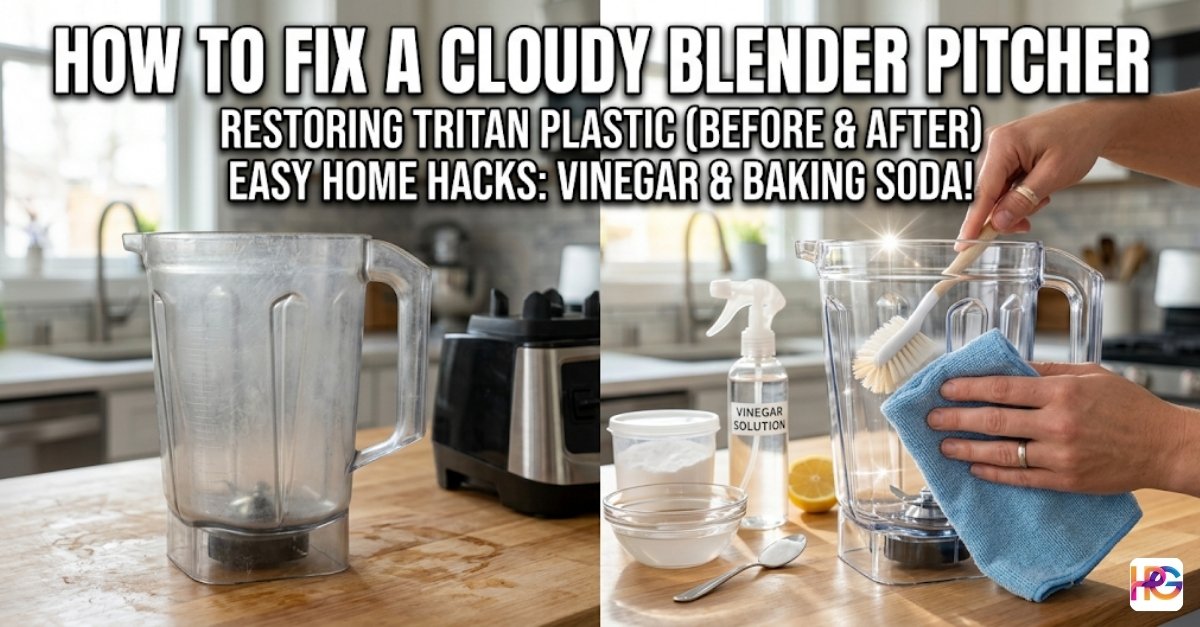
Let me tell you how to fix a cloudy blender pitcher. You do not need to buy a brand new one. You can restore that Tritan plastic fast. It takes just a little bit of work. I will show you exactly what to do.
My Foggy Blender Pitcher Story in Texas
Last summer, I spent a long month in Austin, Texas. It was a very hot Tuesday afternoon. I wanted to make a cold fruit drink. Planning fun recipes for my site, Home Pick Guide, is my daily job. I grabbed the blender from the rental house cabinet. The pitcher looked terrible. It had a thick, white film on the whole inside.
I rubbed it with my thumb. The plastic felt rough and chalky to the touch. It smelled a bit like old, stale garlic. Yuck. Drinking from that dirty thing was impossible. I felt a wave of gross sadness. The sun was hot and I wanted my drink. Cleaning it had to happen first.
My brain went right to work. My name is Hasan, and I test home tools all the time. Blenders are my top favorite kitchen items. I knew I could fix this cloudy mess. It just takes the right simple steps. I tried a few silly things that failed. Then I found the true method that actually works. I will share my big wins and my sad fails with you today.
Why Does Tritan Plastic Get So Cloudy?
You really need to know why this gross fog happens. Tritan plastic is a very tough material. It does not crack or break easily. Top brands use it for this very smart reason. But it is not a magic material. It can still get hazy over time. Three main bad things ruin the nice clear look.
Hard Water and White Minerals
Many homes have very hard tap water. Austin has extremely hard water. This water holds tiny rocks and minerals like calcium. You wash your nice blender and let it drip dry. Plain water goes away into the air. The white hard minerals stay behind. They stick hard to the plastic sides. Over time, this builds a thick white fog. You cannot just wipe it off with a towel.
Food Oils and Dark Stains
Some yummy foods leave thick, sticky oils. Think about sweet peanut butter or sour citrus skins. Bright yellow turmeric is also very bad for clear plastic. These oils grab and cling to the pitcher walls. Normal dish soap does not cut through them well. A dull yellow haze forms after many uses. Your machine looks old before its time.
Tiny Scratches From Hard Food
Blenders spin very, very fast. Hard ice cubes and frozen berries hit the plastic hard. This makes tiny little cuts in the clear sides. We call this bad action etching. These small cuts trap food dirt. They also block the room light. Your pitcher will look frosted forever if it gets deeply scratched. You must be very careful with hard foods.
The Dangers of High Heat
Heat is a huge enemy of clear plastic. You might blend very hot soups. Boiling hot liquids expand the plastic walls. They open up the tiny pores in the material. This lets food colors sink deep inside. Once the color gets inside, it is trapped. Your pitcher gets a permanent yellow haze. You cannot scrub this out later. Always let hot food cool down first. Your blender will stay clear much longer.
Methods I Used to Fix the Cloudy Plastic
I wanted a clean, shiny blender fast. I tested a few simple pantry items. You likely have these things in your kitchen right now. I like to use natural things. Harsh chemicals are scary near food. Here is a quick look at my home tests.
| Cleaning Trick | Time Needed | Did It Work Well? | Best Used For |
| White Vinegar Soak | 4 Hours | Yes, very well | Hard water stains |
| Baking Soda Paste | 30 Minutes | Yes, good scrub | Bad food smells |
| Lemon Juice Mix | 1 Hour | Just okay | Light new fog |
| Hot Water Only | 5 Minutes | No, failed bad | Nothing at all |
Let us dive right into the best ways to clean the plastic. These simple steps saved my hot morning plans. They will help you save your machine too.
The White Vinegar Soak That Works
This is my top secret trick. Plain white vinegar is a mild acid. Mild acids easily melt away hard water rocks. They also cut through gross old food grease. It works like a pure charm every single time.
First, pour one full cup of white vinegar inside the jug. Fill the rest of the jug with warm tap water. Do not use hot boiling water. Boiling hot water can warp and melt the plastic. Let this sour mix sit on your counter. I left mine soaking for four long hours. You can even leave it there safely overnight.
After the long wait, dump the sour liquid out down the sink. Wash the jug with nice mild dish soap. Use a very soft, clean sponge. Rinse it out with clean, fresh water. Dry it with a soft cloth right away. The ugly fog should be fully gone. Your plastic will shine in the light.
The Baking Soda Scrub for Stubborn Fog
Sometimes plain vinegar is not strong enough. You might need a little extra scrub power. Baking soda is great for this hard job. This powder is slightly gritty. It will not scratch the thick plastic walls. It also pulls out awful, old food smells.
Put a few big spoons of baking soda in a small bowl. Add a tiny bit of warm water. Stir it up until it makes a thick, white paste. Rub this wet paste inside the dirty blender jug. Make sure to cover the worst cloudy spots well. Let the thick paste sit for twenty whole minutes.
Next, take a very soft wash brush. Gently scrub the inside walls. Never ever use sharp steel wool. Steel wool pads will ruin the plastic so fast. Rinse all the white paste away with water. Your pitcher will look so much brighter and better.
Things That Failed to Clean My Pitcher
I want to be very honest with you today. Not every clean idea is a smart idea. I tried some really unwise things in my past. I want to save you from my silly mistakes. Doing the wrong thing can break your expensive machine.
Using Harsh Chemical Bleach
I once poured strong bleach into a foggy plastic cup. My hope was to make it look clear and new. The chemical did not work well at all. It just made the plastic smell like a public swimming pool. Strong bleach does not remove hard water crust. Bleach is also quite dangerous to put near your fresh food. Just skip the bleach forever. It is a bad choice.
The Hot Dishwasher Mistake
Many big brands say their parts are fully dishwasher safe. Do not believe those false claims. The home dishwasher is a clear plastic killer. Wash water gets far too hot. The wash soap is very rough and gritty. It acts just like wet, liquid sandpaper.
Putting your nice pitcher in there will make it cloudy fast. I ruined a very good blender this way back home in Jashore. Being lazy cost me a high price. Wash your blender parts by hand every single time. It takes just a minute and saves your gear.
How to Keep Your Blender Pitcher Clear
Fixing the gross fog is a good first step. Stopping it from coming back is much better. A few easy simple habits will keep your machine looking brand new. You just need to slightly change how you wash it.
Wash It Right Away Every Time
Never let old dirty food sit in the jug. Fruit smoothies dry up very fast. They turn into hard cement on the clear plastic. As soon as you pour your cold drink, act fast. Put some warm tap water right into the empty pitcher. Add just one small drop of dish soap.
Put the jug back onto the motor base. Turn the main power on for thirty fast seconds. The machine cleans itself with the spinning soapy water. Dump the dirty soapy water out. Give it a fast rinse under the sink. You are all done in one short minute.
Dry It Upside Down on a Towel
Wet water drops leave bad white spots. If you let it air dry facing straight up, water pools at the flat bottom. This leaves thick white rings around the sharp metal blades. Always dry it upside down so the water falls out.
Better yet, use a soft, clean towel. A soft microfiber cloth is perfect for this job. Wipe it fully dry right after you wash it. This stops the water rocks from sticking to the plastic. It is a very easy step to take.
Layer Your Food the Right Way
How you fill the blender jug really matters a lot. Do not put hard ice chunks in first. Hard heavy items bang around and scratch the bottom plastic. Always pour your wet liquids in the jug first. Add soft things like bananas next.
Sometimes I add my fresh sourdough starter discard in the middle. It makes great fluffy pancakes later. Put the heavy cold ice on the very top. The bottom liquid helps the sharp blades spin smooth and fast. The top ice gets pulled down slowly and safely. This one simple trick stops so many ugly scratches.
Use the Right Cleaning Tools
Your cleaning tools matter just as much. Rough green scrub pads are terrible. They feel soft but they scratch plastic fast. I only use soft blue sponges now. A bottle brush with soft silicone bristles is also great. Reaching the bottom safely is easy. Do not use stiff nylon brushes. Treat the clear plastic like a fancy pair of eyeglasses. You would not scrub your glasses with a hard brush. Treat your blender the exact same way.
Final Thoughts on Restoring Your Blender
You do not have to live with a sad, cloudy blender. A little cheap vinegar goes a very long way. Simple baking soda fixes the rest of the mess. It takes just a little bit of free time. The clear results are always fully worth it.
Your fresh drinks will seem to taste even better. Your home kitchen will look much nicer too. Clean tools make cooking much more fun. Nobody likes to use gross gear.
I fixed that dirty blender down in Texas. My cold fruit smoothie tasted so great that day. I felt very proud of my fast cleaning work. Try these easy steps at your home today. Go check your dark kitchen cabinets right now. You already have everything you need to win.
Say a happy goodbye to the ugly fog. Enjoy your nice crystal clear plastic once again. It feels great to save money and fix things. You have the power to do it today.
Frequently Asked Questions
Why is my Vitamix or Ninja blender pitcher getting cloudy?
Hard water and food oils stick to the plastic over time. This builds a white film that hides the clear shine of your tough Vitamix or Ninja blender jug.
Is it safe to blend food in a cloudy plastic pitcher?
Yes, fog from water is safe, but deep cuts can hide germs. Use a vinegar soak to kill bad germs and keep your kitchen tools clean for daily use.
Can I use a power buffer to clear the foggy plastic?
No, do not use power tools or car polish on your pitcher. Those chemicals are not food safe and the high heat can melt the Tritan plastic very fast.
Does heat in a garage shop make the cloudiness worse?
Yes, high heat opens up the pores in the plastic. This lets food stains sink in deep, making it very hard to get that crystal clear look back again.
How do I stop my blender jug from getting scratched?
Put your liquids in the jug first and ice on the top. This simple trick stops hard frozen food from hitting the plastic walls at very high speeds.