How I Clean My Air Purifier Pre-Filter the Right Way (And Mistakes I Made)
It was a sunny Tuesday morning. The light hit my living room just right. I saw tiny dust specks floating everywhere. My air purifier was humming in the corner. It sounded a lot louder than usual. I walked over and opened the front panel. A thick grey blanket of dust stared back at me. I felt a little embarrassed. Running a home tips website means I should know better. Yet here I was neglecting my own machine. That moment taught me a big lesson. A better routine was absolutely necessary. I will show you exactly how to clean an air purifier pre-filter the right way. This guide shares my real home routine. You will also hear about some foolish mistakes I made along the way.
Why My Pre-Filter Gets Dirty So Fast
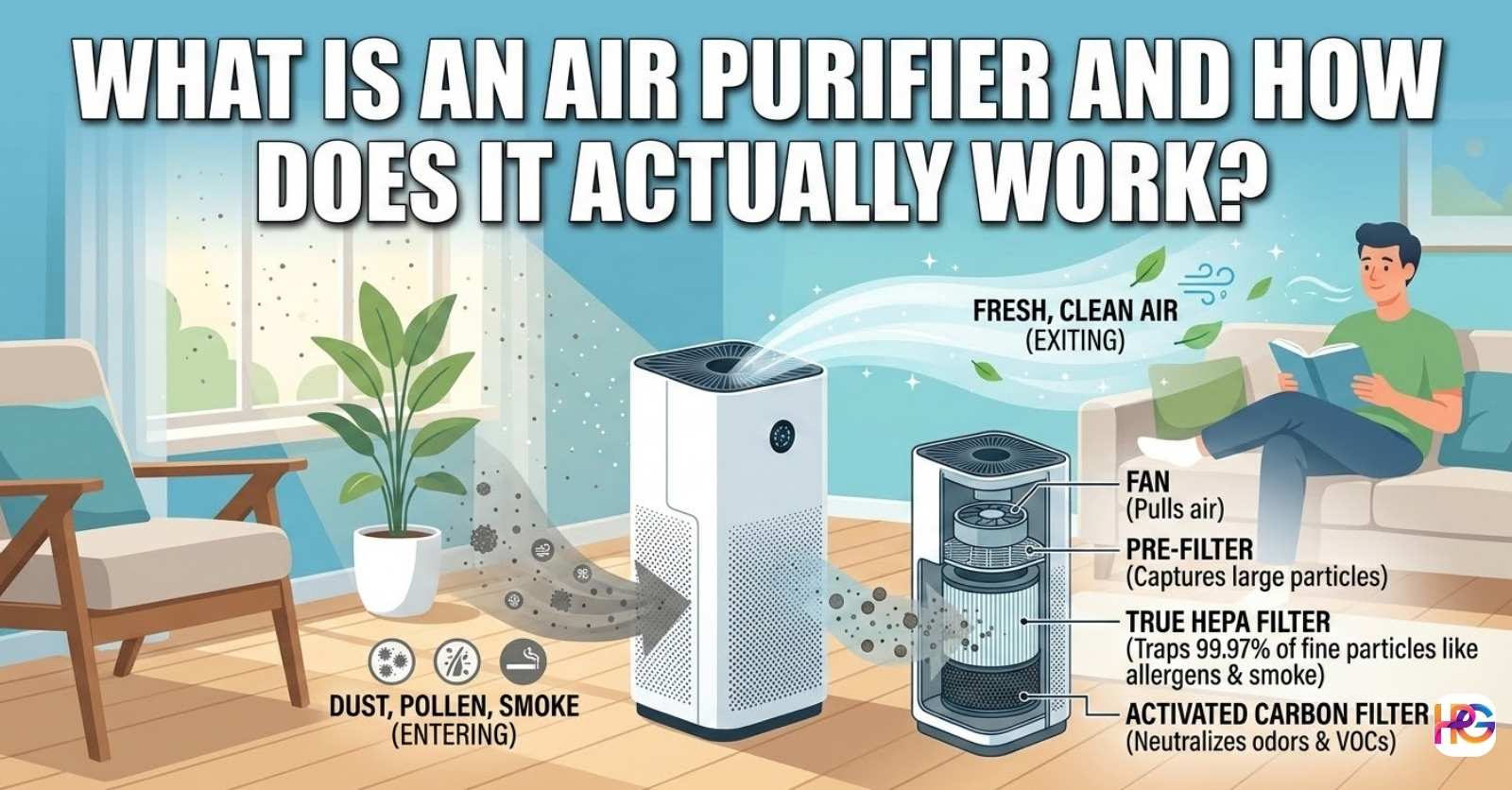
You might think a dirty filter means bad air. That is only half true. A clogged pre-filter actually means your machine is doing its job. The pre-filter is the front line. It catches the big stuff. This protects the expensive HEPA filter inside.
My house gets dusty fast. We leave the windows open on nice days. Thick rugs in our rooms also shed lint. Those fibers float up into the air. The purifier sucks them right in. Pet hair is another huge factor. If you have a dog or cat, your filter will fill up in days. I noticed this firsthand last winter. We kept the house closed up tight. The heater blew dust around constantly. My pre-filter looked like a furry animal after just one week.
This first layer traps things you can actually see. It catches hair, lint, and large dust clumps. Stopping them from ruining the delicate paper pleats is vital. Think of it like a screen door. It lets fresh air through but stops the bugs.
How Often I Actually Clean the Pre-Filter
People always ask me about timing. The manual usually says to clean it once a month. I find that is simply not enough. My personal rule is to check it every two weeks. I even made a small chart to keep track.
My Household Cleaning Schedule
| Household Type | Checking Frequency | Cleaning Method |
| Lots of pets | Every 1 week | Vacuum |
| Normal dust | Every 2 weeks | Vacuum or Wash |
| Clean and empty | Every 4 weeks | Light Vacuum |
Your home is unique. A different schedule might work better for you. I suggest checking it every Saturday morning for a month. See how much dust builds up. You will quickly learn your own home rhythm. Letting it go too long is a bad idea. The motor has to work much harder to pull air. This wastes power. Lowering the clean air delivery rate is a huge problem. We call this CADR in the testing world. A blocked machine simply cannot clean your room.
The Simple Tools I Use for the Job
You do not need fancy gear to do this. I keep my cleaning kit very basic. Storing these items in a small bin under my sink helps.
- A vacuum cleaner with a hose.
- A soft brush attachment for the vacuum.
- Mild liquid dish soap.
- A clean and dry microfiber cloth.
- A soft toothbrush for tight corners.
I used to try wiping the dust with a dry paper towel. That was a huge mistake. The towel just pushed the dirt deeper into the mesh. Ripping the paper towel into tiny shreds made a bigger mess. Now I only use the vacuum or water. These specific tools keep the mesh safe. They also make the job fast.
Vacuuming vs Washing My Pre-Filter
You have two main choices for this chore. A vacuum works great for dry dust. Washing with water handles the sticky mess. I use both methods depending on the day. Your manual is the first thing you must check. Some models use a carbon foam layer. Water will completely ruin carbon filters.
When I Use the Vacuum
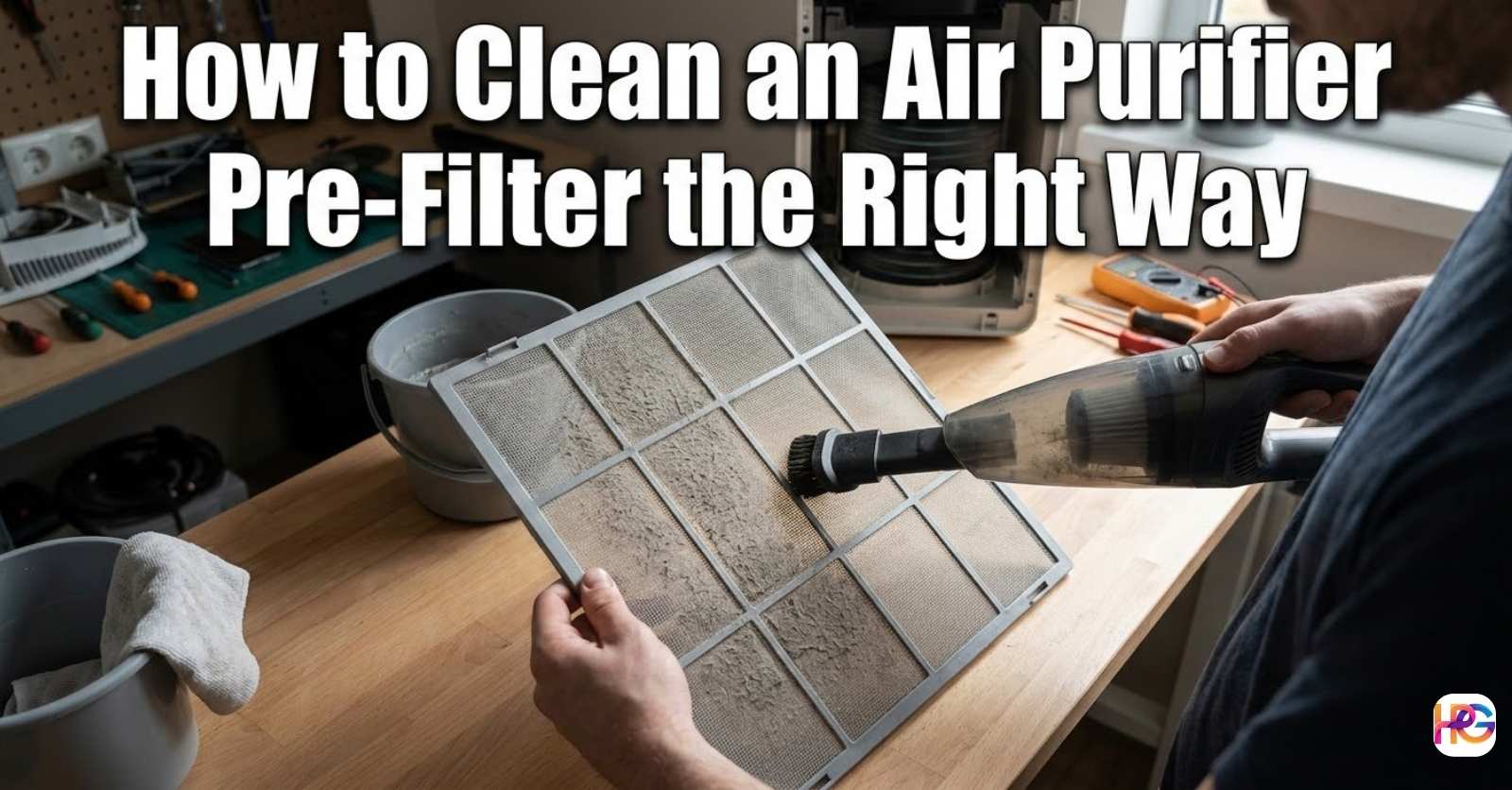
Vacuuming is my favorite method. It takes about two minutes. I do this every other Sunday. Unplugging the machine first is important for safety. Then I pop off the plastic front cover. Attaching the soft brush tool to my hose comes next. I turn the suction to the lowest setting.
I gently glide the brush over the mesh screen. Watching the grey fuzz disappear is fun. It is very satisfying to see. Going top to bottom in straight lines works best. This pulls the lint out of the tiny holes. Vacuuming does not remove sticky dirt. It only grabs loose dust and hair. Putting the cover back on takes two seconds. The machine sounds quiet and happy again.
When I Wash It With Water
Sometimes vacuuming is not enough. Kitchen grease can make dust stick to the screen. I learned this when I moved my purifier near the stove. The dust turned into a thick sticky paste. The vacuum did absolutely nothing to help.
That is when I wash it. Washing is strictly for plastic mesh filters only. I take the dirty filter to the kitchen sink. Lukewarm water poured over the mesh works best. The flow pushes the dirt right off. Stubborn grease might need one drop of dish soap. I rub the soap gently with my fingers. Scrubbing hard is never a good idea. Rinsing continues until the water runs totally clear.
My Strict Drying Rule
This is the most important part of washing. Complete drying is an absolute must. I learned this the hard way last year. Rushing before a party caused a big issue. I washed the filter and shook it off. It felt mostly dry to the touch. Putting it back into the machine seemed fine.
Two days later, the room smelled like wet socks. The damp mesh trapped moisture inside the unit. Mold started growing on the HEPA filter. Throwing the expensive HEPA filter in the trash hurt my wallet. It was a costly error. Now, I let the washed filter sit in the sun for a full day. Waiting 24 hours before putting it back is my rule. It must be bone dry. No exceptions.
Mistakes I Made When I Started
I want to share my failures so you can avoid them. I did a lot of things wrong in the beginning. Cleaning an air purifier pre-filter seems easy. Tiny errors can cause big problems though.
First, I used a stiff scrub brush to clean the screen. Thinking scrubbing harder meant a cleaner filter was a mistake. The stiff bristles stretched the plastic mesh badly. It tore a small hole in the corner. A torn pre-filter is completely useless. Dirt flies right through the hole and hits the HEPA layer. Buying a replacement screen was annoying. Always use a very soft touch.
Second, I sprayed household cleaner right onto the mesh. I used a strong window spray with a harsh smell. The machine sucked those fumes right in. Turning it on made the whole room smell like chemicals. It gave me a terrible headache. You should never use strong cleaners. Plain water is truly all you need.
Third, I forgot to clean the front plastic cover. The pre-filter sits behind a cover with slits. Those slits get clogged with dust too. I used to clean the mesh and ignore the cover. The machine still choked for incoming air. Now I wipe the plastic vents with a damp cloth every time.
How Keeping It Clean Helps the HEPA Filter
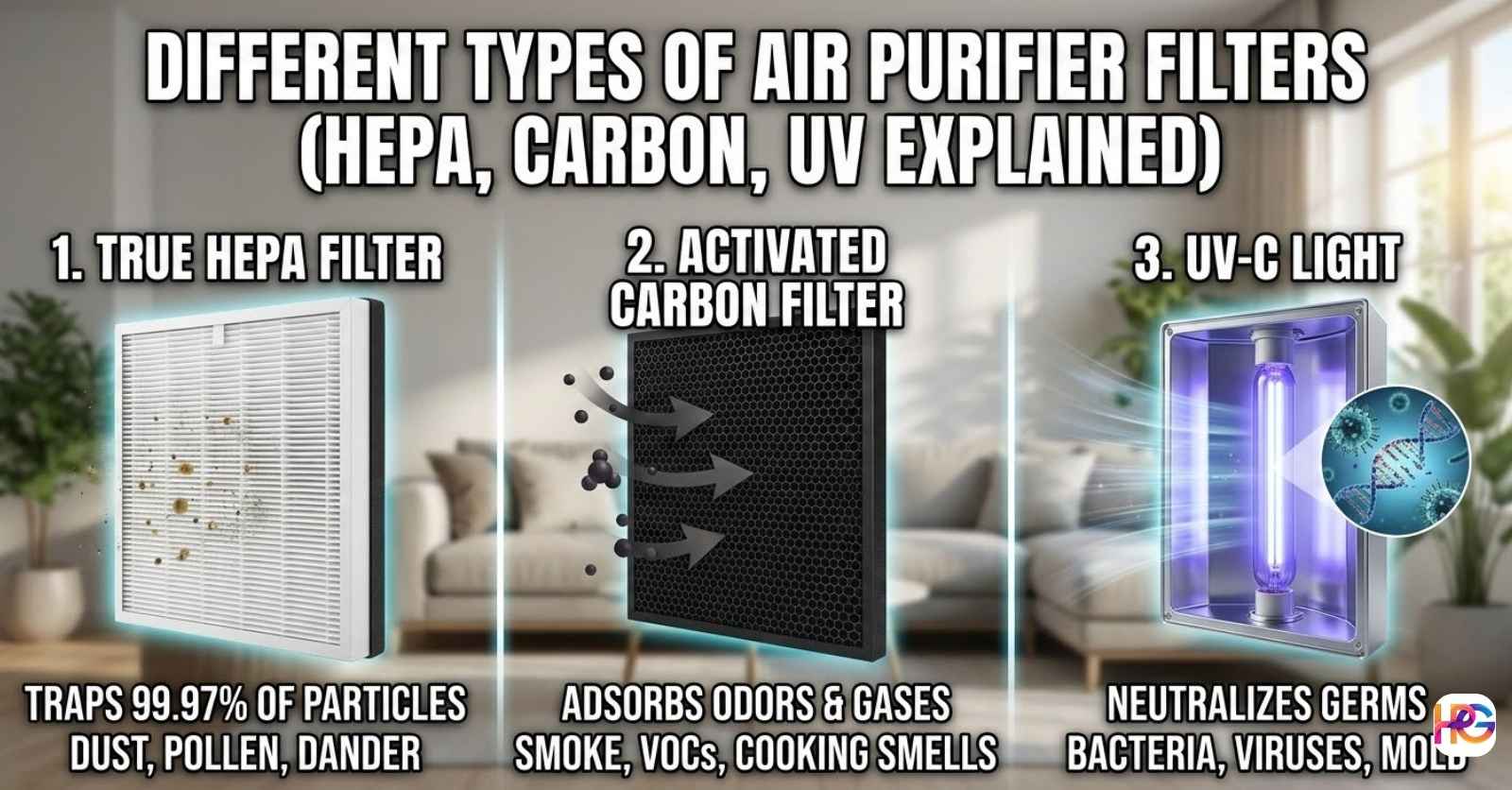
The HEPA filter is the star of the show. It traps tiny things like pollen and smoke. We measure these particles in microns. A true HEPA filter catches things down to zero point three microns. That is incredibly small.
These main filters are expensive to replace. You want them to last a full year or more. A dirty pre-filter lets large lint bypass the guard. The lint clogs the tiny HEPA paper folds fast. Once the HEPA is clogged, the machine is dead weight.
Filter Lifespan Comparison
| Filter Type | What It Catches | Average Lifespan |
| Pre-Filter | Hair, Lint, Big Dust | Lasts forever if cleaned |
| Carbon Filter | Smells, Smoke, VOCs | 3 to 6 months |
| HEPA Filter | Pollen, Fine Dust | 6 to 12 months |
Taking five minutes to clean the front layer saves money. You stretch the life of the inner filters. Your home air stays fresh and clean.
Where I Put My Purifier Changes Everything
Where you place your machine changes how fast it gets dirty. I learned this by moving my units around the house. I used to keep one tucked tightly in a corner. It looked nice hiding behind a big chair. Gathering dust was almost impossible there. The air flow was totally blocked by the furniture.
Then I moved it out into the open space. I placed it near the doorway of my bedroom. The difference was massive right away. The machine suddenly caught all the dust blowing down the hall. My screen turned grey in just five days. It proved the machine was finally working right.
Do not hide your purifier in a tight corner. Pull it away from the wall. Give it at least one foot of open space on all sides. Breathing room is needed to clean the room. Yes, it will get dirty much faster. But that means your air is getting cleaner faster too. I gladly vacuum the screen more often for better health.
Creating a Routine That Works
I am a very busy person. I hate adding new chores to my list. But this specific chore is worth the effort. Tying this task to an existing habit helped me. Every other Sunday, I water my house plants. While I have the watering can in my hand, I look at the purifiers.
I walk over and check the screens. If they look fuzzy, I grab the vacuum. Taking just a few extra moments is easy. This small habit keeps my air quality top notch. Breathing better at night is a huge plus. My allergies bother me far less nowadays. Less dust settles on my wood tables too.
Taking care of your air purifier is simple once you know how. It just requires a little bit of attention. Look at the screen often. Vacuum the loose dirt away. Wash it only if it gets sticky. Let it dry completely in the sun. Avoid harsh soaps and stiff brushes completely.
These machines work hard to keep our lungs healthy. They pull silent triggers out of the air we breathe. Giving them a quick cleaning is the least we can do. I hope my story helps you keep your machine running great. You will save money on extra parts. Enjoying a much cleaner home is the best reward. Go check your filter right now. You might be surprised by what you find.
Workshop & Garage FAQs: Air Purifier Pre-Filters
Can I use a shop vac to clean my air purifier pre-filter?
Yes, a good shop vac works great for this job. Just use the soft brush tool on a low setting. This pulls thick garage dust off the air purifier pre-filter fast.
How often should I clean my shop air purifier pre-filter?
You should check it every week if you cut wood. Sawdust clogs the mesh very fast in a busy shop. A clean air purifier pre-filter keeps your motor running cool.
Will a hot garage ruin my washable pre-filter?
High heat will not hurt a dry plastic screen. But you must never put a wet mesh back into the unit. Let your air purifier pre-filter dry fully in the sun first.
Do name brand shop filters last longer than cheap ones?
DeWalt filters often use a very tough mesh. This helps the air purifier pre-filter handle sharp metal dust. Cheap screens can tear fast when you wash them.
Should I run my air cleaner all night in a cold shop?
You can, but it wastes power if the air is clear. Just run it while you work and for an hour after. This saves your air purifier pre-filter from useless wear.