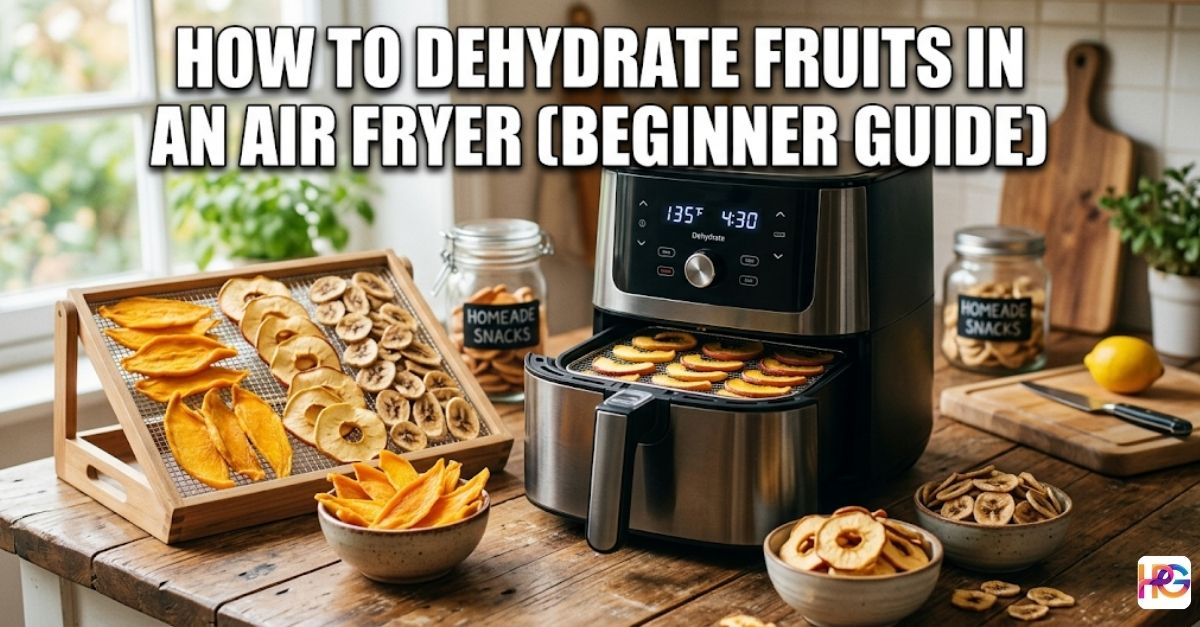
How to Dehydrate Fruits in an Air Fryer: A Beginner Guide
Hey there. I am Erick. Welcome back to Home Pick Guide. Today we are talking about making your own snacks. Let me paint a picture for you. It was a very warm Sunday afternoon here in Birmingham. I was sitting at home and craving something sweet. But I also wanted to stick to my current fitness and weight loss goals. Reaching for a sugary candy bar was out of the question. I looked over at my kitchen counter. My air fryer was sitting right there. A surprising thought popped into my head. Could I use this machine to make healthy dried fruit? The answer is a huge yes. You totally can do it too.
I love testing home appliances. You probably know this if you read my posts often. But this little test was deeply personal. I really wanted a guilt free treat. Store bought dried fruit is often packed with extra sugar. It can also be very expensive. Making it at home solves both of those problems. Plus, it makes your whole house smell amazing while it cooks. I will walk you through my exact process today. You will learn the best fruits to use. I will share the exact time and heat settings. You will also find out why stacking your food is a massive mistake. Finally, I will teach you how to store them so they last. Let us dive right in.
Why I Started Dehydrating Fruit at Home
I used to buy dried snacks from the local grocery store. They always tasted great. Then one day I actually looked at the nutrition label. The sugar content was quite shocking. It did not fit my diet plan at all. I have been working hard on my daily exercise routine. Eating empty calories feels like a huge step backward. So I decided to take control of my food.
Fresh produce came home from the local market and was washed in the sink. At that point, there was no fancy dehydrating machine in my kitchen.
Those gadgets take up way too much counter space anyway. My trusted air fryer was my only tool. My first try was actually a complete disaster. I’ll admit it—some sliced apples were tossed straight into the basket, and the heat was set way too high.
They burned on the outside very quickly. The inside was still raw and very wet. It was a truly sad sight.
But I always learn from my kitchen mistakes. I tweaked the whole process. I tested many different heat levels. Now I make perfect batches every single time. It is so easy once you know the basic tricks. You can do this even if you have zero cooking skills.
The Health Benefits of Dehydrated Snacks
When I focus on losing weight, daily snacks are my biggest hurdle. I get very hungry between my main meals. Fresh fruit is always great. But sometimes I just want a loud crunch. Packaged chips are usually fried in heavy oil. They pack a lot of bad fat. Dried fruit gives you that satisfying chew without any of the guilt.
You keep all the good fiber when you dry food. Fiber fills your stomach up nicely. It stops you from overeating later in the evening. You also retain most of the vital vitamins. Heating food at very low temps protects the nutrients. Vitamin C can drop just a little bit. But heavy minerals like potassium stay right there. Bananas are famous for their high potassium levels. It helps your muscles recover faster after a hard workout. This makes banana chips an ideal post gym treat. I usually eat a small handful after my evening runs.
The Best Fruits to Dry for Beginners
You can dry almost anything you want. But some items are much easier than others. I highly suggest starting with simple choices. These three options are my absolute favorites. They hold their shape very well. They also taste fantastic when they are done.
Mangoes
We get amazing fresh mangoes around here. They are incredibly sweet and very juicy. Drying them concentrates that natural sugar down. They turn into a wonderful chewy delight. It feels exactly like eating soft candy. But it is an entirely natural treat. You want to pick ripe but very firm ones. Soft mangoes will just turn into a mushy mess.
Peel the tough skin off very carefully. Cut the yellow flesh into long thin strips. Try your best to keep them even. This helps them dry at the exact same rate. My kids usually devour these strips in minutes. I actually have to hide a secret stash just for myself.
Apples
Apples are a classic beginner choice. They are available at almost every store. You can use sweet or sour types. Both styles work really well in the machine. I personally like to leave the thin skin on. It adds a nice rustic texture and color.
Wash them thoroughly with cold water first. Use a metal apple corer to remove the hard center. Then slice them into very thin rings. You can also cut them into half moon shapes. Toss all the slices in a little bit of lemon juice. This simple trick stops them from turning dark brown. They will look much nicer when they are fully done. They shrink quite a bit in the hot air. So do not cut them too thin.
Bananas
Bananas make a wonderful and crunchy afternoon snack. They are also very cheap to buy in bulk. You want them to be yellow with zero brown spots. Overripe bananas are way too soft for this project. Peel them slowly and cut them into round coin shapes. Make sure the coins are all the exact same thickness.
Bananas can be a bit sticky to handle. I sometimes brush the wire rack with a tiny drop of coconut oil. It makes the final cleanup a breeze. Dried bananas are great tossed in morning oatmeal. They are also perfect for a quick energy boost before a heavy lift.
Simple Tools You Might Need
You do not need a lot of heavy gear. But a few small items make the job much better. A very sharp knife is vital. Dull knives always make uneven cuts. Uneven cuts lead directly to uneven drying times. Some pieces will burn black while others stay wet.
A plastic mandoline slicer is even better than a knife. It cuts perfect even slices every single time. Just be very careful with your fingers while using it. You will also want a few clean cutting boards. I use plastic ones for easy soap washing. A large glass bowl is handy for tossing apples in lemon juice. That is really all the gear you need. You likely have these basic things in your kitchen right now.
Exact Temperature and Time Settings
This is the most critical part of the whole process. You must remember one golden rule. Low and slow is the only way to go. High heat will quickly ruin your food. It cooks the outside shell too fast. The internal moisture gets trapped inside forever. That always leads to nasty mold later on.
Most new air fryers have a specific dehydrate button now. If yours has one, please use it. If not, just set the heat dial as low as it possibly goes. You want a range between one hundred twenty and one hundred thirty five degrees Fahrenheit. Patience is your best friend right here. It takes many hours. You simply cannot rush it.
I usually start a big batch early in the morning. Sometimes I let the machine run while I do my daily exercises. Below is a simple chart I created. It helps me remember the right settings.
| Fruit Type | Heat Setting | Estimated Time | Final Texture |
| Fresh Apples | 135 F | 4 to 5 hours | Crispy and light |
| Firm Mangoes | 135 F | 6 to 8 hours | Chewy and pliable |
| Firm Bananas | 135 F | 6 to 8 hours | Crisp or slightly chewy |
Keep in mind that times can always vary. Your specific machine might run a little hotter than mine. The daily humidity in your room also plays a big role. I always check my fruit manually after three hours. Then I look again every single hour after that point. You know the food is done when there is absolutely no visible moisture left.
Why You Need Racks for Airflow
Let me tell you about another silly mistake I made. I wanted to make a massive batch of sweet apple chips. I filled the main basket right to the top brim. The thin slices were piled high on top of each other. I thought it would be totally fine. It was not fine at all.
Air fryers work by moving hot wind around. A strong fan pushes the heat down and around the solid food. If you block the wind path, the food stays wet. My big pile of apples turned into a warm and soggy block. It was deeply disappointing to see. The hot air could not reach the hidden pieces in the very middle.
You must place your fruit slices in a single flat layer. They should never touch or overlap at all. This allows the hot wind to hit every single surface. But a standard basket only holds a few tiny pieces. That is exactly why you need a special metal accessory.
I bought a cheap stainless steel rack online last month. It has three different stacking layers. It fits perfectly inside my machine basket. This simple wire tool changed everything for me. Now I can dry three times as much food at once. The air flows freely right through the wire mesh. Every single slice dries evenly. If you plan to do this often, buy a wire rack. It will save you so much wasted time and daily frustration.
How to Store Your Dried Fruit Properly
You spent hours making these tasty snacks. You really want them to last a long time. Proper home storage is completely vital. I live in a place with very high humidity. If I leave dry food out on the table, it gets soft quickly.
Moisture is the mortal enemy of all dried goods. It causes green mold to grow fast. I follow a strict daily routine to keep my snacks fresh. First, you must let the hot fruit cool down. Never put warm food straight into a glass jar. It will create warm steam inside the glass. That steam quickly turns into wet water drops.
Let the slices sit out on the counter for a full hour. They need to be completely at room temp. This specific cooling step is called conditioning. Next, find a truly good container. I absolutely love using glass mason jars. They seal up very tightly. You can also use special plastic vacuum bags. Just make sure no outside air can get in. Put your cooled snacks into the jar and close the lid tight.
Finally, pick the right spot to keep them safe. Direct sunlight and room heat will degrade the food quality. Find a dark and cool place inside your kitchen. A low pantry shelf is perfect for this. Check the glass jars every day for the first full week. Shake them a little bit with your hands. If you see tiny water drops on the glass, you have a problem. That means the fruit is still way too wet. You will need to put it back in the fryer for another full hour. If the jar stays totally dry, you are good to go. Properly stored snacks can last for many long months.
Troubleshooting Common Dehydrating Problems
Things go wrong sometimes in the kitchen. Do not ever panic. We can fix most minor issues easily. What if your fruit is way too hard to chew? You probably cut the slices way too thin. Next time, try to make the pieces just a bit thicker.
What if the food is rubbery and very wet? The machine heat might be too low. Or perhaps you did not leave it inside long enough. Put the basket back in for another full hour. What if the snack tastes slightly burnt? Your heat dial was definitely too high.
Always read your machine user manual. Some fryers run much hotter than the digital screen says. You might need to drop the heat setting by ten full degrees. Cooking is always a fun learning curve. Keep trying your best until you get it exactly right.
Final Thoughts on Home Fruit Drying
Making your own healthy snacks is a really fun project. It saves you real money in the long run. It also helps you eat much better every day. You control exactly what goes into your own body. There is no extra added sugar. There are no weird hidden chemicals. You just get pure and tasty fruit.
The whole process might seem very slow at first. Do not let that minor detail stop you. The machine does all the really hard work. You just have to slice the raw food and wait patiently. It is a very relaxing and passive activity. You can read a good book or do house chores while it runs.
I really hope this simple guide helps you get started today. Do not be afraid to fail on your first try. Your very first batch might not be perfect. That is completely normal and okay. Just adjust your heat or your slice thickness next time. You will soon figure out the sweet spot for your specific machine.
Try mixing different tasty fruits together in a bowl. A jar of mixed apple and banana chips is a great party treat. You can even try drying vegetables later on down the road. The daily possibilities are truly endless. Enjoy your healthy new homemade snacks. Let me know how your very first batch turns out. Happy cooking to you all.
Frequently Asked Questions
Can my air fryer run for eight hours safely?
Most top brands like Ninja can run for a long time. Just keep the vents clear so the motor stays cool. It prevents any risk of heat damage to your kitchen tool.
Does drying fruit use too much power?
These tools use much less power than a big oven. Since the heat is very low, the cost to run it for six hours is actually quite small for most homes.
Will the fruit sugar ruin the basket?
Most air fryers have a tough non-stick coat. Use a wire rack to keep the fruit off the floor. Doing this makes cleaning easy and keeps the tool in great shape.
Is it safe to store these tools in a cold shed?
Extreme cold can hurt the digital screen and plastic parts. Keep your fryer in a dry spot to save the internal wires. That helps the tool last for many years.
What if the air fryer fan gets too loud?
A loud fan usually means the vents are blocked or dirty. Clean the air intake often to keep the motor smooth. This ensures the tool stays safe and quiet.