
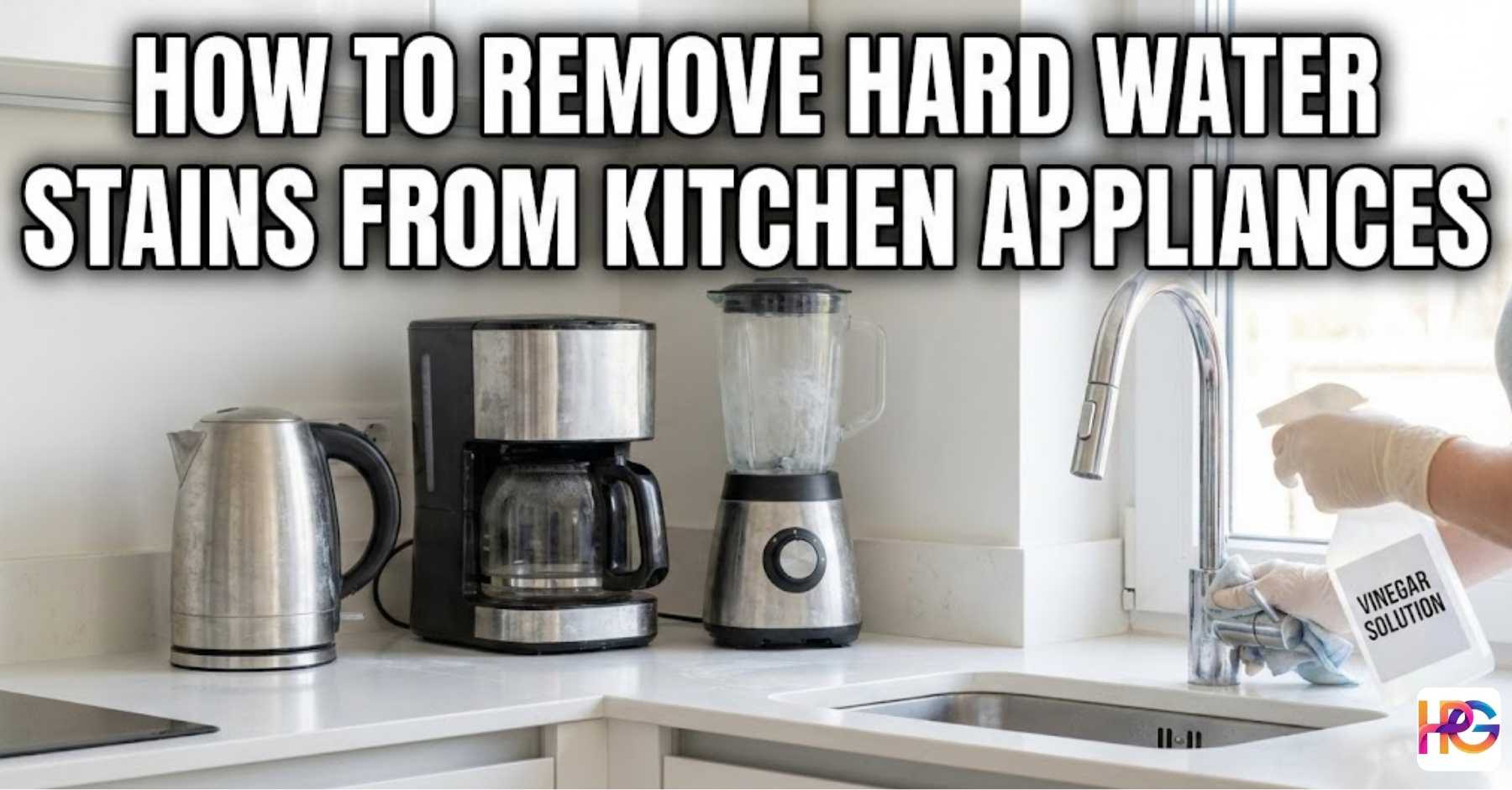
The Cloudy Kitchen Nightmare
It was a wet Tuesday. I just wanted a fast green drink. But my best blender looked gross. It was covered in a sad white film.
- The Shock of the Fog: You pull a clean tool from the rack. But it still looks bad. It feels like sand. It looks so gross. It ruins your day.
- What are Hard Water Minerals?: What is this white film? It is just rock dust in our pipes. Hard water minerals stay when wet spots dry. Chalk and calcium drop out of the tap.
- Why It Bothers Us: It ruins how nice things look. Cooking feels dirty. I know it is just dust. But I hate it. It makes my home look old.
Gathering Your Simple Battle Gear
Before we start scrubbing, we need the right tools. I used to buy fancy, expensive cleaners. I stood in my small kitchen pantry last Friday, spraying a new bottle I just bought. The sharp, toxic smell hit my nose right away. It gave me a nasty headache. And guess what? It barely worked on the white film. I was so mad. So, I stopped buying that harsh stuff. Now, I use simple things from my own cupboards.
- The Magic Liquid: Plain white vinegar is your best friend. It is very cheap. Yes, it smells a bit like pickles when you pour it out. But it works wonders for removing mineral deposits safely. The natural acid eats right through that crusty, gray buildup.
- The Scrubber: Grab an old, soft toothbrush. I keep a blue one under my sink just for cleaning. Do not use a wire brush or hard steel wool. Those will scratch your nice plastic parts and ruin them forever. A soft brush is all you need to reach those tight, tricky spots.
- The Secret Paste: Baking soda is my secret weapon. I mix a large spoonful with a tiny splash of water in a small bowl. It makes a thick paste. When you rub it on with your fingers, it feels like wet, soft sand. It creates a gentle scrub that lifts stubborn spots right off.
- Why Skip Harsh Chemicals: Think about it for a second. These kitchen tools touch our daily food. My blender makes my morning fruit smoothie. I do not want to drink toxic soap or strong chemicals. Skipping those strong sprays keeps your appliances food-safe. It gives me total peace of mind when I cook for my family.
How to Remove Hard Water Stains from a Blender
Let us fix that cloudy blender first. I spent an hour last Saturday testing this trick while standing on my cold kitchen tiles in bare feet, and it works so well.
Tackling Calcium Deposits on Blender Jar
- The Vinegar Soak: Pour one cup of white vinegar right into the jar. Add one cup of warm tap water. The smell is strong, but it is totally safe.
- Let It Sit: Leave the jar alone for twenty minutes. I usually go sit on the couch and drink a hot coffee. You must let the natural acid eat that chalky white stuff. It takes a little patience.
- The Gentle Scrub: Take your soft sponge. Gently wipe the inside walls. You will feel the rough, gritty calcium deposits on the blender jar just melt away. It is a very satisfying feeling.
- The Rinse: Rinse the glass with warm water. Dry it fast with a clean cotton towel. Do not let it air dry! If you do, those annoying spots will come right back.
Fixing Hard Water Residue on Plastic Parts
- The Problem with Plastic: Plastic parts are very tricky. Plastic holds onto stains deeply. It also gets scratched so fast. I learned this the hard way when I used a stiff brush and completely ruined my old food processor lid.
- The Baking Soda Trick: Get a small bowl. Make a thick paste with pure baking soda and a few tiny drops of water.
- Target the Stains: Scoop up the paste. Rub it right onto the hard water residue on plastic using your bare fingers. It feels cold. It feels a bit like wet sand from the beach.
- Wait and Wash: Let the paste sit and dry for ten minutes. It will turn into dry white flakes. Finally, wash it off with a drop of mild dish soap and warm water. The plastic will look brand new again.
Cleaning Mineral Buildup on Kitchen Tools
It is not just blenders that get ugly. Every single tool that touches tap water can turn gray and crusty. I looked at my kitchen counter last Sunday. My shiny coffee pot looked so dull. It makes my whole kitchen look dirty. Cleaning mineral buildup on kitchen tools is easy once you know how. We just need to fix it.
Kettles and Coffee Makers
- The Inside Job: Pour half water and half vinegar right into your kettle. Turn it on and let it boil. I will warn you right now. The smell of hot vinegar will fill your whole house. My husband walked into the kitchen and pinched his nose! But it is worth it. The heat helps the acid melt the rock-hard flakes inside.
- Coffee Parts: Your coffee maker hides mineral buildup deep inside its tubes. Pour a full pot of half vinegar and half water into the tank. Run a normal brew cycle. It spits out dirty, brown liquid. Gross, right? After that, you must run two full cycles of just plain water. If you forget this step, your next cup of morning coffee will taste like hot pickles. Trust me. I made that mistake once!
Food Processors and Bowls
- The Lemon Rub: I love this next trick so much. Take a fresh, yellow lemon and cut it right in half. Squeeze it a bit to get the juices flowing. Then, rub the wet fruit directly onto your cloudy glass bowls. It feels cold and wet on your bare hands. Plus, it smells absolutely amazing in the kitchen. The natural fruit acid lifts light hard water stains super fast.
- Quick Wash: Do not let the sticky lemon juice sit there for too long. Take your sponge and wash the bowl with warm, soapy water right away. Rinse it off fast. Your bowl will shine like it is brand new out of the box.
Keeping Hard Water Stains Away for Good
No one wants to scrub things every single week. I know I do not. Last Thursday night, my back hurt just from leaning over the sink. I realized I needed a better way. A few tiny tweaks to your day save so much time. Once you learn how to remove hard water stains from kitchen appliances, you just want to keep them clean. It makes daily life so much easier.
Quick Daily Habits
- Dry Right Away: This is my absolute best secret. Hand dry your blender and tools the very second you wash them. I use a soft, dry cotton cloth. Do not let wet drops just sit there. If the tap water air dries, the chalky rock dust stays behind. Wiping it fast stops the mess before it starts.
- Filter Your Water: Our city tap water is very hard. Try using clean, filtered water for your coffee and cold smoothies. I keep a heavy, cold water pitcher right in my fridge. Pouring filtered water into my coffee pot stopped the crusty mineral buildup fast. It is a very simple fix.
- A Weekly Wipe: I keep a small plastic spray bottle under my sink. It holds half white vinegar and half plain water. Every Sunday night, I grab it. I give my dry appliances a quick spritz. Then, I wipe them down with a rag. The wet spray smells a bit sour for a minute. But it keeps the ugly white stains away for good.
Frequently Asked Questions
How do I remove hard water stains from kitchen appliances?
Use white vinegar to fix hard water stains on your tools. Pour it on the white film, let it sit, and wash it off well. Your clean home will look fresh and new!
Will baking soda clear hard water residue on plastic?
Yes, you can! Mix baking soda and a drop of water to make a thick paste. Rub it right on the hard water residue on plastic, then wash it off to clean tools fast.
What causes thick mineral buildup on kitchen tools?
Tap water has rock dust like chalk in it. When wet spots dry, they leave hard mineral buildup on kitchen tools. Wash and dry your gear fast to stop the bad mess!
How do I clean calcium deposits on a blender jar?
Add hot tap water and white vinegar to the glass. The sour mix eats the bad calcium deposits on your blender jar if you let it sit. Wash it out fast for a shine!
Can I use fresh lemons to clean hard water stains?
Yes, you can! Cut a fresh lemon in half and rub it right on your glass bowls. The wet juice lifts hard water stains fast, smells great, and makes things shine.