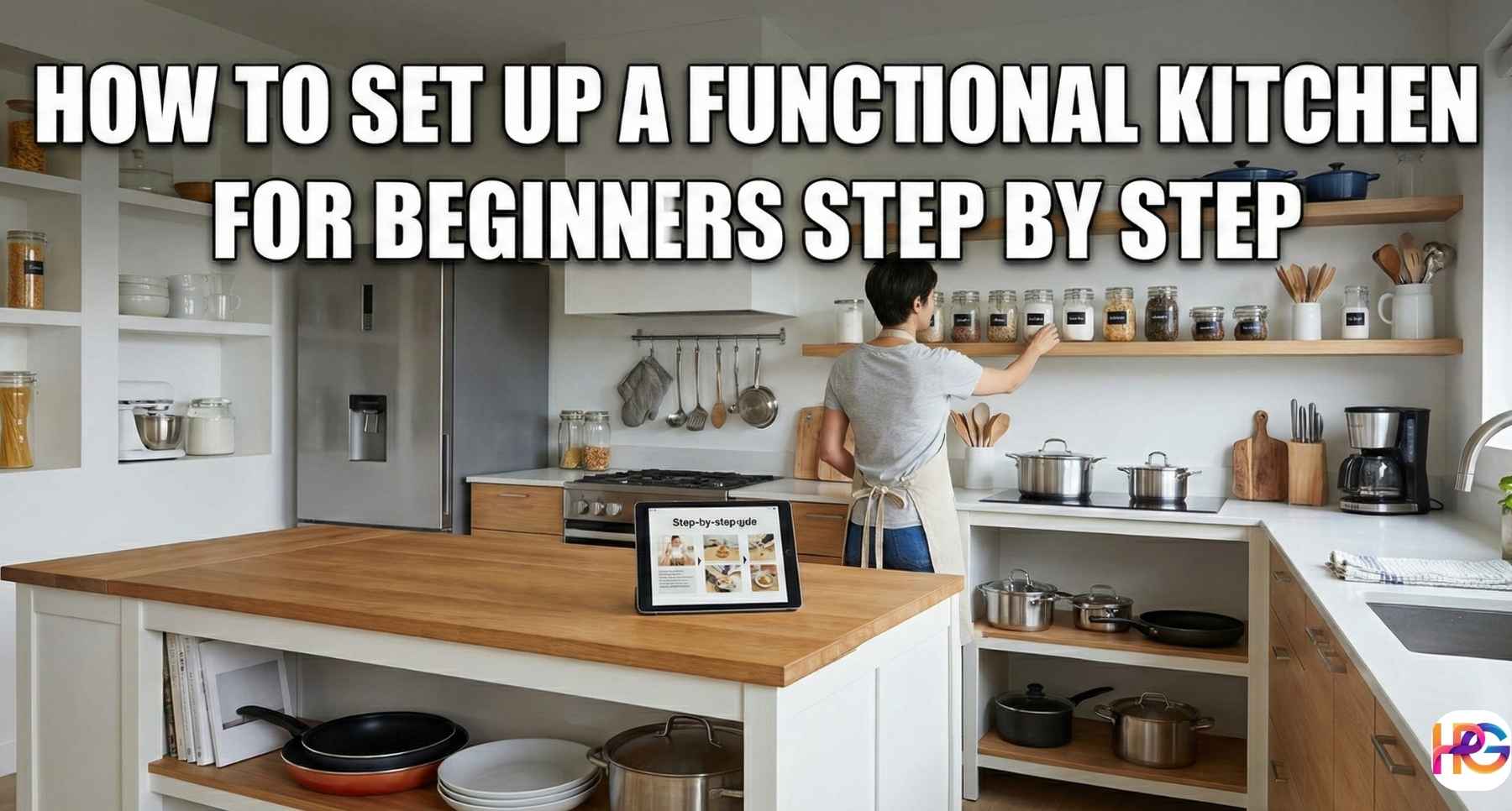
It is an icy Midwest winter day. I just want hot coffee. My Ninja pot sits in a big mess. I love to bake bread and use my air fryer. But a bad prep space makes it hard. Good tools and a clear layout save time. Let’s learn how to set up a functional kitchen for beginners step by step. Tough US brands like Lodge add great flow.
Step 1: Declutter and Assess Your Space
Before you buy a new spatula, we need a totally blank space. Clear your counters right now and wipe them clean with a wet rag.
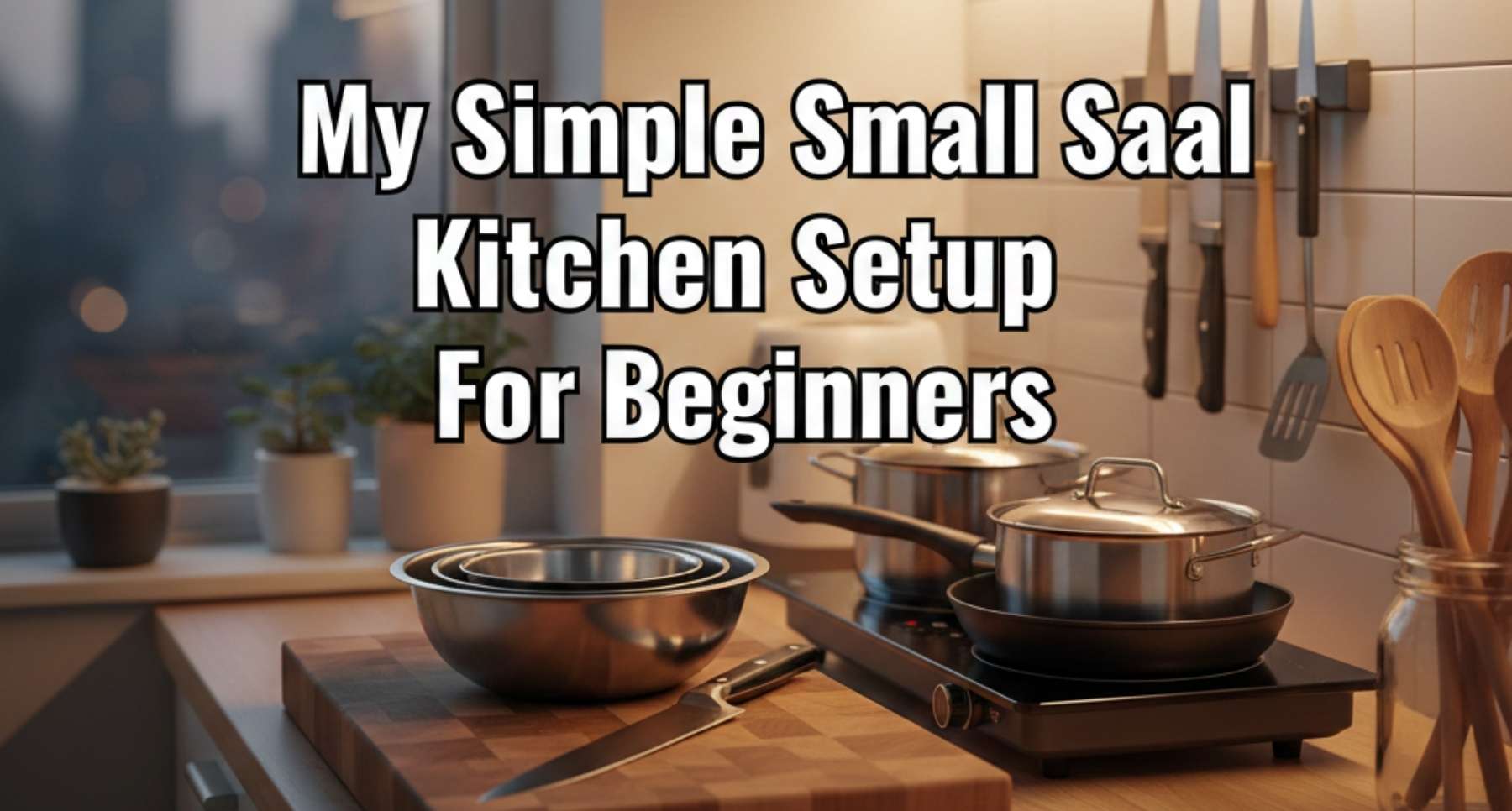
Small Kitchen Setup for Beginners
I remember a wet Saturday in my old flat. I was mixing flour for my sourdough bread. White dust flew in the air. I bumped my big coffee maker. A stack of mail fell on the floor. I was so mad. A small kitchen setup for beginners starts with a clear slate. You must see what you own.
Here is what worked best for me:
- Take a hard inventory: Pull all items out of your dark cabinets. Yes, every single piece. I found three dull blades and a rusty whisk. Throw out the junk. Keep just what you truly use.
- Spot your pain points: Find what makes you crazy. My fridge door hit the trash bin every time I got cold milk. It made a loud bang. Note these bad spots so you can fix them today.
- Affordable kitchen setup ideas: Do not buy costly wood cabinets. Go to a cheap local shop. Buy thin tension rods and wire baskets. I put them under my sink for soap bottles. It gave me twice the space for five bucks.
- Space-saving kitchen ideas: Use your bare walls. They are great empty zones. I hung a magnetic knife strip near my sink. A wood pegboard holds my flat pans. It gets sharp tools off the counter.
Step 2: Establish Your Kitchen Work Zones
Think of your kitchen like a small factory. Do not run across the room with a wet, dripping tomato just to grab a knife.
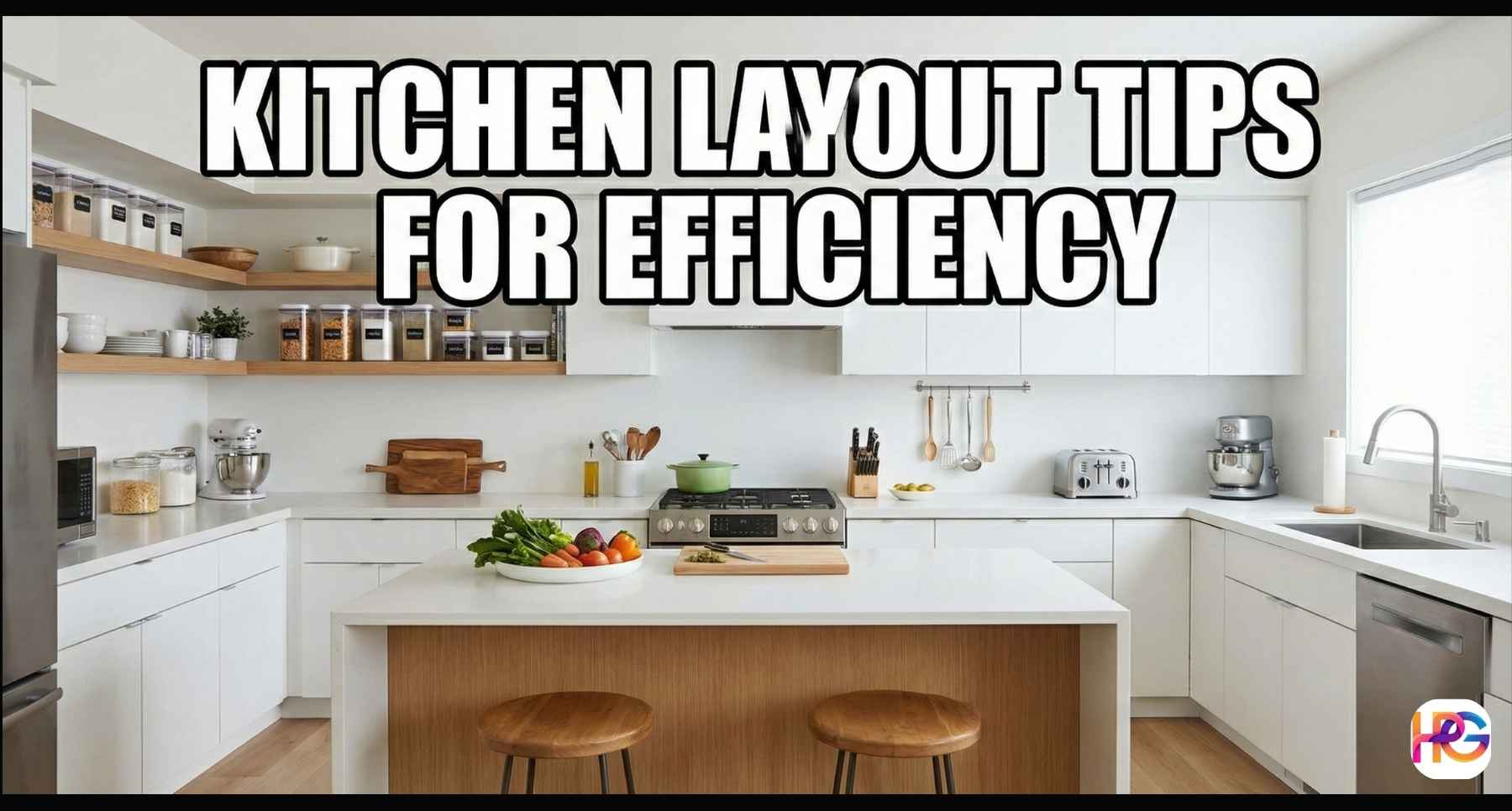
Kitchen Layout Tips for Efficiency
Last fall, I dropped a wet, heavy onion right on my toe. I was rushing from the sink to the hot stove. It hurt so bad! That day taught me a hard lesson. A bad layout wastes time and causes silly accidents.
Here is how I fixed my flow:
- The Prep Zone: This is where the hard work starts. Keep your thick wood boards and sharp knives right by the sink. You can chop your food and drop the bad scraps into the trash fast.
- The Cooking Zone: Keep your pots, flat pans, and long wood spoons near the stove. I hate digging for a spoon while my fresh garlic burns and smokes in the pan.
- Simple kitchen arrangement for efficiency: Make a fixed hub for your daily gear. Give your drip coffee maker, your air fryer, and your big blender a permanent home on the warm counter. You will not have to lift heavy gear from low shelves every morning.
- Kitchen workflow tips for beginners: Store your items where you use them first. Put your best ceramic mugs on the shelf just above the coffee pot. Slide heavy metal pots right by the warm oven.
- Functional kitchen design ideas: Follow the classic “work triangle” rule if you can. Keep the floor path totally clear between your wet sink, hot stove, and cold fridge. It makes moving around safe and fast.
Step 3: Stock Up on Essential Kitchen Tools
You do not need a huge box of pots. You just need a few strong basics to get a hot dinner on your table.
Beginner Cooking Essentials
I bought a big, cheap box of pans on a cold Monday years ago. They bent in the heat. They burned my food fast. The bad smell of black, ruined eggs filled my small room. I felt so dumb. Now, I know better. Since I test home tools all the time, I know you only need a few solid items.
Here is my core list for your setup:
- Essential kitchen tools for beginners: Buy one great 8-inch chef’s knife. Get a thick, heavy wood board. Grab a big non-stick pan and a medium steel pot. I use my sharp knife every single day to score my fresh sourdough bread before it bakes.
- Must-have kitchen gadgets: Walk past the silly, cheap plastic fruit slicers in the shop. You do not need them at all. Buy a fast digital meat probe instead. Grab strong metal tongs to flip hot meat. Get a soft rubber spatula to scrape your bowls clean.
- Focus on the heavy hitters: I love a strong cup of drip coffee, but my air fryer is my true hero. If you hate standing at a hot stove, get a good air fryer. It cooks crisp food fast on a tired Friday night.
Step 4: Organize and Maximize Kitchen Storage
Let’s put all your gear in the right place. You need to find your garlic salt fast when your hot pan starts to smoke.
Easy Kitchen Organization Hacks
I had a bad Thursday night in my old kitchen. I was cooking a quick meal. The cooking oil was very hot. I dug wildly through a deep, dark drawer for my wood spoon. I scraped my hand on a sharp metal peeler. My finger bled. I felt so silly and mad. I knew I had to fix my mess right then.
Here is how I set up my space to work for me:
- Kitchen organization tips for beginners: Group your like items in one spot. I keep all my bread flour and dry yeast in one big bin for my sourdough baking. I put all my hot spices in a small rack near the stove. It saves me so much time.
- Kitchen storage solutions for beginners: Buy clear glass jars with tight lids. They keep your dry food fresh. I can look right at my shelf and see when I need more white rice or fresh coffee beans. It is so easy.
- How to organize a beginner’s kitchen: Think about weight and reach. Put your big, heavy gear on the low shelves. I keep my favorite coffee mugs right at eye level. I hide my big, heavy blender down low because I only make smoothies once a week.
- How to arrange a practical kitchen: Buy cheap wood drawer dividers. A messy tool drawer is a true nightmare. You do not want to fight a tangled wire whisk when your fresh eggs are cooking fast in the pan.
Step 5: Implement Basic Kitchen Safety
A safe kitchen is a fun kitchen. Keep your hands safe and the loud smoke alarm totally quiet.
Kitchen Safety Tips for Beginners
One loud Tuesday night, I burned a piece of dry toast. Thick gray smoke filled my small kitchen fast. The sharp alarm hurt my ears. My dog hid under the couch. I was so stressed out. You must be safe when you cook hot meals. A bad burn or a cut will ruin your night.
Here is how I keep my workspace safe:
- Keep a fire extinguisher handy: Buy a red tank for bad fires. Put it near your back door. Do not hide it right next to the hot stove. If cooking grease catches fire, you cannot reach the tank through the tall, hot flames.
- Sharpen those knives: A dull blade is a real danger. It slips off a hard, round onion and cuts your hand. A sharp knife bites right into the food. I hone my chef knife every single week so it stays safe.
- Safe appliance usage: Pull the plug on your fast blender and hot air fryer when you are done. I always push the thick black cords far back from the clear counter edge. You do not want to catch a wire and pull a heavy machine onto your bare foot.
Step 6: Maintain Your New System
The hard work is done. Now you just need to keep it clean so it stays a great cooking space.
How to Make Your Kitchen Functional Long-Term
One lazy Sunday night, I left all my sticky plates in the dark sink. The next day, a sour smell hit my nose. I could not even reach my drip machine to brew a hot cup of coffee. I felt so mad at myself. You must build strong, easy habits to keep your room neat.
Here is my simple plan to keep things fresh:
- The 15-minute nightly reset: I wipe my wet counters dry with a soft cloth. I put all the dirty plates in the wash. I fill my coffee maker with fresh water and brown beans for the next day. It is so nice to wake up to a clean room.
- Adopt the “one in, one out” rule: If you buy a bright new ceramic mug, give away an old, chipped one. Do not let junk pile up again. I test a lot of home tools and gear, but I only keep what I truly need for my daily meals.
- Adjust as you go: If your big air fryer feels too far away after a week, move it! Your room must fit your real life. Change things around until your flow feels fast and fun.
Frequently Asked Questions
How do I start a beginner-friendly kitchen setup?
Start small and clear your space. Keep daily tools like your coffee maker close. Read more on Home Pick Guide to learn how to set up a functional kitchen for beginners step by step.
What are the essential kitchen tools for beginners?
You just need a sharp chef knife, a wood board, and a good pan. An air fryer is a great plus. Find top tool reviews on Home Pick Guide to build your fast, easy cooking zone today.
What are easy kitchen organization hacks for a small space?
Group your items by use. Put heavy gear low and keep daily mugs high. We share smart, cheap space-saving kitchen ideas to fix your bad flow fast. Grab our simple tips right now.
How to arrange a practical kitchen workflow?
Use the work triangle rule. Keep a clear floor path from the warm stove to the wet sink. Check Home Pick Guide for the best kitchen layout tips for efficiency in your own home.
How to make your kitchen functional long-term?
Do a quick night clean. Wipe the wet counters and prep your drip coffee machine. Build strong, easy habits. Dive into our step-by-step kitchen setup guide to keep your room neat.