How To Sharpen Blender Blades: My Funny Smoothie Mistake
It was a very cold morning in Denver last month. Waking up early always makes me crave a healthy drink. Walking into my kitchen felt like a normal quiet Tuesday. Grabbing frozen berries and fresh spinach was my first step. Tossing them into my glass pitcher seemed perfectly fine. Hitting the power switch started my normal daily routine.
Something sounded terribly wrong right away. A loud screeching noise filled my entire house. My ears actually hurt from the high pitch squeal. Stopping the machine fast was my only safe choice. Pouring the green mix into my cup revealed a sad truth. Huge chunks of ice splashed out everywhere. Spinach leaves floated whole in the cloudy cold water.
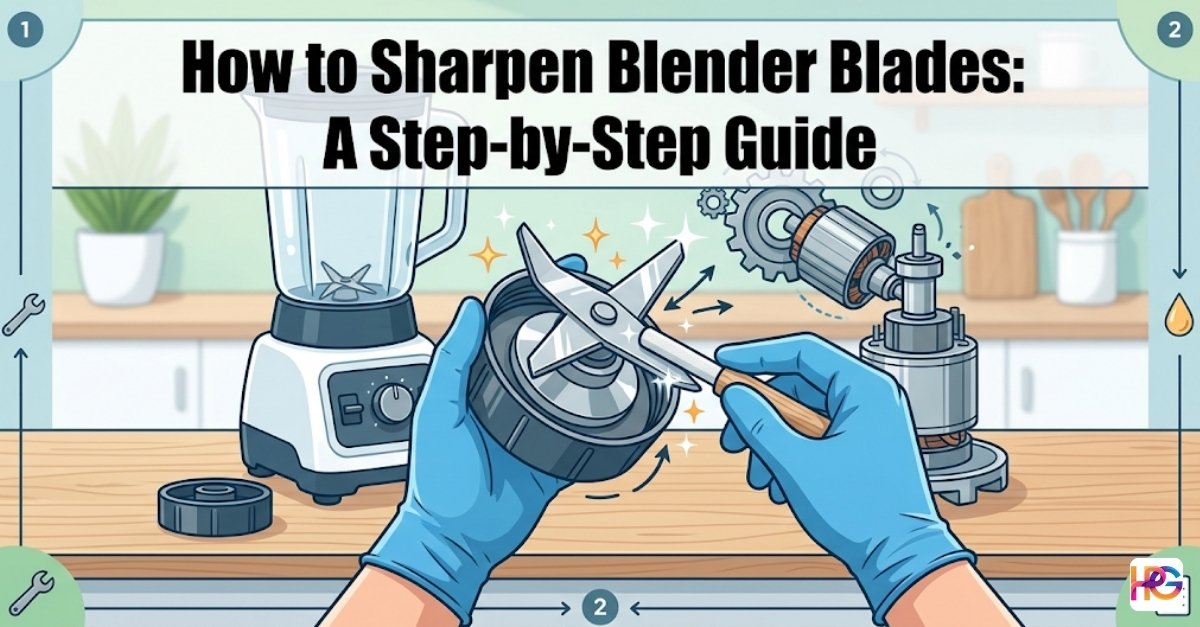
Drinking that mess was absolutely out of the question. My first thought was totally basic and very simple. Figuring out how to sharpen blender blades became my goal. Grabbing my heavy tool box seemed like a smart idea. Finding a whetstone would surely fix my dull machine. Taking mechanical things apart is a fun hobby of mine. Sitting on the kitchen floor with a screwdriver felt right. I was ready to fix my dull metal edges.
The Big Kitchen Myth
Taking the heavy base apart took a few minutes. Staring at the metal piece made me stop and think. Running my thumb over the metal edge felt weird. Cutting my skin did not happen at all. Those metal edges were already completely flat and safe. This sparked a huge lightbulb moment in my tired head.
Writing a blog means I research home items very often. Jumping on my laptop gave me the real answers fast. Reading about high speed motors changed my whole view. Most premium machines do not use sharp edges at all. They use pure power and fast speed to crush food. Blunt force trauma is the real secret mechanic here.
Spinning at extremely high speeds makes the magic happen safely. Smashing thick ice into snow does not require a razor. Hitting the food hard and fast is the true method. Pulverizing things into liquid is what happens inside that glass. Realizing my mistake made me laugh out loud. My old whetstone would be completely useless right now.
How Machines Actually Crush Food
Seeing the difference is easy when you look at facts. Here is a simple chart I made for you today.
| Machine Type | How It Works | Needs Sharpening |
| Cheap old mixer | Slices food with thin metal | Maybe |
| High end machine | Smashes food with pure force | Never |
| Food processor | Cuts chunks with razor edges | Yes |
Spotting The Real Problem
Putting my whetstone away was a very good move. Figuring out the actual issue was my next fun task. My machine was clearly failing at its one main job. Learning the true signs of damage took some extra reading. Watching my machine run gave me all the clues. Dull metal was not the bad guy today.
Worn out parts cause the most trouble over time. Hearing that awful screeching noise was clue number one. Good machines should hum loudly but never grind or scream. Grinding sounds mean the tiny metal balls inside are dead. We call those little spinning parts the bearing assembly.
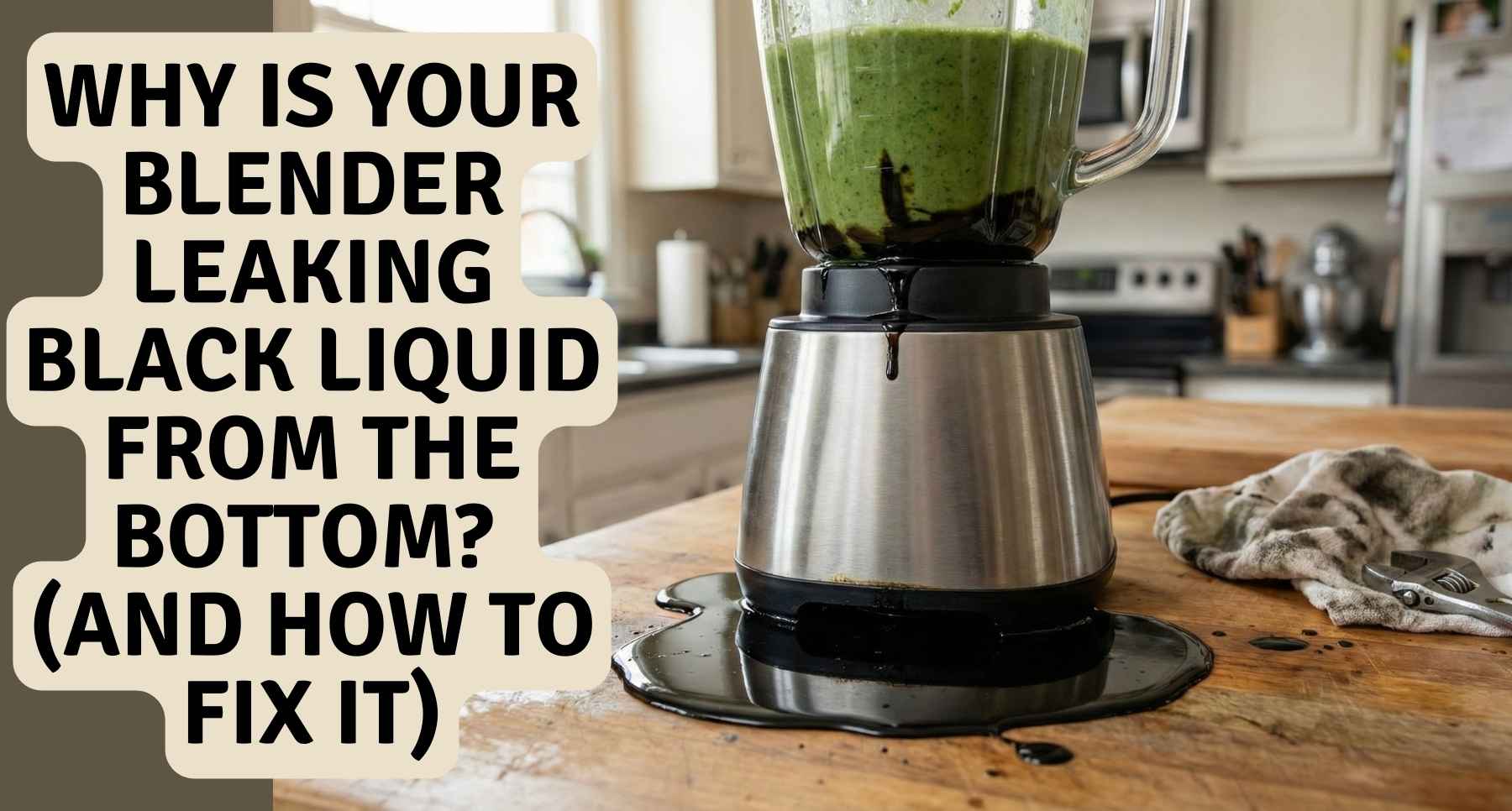
Seeing weird liquid is another huge red flag to watch. Looking under my glass pitcher showed a sticky brown mess. Smoothie juice was leaking straight down into the motor base. This means the rubber seals are totally ripped or broken. Broken seals let water enter the deep metal gear area. Rust happens very fast when water gets trapped inside there.
Testing My Broken Machine
Testing the spin by hand is a neat little trick. Unplugging the cord from the wall is always step one. Reaching into the empty glass pitcher comes next. Pushing the metal star with my fingers felt super hard. Spinning freely is what should happen in a healthy machine. My parts felt sticky, stiff, and full of hidden sand.
Finding green chunks in my cup finally made total sense. The motor could not spin the stiff parts fast enough. Slow spinning means no smashing power at all. Ice stays in large cubes when the speed drops down. Spinach leaves just float around waiting to be crushed. My entire assembly part was completely ruined and dead.
Fixing It Without Tools
Thinking about fixing the old part crossed my mind. Grabbing a wrench and tearing it apart sounds really fun. Modifying broken kitchen items is a bad idea though. Tinkering with metal parts that spin fast is very dangerous. Safety must always come first in your busy home kitchen.
Learning how to sharpen blender blades is risky business. Changing the angle of the metal throws off the balance. Shaking violently happens when unbalanced metal spins super fast. Shattering the heavy glass pitcher is a real safety risk. Flying glass and hot liquid can hurt you badly.
Burning out the expensive motor is another huge risk. Stiff gears make the electrical motor work way too hard. Overheating the base will cost you a ton of money. Buying a brand new machine is much worse than buying parts. Replacing just the broken assembly piece is the smartest path.
Why Buying New Is Better
Ordering a fresh part online took three minutes flat. Fixing the real root cause is much better than hacking things. Here is why I chose to buy a new piece.
| Fixing Choice | Safety Level | Does It Work |
| Hand sharpening | Very low | Fixes nothing |
| Buying new part | Very high | Works perfectly |
Swapping The Parts Out
A small cardboard box arrived at my door two days later. Opening it up felt like getting a neat little gift. Shiny new metal parts sat inside a clear plastic bag. No rust or sticky juice covered this beautiful new piece. Fixing my broken machine took less than five quick minutes.
Turning the glass pitcher upside down is step one. Twisting the large plastic nut left removes the old gear. Pulling the rusty piece out made a gross squishing sound. Wiping the hole clean with a wet paper towel is smart. Dropping the shiny new part in was super easy. Twisting the nut right locked everything down tight and secure.
Plugging the cord back in made me feel a bit nervous. Pouring some plain tap water inside was my safety test. Hitting the power switch brought a smooth, clean humming sound. No screaming noises hurt my ears this time around. Water spun into an incredibly fast tornado instantly. Zero leaks appeared on my clean kitchen counter.
Keeping It Clean Forever
Destroying another expensive gear is not on my agenda. Changing my daily habits is the only way to win. Leaving dirty cups in the sink is a bad old habit. Fruit acid eats rubber seals if left sitting too long. Washing things right away saves you time and hard money.
My new cleaning routine is fast and super easy. Pouring my healthy drink out is always the first fun step. Rinsing the empty glass with warm sink water happens next. Getting the sticky sugar off the metal is very important. Food drying on metal parts acts like super strong glue.
Doing a quick soap spin is my favorite daily trick. Adding two cups of warm water fills the bottom nicely. Dropping one small squeeze of dish soap creates the magic. Running the machine on high makes a huge soapy storm. Thirty seconds is all you need for a deep clean. Bubbles reach every tiny hidden crack very easily.
Dealing With Hard Water Spots
Denver tap water leaves white spots on everything we wash. Minerals build up on shiny metal really fast over here. Clouding up the clear glass looks gross over time. Fighting those ugly spots takes one special pantry item. Plain white vinegar works wonders on hard mineral stains.
Mixing equal parts vinegar and water makes a strong cleaner. Pouring it into the glass pitcher covers the metal base. Letting it sit quietly for twenty minutes does the trick. Acid eats away the chalky white spots without any scrubbing. Rinsing it out leaves everything looking brand new again.
The Right Way To Dry
Drying things wrong is how my first machine died. Turning a wet pitcher upside down is a huge mistake. Gravity pulls dirty water down into the metal bearing hole. Sitting water causes rust to form deep inside the gears. Rust kills the spinning action faster than anything else.
Leaving the pitcher standing upright is the only safe way. Shaking out the extra drops helps it dry much faster. Air flow dries the top without soaking the bottom parts. Storing the machine without the rubber lid on is smart. Fresh air keeps funky smells from taking over your kitchen.
Making a smoothie today felt like a brand new experience. My fresh berries and kale turned into smooth green liquid. No sad ice chunks ruined my healthy morning drink today. The texture was perfectly smooth and incredibly delicious. Knowing how to care for my gear makes me very proud.
Final Thoughts On DIY Fixes
We all want to fix things with our own hands. Saving cash and learning skills feels deeply rewarding. Some kitchen tasks simply require new parts instead of tools. Trying to sharpen blender blades taught me a great lesson. Knowing when to stop tinkering is a very valuable skill.
Replacing worn parts keeps your daily routines running super smooth. Your favorite morning drinks will taste better than ever before. Avoiding shattered glass keeps your family safe and happy. Spending twenty bucks on a part saves hundreds later on. Taking good care of nice things helps them last forever.
Writing about this messy adventure brings me joy today. Sharing my silly mistakes helps you avoid the same exact traps. Check your own machine if your drinks feel weird lately. Spin that metal gear by hand and listen very closely. Buying a shiny replacement part might just save your morning!
Frequently Asked Questions
Can you sharpen blender blades with a whetstone?
Most high-speed blender blades use blunt force to crush food rather than cutting it. Using a whetstone can ruin the balance and cause the machine to shake or shatter dangerously.
Why is my blender making a loud screeching noise?
Screeching usually means the metal bearings in the blade assembly are worn out or rusted. Replace the part immediately to prevent the motor from burning out or seizing up completely.
How do I know if my blender seals are broken?
Look for sticky brown liquid or leaks under the pitcher base. Broken rubber seals allow moisture to rust the gears and damage the internal motor over time if you do not fix them.
Is it safe to fix a damaged blade assembly myself?
Tinkering with high-speed spinning parts is very risky for any home user. It is much safer to buy a factory replacement part to keep your machine running smoothly and safely for years.
How should I store my blender to prevent rust?
Store the pitcher upright without the lid to allow for full airflow. This prevents trapped water from sitting on the metal gears and causing rust or corrosion deep inside the assembly.