How to Use a Multimeter for Beginners (My Appliance Testing Story)
My name is Hasan. Welcome to my Home Pick Guide journey. It was a cold rainy Tuesday morning. I wanted to bake fresh sourdough bread. Making my daily hot coffee was my next plan. I pressed the start button on my machine.
Nothing happened at all. No happy clicking sound met my ears. No fresh coffee smell filled the warm air. I felt a wave of pure daily panic. Buying a new machine felt like a huge waste.
I love testing home tools for my readers. Sharing repair tips is my true daily passion. I decided to figure out the real problem. I drove to the local hardware shop fast. Finding a cheap digital meter took five minutes.
What Exactly Is a Testing Meter?
A multimeter is just a tiny plastic box. It has two wires with sharp metal tips. People call these metal tips test probes. Probes act like your eyes for unseen power. They let you see inside dark messy wires.
This handy tool checks if power flows freely. It also checks how much power lives inside. When my morning coffee maker broke down completely, I just needed to test the power path. The round dial confused me heavily at first.
There are many weird math symbols on top. I only use a few basic settings today. Let me share a simple table with you. It shows the main settings I use daily. You will learn these very quickly right now.
| Setting Name | Dial Symbol | What It Does For Me |
| Continuity | Sound wave | Finds a broken internal wire. |
| Resistance | Horseshoe shape | Measures blockages in the part. |
| AC Voltage | Letter V | Checks the wall power plug. |
Picking the Right Tool for the Job
Walking into the store overwhelmed me heavily today. Giant walls held yellow and red testing tools. Some models cost only ten dollars on sale. Others cost hundreds of dollars behind thick glass. I stood there staring for a very long time.
The smell of fresh cut wood filled the air. A helpful worker asked what I really needed. I told him about my dead coffee maker. He smiled nicely and pointed to a basic model. It cost about twenty dollars in total cash.
He promised it was perfect for home testing. I felt relieved to have his expert advice. You do not need a fancy auto tool yet. A simple manual dial meter works very well. Having a manual dial forces you to truly learn.
Testing the Kitchen Wall Outlet
Sometimes the broken tool is not the real issue. The kitchen wall plug might be completely dead. I learned this vital lesson the hard way once. My toaster oven refused to turn on at all. I took the whole metal machine apart sadly.
It turned out the wall socket lacked any power. You can test wall power with your new meter. Set your dial to the AC Voltage setting. The symbol is a letter V with a wavy line. House power is very strong and highly dangerous.
You must hold the plastic probe handles tightly. Never let your bare fingers touch the shiny metal tips. Push the probes into the two wall slots safely. The screen will show numbers around one hundred twenty. This means the wall plug has good flowing power.
My First Scary Continuity Test
The easiest thing to check is daily continuity. This fancy word means an unbroken safe power path. Think of it like a busy wooden bridge. Heavy cars can cross a whole bridge safely. All cars must stop if the bridge falls down.
Power flows the exact same way through thin wires. I guessed the main fuse was totally dead inside. Taking a deep breath helped calm my jumpy nerves. I pulled the plug from the kitchen wall socket. This is a very important rule for new beginners.
You must always unplug your broken tools first. Testing a live wire is incredibly dangerous for anyone. Next, I turned the dial on my black meter. The tiny arrow pointed to the sound wave symbol. I touched the red and black tips together gently.
A loud beep filled the quiet room instantly. That sudden sharp sound made me jump back fast. The happy beep meant my new tool worked perfectly. It was totally ready to test my broken machine. I felt like a real repair expert in training.
Steps I Take for a Quick Check
Now I follow a simple routine for fast testing. First, I pull the main power plug out entirely. Second, I set the dial to the wave icon. Third, I touch one probe to the suspect part. The second probe goes to the other far side.
I stop moving and listen very closely for sounds. A solid loud beep means the part works fine. Invisible power can flow right through the tight metal. The digital screen might show a big zero number. The part is broken if the meter stays quiet.
My coffee maker fuse gave no happy beep today. It was totally blown and needed a fast fix. I ordered a cheap replacement part online quickly. My machine worked perfectly the very next morning. Sourdough baking could finally resume in my warm kitchen.
Fixing My Favorite Kitchen Air Fryer
My repair confidence grew after fixing the tiny fuse. A few weeks later, my air fryer suddenly died. The fan spun fast and sounded very loud still. Front panel lights turned on without any weird issues. But my food stayed completely cold in the basket.
This sudden failure was a perfect test for me. I guessed the main heating coil was totally bad. Taking out my tools, I opened the back cover. Dust covered the inside of the dark plastic case. It smelled strongly like old greasy french fries.
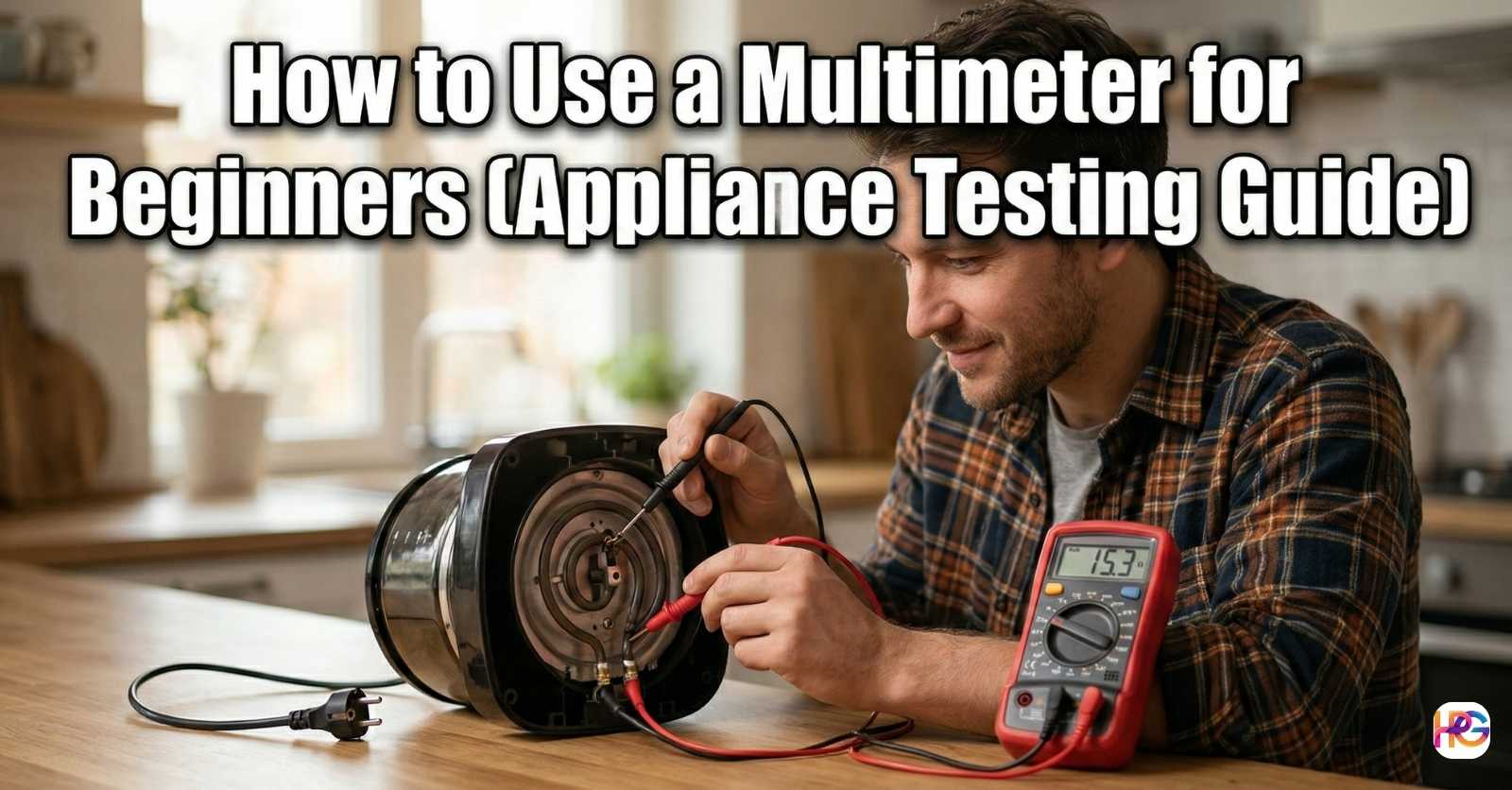
Following my strict safety rules always comes first. The power plug rested on the kitchen counter clearly. I unhooked one wire from the thick metal coil. This safe step isolates the part from rogue power. It makes the final meter test much more accurate.
Doing the Ohms Test Without Going Crazy
A broken part does not always beep loudly. Heating coils rarely beep on the simple wave setting. They use raw resistance to create hot cooking air. To test my fryer coils, I use the Ohms. This setting measures how hard hidden power must push.
Resistance is always measured in basic Ohms units. The symbol looks like a tiny open metal horseshoe. It is the old Greek letter called Omega. Power creates heat when it pushes through tight wires. Too much resistance means the older part is failing.
Infinite resistance means the inner wire is fully snapped. This forces the entire tool to stop heating completely. Learning this cool fact changed how I fix things. I no longer guess what is wrong with my tools.
How I Read the Tiny Ohms Screen
This vital test felt like high school math class. I had to slowly read the digital black numbers. I verified the machine was fully unplugged once again. Then I turned the dial to the horseshoe icon. My meter has manual numbers painted on the front.
I picked the lowest number shown right there. Usually, that exact setting is clearly marked as 200. I firmly placed the metal probes on the coil. The screen flashed a few weird random numbers fast. It settled on a tiny number one very soon.
It did not change or flicker at all after. This flat reading meant totally infinite broken resistance. The hidden wire was snapped inside the metal tube. Invisible power could not push through the empty gap. I ordered a new coil for fifteen dollars total.
When the box arrived, I screwed it right in. My air fryer made crispy wings that exact night. It felt amazing to fix it all by myself. Sharing this simple repair story brings me great joy.
Safety Tips I Learned the Hard Way
Unseen electrical power commands immense respect from us all. I made silly mistakes when I first started learning. Thankfully I never got hurt during my early tests. I did get a really good scary shock once. I foolishly tried to test a live house plug.
Forgetting to change the dial was a massive mistake. I pushed sharp probes into the hot wall socket. A loud pop came from the plastic meter casing. A wisp of smelly white smoke floated up high. I blew the internal glass fuse of my tool.
That scary failure taught me to check my dial. Always look twice before you test any mysterious wire. Let me share some essential rules I follow strictly. These proven steps keep me totally safe from harm. Never rush a test when dealing with home power.
My Personal Rules for Safe Testing
I absolutely never skip these critical steps right now. Unplugging the broken device is my rule number one. I lay the plug on the bright counter space. This habit gives me total peace of mind daily. It takes two seconds but saves your actual life.
Learning about giant capacitors saved me later on too. Big kitchen microwaves have them hidden deep inside panels. They hold vast amounts of power for many days. They keep dangerous power even when unplugged completely. I never open a broken microwave case myself ever.
Checking my probe wires is my strict final step. I noticed a crack in a red rubber wire. I threw it away into the trash can fast. Ordering new wires kept my bare hands totally safe. Never touch exposed shiny metal during a live test.
Caring for Your New Diagnostic Tools
Digital testing meters are tough but need daily love. I gently keep mine tucked inside a tight canvas bag. Thick dirty garage dust can ruin the turning dial. Leaving it out on wooden benches is a bad habit. Put it away safely after every single home repair.
Watching the tiny battery level is very vital work. Most simple meters run on a block square battery. A low battery makes the screen show dirty lies. False ghost readings will drive you crazy during repairs. Change your battery once a year to always win.
It is a very cheap way to stay fully accurate. Wiping the metal tips with a clean cloth helps too. Grimy metal tips struggle to read pure power flow. Keep your working tools clean for the absolute best results. A clean tool is a highly trusted daily friend.
Why You Should Test Before You Toss
People throw away far too many good things today. I almost tossed out my great daily coffee maker. The real hidden problem was a tiny two dollar fuse. My cheap new meter helped me find that exact issue. It saved me from buying a whole brand new machine.
Learning to read those tiny numbers changed my whole life. A dead kitchen tool is not useless garbage anymore. It is just a very fun puzzle to be smoothly solved. You can fix most home things with simple basic tools. You just need a little bit of quiet daily patience.
You do not need a fancy expensive college science degree. Bring a willing open heart to learn safely from mistakes. Your amazing home repair journey can start right now today. Grab a simple test meter and save a broken tool tonight. Let me know how your fun fixing journey goes soon.
Frequently Asked Questions About Testing Tools
What is the best multimeter for beginners to buy?
A basic dial test meter works so great for simple home tool fixes today. Good tool brands like Klein help you read ohms fast and stay safe from bad shocks.
How do I safely test a live wall outlet at home?
Set your test meter dial to the wall plug power mode first. Hold the thick plastic probe parts tight to keep your bare hands safe from very bad sparks.
How do you know if an appliance fuse is fully dead?
Use the sound wave mode on your handy test meter tool. Touch the probes to both fuse ends right now. A loud solid beep means the power path is not broken.
Can I store my digital testing meter in a cold garage?
Keep your testing tools inside a warm and very dry house. Cold winter garages can freeze the cheap square battery fast and break the fragile glass screen.
What does a blank screen mean during an ohms test?
This blank screen means the hidden wire inside your part is snapped. Power can not flow through the huge gap. You must buy a new fresh part to fix the tool.