It’s 6 AM on a Tuesday. You are exhausted and need a wake-up call. A fresh cup begins brewing, and soon you take that first big sip.
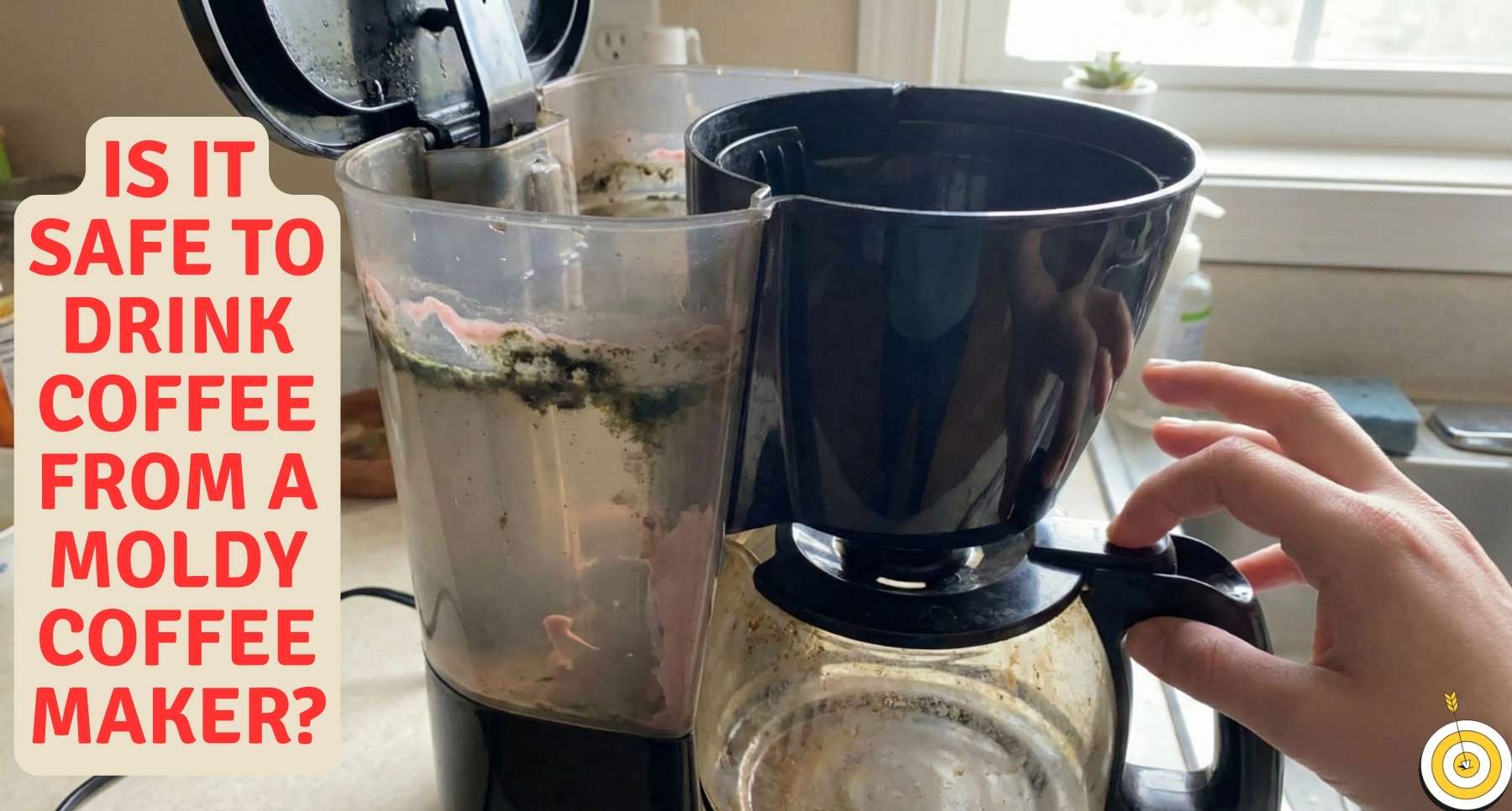
But it tastes wrong. It tastes like a wet rag or a damp basement. You check the water tank. You see green fuzz or pink slime.
Now you feel sick. You ask yourself the big question: Is it safe to drink coffee from a moldy coffee maker?
I have been there too. It happens in humid Florida kitchens and dry Arizona homes alike. It is gross. But don’t panic yet. We will look at the risks. We will check if it can make you sick. Then, we will scrub that machine until it shines.
Can Mold in a Coffee Maker Make You Sick?
Let’s cut right to the chase. I know exactly where you are right now. You are probably staring at that half-empty mug on the counter. You are wondering if you need to call a doctor.
Here is the short answer: Yes, it can. But please, do not dial 911 just yet.
I have looked into the biology of this. Drinking coffee from a dirty machine exposes you to mold spores and bacteria. It sounds gross, I know. But here is the good news. For most healthy adults, the human body is pretty tough. Your stomach acid is strong enough to handle small amounts of this stuff without major damage.
However, you should know the risks. If you have mold allergies or a compromised immune system, you are at higher risk. The main threats are hidden villains called mycotoxins and fungal spores. These can trigger respiratory issues or make you feel congested.
So, to answer the big query: Is coffee mold dangerous? While it is usually not fatal, it can cause some very uncomfortable reactions. It is definitely not a flavor profile you want to add to your morning routine.
What Happens if You Drink Coffee from a Machine That Has Mold?
So, you took a sip. Maybe you were rushing to work and finished the whole cup before you realized. I have been there. It is a sinking feeling. You put the mug down and just stare at it.
Here is the breakdown of what is actually happening inside your body.
The Immediate “Ick” Factor
First, let’s talk about the mental side. The moment you see that fuzz, you feel a wave of nausea. This is usually just panic. You know you drank slime, and your brain hates it.
But then there is the taste. Unfortunately, the flavor is not the rich roast you paid for. Instead, the taste feels off—sometimes surprisingly bitter or even sour.
Some people say it has “earthy notes,” which is a nice way of saying it tastes like dirt or a wet basement. That flavor lingers on your tongue.
Moldy Coffee Maker Symptoms to Watch For
If you are wondering what happens if you drink moldy coffee, you need to listen to your body. Most of the time, you will be fine. But sometimes, your system reacts. Here are the moldy coffee maker symptoms to keep an eye on:
- Stomach Issues: This is the most common sign. You might feel sudden bloating or gas. If your stomach really disagrees with the mold, you might get diarrhea. Think of it as your body’s way of evicting the intruder fast.
- Sneezing and Coughing: If you have a mold allergy, this will hit you first. You might start sneezing or coughing. You may feel congested, almost like a cold came on out of nowhere.
- Headaches: Watch out for a dull throb in your head. This is not the usual headache you get from skipping caffeine. It feels heavier and just plain bad.
Why Do Coffee Makers Get Moldy Anyway? (It’s Not Just You)
Please do not beat yourself up. Do not feel dirty. I used to think I was just lazy when this happened to me. But the truth is simpler. These machines are basically luxury condos for fungi and bacteria.
Think about the environment inside your brewer. It provides the “perfect storm” for growth.
- Heat: The machine stays warm after brewing.
- Moisture: Water sits in the tank or lines.
- Darkness: The inside is pitch black.
This is the unholy trinity for mold.
You might spot a pinkish slime in the reservoir. That is often Serratia marcescens. It is a bacteria you also see in bathrooms. It loves damp spots. Then there is biofilm. This is a slippery layer that forms inside the water lines where you cannot see it.
I have been guilty of this myself. One Friday morning, wet coffee grounds sat in the basket while I rushed out the door for a soccer game. By the time I left, they were completely forgotten.
By Monday morning, that filter basket was a science project. It happens to the best of us.
How to Spot the Gross Stuff: Identifying Mold in Your Brewer
Sometimes it is obvious. You might see green fuzz waving at you. But sometimes, the signs are sneaky. I used to ignore them until it was too late.
Here is how I check my machine now.
- The Sight Test: Lift the lid. Look inside the water tank. Do you see floating spots? Look for black or pink slime rings. They love to hide near the bottom water intake.
- The Smell Test: Brew a fresh cup. Lean in and take a whiff. Does it smell like a wet dog? Does it remind you of a damp towel? That is mildew, not a dark roast.
- The Taste Test: Take a sip. Does it taste weirdly acidic? I once blamed a bad bag of beans for a “swampy” flavor. It turned out the beans were fine. The machine was the problem.
How to Prevent Mold in Coffee Maker & Clean It Properly
Okay, let’s scrub this thing. We need to stop being afraid of our morning routine. It is time for a total reset.
The Deep Clean Method (Vinegar vs. Descaling)
I use the classic vinegar method. It is cheap and it works.
- Vinegar Flush: Mix equal parts white vinegar and water. Pour it in the tank.
- The Process: Start the brew cycle. Here is the trick. Pause it halfway through. Turn the machine off. Let that hot vinegar sit inside the tubes for an hour. It kills the hidden gunk. Then, turn it back on to finish.
- Rinsing: Run fresh water through the machine. Do this two or three times. You do not want your next cup to taste like a pickle jar.
- Commercial Descalers: I use these sometimes. But they are mostly for hard water scale. If you want to kill mold, vinegar is the king.
Daily Habits for a Mold-Free Life
You do not need to deep clean every day. Just change a few habits.
- Leave the Lid Up: This is my #1 tip. After you brew, flip that lid open. Let the tank air dry completely. Mold hates dry air.
- Toss the Grounds: Do not let wet grounds sit in the basket all day. I used to do this. It is a bad habit. Dump them right away.
- Soap and Water: Wash the glass pot and the filter basket with warm soapy water. It takes two minutes.
When to Throw in the Towel (and the Machine)
Sometimes, no amount of vinegar is going to save a $20 drip machine from 2018. I have been in that situation before. Once, I even tried to rescue an old brewer and ended up scrubbing it for nearly an hour.
But eventually, you have to know when to fold ’em.
Here are the signs that it is time to say goodbye.
- The “Internal” Problem: Look at the tubing. If you can see mold deep inside translucent tubes that you cannot reach, it is over. You cannot clean what you cannot touch.
- The Recurring Smell: Maybe you descaled it. Then you descaled it again. If it still smells musty or like a wet basement, the mold is likely in the heating element or deep pump.
- The Verdict: It is safer to buy a new one. It is definitely tastier too. Do not risk chronic moldy coffee maker symptoms just to save an old appliance.
Conclusion
Take a deep breath. You are likely going to be just fine. Drink a tall glass of water. Maybe eat some yogurt to get some good probiotics in your system. And please, forgive yourself. We all get busy. It happens.
Do me a favor right now. Walk over to your kitchen. Look at your coffee maker. Is the lid closed? Go open it. Let it breathe.
If you are tired of scrubbing slime and just want a fresh start, I have a list for you.
Ready to upgrade? Check out our guide to the easiest-to-clean coffee makers.
Frequently Asked Questions
Can drinking moldy coffee make you sick?
Yes, it can cause stomach aches. You might feel bloated or get a headache. Most healthy people will be okay. If you feel very bad or have allergies, call a doctor.
How do I clean mold from my coffee maker?
Mix white vinegar and water. Run the brew cycle. Pause it halfway to let it soak inside. This kills the germs. Rinse it well with fresh water to remove the smell.
What does moldy coffee taste like?
It often tastes bitter or sour. You might notice a musty flavor. It can taste like dirt or a damp basement. If your brew tastes off, do not drink it. Pour it out.
Why is there pink slime in my water tank?
That pink slime is a bacteria. This problem thrives in damp spots. More than just a stain, it usually signals that the machine itself is dirty.
Wash the tank with warm soapy water right now.
How can I prevent mold in my coffee maker?
Leave the lid open after every use. This lets the tank air dry. Mold loves wet and dark places. Wash the glass pot and filter basket with soap every single day.