
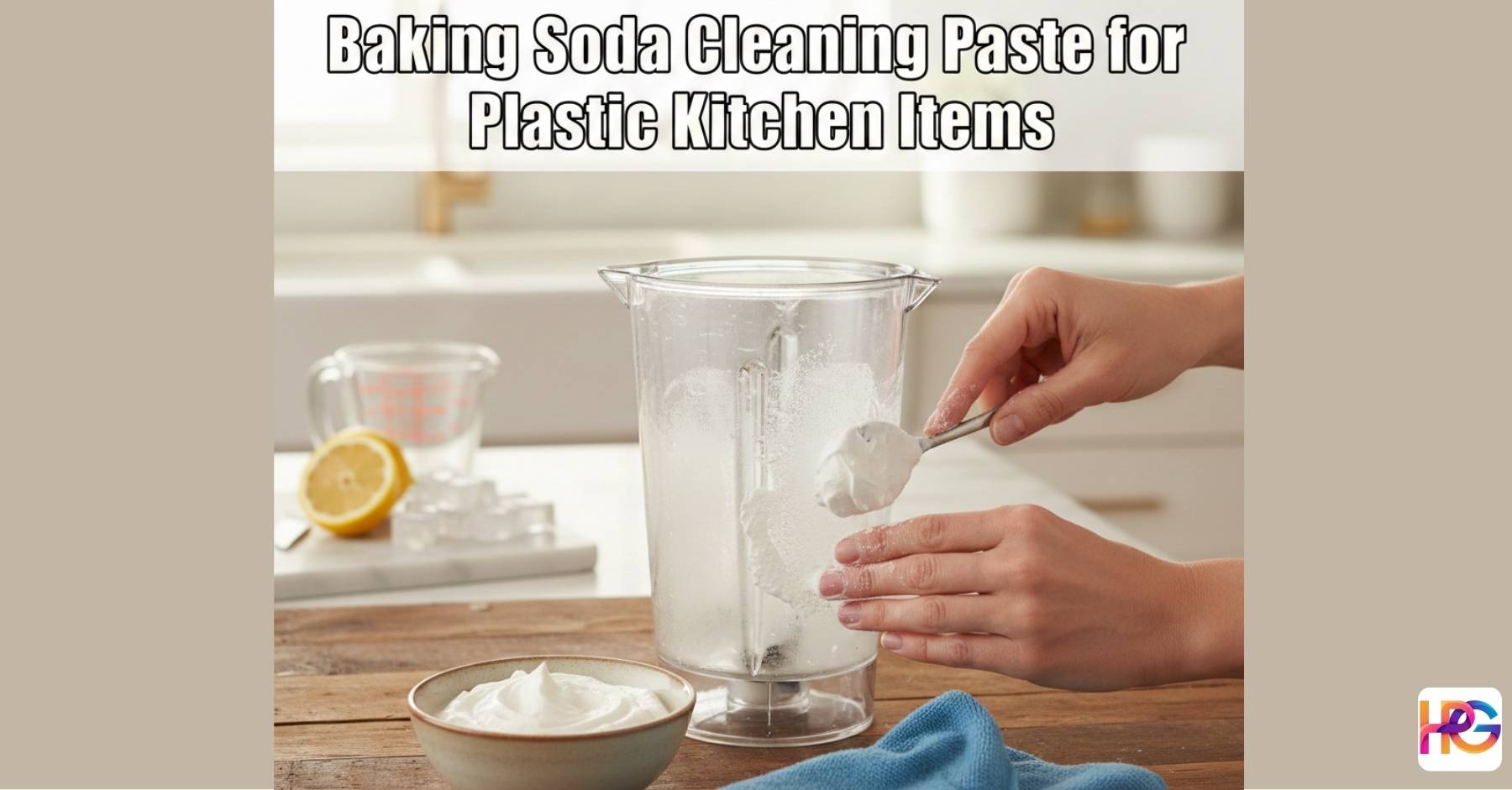
It is Sunday in my hot Texas kitchen. The sun shines bright. I want a cold drink. I grab my top brand blender. But ugh. It looks so gross. The clear parts are now dull and gray. It smells off, too. I try to wash it. No luck.
I need a fast fix. I look under the sink. I must make a simple baking soda cleaning paste for plastic kitchen items. I feel the rough grit of the dust in my hand. I hear a quick hiss as it hits the warm water.
Why Does Plastic Get So Foggy and Weird?
I wash my plastic bowls and pitchers every single day. But they still end up looking cloudy and sad over time, which just drives me crazy!
Sitting at my kitchen island last Tuesday, I held my dull prep bowls to the light. Why does this happen even when we scrub them? It comes down to three sneaky culprits.
Hard Water Minerals
The tap water in my house is very hard. It leaves a sneaky white film behind. Minerals like calcium and magnesium stick to plastic like tough glue. You can almost feel the dry, chalky crust if you rub your thumb on it.
Micro-Scratches
I love tossing frozen fruit into my blender. But sharp ice cubes and hard seeds whip around so fast. They act just like rough sandpaper. They leave tiny cuts and scratches inside the plastic. Food oils and dirt hide deep inside these lines. This makes the whole thing look totally foggy.
Dishwasher Heat
I used to put everything in the dishwasher to save time. That was a big mistake. The hot dry cycle is way too harsh for clear gear.
- It bakes old food oils right onto the walls.
- It melts the plastic just a tiny bit.
- It ruins the smooth finish.
Now I know that gentle hand washing is much better!
How to Make the Perfect Baking Soda Paste
You only need two cheap things from your kitchen to make this magic cleaner. It is super easy and works right away.
Just yesterday, I stood by my sink making a fresh batch. I needed to save a foggy salad bowl before my friends came over for lunch. I grabbed my small wooden mixing spoon and got to work.
Here is my quick recipe:
- Mix three parts baking soda.
- Add one part warm water.
I always stir it up fast. You can feel the mix get stiff against the spoon. It should feel thick and heavy. It looks just like white cake frosting! If it drips right off your spoon, it is way too wet. Do not panic. Just add a pinch more powder to fix it until it feels right.
I love this method so much. Using baking soda pastes plastic cleaning tricks is incredibly smart. The fine powder acts as a mild abrasive. It gently rubs away sticky oils and cloudy spots without digging deep gouges into the surface. Plus, it is much safer than harsh chemicals. Strong chemical sprays smell awful in a closed kitchen. They can also ruin your safe food bowls. This simple paste protects your health and saves your gear at the same time.
The Best Baking Soda Blender Pitcher Scrub
I drink a green smoothie every single morning at seven. It is a healthy habit, but it left my blender looking totally awful! By last Friday, the clear jug was a dull, gray mess. I needed a safe baking soda blender pitcher scrub to save it. Here is exactly how I fix it. I do this without scratching the soft plastic even more.
Step-by-Step Cleaning Guide
- Step 1: Coat it thick. I scoop up the wet paste with my bare fingers. It feels cold and sandy. I smear it thick over all the foggy parts. Do not be shy with it. Cover every single cloudy spot.
- Step 2: Let it sit. This is always the hard part for me. I am so impatient! But you must wait at least 15 minutes. Go drink a cup of coffee. Let the baking soda for cloudy blender magic happen. It needs time to pull out the trapped food oils.
- Step 3: Scrub gently. I grab a soft blue microfiber cloth. I wet it just a little bit under the tap. Then, I rub the paste in small circles. You will feel the fine grit working hard under your hand. It is the best way to remove cloudiness from blender jar walls safely.
- Step 4: Rinse it away. Wash the whole thing out with really warm water. Watch the murky white paste slide down the sink drain.
Holding that sparkling clean blender up to the bright kitchen window brings me pure joy. It looks brand new again. What a huge relief!
Other Ways to Remove Foggy Plastic Naturally
Sometimes the baking soda paste needs a little extra help. Just last Wednesday, I found an old food storage bin hiding deep in my pantry. It was covered in really stubborn cloudy spots. I honestly almost threw it out in a moment of frustration! But I keep two easy backup tricks ready for moments exactly like this.
Trick 1: The White Vinegar Soak
Pour half a cup of plain white vinegar right into your dull bowl or blender pitcher. Fill the rest of the space with warm tap water. Walk away and let it soak for one full hour.
You will quickly catch that sharp, sour smell of vinegar hitting the sink. It always tickles my nose! The smell is a bit strong, but it truly works. The mild acid eats away those tough hard water spots so fast.
Trick 2: Lemon Peels and Ice
This is my absolute favorite trick. It feels a bit like making a weird, loud kitchen cocktail.
Toss half a chopped lemon straight into your blender. Leave the yellow peel right on! Add a big handful of hard ice cubes. Blend it all on high speed for about 30 seconds. The crunching noise is super loud, but the fresh citrus smells amazing in the air. The rough ice and lemon acid lift sticky stains easily. It is such a fun and fast way to remove foggy plastic naturally.
Tips to Keep Your Kitchen Plastic Looking New
Once you get your gear totally clean, you want it to stay that way. Am I right? I learned this lesson the hard way. I used to ruin my plastic items all the time. Now, I follow three strict rules in my house. Stop doing these bad habits right now.
- Rule 1: Stop Using Green Scrubby Sponges I used to scrub hard with rough green pads. I thought they worked better. I was so wrong! They scratch the soft plastic so badly. You can actually hear the awful scraping sound against the bowl. Dirt then hides deep inside those tiny cuts. Now, I only use soft microfiber cloths. They clean perfectly without scratching.
- Rule 2: Rinse Everything Right Away Last Thursday, we had a big family spaghetti dinner. I left leftover red sauce in a clear storage tub overnight. Huge mistake! The next day, the tub was bright orange. It smelled just like old garlic, too. Never let tomato sauce or yellow turmeric sit in your plastic bowls. You must rinse them out with warm water right away. Do not wait for the morning!
- Rule 3: Skip the Dishwasher Heat I know the dishwasher is fast and easy. But the hot dry cycle is the true enemy of clear plastic. Think about that huge blast of hot steam when you open the door. That same high heat slowly melts and bends your cups and bowls over time. It bakes old stains right into the walls. Just wash your plastic gear by hand. It only takes two short minutes.
Frequently Asked Questions
Can I use baking soda on all plastic?
Yes, it is very safe. This soft powder will not scratch your favorite bowls. It cleans clear plastic jars without any harsh chemicals.
How do I fix a cloudy blender jar?
Mix baking soda with warm water to make a thick paste. Rub it on the foggy spots. Let it sit for fifteen minutes to lift old food oils.
Will vinegar help remove hard water spots?
Yes, white vinegar works great. Soak your dull plastic in a vinegar bath for one hour. The mild acid eats away the white mineral film fast.
Why did my plastic turn yellow or orange?
Tomato sauce and turmeric stain plastic very quickly. The bright colors sink into tiny cracks. Always rinse your food containers with cold water right away.
Is it safe to put clear plastic in the dishwasher?
It is best to wash them by hand. High heat from the dry cycle can melt the surface. This makes your clear pitchers look dull and gray over time.