
I want to share a story with you. It is a scary one. It happened on a normal Tuesday afternoon. The sun was shining. I was happy. I was baking a cake for my friend’s birthday. Everything felt perfect. Then, it happened. I saw something dark and awful in my cake batter. It was black motor grease. This is my story of that day. I hope it helps you stay safe in your own kitchen.
A Perfect Day Turns Into a Nightmare
Baking is my happy place. I love the smell of flour and sugar. I love the hum of my stand mixer. On that day, I was making a vanilla cake. It was a recipe I knew well. I put the butter and sugar in the bowl. I turned on my mixer. It started to whip them into a fluffy cloud.
I added the eggs one by one. Then came the vanilla. The kitchen smelled so good. I felt calm and happy. I was thinking about my friend’s smile when she saw the cake.
Then, I stopped the mixer to scrape the sides of the bowl. That is when I saw it. A thin, black line. It looked like a dark spider web in my beautiful, pale batter.
My heart stopped for a second. What was that?
I touched it with my finger. It was slick. It was greasy. It was a dark, ugly gray-black color. It smeared against my skin. It smelled faintly of metal and oil. It was not a part of my recipe. My mind started racing. Where did this come from?
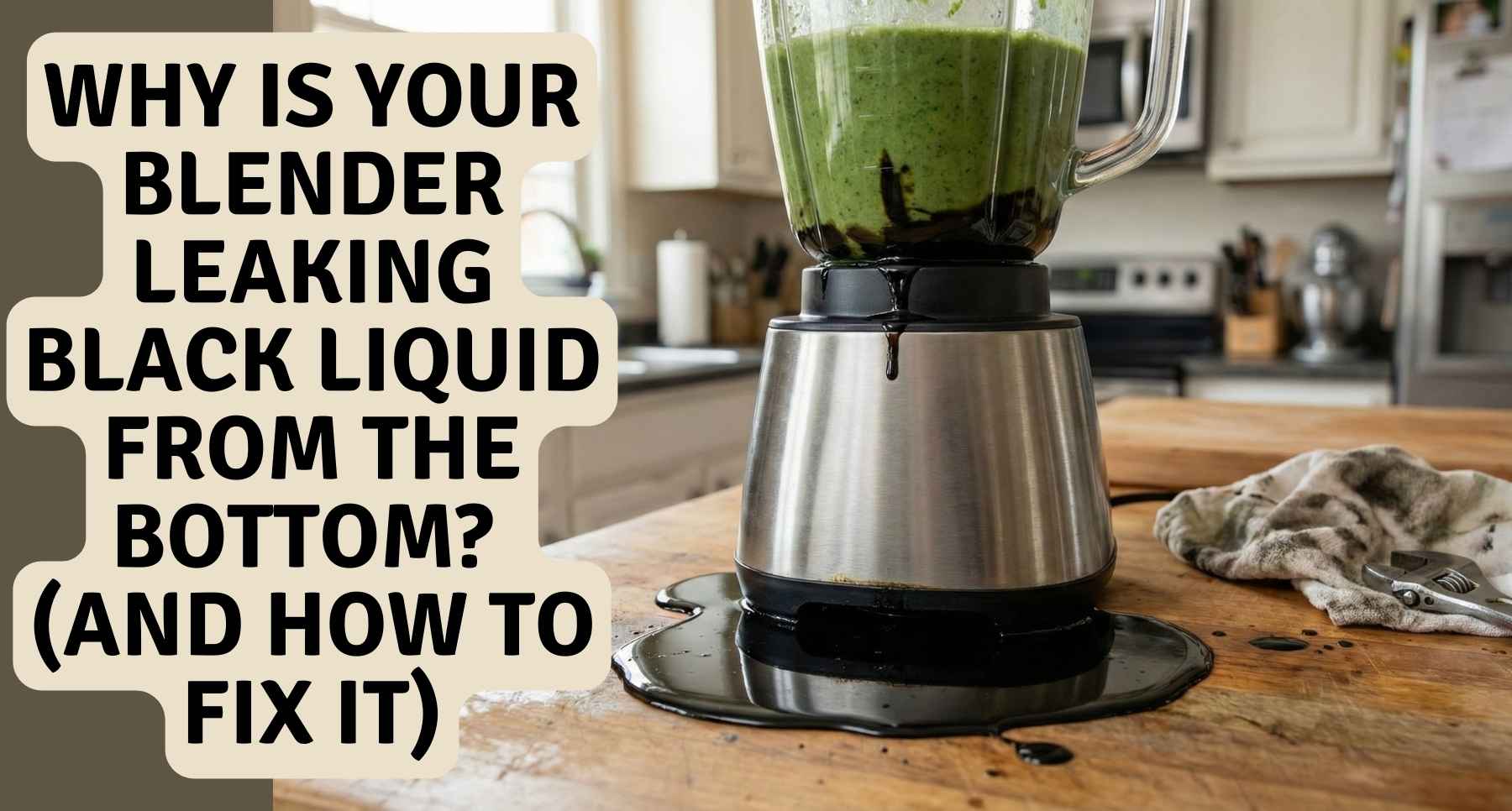
I looked up at my stand mixer. It was a good one. I had saved up for it. I looked at the part where the beater attaches. There, I saw it. More of the black grease. It was slowly dripping from the machine. Right into my food.
The Moment of Panic and Realization
I felt a wave of panic. My first thought was my friend. What if I had not seen it? What if I had baked this cake and served it? The thought made me feel sick.
I grabbed my phone. My hands were shaking. I typed “black grease leaking from mixer” into the search bar. The results were a mix of things. Some people said it was normal. They said it was food-safe grease that had oxidized. Others told horror stories. They talked about toxic metals and getting sick.
I did not know what to believe. My gut told me one thing. Black, oily stuff does not belong in food. Ever.
I threw the entire bowl of batter in the trash. It hurt to waste all those good ingredients. But I could not take the risk. I felt angry at my mixer. I felt scared for what could have happened. That perfect baking afternoon was ruined.
What Is This Black Stuff, Really?
After the panic faded, my curiosity took over. I needed to know what this black grease was. Was it really dangerous? Or was I overreacting? I spent the next few hours reading everything I could find. I learned a lot.
There are two main types of grease you might find in a kitchen appliance. It is very important to know the difference.
Food-Grade Lubricants vs. Industrial Grease
Most kitchen gear, like my mixer, uses food-grade lubricants. These are special oils and greases. They are made to be safer in places where they might touch food. But “safer” does not mean “edible.”
| Grease Type | Purpose | Safety Level |
|---|---|---|
| Food-Grade (H1) | Lubricate machines in food prep areas | Non-toxic in tiny, accidental amounts |
| Industrial/Motor | Lubricate car engines, heavy machinery | Highly toxic, not safe for consumption |
The black stuff from my mixer was likely an H1 food-grade grease. The dark color comes from tiny metal particles from the gears mixing with the grease over time. It can also happen when the grease gets old and breaks down.
So, is it safe? The official answer is “incidental contact.” This means a tiny, invisible amount is not likely to hurt you. A whole drip of black goo, however, is not incidental. No one should eat that.
Industrial motor grease is a different beast. It is full of things that can seriously harm you. If your food is ever contaminated by something that smells like a car engine, do not eat it.
Health Risks: Why You Should Never Ignore Contamination
Eating food with any kind of machine grease is a bad idea. My research showed me just how bad it can be.
Even food-grade grease can cause problems. It can upset your stomach. It can cause cramps or diarrhea. Your body is not meant to digest lubricants.
Industrial grease is much worse. It can contain heavy metals like lead or arsenic. These are poisons. They can cause long-term health problems. They can damage your organs and your nervous system.
Here’s a simple breakdown of the potential risks.
- Upset Stomach: This is the most common issue.
- Allergic Reactions: Some people might have a reaction to additives in the grease.
- Chemical Pneumonia: If you inhale oily fumes, it can harm your lungs.
- Heavy Metal Poisoning: This is a serious risk from non-food-grade lubricants.
Seeing this list made me so glad I threw that batter away. My friend’s health is worth more than a cake.
How to Check and Clean Your Kitchen Appliances
This whole experience taught me a big lesson. I need to take better care of my kitchen tools. They are machines. And machines need maintenance. I now have a routine to keep my appliances safe and clean.
My Monthly Kitchen Tech Check-Up
Once a month, I do a quick check on my most-used appliances. It only takes a few minutes.
My Safety Checklist:
- Visual Inspection: I look for any signs of leaks. I check around gears, motors, and moving parts. I look for drips, smears, or residue.
- Listen Carefully: When I turn on a machine, I listen. Is it making a new noise? Grinding, squealing, or clunking sounds can mean there is a problem inside.
- Wipe Down: I take a clean, white paper towel and wipe down key areas. For my mixer, I wipe the spot where the beater connects. The white towel makes it easy to see any dark grease.
- Check the Manual: I re-read the cleaning section of the user manual. Am I following the manufacturer’s advice? Sometimes they have very specific tips.
What to Do If You Find Grease
If you find that black goo, do not panic. Here is what to do.
First, stop using the machine right away. Unplug it.
Second, throw away any food that might be contaminated. Do not taste it. Do not risk it.
Third, clean the appliance thoroughly. Use warm, soapy water to remove all the visible grease.
Fourth, figure out why it leaked. Does the machine need to be serviced? Is a seal broken? You might need to call a professional. Or, if it is an old machine, it might be time to replace it. I called the company that made my mixer. They told me it was time for a tune-up.
Living with My Kitchen Fears
I would be lying if I said I was completely over it. Now, every time I use my mixer, I feel a little bit of fear. I watch it like a hawk.
The experience changed me. It made me a more careful cook. It made me more aware of food safety. I used to just trust my tools to work. Now, I know that I am the one in charge of my kitchen’s safety.
It was a scary day. But it was also a valuable one. It reminded me that making food for people is an act of love. And part of that love is making sure the food is safe to eat.
So, check your mixers. Check your blenders. Check your food processors. Do not let a perfect day be ruined by a little black grease. Keep your kitchen safe. Keep your loved ones safe. And bake with peace of mind.
FAQs about black grease in kitchen tools.
1. What is the black grease leaking from my stand mixer?
That black grease is usually the tool’s own lubricant. It gets dark from heat and tiny metal bits from the gears. This is a common issue for many kitchen appliances.
2. Is it safe to eat food that has black tool grease in it?
No, it is not safe to eat. You should throw away any food the grease has touched. Even food-safe grease is not meant to be eaten, and it shows your tool needs a check-up.
3. How can I prevent my KitchenAid or Cuisinart mixer from leaking grease?
Use your mixer regularly to keep its lubricant from separating. If a tool sits for too long, the oil can leak out. Consistent use helps maintain the appliance’s gears.
4. What’s the right way to clean black grease off my kitchen tool?
First, make sure the appliance is unplugged. Use a soft cloth with warm, soapy water to carefully wipe the grease off. This simple cleaning keeps your tool safe for use.
5. Does this black grease leak mean my mixer is broken?
Not always. A small leak might just mean the tool needs to be used more, but a large leak signals a problem. Check the gears and seals to see if your mixer needs repair.