Simple Spice Freshness Test I Use in 5 Seconds (And Why It Saved My Cooking)
A few years ago, I ruined a pot of chili on a Sunday night.
The recipe was solid. The meat was good. I followed every step. Yet the flavor felt flat. No warmth. No kick.
That night, I learned something simple.
It wasn’t the recipe. It was my spices.
Since then, I’ve used a simple spice freshness test before cooking. It takes five seconds. No tools. No apps. Just my senses.
If I had to describe the freshness test herbs and spices in one simple way, I’d say it is a quick check of smell, color, texture, and overall condition.
Here’s exactly what I do, what I noticed, and what actually works in a real kitchen.
The 5-Second Simple Spice Freshness Test I Use Every Month
I test my spices once a month. I also check them before hosting guests.
The process is simple:
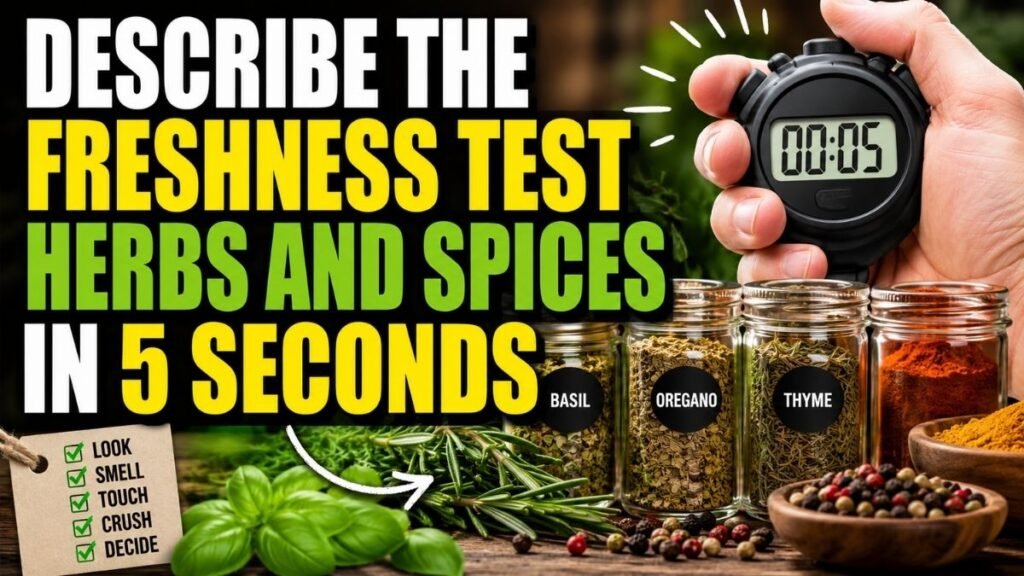
Smell → Color → Clump → Shake → Decide
Each step tells me something different. Over time, I’ve learned what fresh vs. stale spices really look and feel like.
The Smell Test: My Fastest Freshness Check
This is always my first move.
I rub a small pinch between my fingers and take a deep breath.
What I Notice With Fresh Spices
Fresh spices hit fast.
The smell is sharp. Clear. Almost loud.
When I open cumin that’s fresh, it smells warm and earthy right away. Fresh paprika smells sweet and deep. Good cinnamon smells cozy before it even touches food.
What Stale Spices Smell Like
Stale spices are quiet.
Sometimes I have to put the jar close to my nose. That’s a red flag.
If I rub it and barely smell anything, I know the flavor will probably be weak too.
Once, I tried using two-year-old ground coriander. It smelled like dust. The curry tasted the same.
That was the last time I ignored the smell test.
The Color Test: What Fading Really Means
Color tells a story.
Light and air slowly fade spices. When the color fades, flavor often goes with it.
Here’s what I’ve observed in my own kitchen:
| Spice | Fresh Color | Stale Color |
|---|---|---|
| Paprika | Bright red | Dull brick brown |
| Turmeric | Deep golden yellow | Pale yellow |
| Chili powder | Rich red | Grayish red |
| Parsley | Vibrant green | Faded olive |
The first time I noticed this was with dried parsley. I kept it near my stove. After months of steam and heat, it turned from bright green to sad olive.
The flavor was almost gone.
Now I always check color before cooking big meals.
The Clump Test: Moisture Is the Silent Killer
I learned this one the hard way during winter.
My garlic powder started forming tiny lumps. I ignored it.
Big mistake.
Moisture had crept in from steam while cooking. The spice still smelled okay, but the texture changed. Later, I noticed a slight off-taste.
Clumping means moisture got inside. Moisture shortens shelf life. In some cases, it can lead to mold.
Now I gently press or shake the jar.
If it flows like sand, I relax.
If it sticks or forms chunks, I pause.
Moisture damage is not something I gamble with.
The Shake Test: Yes, I Listen to My Spices
This one sounds funny, but it works.
I shake the jar lightly near my ear.
Dry spices make a soft, sandy sound. They move freely.
Damp spices sound heavy. Almost muted.
It’s subtle. Still, once you notice it, you can’t ignore it.
This quick sound test helps confirm what I see and feel.
The Taste Test (When I Actually Use It)
I only taste spices that pass all other checks.
A tiny pinch goes on the tip of my tongue.
Fresh spices taste clear and distinct.
Stale ones taste flat. Sometimes slightly bitter.
Bitterness in sweet spices like paprika or coriander is a warning sign.
I never taste anything that looks damp, moldy, or smells sour. Safety comes first.
Why Spices Lose Freshness Over Time (Simple Science I Learned)
At first, I thought expiration dates were marketing tricks.
Then I did some reading.
Spices contain natural oils. Those oils carry aroma and flavor. Over time, four things break them down:
- Air causes oxidation.
- Heat speeds up chemical breakdown.
- Light fades color and aroma.
- Moisture creates clumps and risk.
Once those oils fade, flavor fades too.
Spices don’t usually become dangerous just because they are old. They usually become weak. However, moisture, mold, or contamination can make them unsafe.
Understanding this changed how I store everything.
Whole vs. Ground Spices: What I Noticed After Switching
Two years ago, I switched to buying more whole spices.
I bought whole cumin seeds, whole peppercorns, and cinnamon sticks.
Here’s what I noticed:
- Whole spices stay fresh much longer.
- Ground spices lose power faster.
Grinding increases surface area. More surface means more exposure to air.
Here’s the general pattern I’ve seen in my kitchen:
- Whole spices: stay strong for 2–4 years
- Ground spices: best within 1–2 years
When I grind cumin fresh, the aroma fills the room. The difference is obvious.
Now I grind small batches when I can. The flavor boost is worth it.
Best Storage Tips That Help My Spices Pass the Test
My old habit was keeping spices near the stove.
It looked convenient. It was a disaster.
Steam and heat slowly killed their flavor.
Now I store them in:
- Airtight glass jars
- A dark cabinet
- Away from the sink
- Away from direct sunlight
I also use dry spoons only.
These small changes made a big difference. My spices last longer and pass my freshness check more often.
When someone asks me to describe the freshness test herbs and spices in practical terms, I always mention storage too. A good freshness check helps, but proper storage prevents many freshness problems in the first place.
Worst Storage Habits I Had to Break
I used to:
- Store spices above the oven
- Leave lids slightly loose
- Shake spices directly over steaming pots
Each habit added moisture or heat exposure.
Fixing these mistakes improved flavor more than any fancy recipe tweak.
How Often I Test My Spices
I do a quick check once a month.
Before holidays or dinner parties, I test key spices like:
- Cumin
- Chili powder
- Paprika
- Cinnamon
It takes less than five minutes total.
That short habit saves me from bland meals.
What I Do With Spices That Fail
If a spice smells weak but looks safe, I sometimes repurpose it.
I’ve used old cinnamon in homemade potpourri.
I’ve added faded herbs to compost.
Sometimes I sprinkle non-salty spices in garden soil.
If I see mold or dampness, I throw it away immediately.
No debate. No second-guessing.
Common Spice Freshness Myths I Believed
I used to think:
“Expiration date means unsafe.”
That’s not usually true.
Most spices become less flavorful as they age, rather than automatically becoming harmful.
The real concern is moisture, mold, contamination, and poor storage.
Another myth is that freezing spices makes them last forever. In my experience, condensation can form if they are not sealed well. That adds moisture risk.
Simple storage works better than complicated tricks.
Quick Data Snapshot: What I Observed Over 3 Years
Here’s what changed after I started testing and storing properly:
| Habit Change | Result I Noticed |
| Moved spices away from stove | Stronger aroma after 6+ months |
| Switched to airtight jars | Less clumping |
| Bought whole spices | Longer flavor life |
| Monthly freshness test | Fewer bland meals |
These are not lab results. They are real kitchen observations.
Still, the pattern was clear.
My Final 5-Second Checklist Before Cooking
Before I cook something important, I run this in my head:
Smell
Color
Clump
Shake
Decide
If two signs feel off, I replace it.
That five-second simple spice freshness test has saved many meals.
If I had to describe the freshness test herbs and spices in just five words, my answer would be: smell, color, clumps, shake, decide.
Now my chili tastes bold. My curries smell rich. Even simple scrambled eggs feel better with fresh pepper.
Small checks create big flavor.
And honestly, it feels good knowing my ingredients are working as hard as I am.
FAQs: Simple Spice Freshness Test & Storage
What is the simple spice freshness test and how do I use it?
The simple spice freshness test takes about five seconds. Rub, smell, check color, shake, and look for clumps. If the aroma is weak or the spice is damp, replace it.
Do I need any tools for a spice freshness test?
No special tools are needed. Your senses can do the basic check. Still, airtight glass jars help spices stay fresh longer.
How long do ground spices stay fresh in a kitchen cabinet?
Many ground spices are best within about 1–2 years when stored well. Heat, light, air, and steam can shorten their useful flavor life. Always check the spice before cooking.
Are whole spices better than ground spices for long-term storage?
Yes, whole spices generally retain their flavor longer. They keep more of their natural oils protected from air. Grinding them shortly before use can provide stronger aroma and flavor.
What is the best way to store spices in a hot or humid kitchen?
Use airtight containers and keep them in a cool, dark cabinet. Avoid spots near the stove, oven, sink, or other sources of heat and moisture. Dry storage helps spices stay free-flowing and retain their quality.