The Best Must-Have Tools for Basic Home Appliance Repair
It was a rainy Tuesday morning here in Alabama. My kitchen felt cold. I just wanted some warm bread. Pushing the lever on my toaster did nothing. No heat came out. The bread stayed soft. That feeling of a broken machine is super annoying. We all know that heavy sigh. You start thinking about buying a new one.
But fixing things is a fun challenge. Taking the toaster out to my garage changed my mood. The smell of old dust and motor oil always makes me smile. My garage is my happy place. I love making dead machines run again. You do not need magic to do this. Your hands can do the work. You just need the right gear on your table.
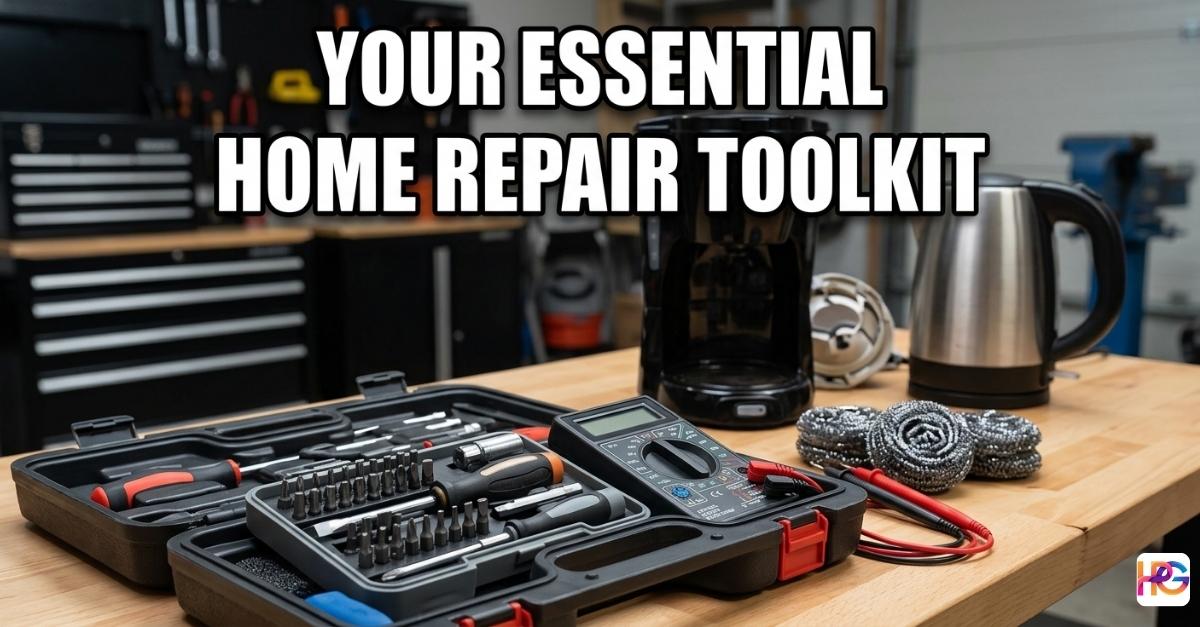
Today I want to share my top picks with you. These items form the best must-have tools for basic home appliance repair. Learning this took me years of trial and error. Some machines broke because I used the wrong items. Let me save you that headache right now. A simple setup changes how you see broken stuff.
Why Building a Small Toolkit Makes Sense
Years ago, I tried to open a blender. A cheap butter knife was my only tool. That was a truly bad idea. The metal knife bent backward. Plastic bits chipped off the blender base. Looking at the mess made me feel silly. Eventually, I had to throw the whole thing away. A proper driver would have saved it easily.
When an oven or fan breaks, panic sets in fast. Many people worry about expensive service bills. Calling a professional costs a lot of cash. Sometimes the fix is tiny. A loose wire happens often inside moving parts. Blown fuses are also super common. Basic home appliance repair tools help you find these fast.
Saving money is just one benefit. Keeping plastic out of the dump is another big win. Our planet has too much trash already. Fixing an iron keeps it useful. Repairing feels like a small victory over waste. You get a rush of pride when the power comes back on. That feeling is worth the effort every time.
My Favorite Tools for Appliance Fixes
Over time, my workbench has grown messy. Many strange gadgets sit in drawers. I bought things I almost never use. However, a few items stay right on my desk. Reaching for them becomes a habit. They save time and frustration on every job. Here are my absolute favorite tools.
A High-Quality Multi-Bit Screwdriver Set
This item serves as your main weapon. Almost every machine uses screws to stay closed. They hold the plastic shells tight together. Long ago, a flathead and a Phillips were enough. Modern devices are completely different now. Brands use weird security screws on purpose. They want to stop you from opening the device. It feels very frustrating.
A good multi-bit set changes the game entirely. Getting all the weird shapes is easy now. Star shapes and tiny triangles come in the box.
| Screw Type | Common Location | Why You Need the Right Bit |
| Phillips | Old fans and irons | Wrong sizes strip the metal head fast. |
| Torx | Coffee makers | Star shape gives your hand more grip. |
| Spanner | Microwave cases | Two prongs stop regular tools from working. |
Using the wrong bit ruins the screw instantly. Once the metal strips, you are stuck outside. Buying a good set costs a little more cash. Quality steel pays for itself on the first day. Try to find a set with a strong magnetic tip. Dropping tiny metal pieces inside a machine is awful. Magnets keep everything attached to your hand.
The Trusty Digital Multimeter
Looking at this tool feels scary at first. Dials and colorful wires stick out everywhere. The device looks like heavy rocket science. Please do not let that image fool you. Using a multimeter is actually super easy. It stands out as a must-have tool for appliance repair.
Testing for continuity is my favorite trick. Continuity just means checking if a wire is broken inside. Last month, my trusty desk fan stopped spinning. Taking the back off took five minutes. Putting the meter probes on the cord showed a beep. That sound meant the power cord was good. Next, I tested the small thermal fuse. Complete silence told me the fuse was dead. Buying a new fuse cost me pennies.
Gentle Non-Abrasive Scrubbers
Fixing kitchen machines involves really dirty work. Old gear gets nasty over the years. Thick grease, burnt crumbs, and sticky stuff hide inside. Cleaning must happen before you can fix anything. Harsh wire brushes were my go-to choice once. Scrubbing too hard scratched up a delicate heat sensor. That coffee maker never brewed a cup again.
Now, I only buy gentle non-abrasive scrubbers. Simple dish pads look weak but work great. Dirt lifts away safely with warm soapy water. Plastic parts stay smooth and shiny. Keeping sensors clean helps machines run cooler. Better airflow means your gear lasts a lot longer.
More Gear That Saves the Day
The main three items handle the big jobs. Adding a few extra things makes life even easier. Keeping these close to the workbench is smart. They fix the sneaky little problems that pop up.
Needle-Nose Pliers
Human fingers are too big for tiny machines. Thick wires pack tightly inside a standard toaster. Small plastic plugs are super hard to grab. Needle-nose pliers reach right into those tight spots. Thin metal jaws pinch wires with zero effort. Pulling off stuck connectors becomes a breeze.
Gentle pressure is the key to success here. Squeezing too hard might cut the copper wire. Just grip the base and pull back slowly. Rescuing dropped parts is another great use. Slipping pliers under a motor saves dropped screws.
A Magnetic Parts Tray
Picture a very common scene in any garage. Taking out a tiny screw takes focus. Setting it on the table seems safe enough. Your elbow bumps the edge without warning. The little screw rolls away and falls down. Hearing it bounce on the concrete floor hurts. Searching for an hour makes you angry.
This exact thing happened to me constantly. Buying a magnetic tray stopped the pain forever. Strong magnets hold every metal piece tight. Finding all your parts is guaranteed. Losing a vital screw never happens again. Cheap trays save my sanity during every weekend project.
A Good LED Headlamp
Garages rarely have perfect lighting for small tasks. Staring inside a dark washing machine is tough. Shadows hide the exact wire you need to see. Holding a flashlight in one hand is terrible. Your other hand cannot do the repair work alone.
Wearing a bright LED headlamp fixes the dark. Light points exactly where your eyes look. Both hands stay completely free to work. Spotting burnt parts takes only a few seconds. Changing batteries is the only downside. Comfort matters, so buy one with a soft strap.
Wire Strippers and Cutters
Power cords break down after heavy daily use. Dogs chew on them when we are not looking. Sometimes the plug gets crushed behind a heavy desk. Cutting the bad part off is the only fix. Kitchen scissors ruin the soft copper wires inside.
Proper wire strippers handle the job perfectly. Sharp blades cut the rubber coating clean off. Bare copper stays safe and ready for joining. Connecting a new plug takes three minutes. Having the right cutter stops messy electrical joins.
Picking the Right Tool Every Time
Knowing what to use solves half the problem. Looking at the exact symptoms is very important. Listening to the broken machine gives major clues. A loud hum points to a stuck motor part. The smell of smoke means burned wires.
Signs tell you which exact item to grab first.
| Appliance Symptom | First Tool to Grab | What to Check First |
| Totally dead, no lights | Multimeter | Test the power cord and main fuse |
| Loud grinding noise | Screwdriver | Open the case to look for hard jams |
| Sticky control buttons | Scrubber | Clean away coffee or juice spills |
| Loose internal wire | Pliers | Push the metal connector back on |
Using this quick list helps me focus fast. Guessing is no longer part of my routine. Clues guide my hands to the proper gear. Fixing stuff feels like a giant puzzle game.
Organizing Your Basic Repair Kit
Tools get lost easily if you are sloppy. Piles of gear on a desk look terrible. Finding a specific plier takes way too long. Good organization changes your whole repair experience.
Small tool bags work great for apartment living. Zippers keep dust away from sensitive testing meters. Metal boxes are better for heavy garage use. Sturdy drawers keep sharp items away from kids. Knowing exactly where your gear lives brings peace.
Avoidable Mistakes I Made Early On
Honesty is important when sharing advice. Perfection is absolutely not part of my story. Ruining a few good machines taught me hard lessons. Making errors helps you learn the right way. Here are my biggest slip-ups from the past.
Forgetting Where Things Go
Opening a coffee grinder seemed easy enough. Taking out ten screws went really fast. Removing springs and tiny plastic gears felt great. Fixing the jammed motor was a huge success. Looking at the pile of loose parts brought sudden panic.
Zero clues remained about how to rebuild it. The disaster forced me to change my habits entirely. Using my phone camera is my new rule. Snapping a quick picture happens at every step. Photos act like a map back home. Rebuilding is simple when you follow the visual trail.
Buying Super Cheap Tools
Setting up my garage meant buying lots of stuff. Saving money pushed me toward cheap items. Soft metal screwdrivers chipped after two minor jobs. Pliers bent out of shape on tough wires.
Bad gear makes the job much harder. Slipping causes pain to your exposed knuckles. Stripped screws ruin the whole machine. Spending a little more cash is totally worth it. Good steel tools last for many long years. Avoiding the bottom shelf saves you major headaches.
Ignoring Basic Safety Rules
Electricity bites hard when you get careless. Laziness caused my worst memory in the garage. Leaving a lamp plugged in was a huge mistake. Fixing a switch with live power is very unsafe.
A nasty shock hit my hand fast. Fear froze me for a few scary seconds. My arm tingled for hours after the zap. Unplugging the device is always step one now. Guessing if the power is off is foolish. Using the multimeter proves the cord is dead.
Final Thoughts on Fixing Things
Starting your own repair journey brings real joy. Dead machines coming back to life feels amazing. Keeping your hard-earned cash is a nice bonus. Broken junk stays out of the local trash bin.
Huge spaces are not required for this hobby. Kitchen tables work perfectly for small daily tasks. A clean corner of a room is enough. Gathering your gear slowly takes away the pressure. Buying a screwdriver set today is a good start. Getting a testing meter next month works fine.
Find some old broken machines to practice on first. Friends often give away their dead junk for free. Taking them apart teaches you how things work. Knowledge grows every time you open a plastic case.
Look around your quiet house right now. Does a ceiling fan rattle loudly at night? Does a morning blender leak water everywhere? Please do not throw them away just yet. Give the broken items one last chance. Get your simple tools ready on the table. Take a deep breath and start turning screws. You can totally do this job.
Frequently Asked Questions About Appliance Repair Tools
Which screwdriver set works best for tight security screws?
A multi-bit set with Torx and spanner bits is vital. These specialty tips let you open brands like Dyson or Keurig without damaging the plastic casing.
Is a digital multimeter safe for a beginner to use?
Yes, it is very safe if you follow basic steps. Always unplug your appliance first to check for continuity. This tool prevents guesswork during electrical repairs.
How do I store my battery tools in a hot garage?
Heat can ruin expensive lithium batteries over time. Keep your Milwaukee or DeWalt packs in a cool, dry case. Avoid leaving them on a hot concrete floor.
What is the best way to clean sticky kitchen grease?
Use a soft, non-abrasive scrubber with warm soapy water. It removes thick grime from fan blades or motors without scratching the delicate metal parts inside.
Do I really need needle-nose pliers for small repairs?
These pliers are a must-have for reaching tiny wires. They provide a firm grip in tight spots where your fingers cannot fit. They make pulling connectors very easy.