
One evening I was working in my room for hours. The air felt heavy, and my head felt dull. At first I blamed the long screen time. Still, the feeling stayed even after a break.
So I opened the window. Cool air rushed in within minutes. My head felt clearer, and the room smelled fresher.
That small moment made me curious about indoor air. I later learned about VOCs in your home. These tiny gases can build up inside closed rooms.
Most people never notice them. Yet many everyday items release them slowly into the air.
VOC Meaning: What Are VOCs in Your Home?
The first time I heard the word VOC, it sounded complex. The idea is simple once you break it down.
VOC means Volatile Organic Compounds. These are chemicals that turn into gas at room temperature. Once released, they mix with the air in your home.
Many common products release these gases. Paint, glue, and cleaners are common examples. The smell you notice after painting often comes from VOCs.
I noticed this once after painting a small shelf. The smell stayed strong for hours. Opening the window helped the air feel normal again.
Below is a quick table that helped me understand the term.
| Term | Simple Meaning |
|---|---|
| VOC | Gas released from products |
| Volatile | Evaporates easily |
| Organic Compound | Carbon-based chemical |
Learning this made indoor air problems easier to understand.
Common Sources of VOCs in Your Home
When I first looked around my home, I thought only paint released VOCs. I was wrong. Many daily items release small amounts.
Some sources are obvious. Others hide in plain sight.
Household Products That Release VOCs
Cleaning day gave me the biggest clue. I used a strong spray on my desk. The scent filled the whole room within seconds.
That smell comes from chemicals entering the air. Many sprays release fumes as soon as they leave the bottle.
Here are common household sources.
| Household Item | Why It Releases VOCs |
|---|---|
| Paint and varnish | Chemicals evaporate while drying |
| Cleaning sprays | Solvents release fumes |
| Air fresheners | Fragrance chemicals enter the air |
| New furniture | Glues release gases |
| Carpets and flooring | Adhesives emit fumes |
| Craft glue | Solvents evaporate quickly |
I once cleaned my room using several sprays at once. The smell became strong very fast. Opening the window solved the problem.
That moment showed how quickly indoor air can change.
Hidden Sources Most People Miss
Some VOC sources do not smell strong. Yet they still release gases over time.
Pressed wood furniture is one example. Many pieces use glue inside the boards. That glue can release small gases for months.
Scented candles surprised me as well. I enjoy using them during work. Still, some candles release chemicals when burning.
Dry-cleaned clothes can also carry fumes for a short time. Hanging them near fresh air helps remove the smell faster.
Once I noticed these patterns, indoor air made more sense.
Health Effects I Noticed From VOC Exposure
My first sign came during long indoor work sessions. After a few hours I felt tired and foggy. The room air felt stale.
A short walk outside helped almost at once. Fresh air made a big difference.
Later I learned that indoor gases can cause mild symptoms like these.
Common Short-Term Symptoms
Low levels of VOC exposure may cause small problems. Many people ignore these signs because they feel minor.
Some common symptoms include:
- Headaches
- Eye irritation
- Dry throat
- Light dizziness
- Fatigue
I noticed this once after deep cleaning the kitchen. Strong cleaner fumes filled the room quickly. The irritation stopped after fresh air came in.
Small clues like this helped me pay attention to indoor air.
Possible Long-Term Concerns
Long exposure to certain VOCs may cause bigger health problems. Children and pets may be more sensitive to indoor chemicals.
Some compounds can affect breathing. Others may trigger allergies in some people.
Most homes still have moderate levels. The key is reducing buildup and letting fresh air circulate.
Simple habits often solve the issue.
How Air Purifiers Help Remove VOCs
After learning about VOCs, I wondered if an air purifier could help. Many people assume all purifiers remove gases.
That is not always true.
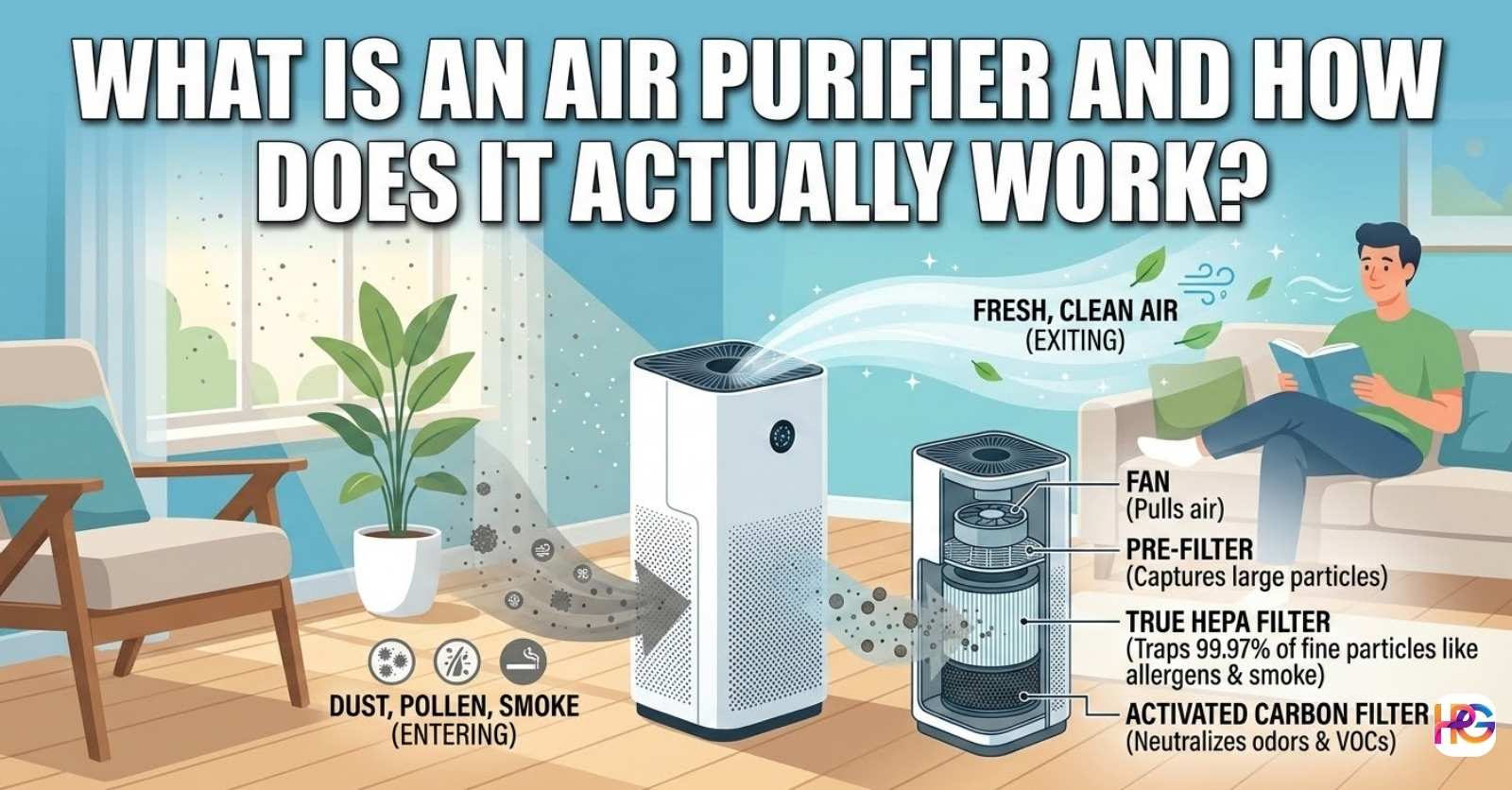
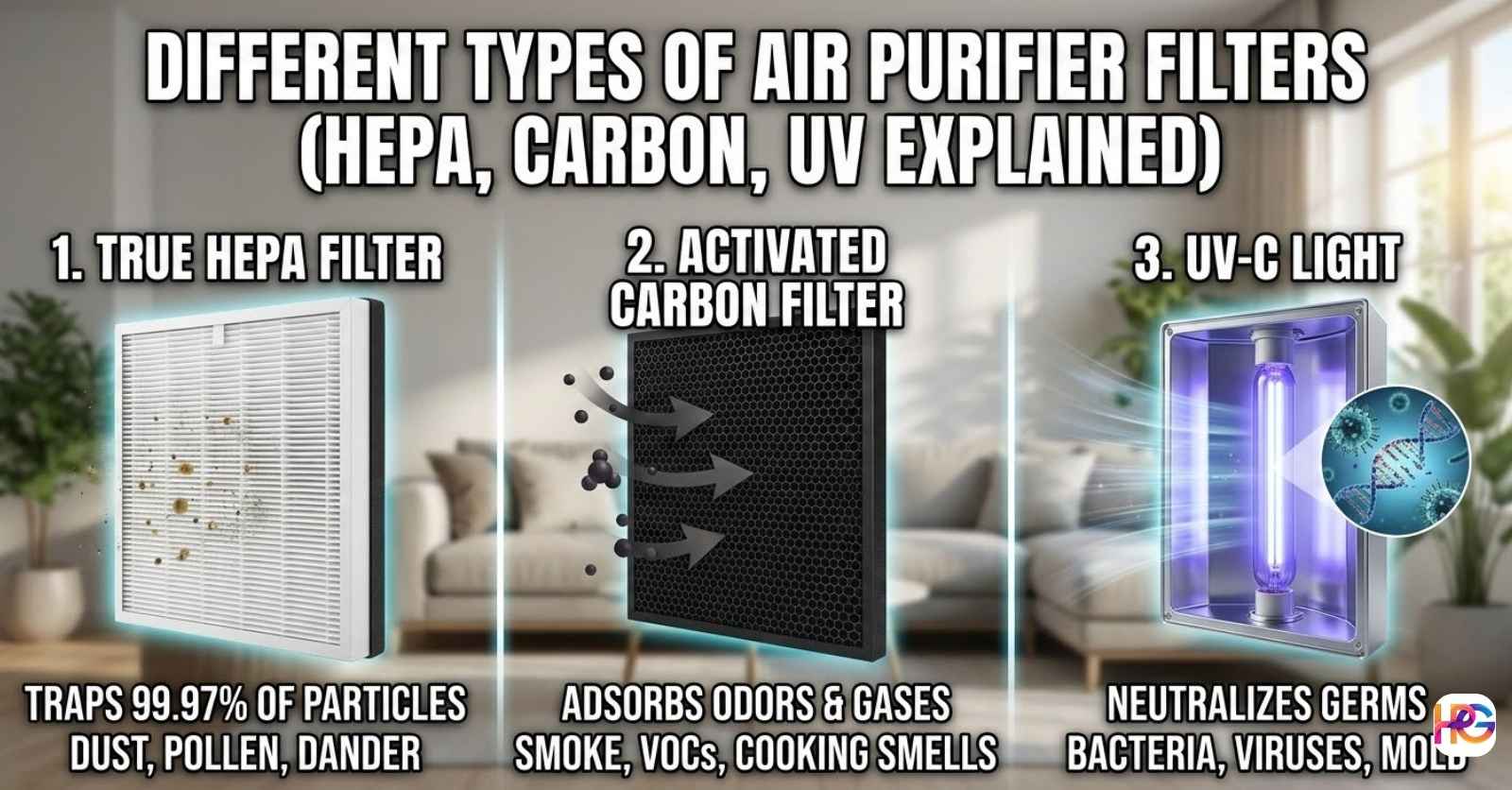
Basic purifiers focus on dust and pollen. Those particles are solid. VOCs are gases, so they need a special filter.
Activated Carbon Filters
While researching purifiers, I discovered activated carbon filters. This material contains millions of tiny pores.
Those pores trap gases and odors when air passes through them.
I noticed the change after using one. Cooking smells faded faster. Cleaning odors also disappeared more quickly.
The room simply felt lighter after running the purifier for a while.
HEPA Filters vs Carbon Filters
Understanding the filter types helped me choose the right system.
| Filter Type | What It Removes |
|---|---|
| HEPA Filter | Dust, pollen, pet hair |
| Carbon Filter | Odors, gases, VOCs |
Many modern air purifiers use both filters together. One removes particles while the other traps gases.
Even then, fresh air remains important.
Simple Ways I Reduce VOCs at Home
Over time I tried small changes to improve indoor air. None of them were difficult.
Most habits take only a few minutes each day.
Open Windows for Fresh Air
Ventilation helps more than many people expect. I now open windows during cleaning or painting.
Even ten minutes of fresh air can refresh a room.
Fans also help move air across the space. Air flow prevents gases from building up.
Choose Low-VOC Products
Many products now offer low-VOC options. Paint brands often label them clearly.
I switched to low-VOC paint when fixing a shelf last year. The smell was much lighter than older paints.
Cleaning products can also be milder. Simple cleaners work well for daily use.
Small Habits That Improve Indoor Air
A few easy habits reduce VOC buildup.
- Store strong chemicals outside living areas
- Avoid too many scented products
- Let new furniture air out first
- Clean fabrics and curtains often
When I buy new furniture, I open windows for a few hours. The strong “new smell” fades much faster that way.
Small steps make a big difference over time.
What I Learned About VOCs in Your Home
Indoor air is easy to forget. Most people think pollution only exists outside.
My experience showed something different. Homes can trap many invisible gases.
Learning what VOCs in your home are helped me notice the small details around me.
Fresh air, fewer harsh chemicals, and good filters all help improve indoor air. None of these changes require much effort.
Now when a room smells strange, I pause for a moment. I open the window and let the air move.
Most of the time, that simple step solves the problem.
Frequently Asked Questions
1. Do air purifiers really remove VOCs in your home?
Some air purifiers can remove VOCs in your home. The key tool is an activated carbon filter. It traps gases and odors that a normal HEPA filter cannot catch.
2. What type of air purifier filter works best for VOCs in your home?
An activated carbon filter works best for VOCs in your home. Many air purifiers combine carbon with a HEPA filter. HEPA handles dust, while carbon traps gas and strong smells.
3. Can a HEPA air purifier remove VOCs in your home?
A HEPA filter alone cannot remove VOCs in your home. It captures dust, pollen, and fine particles. To trap gases, the purifier also needs an activated carbon filter.
4. How often should you replace carbon filters that remove VOCs in your home?
Most carbon filters last 3–6 months in normal use. Heavy cooking, paint fumes, or cleaning sprays may shorten that time. A weak odor filter is often the first sign it needs replacement.
5. Can ventilation tools like exhaust fans reduce VOCs in your home?
Yes, ventilation tools help reduce VOCs in your home. Bathroom fans, kitchen range hoods, and window fans push polluted air outside. Fresh air flow lowers gas buildup indoors.