What Does a Bad Brake Caliper Look Like? (Top Warning Signs)
I will never forget the day my brake caliper failed. It was a cold Tuesday morning. I was driving down the highway to pick up some new car vacuums to test. Suddenly, my steering wheel started fighting me. The car pulled hard to the right. I had to grip the wheel tight just to stay in my lane.
When I finally pulled over, a harsh chemical smell hit my nose. Smoke was coming from my front right tire. It was a scary moment. You rely on your brakes to keep you safe. The calipers act like the muscle of your brake system. When they fail, you need to know the signs fast.
My motto has always been to pick better and live smarter. That means fixing small car problems before they become huge hazards. Let me share exactly what a bad caliper feels like.
How a Brake Caliper Actually Works
You need to know how the system works to spot a problem. Think of a brake caliper like a strong human hand. It sits over your brake rotor. The rotor is the heavy metal disc attached to your wheel.
When you press the brake pedal, you send fluid down the brake lines. This fluid pushes a metal piston inside the caliper. The piston then squeezes the brake pads against the spinning rotor. That harsh rubbing action slows down your car.
When you take your foot off the pedal, the caliper should let go. The pads move away from the rotor. Your wheel spins free again. But sometimes, the caliper refuses to let go. It gets stuck closed. When a caliper sticks, it causes major problems. You will feel it, smell it, and hear it.
Top Warning Signs of a Bad Brake Caliper
A failing caliper rarely happens without warning. Your car will try to tell you something is wrong. You just need to listen. Here are the top symptoms you might experience on the road.
Your Car Pulls to One Side
This was the first thing I noticed on my drive. A stuck caliper often clamps down and will not release. This means one wheel is always braking. The other wheels are rolling free.
Your car will naturally drag toward the side with the stuck brake. You will feel a steady pull on the steering wheel. It feels like a strong crosswind is hitting your car. You might notice it most when you take your foot off the gas. Do not ignore this steering pull. It makes driving very dangerous and tires you out quickly.
You Notice a Bad Burning Smell
Brakes get hot when they work normal stops. A stuck caliper makes them incredibly hot. The brake pads rub against the rotor the entire time you drive. This creates constant friction. Friction creates extreme heat.
After driving just a few miles, you will smell it. It smells like burnt carpet mixed with strong chemicals. I smelled it the second I opened my car door that Tuesday. It is a very sharp scent. If you smell this coming from your tires, pull over right away. Your brakes are literally burning up.
The Wheel Feels Very Hot
Heat is a clear sign of a stuck brake. If you smell burning, you can also check for heat. Park your car in a safe spot. Walk around to the wheel you think is stuck.
Put your hand near the wheel. Never touch the metal rim or the brake parts directly. You will burn your hand badly. Just hold your hand a few inches away. You will feel intense heat radiating from the metal. It might feel like an open oven door. You may even hear a faint ticking sound. That sound is the hot metal expanding.
Your Brake Pedal Feels Weird
Your foot can also tell you if a caliper is bad. The brake pedal should feel firm and smooth. If a caliper leaks fluid, the pedal will change. You might step on the pedal and feel it go soft. It might sink all the way to the floor mat.
This is called a spongy pedal. It means you are losing hydraulic pressure. Sometimes, the opposite happens. A seized piston can make the pedal feel very stiff. You will have to push much harder to stop the car. Either way, a weird pedal means you need a mechanic fast.
Front Versus Rear Brake Caliper Failures
Cars have calipers on the front wheels. Many modern cars also have them on the back wheels. Front brakes do most of the heavy lifting. They handle up to seventy percent of the stopping power.
They work much harder. This makes them fail more often. When a front caliper sticks, the steering wheel pulls violently. You feel it in your hands immediately.
Rear calipers act a bit different. They help keep the car stable when you stop. If a rear caliper gets stuck, you might not feel it in the steering wheel. Instead, you might feel a vibration in your seat. The car might feel like it is dragging an anchor. Rear calipers also connect to your parking brake. Pulling the lever too hard can jam a rusty rear caliper.
Why Do Brake Calipers Get Stuck?
Calipers are tough car parts. They handle extreme heat and pressure every day. But they live in a harsh place right next to the road. Things go wrong over time. Here are the main reasons they fail.
Rust and Winter Road Salt
Rust is the biggest enemy of your brakes. If you live in an area that gets snow, you know about road salt. Towns in the USA use salt to melt ice. That salt gets all over your car wheels.
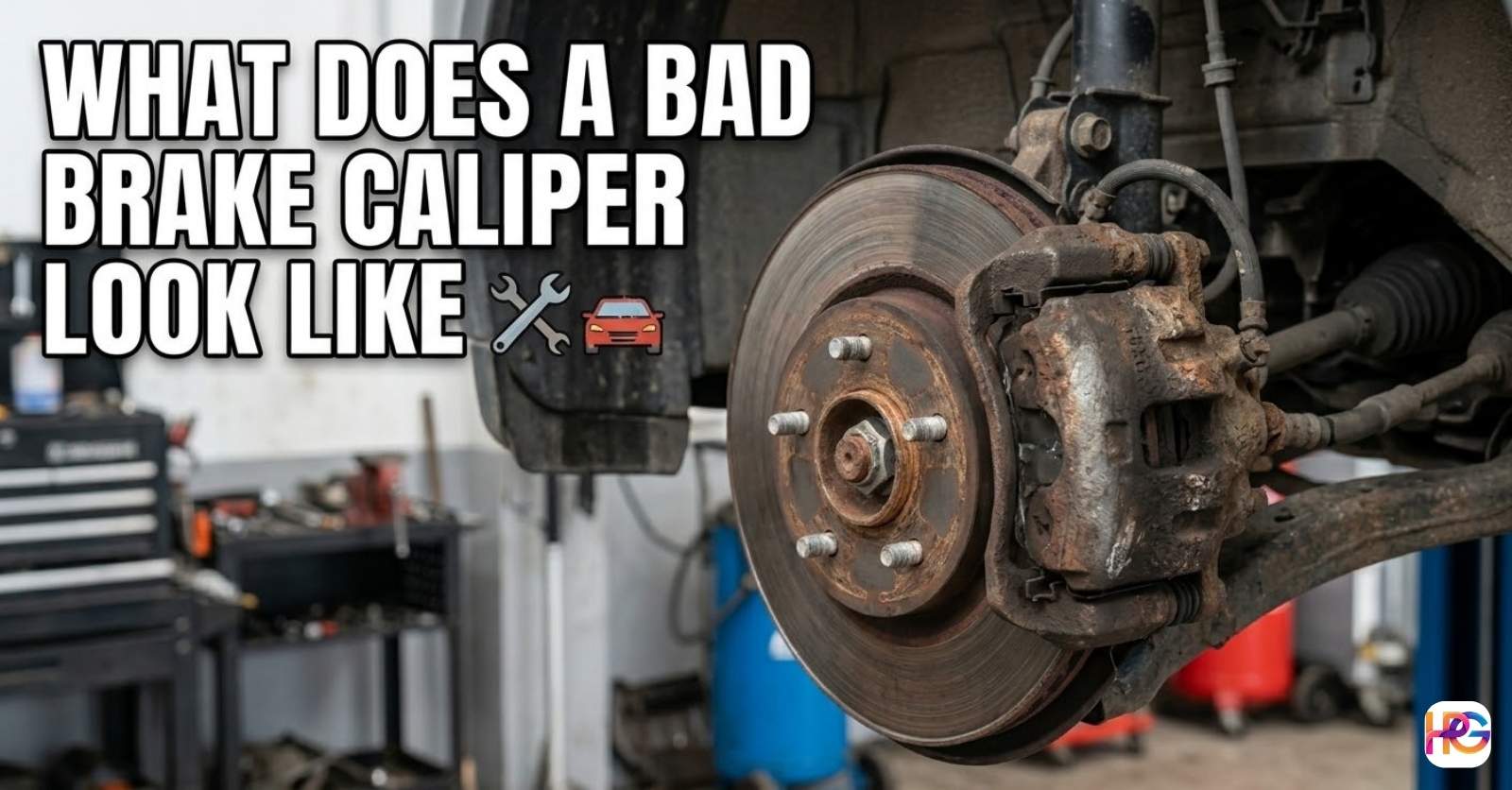
It eats away at the metal over time. Rust builds up on the caliper piston. It also coats the metal slide pins. When these parts get rusty, they cannot move smoothly. They jam up and lock the brake pads in place.
Old and Dirty Brake Fluid
Many drivers forget to change their brake fluid. This is a big mistake. Brake fluid pulls moisture from the air as it ages. Water inside your brake lines is very bad news.
The water causes the metal parts inside the caliper to rust. This rust happens from the inside out. You cannot see it until it is too late. The dirty fluid also thickens and blocks the narrow hoses. Flush your brake fluid every two years to stop this problem.
Torn Rubber Seals
A rubber boot protects the main caliper piston. This boot keeps dirt and water out of the moving parts. The rubber gets old and brittle from the extreme brake heat.
Eventually, the rubber tears or cracks open. When the seal breaks, road grit gets inside. The dirt jams the piston tight. It will not slide in or out anymore. A tiny tear in a cheap rubber seal can ruin the whole caliper.
How Much Does It Cost to Fix a Bad Caliper?
Let us look at the numbers. Fixing a brake caliper is not cheap. But you cannot put a price on stopping safely. I had to replace my front right caliper after my highway scare. The final bill was higher than I wanted. Prices change based on your car type. Here is a breakdown of what you might pay.
| Repair Type | Parts Cost | Labor Cost | Total Estimated Cost |
| Single Caliper Replacement | $130 to $300 | $120 to $300 | $250 to $600 |
| Pair of Brake Pads | $40 to $100 | $80 to $150 | $120 to $250 |
| Single Brake Rotor | $50 to $150 | $80 to $150 | $130 to $300 |
| Brake Fluid Flush | $20 to $50 | $80 to $120 | $100 to $170 |
You usually have to buy more than just the caliper. A stuck caliper ruins the brake pads. The extreme heat glazes the pad material. It also warps the heavy metal rotor. My mechanic told me I had to replace the pads and the rotor on that wheel. Most shops will make you buy brake pads in pairs. You want the left and right sides to match. This keeps your car braking in a straight line.
What to Do if Your Caliper Fails on the Road
Panic is your worst enemy behind the wheel. If you feel that hard pull and smell burning, stay calm. Take your foot off the gas pedal. Do not slam on the brakes. Hard braking makes the pull much worse. Gently guide your car to the right lane. Find a safe shoulder or a parking lot.
Turn on your hazard lights right away. Once you park, do not try to drive again. Call for help. Some people try to throw water on a smoking wheel. Never do this. Throwing cold water on red hot metal causes massive damage. The rapid cooling will crack your brake rotor in half. Just let the car sit and cool down on its own.
Can You Drive With a Bad Brake Caliper?
The short answer is no. You should never drive with a bad brake caliper. It is simply too dangerous. A stuck brake increases your stopping distance. Your car will not stop as fast as you expect. The pulling effect can also make you lose control on a wet road.
The heat is another huge risk. Burning hot brakes can start a fire. At the very least, the heat will boil your brake fluid. When brake fluid boils, it creates air bubbles in the lines. Air does not compress like fluid. If this happens, your brake pedal will go to the floor. You will have zero braking power. Do not risk your life or your car. Call a tow truck.
How to Prevent Brake Caliper Problems
You can stop caliper issues before they start. Good car care saves you money and stress. I learned my lesson the hard way. Now, I keep a close eye on my brake system. Here are a few simple steps you can take.
Get Regular Brake Inspections
Have a pro look at your brakes often. They can spot early signs of wear. A mechanic can see a torn rubber boot before the piston jams. They can also clean and grease the slide pins. This simple grease job keeps the caliper moving free.
Change Your Brake Fluid
I mentioned this earlier, but it is vital. Fresh brake fluid keeps the inside of your calipers clean. It stops internal rust from forming. Check your car owner manual for the right schedule. Most car brands say to change the fluid every thirty thousand miles.
Listen to Your Car
Pay attention to how your car drives. Notice if the steering wheel pulls. Listen for squeaks or grinding noises. Feel how the brake pedal reacts under your foot. If something feels off, get it checked right away. Small brake problems turn into expensive repairs very fast.
Frequently Asked Questions
What tool do I need to fix a stuck brake caliper?
You need a good caliper wind-back tool to push the piston in safely. A heavy-duty C-clamp also works for front brakes. This helps you work smarter in the garage.
Can I keep driving with a bad brake caliper?
No, driving with a stuck brake caliper is very unsafe. The extreme heat will boil your brake fluid and ruin your rotors. Always park the car and call a tow truck.
Why do winter roads ruin my car brake calipers?
Winter snow and heavy road salt cause fast rust on your car. This thick rust jams the metal slide pins on your bad brake caliper. Clean them often to get better tool life.
Should I rebuild or replace a bad brake caliper?
It is much safer to buy a whole new brake caliper. A tiny rebuild kit takes special hand tools and too much time. A fresh car part helps you drive safer on the road.
What is the best grease for brake caliper pins?
Always use a pure silicone brake grease on your slide pins. Normal garage oil will swell the rubber boots fast. Good silicone handles high brake heat and stops rust.