It was a very cold morning last month. Waking up early felt super hard. Getting out of bed took real effort. I just wanted a hot cup of coffee. Walking to my car made me shiver. The wind blew right through my thin coat. Jumping inside the driver seat gave me some fast relief. My hands shook slightly as I turned the key. The motor cranked a few times very slowly. Then it finally started up with a low hum.
Putting the car in gear was my next move. Backing out of the driveway felt completely normal. Driving down my street caused no big alarm. Reaching the main road changed my whole day. Pressing the gas pedal did almost nothing at all. The motor made a very loud and angry sound. Moving forward felt like dragging a huge heavy boat.
A bad smell quickly filled the cold cabin. It smelled just like old rotten eggs. Rolling down my window seemed like a good idea. Fresh air rushed in to help me breathe. The bad stink just stayed in the car anyway. Looking down at my dash made me frown deep. A small orange light stared right back at me. The check engine light was glowing bright.
My stomach sank down to my shoes instantly. Fixing small things around the house is my main hobby. Finding the best home gear to live smarter is fun. Home tools make perfect sense to my brain always. Car exhaust parts feel like a scary new world. Driving back to my house took a very long time. Parking safely gave me a quiet chance to think. Learning about my exhaust system became my daily goal.
What Does a Catalytic Converter Do Exactly
Your car burns gas to get you around town. Burning this raw fuel creates the pushing power you need. Doing this exact task also creates very dirty smoke. Sending that bad smoke straight into the air is terrible. People would get sick from breathing it all day. The natural world would look very dark and gray.
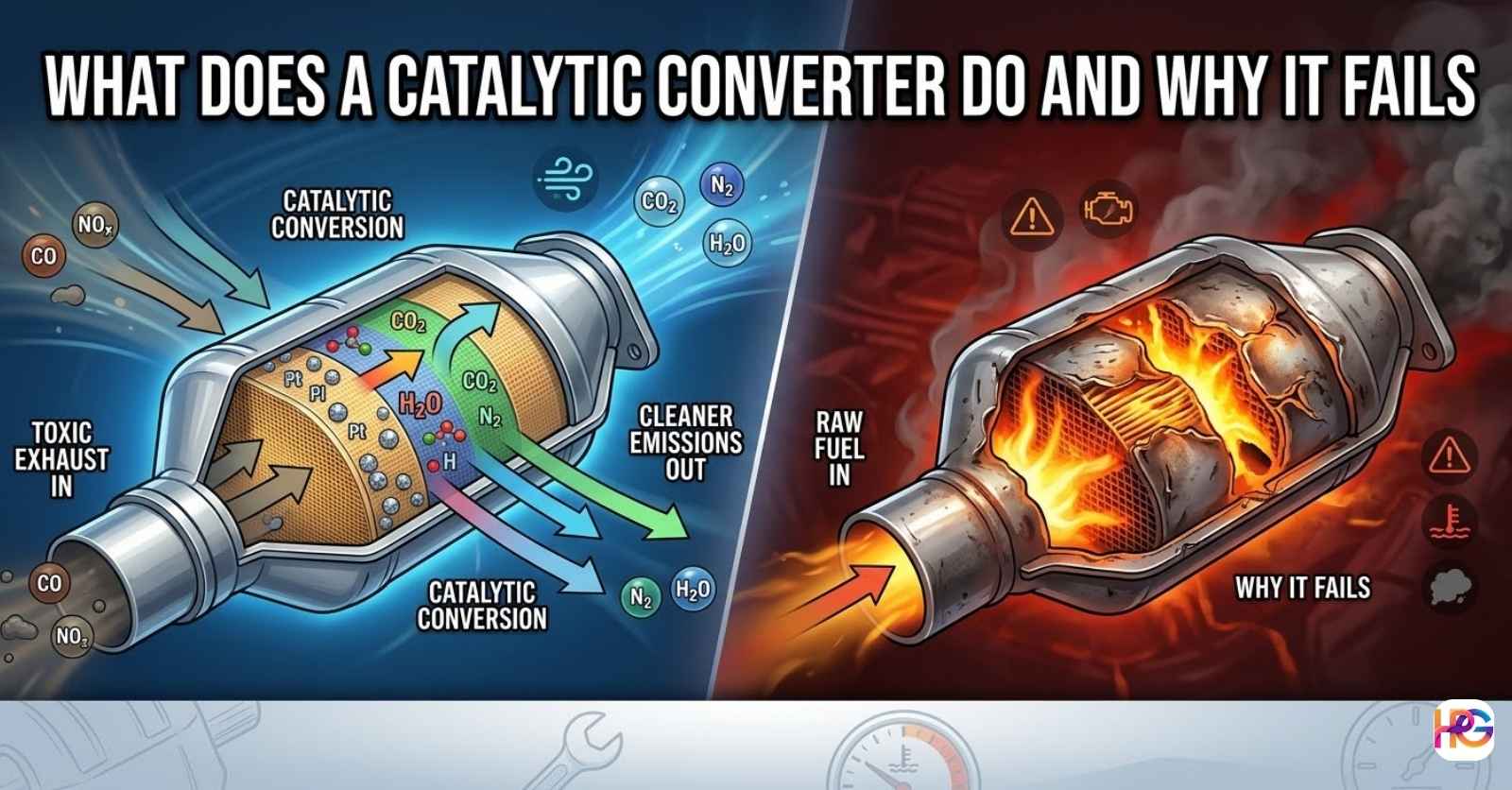
This small exhaust part acts like a silent hero. Finding it under your vehicle takes just a minute. Looking past the hot motor shows a long metal tube. It looks a lot like a fat steel football. This steel piece sits right in the main exhaust pipe. All the dirty engine smoke must flow through it first.
Inside this metal shell hides a very special filter. Peeking inside shows a neat square honeycomb shape. Making this inner part takes very rare global metals. Platinum coats the inside walls of the tiny holes. Palladium goes straight into the metal mix as well. Rhodium gets added to finish the special chemical coating.
These rare metals act like pure magic for air. Working as a quick chemical catalyst is their only job. A catalyst makes chemistry changes happen super fast. Hot toxic fumes leave your motor block all the time. Hitting this rare metal honeycomb forces a huge change. The bad gases turn into safe forms right away.
How The Engine Gases Change Form
This hidden chemical process is truly neat to learn about. Changing deadly fumes into safe air happens incredibly fast. Taking less than one second makes it work super well. Here is a very simple look at the exact gas changes.
| Bad Car Fumes | Safe New Gases | Safe To Breathe |
| Carbon Monoxide | Carbon Dioxide | Yes |
| Nitrogen Oxides | Nitrogen and Oxygen | Yes |
| Raw Unburned Gas | Water Vapor and Carbon Dioxide | Yes |
Carbon monoxide acts as a silent bad guy. Seeing this toxic gas is fully impossible for us. Smelling it cannot be done by humans at all. The hot inner filter turns it into plain carbon dioxide. Breathing out carbon dioxide is what we do daily. Trees use it nicely to grow big and strong.
Nitrogen oxides make city air look very brown and dirty. Brown smog comes directly from these awful hot fumes. Breathing daily smog hurts your human lungs over time. The hot metal filter breaks them down with fast force. Changing them to plain nitrogen helps clear the sky. Oxygen comes out of the tailpipe safely too.
Raw fuel causes dark and very dirty smoke soot. Extra unburned gas escapes when the motor runs poorly. The super hot filter burns this wet fuel up safely. Only plain water vapor and safe air stay behind. Your car must have this part to drive down roads legally. Without it we would have very dirty living towns.
Why Raw Fuel Destroys Your Converter
This metal filter cleans the outside air so well. Doing a top notch job is its main life goal. It does hide one very huge weakness from us though. Dealing with wet raw gas ruins it super fast. The inner honeycomb core needs to stay highly dry. Wet gas causes a massive heat failure very quickly.
The inside honeycomb gets super hot while driving daily. Needing high daily heat helps the pure metals work. Running at eight hundred degrees is completely standard. Handling hot dry smoke is never a real problem. Wet liquid fuel creates a totally different danger story. Unburned wet gas spells total doom for the delicate core.
Car motors get sick from time to time sadly. A bad spark plug can stop working without any warning. A small fuel valve might get stuck wide open. Gas fails to burn safely inside the main engine block. Wet unburned fuel pushes out into the dark exhaust pipe. Finding the hot metal filter is its exact next stop.
This wet gas travels down the hot steel pipe. Hitting the rare metals causes a big rapid flash. You can easily guess what happens next in there. The wet heavy fuel catches on fire deep inside. A giant fire burns hard inside the small metal shell.
When The Inside Honeycomb Melts
Fires inside the pipe make the total heat spike high. The temp shoots past two thousand degrees really fast. The thin ceramic core cannot take that massive heat. Melting starts to happen in just a few short seconds.
Think of a plastic drinking straw in a hot campfire. Drooping and shrinking happens right away in the flame. The inner ceramic honeycomb does the exact same thing. Tiny square air holes melt completely shut from heat. Liquid ceramic fully blocks the clear exhaust air path. Smoke hits a solid hot wall and stops moving.
Dirty exhaust air has nowhere left to go now. Pushing back into the motor is the only path. The motor chokes slowly on its own bad air. Losing driving power on the road makes sense now. My sick car simply could not breathe out at all.
Learning my hard lesson took a few long days. A tiny motor shake happened a few weeks ago. Ignoring that warning sign was a big mistake of me. That tiny shake meant a bad old spark plug. One bad plug let wet raw fuel dump out. Pure lazy habits broke my highly costly car part.
Watch Out for These Symptoms of Failure
Ignoring a sick car brings real money pain later. Learning this hard lesson hurt my daily pride. A dying exhaust filter gives you very clear hints. Looking and listening closely will save you huge grief. Paying attention to your daily ride matters a lot.
Here are the top warning signs of a major problem.
- Smelling bad rotten eggs from the rear back pipe
- Losing fast driving speed when hitting the gas pedal
- Hearing loose broken rocks bounce under your feet
- Seeing a bright orange dash warning light turn on
- Getting super bad miles per gallon at the fuel pump
The Orange Check Engine Light
This bright dash light gives the very first clue. New modern cars have super smart computer brains. Small wire sensors live all over the steel frame. One sensor unit sits right before the hot filter. A second sensor unit sits just behind it quietly. They watch the exhaust air moving through the pipe.
The smart computer checks the air numbers all day. Finding totally clean air at the back is the goal. Bad dirty air means the filter is fully dead. An orange light turns on boldly to warn the driver. Do not turn a blind lazy eye to this glow. Auto shops check the hidden warning code for free. Seeing fault code P0420 tells you the terrible news.
Losing Your Fast Engine Power
Feeling a major power drop was my biggest clue. A melted inner core acts like a huge solid plug. Blocking the heavy air flow stops the motor dead. Pushing dirty air out keeps the whole car alive. Stepping on the gas pedal gives super poor results.
Car motors pump air in and out very fast. Sucking fresh cool air in is the first step. Blowing dirty hot air out comes right after that. Failing to push hot air out stops the whole show. Driving up a steep road hill feels way too hard. Rough jerks happen randomly on the fast highway.
Hearing A Bad Rattle Sound
Sometimes the inner clay core does not melt down. Breaking from a hard ground hit happens sometimes too. Hitting a big heavy rock on a dirt path does this. Getting very old makes the clay core super weak. The inner ceramic snaps into many small loose pieces.
These broken hard rocks stay trapped inside the shell. Starting the cold car shakes the long metal pipe. Loose pieces bounce loudly against the outer steel walls. It sounds exactly like shaking a tin can of nuts. Hearing this awful noise means the core is dead.
The loud sounds happen mostly at cold morning starts. Waiting at a red stop light makes the noise return. Pushing the gas pedal down makes it rattle fast. Hearing that clear sound is always bad news. Replacing the whole metal part is your only choice.
That Awful Rotten Egg Smell
Smelling this bad scent is very hard to miss. Regular gas station pump gas has a tiny bit of sulfur. Burning gas makes a smelly exhaust fume by nature. Hydrogen sulfide is the real fancy name for it. It smells way worse than an old wet swamp.
A good clean filter changes this bad fume fast. Turning it safely to sulfur dioxide is the plan. This safe new gas carries no bad smell ever. You can drive all day without a bad stink. Your nose stays fully happy and fresh.
A broken core stops doing this vital daily job. Stinky gas flows right out the rear back pipe. Smelling exactly like old eggs becomes the top hint. You will smell it deep inside the car cabin. Getting a shop fix is the only way to stop it.
The Real Replacement Cost
Finding out my ride was fully broken felt sad. Seeing the final shop bill felt so much worse. Calling a local auto shop was my next smart step. Asking for a fair price made my hands sweat. The nice mechanic sighed softly on the phone line.
He told me the harsh truth right then happily. Buying this exact auto part costs a huge pile of cash. This fix sits very high on the costly repair list. Labor shop time is barely part of the big bill. The rare pure metals make the price tag so huge.
Why The Parts Cost So Much
High auto shop bills rarely come from the true labor. Taking off the rusty bottom pipe goes fairly fast. Bolting on a shiny new tube takes one short hour. The high cost comes from the box part itself. Making it takes real time and rare earth goods.
Remember those three rare earth metals from before. Buying pure solid platinum takes real serious money. Rhodium costs way more than solid gold right now. Thieves know this fact all too well sadly. Stealing these parts happens late at night very often.
Bad guys cut them off parked cars super fast. Using a handy battery saw takes two flat minutes. Selling the rare stolen metals brings fast dirty cash. You must buy those rare metals back once again. Getting a fresh new part hurts your bank account.
Breaking Down The Repair Bill
Here is a fair honest look at the final cost. These firm shop numbers change based on your car. Small basic street cars cost less to fix up right.
| Shop Bill Item | Dollar Cost Range | Why The Price Changes |
| The New Part | $800 to $2000 | Big cars need huge costly parts |
| The Labor Time | $100 to $300 | Simple jobs take one flat hour |
| Total Shop Bill | $900 to $2300 | Strict state rules raise the price |
Driving a huge work truck means a big metal part. Holding more rare metals pushes the final price high. Living in a very strict state makes it much worse. Getting a state approved unit is the pure legal law.
Finding super cheap fake parts online seems really great. Buying them brings huge regrets down the driving road. Cheap fake units lack the real rare inner metals. Cleaning the thick smog will never happen for real. The orange dash light will quickly come back soon. You will have to buy the right costly part later.
How To Prevent This Big Repair
Paying over a grand to fix my car stung bad. Losing that saved cash hurt my monthly budget a lot. Taking away a good lesson was my silver lining. Learning to treat my car better felt very smart. A metal filter rarely dies for zero good reason.
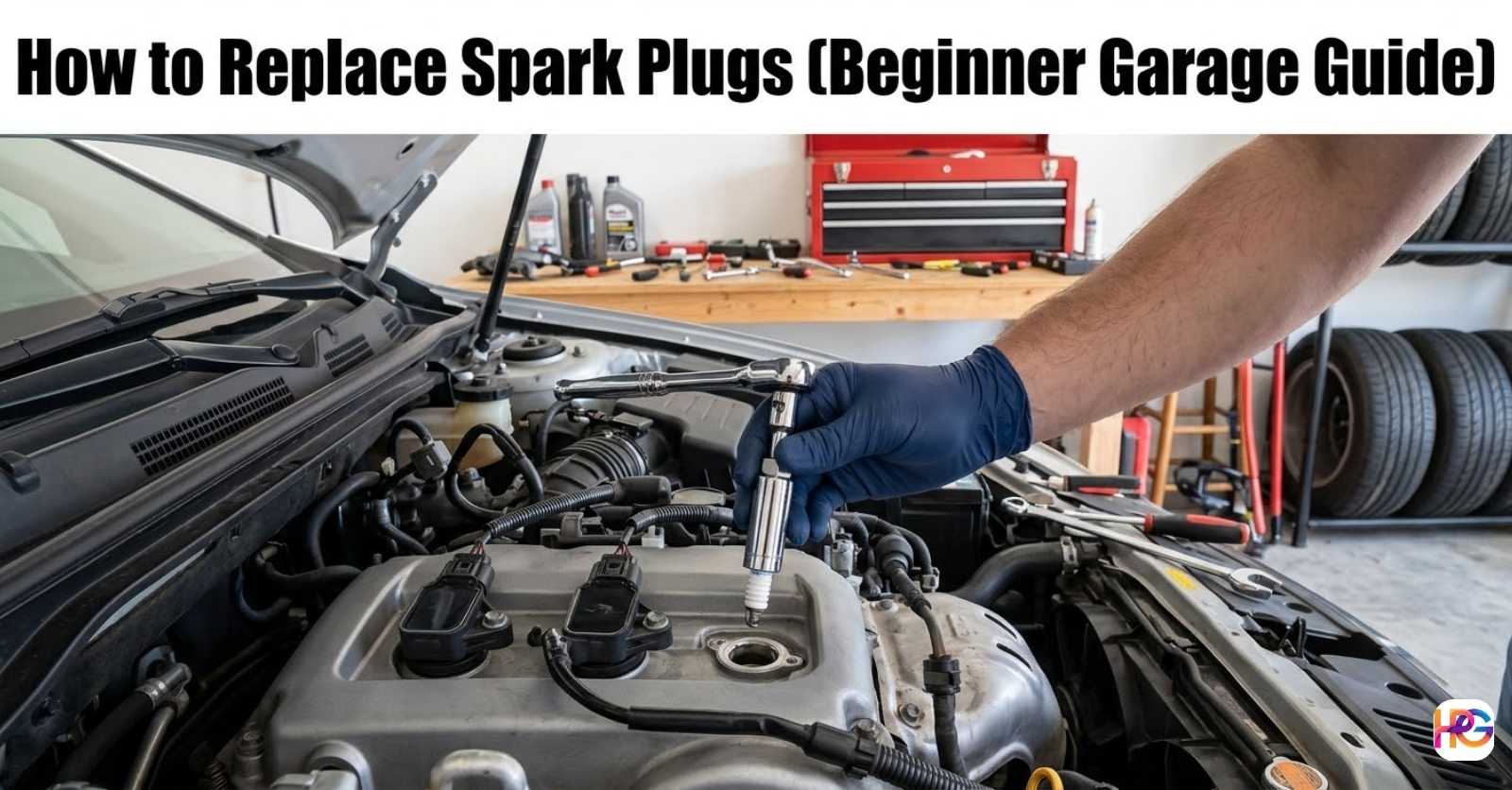
Something else breaking slowly kills it over time. A cheap old spark plug ruined my huge metal part. Spending ten whole bucks would have saved a grand. Fixing small motor snags fast saves very deep grief. Checking a rough daily idle keeps disaster far away.
Fix Small Problems Fast
Waiting for tiny car issues to grow is a bad idea. Getting a fast tune up protects your hard cash. Changing a very dirty air filter helps so much. Adding fresh spark plugs stops bad wet fuel leaks. Treating your daily motor well goes a very long way.
Taking care of small things fixes huge big things. Using this smart logic at home helps me win daily. Putting that exact logic to work in my garage is smart. I want to pick better choices to live smarter. My fixed car drives super smooth on the road now.
Keep Up With Basic Care
Getting my fast driving power back felt super great. The nasty rotten egg stink is fully totally gone now. My dash stays fully clear of angry orange lights. Checking my motor oil level is a new fun habit. Learning about under car parts makes me feel brave.
Sharing my sad painful story might help you today. Listening to your daily driver matters so very much. Catching a weird new sound early stops huge bills. Fixing a small motor miss can save your whole month. Keep your motor running highly smooth to save cash.
Frequently Asked Questions on Catalytic Converter: Function, Failure, Cost
FAQ 1: Can a scan tool check my catalytic converter?
Yes, a cheap scan tool works well in your home shop. Plug it in to read the car codes fast. A bright code P0420 tells you the catalytic converter is fully dead now.
FAQ 2: Can a temp gun tool find a bad catalytic converter?
Yes, an infrared temp gun is very handy for this. Point the tool at the front and back of the part. If the rear is cool, your catalytic converter is totally clogged.
FAQ 3: Do I need a hot welder to fix a catalytic converter?
Some cheap old pipes need a hot welder to go on. But a new direct fit catalytic converter is simple. Just grab a good Milwaukee socket set to bolt it all up tight.
FAQ 4: What makes a hot catalytic converter melt down fast?
Bad old spark plugs let raw gas dump into the pipe. That wet fuel catches on fire deep inside the metal shell. The high heat melts the catalytic converter to mud.
FAQ 5: Can a gas additive fix a dirty catalytic converter?
A liquid pour in cleaner fix might help a tiny bit. But a melted down catalytic converter is dead forever. No cheap tool in a small bottle can fix burnt hard clay.