It was a rainy Sunday morning here in Jashore. I was standing in my kitchen. The smell of fresh sourdough was in the air. Trying something new was my goal for the day. I decided to make sourdough donuts. Pulling out my trusty deep fryer was step one. I poured in the oil. Plugging the machine into the wall came next. I turned the dial to high.
Pop. Everything went silent. The small light on the fryer died immediately. The low hum of the fridge stopped for a second. Standing there confused was not how I planned my morning. My donuts were ready to fry. The oil was getting cold. Checking the plug showed it felt tight. I looked closer at the wall.
That was my first real battle with a safety outlet. You probably know the exact feeling. You just want to cook your food. Your gear simply will not cooperate. Dealing with this is highly frustrating. Sharing my story with you might help. Explaining why this happens is my goal today. You can fix it easily yourself. Let me show you exactly how.
The Day My Kitchen Went Dark
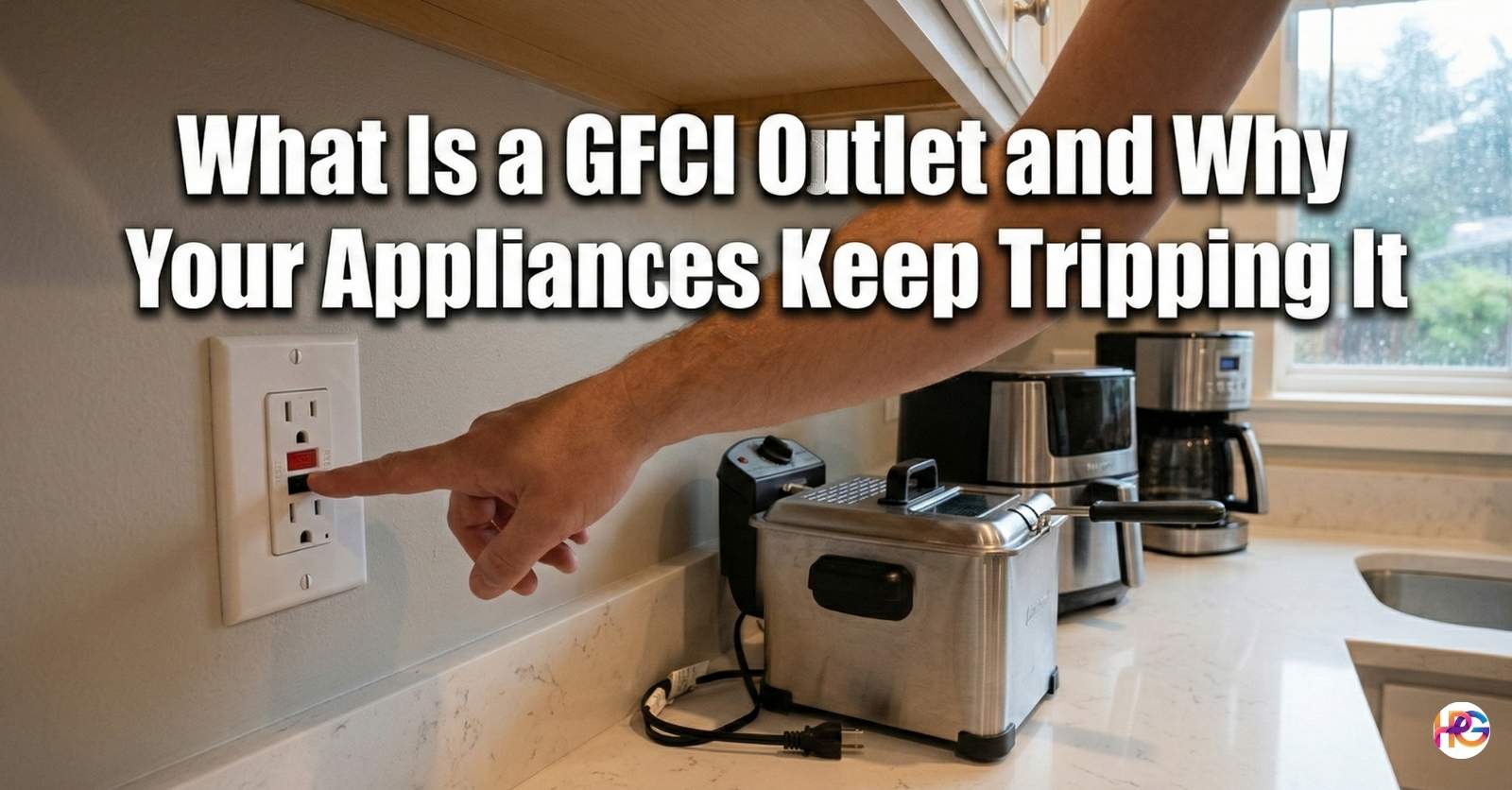
I spent the next ten minutes scratching my head. The breaker panel in the hallway looked totally fine. No switches were flipped in the box. Walking back to the kitchen felt defeating. I stared blankly at the wall. The outlet looked normal at first glance. Then I saw the two small buttons. One button said test. The other button said reset.
Pushing the reset button seemed like a smart idea. I heard a loud click. The fryer light popped back on instantly. Heat started flowing into the oil again. Feeling like a genius lasted about a minute. Five minutes later, the plug tripped again. Pop went the sound. The power was completely gone again.
I realized I had a lot to learn about kitchen power. Building out Home Pick Guide teaches me new things constantly. We test tools all the time for the site. This tiny wall plug had me completely beat. Learning the science became my new mission. I wanted to understand the core issue. Finding out why my gear kept failing was extremely important.
What Is a GFCI Outlet Anyway?
Let us keep the explanation very simple. GFCI stands for ground fault circuit interrupter. That phrase sounds like a lot of big words. Think of it as a super fast acting switch. The device tracks the flow of raw power. It closely watches the electricity going out. Monitoring the power coming back is its main job.
The flow must match perfectly at all times. Think of the wire like a water pipe. If one gallon goes out, one gallon must return. Finding a leak is what the switch does. It spots stray power escaping the wire. Shutting off the power instantly is the result. It acts in just a few milliseconds. This rapid action saves lives every single day.
Regular wall plugs do not do this trick. They only trip if the whole house wire gets dangerously hot. A safety plug trips if even a tiny bit of power escapes. Water creates a great path for stray power. Building codes require these special plugs for that reason. You find them near sinks always. You see them in damp garages. They are always installed outside your house.
GFCI Outlets vs Regular Outlets
Looking at pure data helps me learn faster. I made a quick chart to show the solid facts. This helps you see the real difference clearly.
| Feature | Safety Outlet (GFCI) | Regular Wall Plug |
| Trips on power leaks | Yes | No |
| Has physical reset buttons | Yes | No |
| Cost to buy at hardware store | Higher | Lower |
| Safe to use near sinks | Yes | No |
| Trips on massive overloads | Sometimes | No |
The chart makes the reality very clear. Paying more for safety is required. It is worth every single penny spent. Using a regular plug near wet hands is foolish. It creates a massive electric shock risk. Learning this the hard way opened my eyes. I used to plug things in blindly anywhere. Now I check the wall first always.
Why Your Appliances Keep Tripping It
My fryer was the main problem on that rainy Sunday. It is not the only culprit out there. Many home gadgets cause this exact issue. Air fryers are very famous for it. Coffee makers do it quite often too. Heavy stand mixers can also be guilty.
Testing my gear became a fun weekend project. I wanted to see what caused the sudden pop. Finding a few common reasons was easy. Most of the issues are simple to spot. Some faults require a bit more careful work. Let me break them down clearly for you.
Steam and Moisture Near the Plug
Kitchens are naturally wet zones by design. Cooking makes a ton of thick steam. Boiling water fills the air with heavy mist. My fryer makes a lot of hot wet air. Moisture can easily settle on the wall. It can creep right into the plug slots.
Water conducts raw electricity extremely well. When dampness hits the wires, power leaks out. The smart plug senses this tiny dangerous leak. Assuming you are getting shocked is its job. It cuts the power right away to save you. I realized my fryer was sitting too close to the wall. The steam was blowing directly at the socket. Moving the unit away fixed half my problem.
Grease and Dirt Buildup
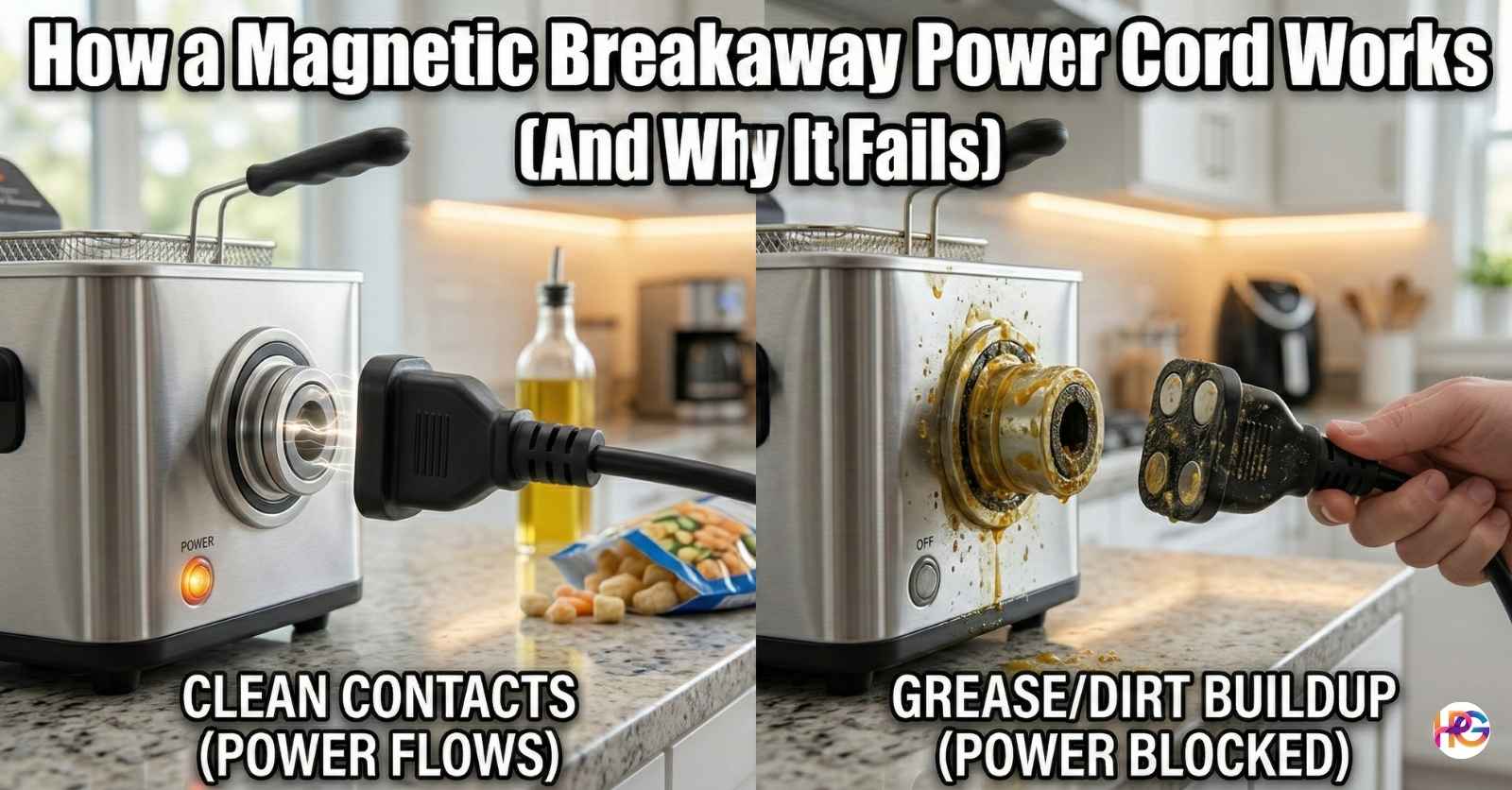
Cooking gets incredibly messy over time. Oil splatters everywhere during a hard fry. Flour dust coats the counters when baking. Grease builds up slowly over many weeks. It gets deep inside your favorite machines. It even coats the shiny metal plug prongs.
Grease can hold trapped moisture easily. Dirty prongs do not make a clean power connection. A weak link causes a tiny electrical jump. The wall switch absolutely hates power jumps. Shutting down immediately is its only defense. I looked closely at my fryer cord. It felt very sticky to the touch. Cleaning it with a dry rag helped a lot. Keeping your cords clean is vital. It saves you from many daily headaches.
Frayed Cords and Internal Wear
Sometimes the machine itself is the real problem. Tools get old after years of hard use. Wires get bent out of perfect shape. I have an old blender with a twisted cord. The rubber cover is cracked down the middle. Seeing the bare wire inside is scary.
Using a bad cord is highly dangerous. The power tries to escape through the tiny crack. The safety switch catches the leak fast. Stopping the flow keeps you safe. If your machine trips the power every single time, check the cord. Look closely for deep cuts. Feel the rubber for hot spots. Do not use broken gear ever. It is never worth the risk. Throw it away or get it fixed properly.
The Shared Circuit Struggle
Multitasking in the kitchen is my favorite thing. Frying sourdough donuts was my main goal. Making a fresh pot of coffee happened at the same time. Having a toaster running added to the massive load. All these gadgets pull heavy power together. Sometimes a safety plug gets totally confused.
It is meant to watch for small leaks. A heavy load acts exactly like a leak sometimes. The sudden power surge tricks the tiny sensor. The electricity drops out completely. Older plugs are very sensitive to this surge. Moving my coffee maker fixed the issue. I plugged it into a different wall entirely. Splitting the power load kept the kitchen lights on.
My Simple Reset Guide
Facing a tripped plug is going to happen eventually. It is just a simple fact of life. Do not panic when the kitchen goes dark. You can fix it safely in two minutes. Following a strict routine works best for me. I never rush the reset process. Rushing often leads to painful shocks. I want you to be totally safe. Follow these basic steps carefully.
First, unplug everything from the bad wall socket. Leaving the fryer plugged in is a bad idea. Second, dry your hands completely with a towel. Grab a clean cloth right away. Wipe your fingers until they are bone dry. Making sure the wall is dry is also smart.
Third, look at the two small buttons. You need the one marked with the word reset. Push it in hard with your thumb. Using the tip of a pen helps sometimes. Some plastic buttons are extremely stiff. Listen closely for the loud click sound. The button should stay flush with the cover. Stop right there if it pops back out immediately. You have a much bigger electrical problem.
Fourth, test the flow of power safely. Plug in a simple table lamp. Turn the simple switch on. If the lamp works, the wall is totally fine. The problem is definitely your cooking gear. Plug the main fryer back in now. If it pops again immediately, the fryer is broken. It has a bad ground fault inside the motor.
Safety Rules I Learned the Hard Way
Taking kitchen power seriously is my new rule. Experiencing a random shock is no joke. Sharing my knowledge on Home Pick Guide is my passion. Helping readers stay safe matters a lot to me. I follow a few key safety rules every single day.
Testing my plugs monthly is a habit now. The tiny test button is there for a reason. Pushing it down is incredibly easy to do. The power should die right away. Pressing reset is the very next step. The power comes back on smoothly. If the test button does absolutely nothing, the plug is dead. It offers strictly zero safety now. Replacing dead plugs fast is a top priority.
I never use cheap extension cords anymore. Kitchen heat tools pull huge amounts of amps. Cheap cords melt down easily under stress. Catching fire is a very real daily risk. Plugging my fryer right into the actual wall is what I do. It is simply the only safe way. Moving the machine is better if the cord is too short. Stretching the wire extremely tight is always bad.
When to Call a Pro for Your Outlets
Doing DIY projects around the house is fun. Fixing a lot of minor things myself saves money. Drawing the line at major wire work is smart. Sometimes a wall plug goes completely bad internally. It trips randomly with absolutely nothing plugged in. The reset button refuses to stay down ever. The plastic cover feels hot to the physical touch.
These are major warning signs for your home. The internal metal parts are likely melted. The hidden wires behind the wall might be loose. Loose wires cause terrible house fires quickly. Do not try to tape the plastic button down. Ignoring the awful smell of burning plastic is foolish.
Pick up the phone right away. Calling a licensed sparky is the best move. A true pro has the exact right meters. They know the strict local building codes perfectly. Changing a bad unit takes them only ten minutes. Charging a totally fair fee is standard. Gaining true peace of mind is what you are buying. I had a pro replace my faulty kitchen plug last year. Sleeping much better at night is the result.
My sourdough donuts finally turned out great that rainy Sunday. Moving the fryer away from the steam path was the trick. Wiping the thick grease off the plug helped too. The power stayed on for the whole cook. It was a very good learning lesson. Learning exactly how things work makes daily life easier. Hoping my kitchen story helps you keep cooking safely.
Frequently Asked Questions About GFCI Outlets and Tools
Why does my power saw keep tripping the garage GFCI outlet?
Heavy power tools pull a fast, hard current when they start. This sudden spike tricks a sensitive GFCI into sensing a bad power leak. Try a new wall plug or check the old tool cord.
Can a GFCI outlet go bad over time in a hot shop?
Extreme heat and cold in a garage will wear down the inner parts. If your Milwaukee drill trips it randomly, the outlet is likely old. Replacing it is a fast and very easy shop fix.
Is it safe to run a heavy air fryer on a kitchen GFCI?
It is totally safe and actually required by code for your own safety. Fryers pull big power and make hot steam, causing real electrical faults. The outlet shuts off to stop bad shocks.
Will using a long extension cord trip my GFCI outlet?
Yes, long or cheap cords can drop voltage and heat up incredibly fast. This heat messes with the steady power flow to your Makita grinder. Always plug heavy gear right into the wall.
What if the GFCI reset button pops right back out?
This means the outlet sees a true power leak or the plug is totally dead. Do not force the little button down with heavy tape. Unplug your gear and call a pro to swap the broken unit.