What Is a Thermal Fuse and Why It Blows in Small Appliances
Hey there. I am Hasan. Welcome back to Home Pick Guide. It was a very hot Tuesday here in Jashore. The thick air felt super warm.
Plugging in my old blender felt right. I really wanted a nice cold drink. I tossed in some hard ice cubes. My hand hit the big crush button.
Nothing happened at all. The machine was totally dead. It made zero sound for me. A huge wave of pure anger hit.
My best kitchen tool was clearly broken. But I did not throw it out. Opening it up let me look inside. That is when I found the tiny thermal fuse.
The Hidden Hero in Your Kitchen Tools
A thermal fuse is a tiny safety switch. You will find it tucked inside most household gear. Think about your air fryers and stand mixers. Even your simple hair dryers have them hidden away.
They are very cheap parts to buy. Yet they do a huge job for you. These parts stop machines from catching on fire. This keeps your whole house very safe.
Let us say your motor gets stuck on ice. The heat of the motor goes up super fast. This is a very bad thing. The small fuse feels this crazy heat rise.
It acts fast to stop a huge fire. The part simply melts a small wire inside itself. This break cuts the power for good. Your machine turns off right away.
How a Thermal Fuse Is Different
You may know about plain electrical fuses. Those blow when too much power flows through cords. A thermal fuse is not like those at all. Heat levels are the only things it cares about.
It ignores the plain power levels. One highly specific job is all it has to do. It watches the physical heat of the machine. The wire breaks when things get far too hot.
The Day My Sourdough Mixer Died
I have a big passion for baking bread. Making fresh sourdough is my top weekend hobby. Last month my hands were mixing a heavy dough. The kitchen smelled like fresh flour and yeast.
The mixer was shaking hard on the counter. Suddenly the main motor just stopped flat. Smoke did not come out of the vents. There were no scary sparks at all.
It simply quit working on me. Panic hit me for a quick minute. Good stand mixers cost a lot of money. My brain truly thought the whole motor burned out.
I wiped the wet dough off my hands. Sitting down at my table gave me time to think. Then I remembered the rules of electric motors. I knew a thermal fuse lived inside that case.
Why Does a Thermal Fuse Blow Fast?
It is rare for this part to break alone. Usually something else makes the heat spike up wildly. My old drip coffee maker taught me this lesson. I truly loved that little black machine.
I used it every single morning. Over time hard scale built up inside the tube. Water could not flow fast enough to cool it. The bare metal got way too hot.
Snap went the tiny safety switch. Here are the top reasons these little parts fail. Blocked air vents are a massive problem for motors. Hair dryers pull in flying dust and hair.
Space heaters get full of pet fur. The hot air gets trapped inside the plastic shell. Heavy loads strain motors far beyond normal limits. Think about making that thick bread dough.
Your stand mixer works very hard. The motor heats up fast under the heavy strain. This tiny fuse blows to save the costly motor coils. Broken main thermostats cause bad runaway heat spikes.
The thermostat must click the main heat on and off. If it gets stuck on the heat climbs too high. Old age makes internal metal parts weak over time. Heating and cooling a metal wire makes it tired.
Soon it breaks at a lower heat level. The wire snaps much sooner than it really should. Let me share a simple reference table for you. This data comes from my own repair notes.
| Appliance Type | Main Reason for a Blown Fuse | Repair Cost |
| Countertop Blender | Strain from thick frozen foods | Very low |
| Drip Coffee Maker | Hard water scale on the heat tube | Very low |
| Hand Hair Dryer | Dust and loose hair block the vent | Very low |
| Basket Air Fryer | Broken fan or a stuck main switch | Medium |
Clear Signs You Have a Blown Part
How do you know if this part is bad? The warning signs are clear and easy to spot. You do not need to be an expert here. First the gear will act totally dead.
This is exactly what happened to my kitchen blender. I plugged it nicely into the wall. My fingers pushed the buttons very hard. No digital lights turned on at all.
No gentle hum came from the bottom motor. It was like a heavy brick on my counter. Second the device might suddenly shut off mid job. You might be drying your wet hair.
The dryer is blowing hot air out. Suddenly it clicks sharply and dies completely. Waiting for it to cool down takes time. You try again an entire hour later.
It still totally refuses to wake up. Third some fancy machines act a bit weird. The main motor might still spin fine. A cooling fan might blow air out the back.
But there is zero heat coming out the front. This means the main power cord is good. The hidden internal heat path is totally broken though. The safety switch has failed its job.
How to Test a Thermal Fuse Easily
You can test this tiny part at home. A cheap digital meter tool is all you need. This handy tool measures invisible electric paths. I bought my basic meter online for ten dollars.
It is a great tool for your home box. Safety must always come strictly first doing this. Unplug the broken machine from the wall right now. Do not ever skip this vital safety step.
Working on plugged gear is highly dangerous. Now grab your trusty hand screwdriver. Open the outer plastic shell very slowly. Look closely for hidden metal screws under the feet.
Finding the Hidden Part
Take clear pictures with your phone camera. This smart habit helps you put it back well. Look deeply inside for the metal heating tube. You will see a messy cluster of wires.
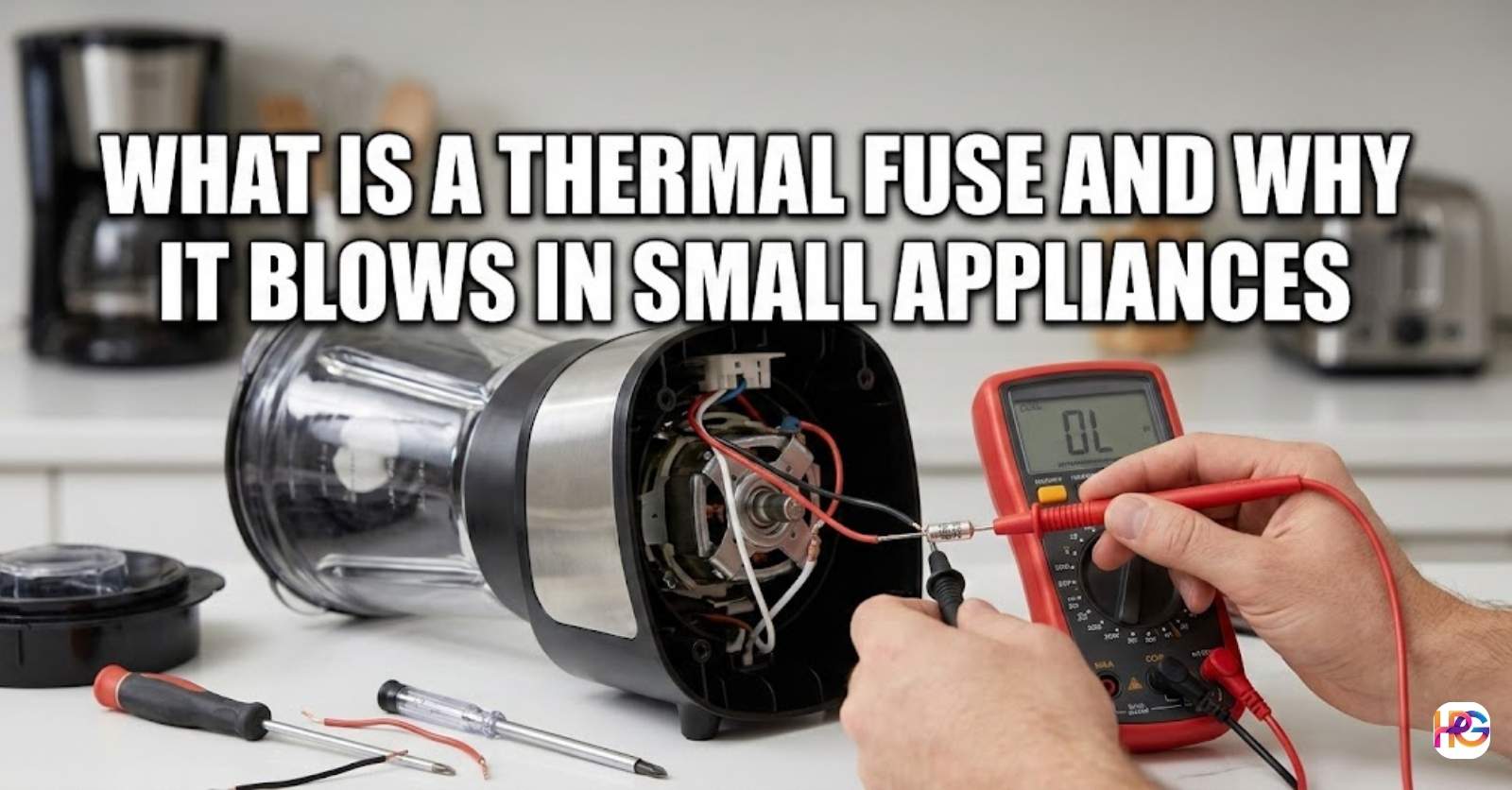
The thermal fuse hides inside a white glass sleeve. It looks just like a tiny silver bullet. A stiff metal wire sits on each end. Now it is time to use your tester.
Using Your Digital Meter
Turn the big dial on your new meter. Look closely for the setting called loud continuity. The small icon looks like a tiny sound wave. Place one metal probe on the left wire.
Place the other probe on the right side. Make sure you touch the bare metal cleanly. Listen very closely to your meter device. Does it make a loud and steady beep sound?
Does the screen show a tiny number near zero? If yes then the electric path is totally good. Power can easily flow through the middle of it. The fuse is fine and doing its job.
You need to look for another broken part. What if the meter stays totally dead silent? Look closely at the digital screen once again. Does it loudly show the clear letters OL?
This reading means you have an open loop. The inner electric path is fully physically broken. Your tiny safety wire inside has melted away. You have found your bad broken culprit.
| Meter Screen Info | Audio Sound | What It Means |
| 0.00 to 0.05 Ohms | Steady loud beep | The fuse is good. Look for another flaw. |
| OL or Big One | Total silence | The fuse is blown. You must change it. |
| High wild numbers | Scratchy sounds | Bad metal touch. Clean the wires and test. |
My Simple Replacement Guide
Fixing this problem is very easy for anyone. It is also a super cheap home project. A brand new fuse costs maybe two dollars total. You can fix your coffee machine for pocket change.
First you must read the writing on the part. It is very small and hard to read. You might need a neat glass to see it. Look for the heat rating stamped into the metal.
It will be a clear number followed by C. You might see 180°C or maybe 240°C. Buying a new part with those exact numbers is vital. Do not ever guess the correct heat rating.
The Golden Rule of Fixing
I deeply need you to listen to me now. Do not ever use a hot soldering iron here. I made this exact mistake on a nice toaster oven. My hot iron was fully ready to go.
I gently touched it to the brand new wire. The hot metal melted over the tight joint. I proudly put the plastic shell all back together. Plugging it in showed it was still dead.
Why did that sad thing happen to me? The extreme heat from my tool blew the new fuse. They are strictly meant to melt at low heat. Irons run way hotter than those tiny safety limits.
Using Safe Crimp Connectors
You have to use metal crimp tubes instead. These are tiny hollow metal tubes covered in plastic. Sliding the old wire deep into one side works best. You slide the new wire into the other side.
Then you crush the metal tube completely flat. Use heavy duty pliers to squeeze it very hard. This aggressively locks the two wires tightly together. Take your sharp wire cutters out of your box.
Snip the broken thermal fuse out of the machine. Leave as much of the old wire as you can. Strip a tiny bit of the plastic off the ends. Slide a fresh metal crimp over the wire.
Push one stiff leg of the new part in. Squeeze the middle of the tube really hard. Give the wires a gentle tug to test the joint. Repeat this exact process on the other side.
Putting It All Back
Slide that heat proof white sleeve safely back. Cover your shiny new metal connections very well. This stops the bare metal from touching the frame. It actively stops bad sparks from flying up later.
Now look at the clear photos you took earlier. Put the outer plastic case back safely in order. Tighten all the neat metal screws down very firmly. Plug the repaired machine into the nice wall socket.
Turn the main power switch onto the on spot. Hear that lovely low humming noise in the room? That is the sweet sound of total repair success. Your best machine is fully alive and working again.
Final Thoughts on Home Fixes
It feels really great to fix broken things yourself. We live in a world that throws things away fast. A broken kitchen blender does not belong in the trash. Sometimes it truly just needs a two dollar part.
It just takes a tiny bit of your free time. I genuinely hope this clear guide helps you out today. Let me know if you fix your own home gear safely. I would love to hear your great success stories.
Drop a quick note down below on Home Pick Guide. Keep working hard with your favorite home tools safely. Keep learning brand new repair skills every single week. It will save you tons of hard cash later.
Frequently Asked Questions About Tool Thermal Fuses
What does a thermal fuse do in a power tool?
A thermal fuse cuts power if your power tool gets too hot. This stops the motor from melting down during heavy use. It is a vital safety switch for your garage gear.
Why did the thermal fuse blow on my Makita drill?
Pushing a tool too hard on tough jobs builds up intense heat. Dust in the vents can also trap that hot air inside. The fuse blows simply to save your motor from fire.
Can I bypass a blown thermal fuse in my shop tool?
You should never bypass this vital safety switch in any power tool. Running a hot tool without one can easily start a bad fire in your shop. Always put in a new fuse to stay safe.
How do I test a thermal fuse on a DeWalt tool?
You need a basic digital meter to check the metal fuse. Set it to the lowest ohms or the loud beep setting. If the screen shows no power flowing, the fuse is fully dead.
Are thermal fuses the same as standard tool fuses?
No, these are two very different safety parts for your shop. A normal fuse blows from too much raw power flowing. A thermal fuse only snaps when the heat gets far too high.