It was a rainy Tuesday afternoon. I was driving home from the local hardware store. The trip is usually quiet and very easy. Suddenly, my steering wheel started to shake hard. The whole car felt like an angry washing machine. I pressed the gas pedal down to speed up. My car just sputtered and coughed loudly. A sour smell of unburned gas filled the cabin. My heart sank deep into my chest. Then, the yellow check engine light popped on. It started flashing right at me. Panic set in fast. I pulled over to the side of the road right away.
That was my very first run in with an engine misfire. It is so scary when you do not know what is going wrong. You hear weird noises and feel bad vibrations. Today, I want to share my personal story with you. Next, we will look at why this annoying thing happens. I will explain what actually goes on under your hood. We will also talk about how to spot trouble early. Finally, I will share some easy fixes. You do not have to panic like I did back then. Knowing the facts gives you total peace of mind.
What an Engine Misfire Actually Means
To fix a car problem, we must know what it is first. Think of your car engine as a giant metal heart. It pumps out pure power to move you forward. It does this by burning fuel inside small metal tubes. We call these strong tubes cylinders. A misfire simply means one of those tubes failed to fire right. It missed its exact turn in the cycle. This tiny mistake throws the whole engine off balance. You feel that mistake as a rough, ugly shake. Your car quickly loses moving power. It struggles to drive down the street.
How Engines Make Power
Engines work in a simple four step dance. They pull in fresh air and gas. Next, they squeeze that mix very tight. A spark plug lights the mix to make a tiny blast. Finally, the engine pushes the dirty smoke out the back. Every cylinder must do this dance perfectly. They have to work together in pure harmony. When one trips up, the whole dance looks bad.
The Magic Mix for Smooth Driving
Your car motor needs three basic things to run smooth. First, it requires air and gas mixed perfectly. Next, a strong electrical spark must light that fuel mix. Lastly, tight engine pressure must squeeze the mix hard before the spark hits. Mechanics call this tight pressure compression. If any of these three things fail, you get a skip. The motor skips a beat entirely. Unburned gas just dumps right out the exhaust pipe. That is exactly why I smelled raw gas on that rainy Tuesday.
Common Causes of an Engine Misfire
Why do healthy engines skip a beat? There are a few main reasons for this annoying issue. Over the years, I have seen a lot of weird car problems. I spend tons of time testing home gear and garage tools. A good mechanics tool set is my total best friend. Let us look at the usual suspects hiding under your hood.
Bad Spark Plugs and Old Wires
This is the top reason for engine skipping. Spark plugs make the tiny lightning bolt that starts the fire. These little parts get very dirty over time. Their metal tips burn away slowly. Thick hard black soot covers them up completely. When this soot builds up, the spark gets very weak. Sometimes, the plug does not spark at all. Bad spark plug wires can also leak raw power. This power leak stops the spark from reaching the plug tip.
Failing Ignition Coils
An ignition coil acts like a huge power booster. The part takes tiny battery juice and makes it super strong. This strong power then travels down to the spark plug. Sometimes these plastic coils melt or crack open. Extreme heat and old age ruin them fast. When a neat coil dies, the needed spark dies right with it.
Dirty Fuel System Parts
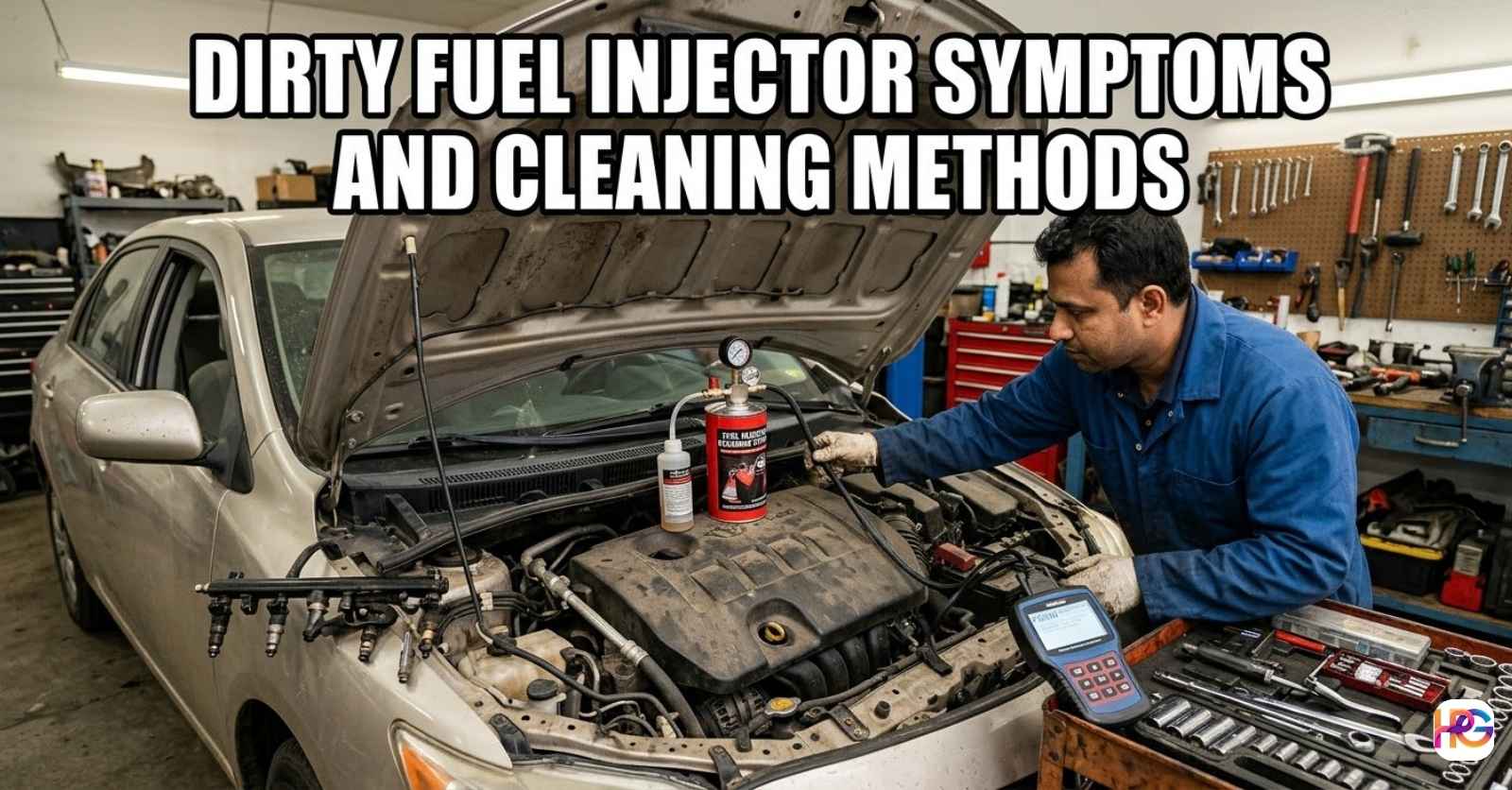
Your motor needs the exact right amount of gas. Tiny fuel injectors spray neat gas into the engine. Dirt specks sometimes clog them up fully. A weak fuel pump can also cause massive trouble. It might not push gas hard enough. If the motor starves for gas, it cannot fire right at all. It runs super lean and misses a vital beat.
Sneaky Vacuum Leaks and Air Issues
The engine breathes fresh air through black rubber hoses. Old rubber hoses get stiff, brittle, and crack open. A cracked hose lets way too much extra air sneak in. This extra air messes up the perfect air and gas mix entirely. Too much air means the fire will not light inside. Finding a tiny vacuum leak can be very tricky. You have to listen closely for a faint hissing sound.
How to Detect a Misfire Before It Gets Worse
Your ride will try to tell you it is feeling sick. You just need to know exactly what to look for. Catching car trouble early saves you big money and stress. Ignoring car trouble only leads to higher repair bills later. Here are the clear warning signs I always look for.
The Dreaded Check Engine Light
This yellow dashboard light is your biggest solid clue. A steady solid light means a mild problem is stored in the computer. A fast flashing light is a giant red alert. This flashing warning means wet fuel is dumping deep into your hot exhaust. Raw fuel will melt your expensive catalytic converter fast. Replacing a converter costs a massive ton of money. Always pull off the road for a flashing warning light.
Rough Idles and Heavy Shaking
When you stop at a red light, pay close attention. Does the whole car vibrate deep down in your seat? Maybe the steering wheel shakes roughly in your bare hands. A happy healthy engine hums a quiet tune. A sick misfiring engine rumbles, shakes, and coughs loudly. It feels very wrong and scary.
Slow Speeds and Strange Smells
Try to speed up fast on the open highway. A sick weak engine will hesitate badly. The car might jerk or buck hard like a wild angry horse. Getting up to normal speed takes forever. You might also hear loud popping noises from the rear tailpipe. A strong nasty smell of raw gas is a big bad warning sign. Some drivers even smell weird rotten eggs. That foul odor is the sound and smell of completely wasted fuel.
Using an Automotive Diagnostic Tool
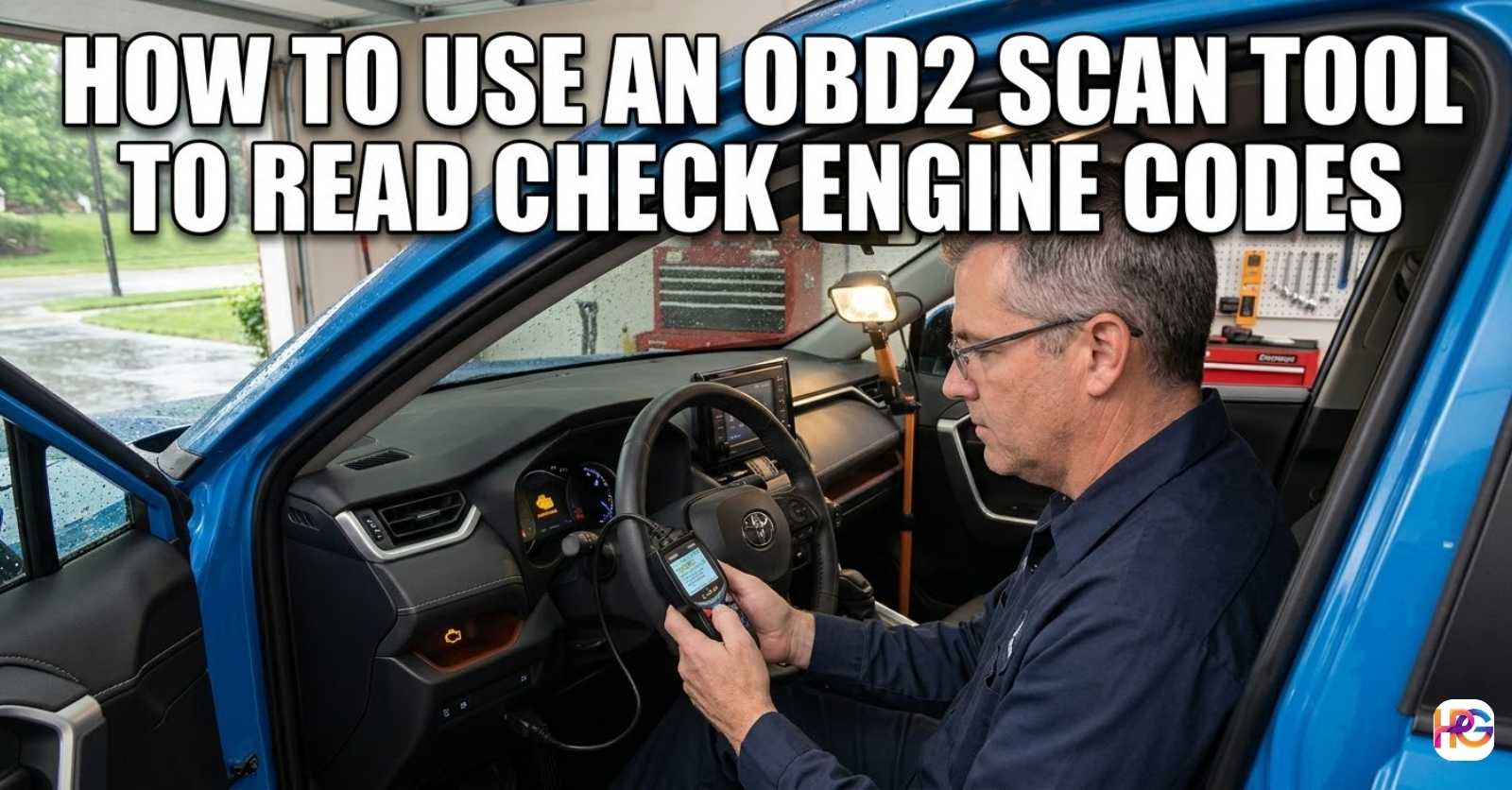
I really do not like blindly guessing when fixing cars. Guessing gets super expensive very fast. The absolute best way to find a skip is with a neat car code reader. We call this handy gadget an OBD2 scanner. It is a handheld automotive diagnostic tool. Every home garage should have one of these ready.
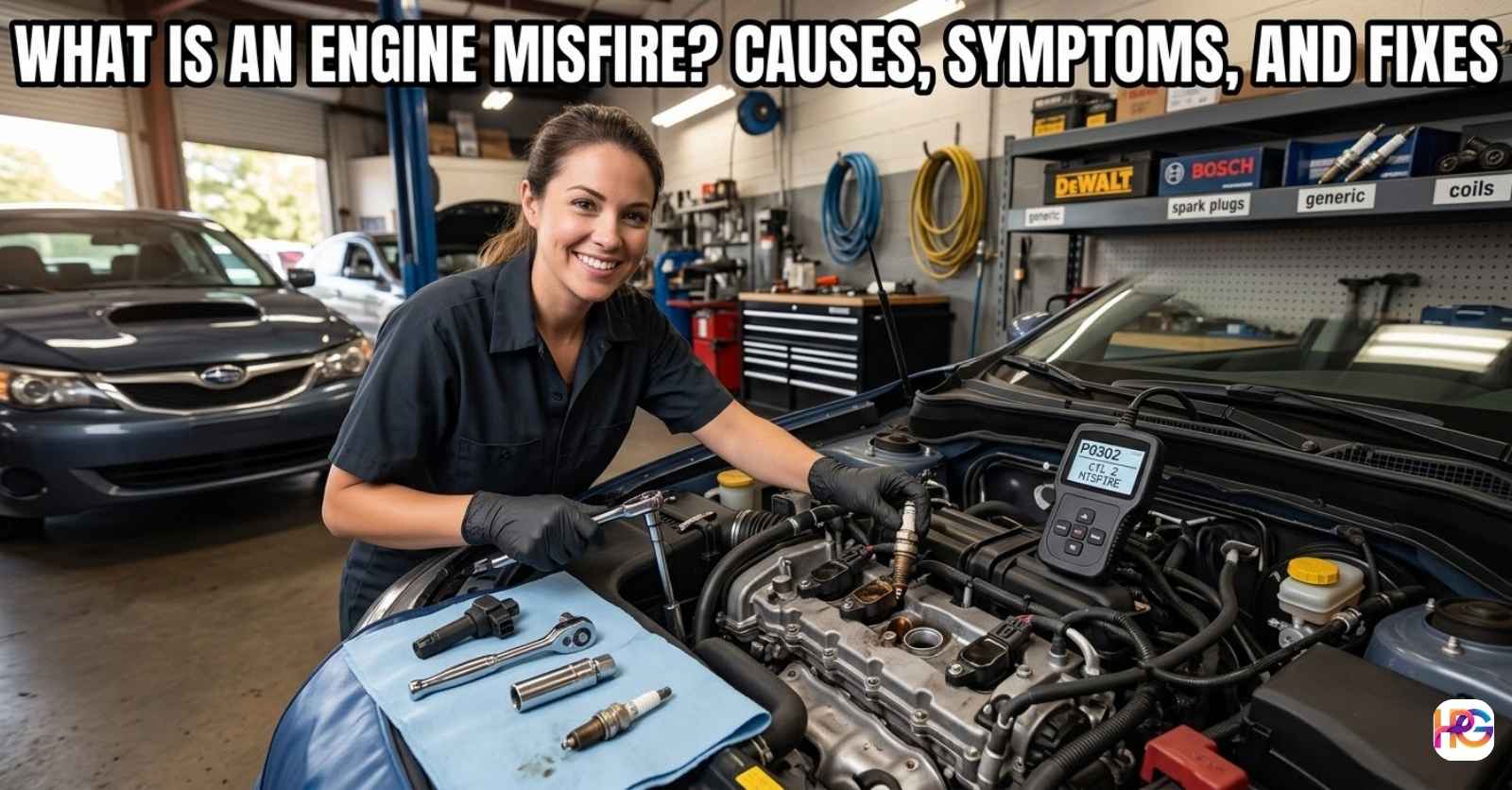
You simply plug this neat tool right under your steering wheel. The scanner talks fast to the main car computer. It will give you a short simple code on the screen. A trouble code like P0301 tells you a whole lot. It means cylinder number one is misfiring right now. Code P0302 means cylinder two has the bad problem. This little smart tool points you right to the exact broken spot. It saves many long hours of looking around in the dark. It is my absolute favorite garage gadget ever.
My Engine Misfire Repair Cost Breakdown
Money is always a huge worry with unexpected car trouble. I totally get that sick feeling in your stomach. The exact cost to fix a skip depends on what broke. It also depends on who does the actual wrench work. Doing the hard work yourself saves a huge lot of cash. I made a simple table to show you typical repair costs. These rough numbers include new parts and normal shop labor fees.
| Broken Engine Part | DIY Cost Estimate | Repair Shop Cost Estimate |
| Bad Spark Plugs | $20 to $50 | $100 to $250 |
| Dead Ignition Coil | $40 to $80 | $150 to $300 |
| Dirty Fuel Injector | $50 to $100 | $200 to $600 |
| Cracked Vacuum Hose | $5 to $20 | $100 to $200 |
| Blown Head Gasket | Not for beginners | $1500 to $3000 |
As you can plainly see, shop labor adds up super quick. If you own a basic decent mechanics tool set, you can easily win. Changing old spark plugs is very doable right at home. You just need some patience and the exact right socket wrench.
How to Fix a Misfire at Home in Your Garage
Let us say your handy code reader points straight to cylinder one. You boldly decide to fix it yourself this weekend. That is a truly great choice to make. It feels so good to fix your own daily ride. Here is exactly how I usually handle a basic easy spark plug swap.
Gathering Your Needed Garage Gear
First, let the hot engine cool down completely over a few hours. Working on a super hot engine is a very bad idea. You will burn your bare hands badly. Grab your trusty mechanics tool set from the shelf. A good ratcheting socket wrench is totally required. You also need a special deep spark plug socket. This unique socket has soft rubber inside to hold the fragile plug gently. You will also need a long metal extension bar to reach deep down. Keep your shiny new replacement parts close by on a clean rag.
Removing the Old Broken Parts
Open the front hood and easily find the bad cylinder spot. Gently unplug the top wire or remove the black plastic coil pack. Usually, a single simple bolt holds the coil tight in place. Take that small bolt out and pull the whole coil straight up. Now look deep down inside the dark open hole. You will plainly see the top of the old spark plug. Put your long socket deep down the dark hole. Turn it slowly to the left to loosen the tight threads. Pull the old dirty plug all the way out. Look closely at the firing tip. It is probably dark black and crusty.
Putting in the Shiny New Parts
Take your bright shiny new spark plug in your hand. Check the tiny metal gap at the very tip closely. The owner manual tells you the exact right gap size to use. Thread the brand new plug down in by bare hand first. Never ever force it down hard. If it feels stuck or tight, back it out and try once again. Forcing it hard will completely ruin the heavy metal engine block. Tighten it snug safely with your trusty wrench. Do not over tighten it like a wild gorilla. Put the plastic coil back on top securely. Plug the tiny wire back in tight. You just saved yourself over a hundred bucks today.
When to Call a Professional Mechanic for Help
I really love fixing broken things all by myself. Working with tools brings me a lot of joy. But sometimes, a repair job is just way too big. You have to always know your personal limits. Changing simple plugs and top coils is fairly easy stuff. Fixing deep heavy internal engine parts is super hard.
If your handy code reader says you have low engine compression, stop. That bad code means major heavy metal parts are worn completely out. A blown leaking head gasket is another giant awful job. You have to take the whole heavy top of the engine totally off. It takes many special expensive tools and full days of hard dirty work. If you suddenly hear loud scary knocking sounds, call a fast tow truck. Do not risk ruining the whole entire motor forever. There is zero shame in asking a smart pro for serious help. A totally honest local mechanic is truly worth their heavy weight in solid gold.
Final Thoughts on Engine Misfires and Car Health
An engine misfire is a very loud cry for urgent help. Your trusty car is begging for a much needed tune up soon. Do not simply ignore the bad shakes and the flashing yellow lights. If you sadly let it go, a cheap easy fix turns into a huge nasty bill. Raw unburned gas will fully destroy your exhaust system very fast.
The very next time your car coughs, stay totally calm. Pull over safe to the side. Grab your trusty smart code reader. Find out exactly which poor cylinder is acting up badly. Check the old spark plugs and coils very first. They are the absolute most common troublemakers around. Keep a good handy tool set ready in your garage. You will be back on the open road in hardly no time. Taking great care of your car feels amazing. It runs so much better. You get to pick better habits and live smarter every single day.
Frequently Asked Questions About Engine Misfire Tools
What tool do I need to find an engine misfire?
You need a reliable OBD2 scanner to read engine misfire codes fast. It plugs right under your dash to find the bad cylinder. Keep one safe in your hot garage.
Which mechanics tool set is best for changing spark plugs?
A tough DeWalt or Craftsman mechanics tool set works great to fix an engine misfire. You just need a strong socket wrench to safely remove old spark plugs.
Do I need a special socket to fix my engine misfire?
Yes, you need a deep spark plug socket to do the job right. It has soft rubber inside to grip the plug tightly. This keeps the fragile parts safe from drops.
Can a bad vacuum hose cause an engine misfire today?
Yes, a cracked rubber hose lets extra air into your running motor. Grab a bright LED work light to spot tiny cracks fast. Cold winter weather ruins old hoses.
Is changing a bad ignition coil a hard garage job?
You just need a small wrench to swap a bad ignition coil. A basic mechanics tool set handles this quick garage fix easily. It quickly cures a rough engine misfire.