I was standing in my kitchen last Sunday, holding an old plastic container. You know the type. It was cloudy, scratched, and had that permanent orange tint from leftover spaghetti sauce. I use this stuff for meal prep every week. But as I looked at the scratches, a thought hit me. If the sauce can stain the plastic, is the plastic getting into the sauce?
That question sent me down a rabbit hole. I run a site called Home Pick Guide. My job is to test tools and appliances. I obsess over durability and performance. But I realized I had overlooked something huge. My attention was on how well the blender crushed ice, not on the material of its jar.
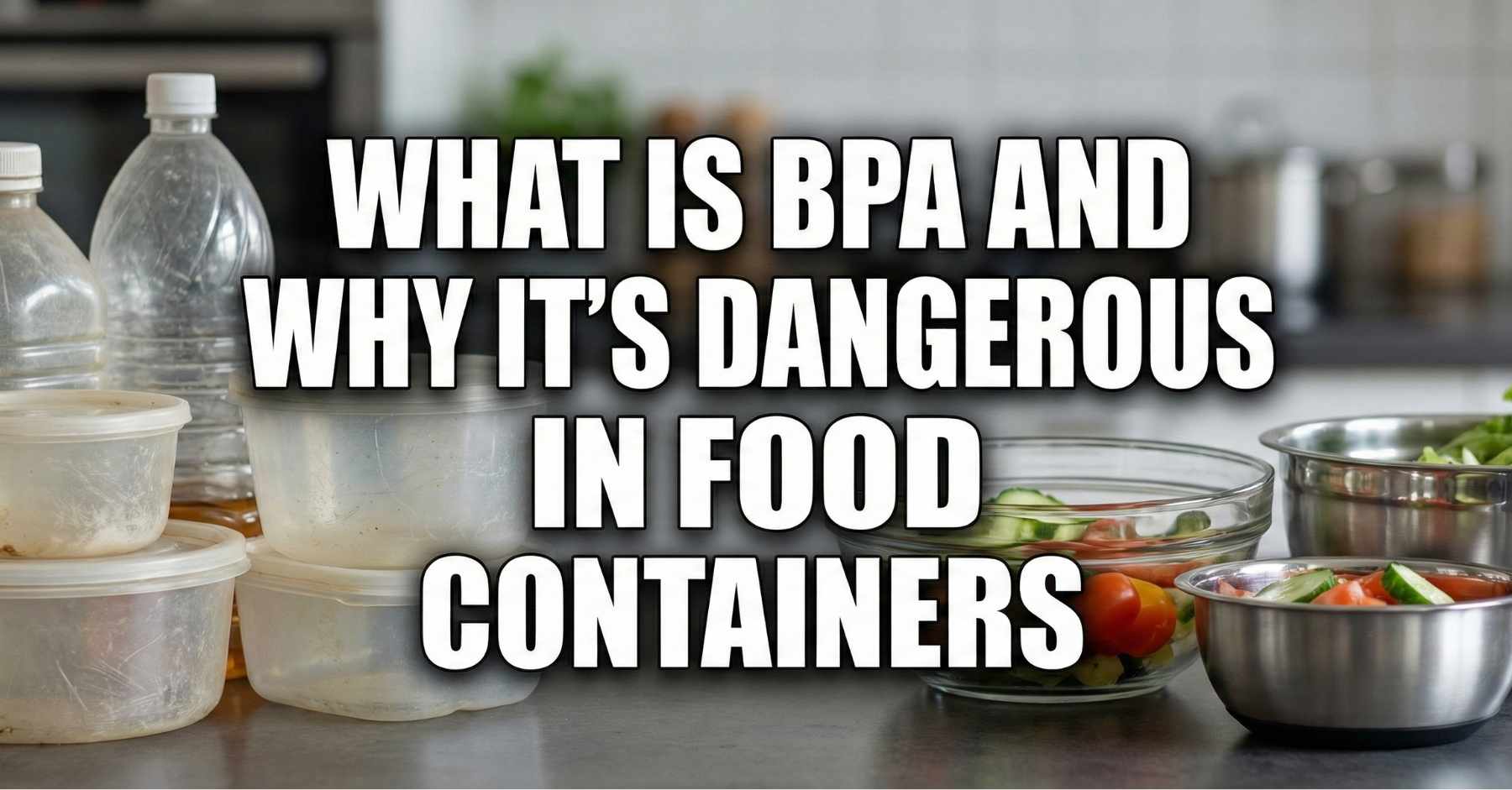
Researching food storage, I came across BPA and discovered why it can be dangerous.
And frankly, I got a little worried. I want to share what I found. I want to break it down simply, without the scary medical jargon. Here is what I learned about the plastic in our kitchens.
My Wake-Up Call with Old Plastic
I have always been practical. If a container holds food and the lid fits, I keep it. My drawer was a mess of mismatched tubs. Some were new, but many were years old.
I pulled out a specific clear container. It was rigid and looked like glass, but it was plastic. I flipped it over. Inside the little triangle of arrows, I saw the number 7.
At the time, I didn’t understand what it meant. The container was simply what I used to reheat lunch at the office. Each day, my chili went into the microwave for three minutes until piping hot.
It turns out, that simple act was a mistake. Heat and old plastic are a bad mix. That moment in my kitchen changed how I look at “convenience.” It wasn’t just about organizing my drawers anymore. It became about safety.
What Exactly Is BPA?
Let’s keep this simple. BPA stands for Bisphenol A. It is an industrial chemical. Manufacturers have used it since the 1950s.
Why do they use it? Because it works.
The material makes plastic clear and extremely tough. It also prevents cans from rusting, all while remaining cheap and effective.
You can drop a BPA plastic bottle, and it won’t break. That is why it became so popular.
You find it in:
- Polycarbonate plastics (the hard, clear stuff)
- Epoxy resins (the coating inside food cans)
- Thermal paper (like your grocery receipts)
It is everywhere. But just because it is common does not mean it is safe.
Why Is BPA Considered Dangerous?
The problem with BPA is that it is sneaky. It does not stay in the plastic. It can leach out. This means it moves from the container into your food or water.
Once it is in your body, BPA acts like a mimic.
Our bodies rely on hormones to send messages. Think of hormones like keys that fit into specific locks to turn on body functions. BPA is shaped a lot like the hormone estrogen.
When BPA gets in, it fits into those “locks.” It tricks the body. This is why scientists call it an “endocrine disruptor.” It disrupts your natural system.
Here is what the research suggests might happen:
- Reproductive Issues: It can mess with fertility in both individuals.
- Growth Problems: It is risky for babies and kids because their bodies are still developing.
- Heart and Metabolism: Some studies link high BPA levels to heart disease and diabetes.
I am not a doctor. I am just a guy who wants to live smarter. But when I read that this chemical can trick my body into thinking it is estrogen, I decided I didn’t want it in my lunch.
How BPA Leaches Into Your Food
BPA does not just jump out of the plastic on its own. It needs help. Unfortunately, the way we use our kitchen tools provides that help perfectly.
I looked at my own habits. I was doing everything wrong.
The Heat Factor
Heat is the biggest enemy. When you heat plastic, the chemical bonds can break down. This releases the BPA.
I used to microwave my lunch in plastic every day. I also washed my plastic containers in the dishwasher. The high heat of the dishwasher sanitizes the dishes, but it also degrades the plastic over time.
The Acid Factor
Acidity is another trigger. Tomato sauce, citrus juices, and vinegar are acidic.
Remember my orange-stained spaghetti container? The acid in the tomatoes reacts with the plastic. If you store salty or acidic food in cans lined with BPA resin, the chemical can seep into the food.
The Wear and Tear Factor
Old plastic is riskier than new plastic.
If your container is scratched, cloudy, or sticky, it is breaking down. Those scratches create more surface area. They allow more chemicals to release.
Examining the blender jar, I considered its durability. As someone who tests blenders for a living, I regularly grind hard ingredients like nuts and ice.
That scratches the plastic pitcher. If that pitcher has BPA, those scratches are a pathway for the chemical to get into my smoothie.
How to Spot BPA in Your Kitchen
You cannot see, smell, or taste BPA. So, how do you know if your containers have it?
You have to play detective. You need to look at the bottom of your containers. Look for the recycling code. It is a number inside a triangle.
Here is a simple table I made to help you sort through your drawer.
Plastic Resin Codes and What They Mean
| Code | Plastic Name | Safety Level | Common Uses |
| #1 | PET | Avoid Reusing | Water bottles, soda bottles. Safe once, but bacteria grows easily if reused. |
| #2 | HDPE | Safer | Milk jugs, detergent bottles. Low risk of leaching. |
| #3 | PVC | Dangerous | Cling wrap, some squeeze bottles. Often has BPA and phthalates. Avoid. |
| #4 | LDPE | Safer | Squeezable bottles, bread bags. Generally safe. |
| #5 | PP | Safer | Yogurt cups, medicine bottles. Heat resistant, but still plastic. |
| #6 | PS | Avoid | Styrofoam cups, take-out boxes. Can leach styrene. |
| #7 | OTHER | High Risk | The “catch-all” code. Includes Polycarbonate (BPA). Unless it says “BPA-Free,” assume it is unsafe. |
If you see a #7, be careful. This is the category where polycarbonate hides. If a #7 container is rigid and clear, there is a very good chance it contains BPA.
The Problem with “BPA-Free” Labels
After I purged my #7 plastics, I felt better. I went to the store to buy new containers. I saw labels everywhere that said “BPA-Free.”
Problem solved, right? Not exactly.
I dug a little deeper. When companies remove BPA, they still need to make the plastic hard and clear. So, they often replace it with similar chemicals. The most common ones are BPS (Bisphenol S) and BPF (Bisphenol F).
Here is the kicker: BPS and BPF are chemically very similar to BPA.
Some studies suggest they might have the same hormone-disrupting effects. It is a chemical game of “whack-a-mole.” We get rid of one bad guy, and a look-alike pops up.
This made me realize that swapping one plastic for another wasn’t the best long-term answer. I needed to change materials entirely.
Better Alternatives I Use Now
I run Home Pick Guide because I believe in tools that last. I want things that I buy once and keep for years. It turns out, the safest materials are also the most durable.
I started replacing my kitchen storage slowly. I didn’t throw everything out at once. That is too expensive. But every time a plastic tub cracked or got lost, I bought something better.
Glass Storage
Glass is my top pick now. It is made from sand. It is inert. This means it does not react with your food.
I bought a set of glass containers with locking lids. Here is why I love them:
- Heat: I can microwave them without fear.
- Clean: They don’t stain. My spaghetti sauce washes right off.
- Taste: The food tastes better. No plastic aftertaste.
The only downside is they are heavy and can break. But for home storage, they are perfect.
Stainless Steel
For things on the go, I switched to stainless steel.
I used to carry a plastic water bottle. Now I use a steel one. I also use steel lunch boxes for dry food.
You want to look for “food-grade” stainless steel. Usually, it is labeled as 304 or 18/8. This means it is high quality and won’t rust. It is lightweight and basically indestructible.
Ceramic
I also use ceramic bowls for heating food. Just make sure the glaze is lead-free. Most modern ceramics are safe, but be careful with vintage pottery.
Here is a quick comparison of how these materials stack up in my daily use.
Material Performance in My Kitchen
| Material | Durability | Microwave Safe | Leaching Risk | Best Use |
| Glass | Moderate (can break) | Yes | None | Leftovers, heating food, fridge storage. |
| Stainless Steel | High | No | None | Water bottles, lunch boxes, cold food. |
| BPA Plastic | High | No (Risk) | High | Dry storage only (like pasta or beans). |
| Silicone | High | Yes | Low | Bags for snacks, lids. |
Steps to Reduce Your Exposure
You don’t have to panic. You don’t have to throw away everything in your kitchen today. Exposure is about accumulation over time. Reducing it a little bit helps.
Here is the plan I followed. It is practical and budget-friendly.
1. Stop Heating Plastic
This is the single most important rule. Never put plastic in the microwave. Even if it says “microwave safe,” don’t do it. That label just means the plastic won’t melt. It does not guarantee that chemicals won’t leach out on a microscopic level.
Transfer your food to a glass bowl or a ceramic plate before heating. It takes ten extra seconds. It is worth it.
2. Hand Wash Older Plastics
If you must keep your plastic containers, wash them by hand. The dishwasher gets very hot. The detergents are harsh. This wears down the plastic faster. Gentle soap and warm water are safer for the material.
3. Toss the Damaged Goods
Go through your cabinets. Look for the containers that are scratched, cloudy, or warped. Throw them away. These are the ones that are shedding chemicals the most.
4. Check Your Cans
Canned food is a sneaky source of BPA. The white lining inside the can often contains it.
I try to buy fresh or frozen vegetables when I can. If I buy canned goods, I look for brands that specifically state “BPA-Free Liner” on the label. Many bean and tomato brands are switching to safer linings now.
5. Watch the Coffee Maker
This one hit home for me. I love coffee. I have tested the Moccamaster and the Bunn Velocity Brew.
Many cheap coffee makers have a plastic tank where the water boils. That is boiling water sitting in plastic.
When I look for a coffee maker now, I check the parts. I prefer machines with glass carafes and stainless steel heating elements. If the water tank is plastic, I check if it is BPA-free. High-end brands usually are, but it pays to check the manual.
Final Thoughts
We live in a world full of plastic. We cannot avoid it completely. It is in our cars, our phones, and our packaging. But we can control what touches our food.
These changes didn’t happen overnight—they took place one step at a time. The first step was buying a glass water bottle.
Then I bought a set of glass bowls for leftovers. Then I stopped microwaving the plastic tubs I still had.
These are small shifts. But they add up.
My goal with Home Pick Guide is to help people make better choices. Usually, that means picking a tool that works better. In this case, it means picking a tool that is safer for you.
Check your codes. Ditch the #7s. Stop heating the rest. It is a simple way to pick better and live smarter.
Frequently Asked Questions
How can I tell if my plastic tools contain BPA?
Look for the number 7 recycling code on the bottom of the container. If the plastic is hard and clear with a 7, it likely has BPA. Safer tools usually show codes 1, 2, or 5.
Is it safe to microwave food in BPA-free plastic?
We recommend avoiding the microwave for all plastics to stay safe. Heat degrades the material and can release other chemicals. Glass is always the safest choice for heating food.
Do heavy-duty blender jars contain BPA?
Many older, tough polycarbonate blender pitchers do contain BPA. If your jar is scratched or cloudy, consider upgrading to a glass or stainless steel model for better safety.
Is the dishwasher safe for plastic kitchen tools?
High heat and harsh detergents wear down plastic and rubber seals very fast. Hand washing your containers helps them last longer and prevents the plastic from breaking down.
What are the best durable alternatives to plastic?
Food-grade stainless steel and glass containers are the most durable picks. They resist stains, handle heat well, and never leach chemicals into your lunch or leftovers.