I remember a quiet Tuesday morning last month. The house felt very warm and stale. Walking into the kitchen to start my day felt heavy. Brewing my dark roast coffee is usually a joy. That rich smell always wakes me up. But soon, another smell surfaced underneath the coffee beans. A heavy and greasy scent filled the room. Using a new air fryer the night before was the cause. Cooking some chicken wings for dinner left a mess. The fried smell simply never left the space. My eyes felt extremely dry. A dull ache started right behind my temples.
Blaming the changing seasons made sense at first. Thinking I had a mild cold was an easy excuse. Then, looking at my closed windows changed my mind. The weather outside was freezing cold. Keeping the house closed up for weeks seemed smart. That is when the real truth hit me. The bad air was not floating outside. Toxic air was actually trapped inside with me.
Most of our time is spent inside our houses. Bedrooms give us a safe place to sleep. Home offices provide a quiet spot to work. Kitchens act as the busy center for family meals. Yet, thinking about the air in these rooms rarely happens. Checking our phones for outdoor smog alerts is quite common. Ignoring the invisible air in our own homes is a huge mistake. Fixing this exact problem became my top goal. Learning everything about indoor air quality took some real effort. Discovering what we breathe every day was deeply shocking. Finding fast ways to fix it felt amazing.
What Indoor Air Quality Actually Means
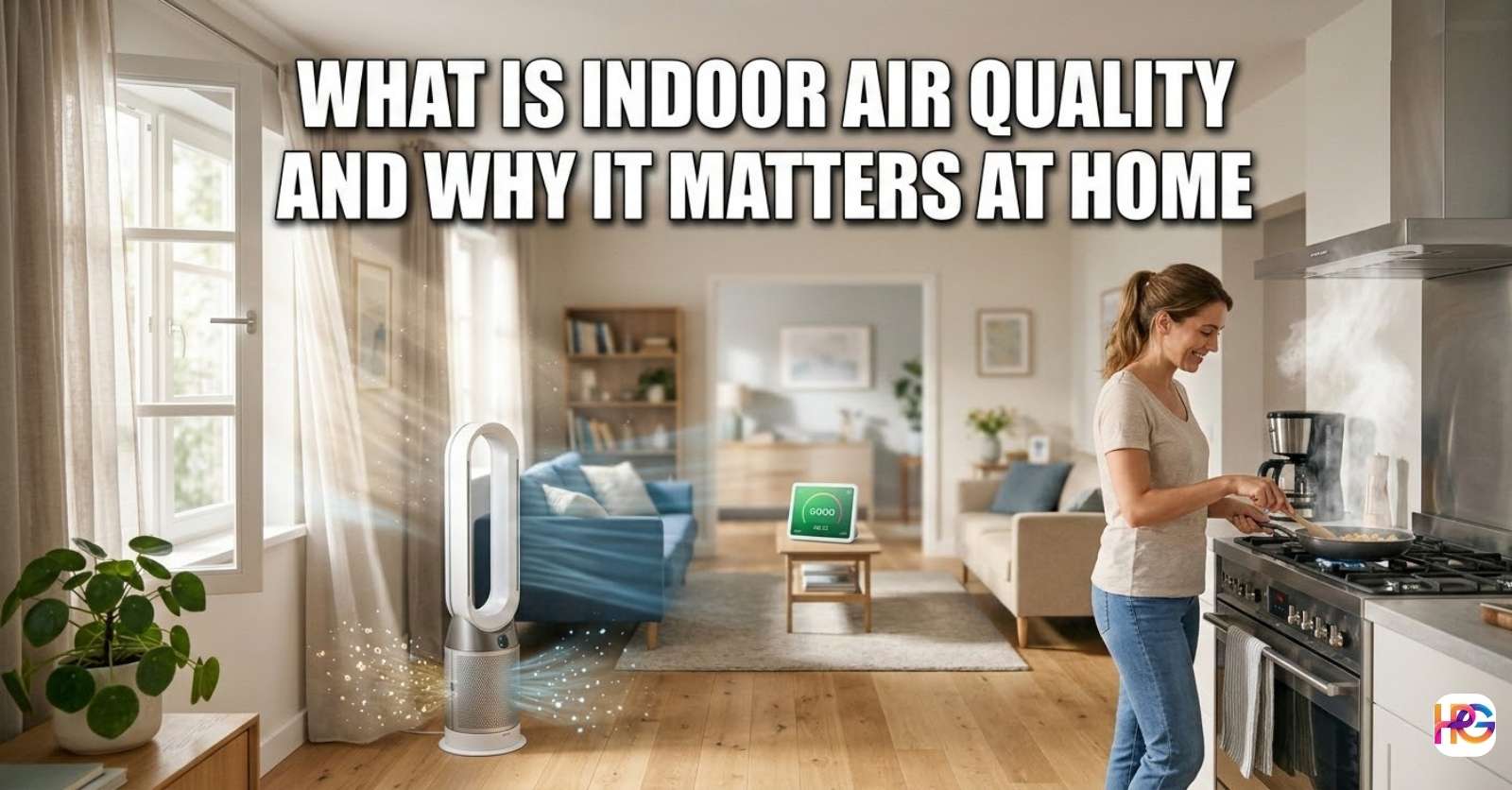
Indoor air quality is a very simple concept. It measures how clean the air is inside a building. Good air keeps your whole family safe. Bad air makes everyone feel sick over time. Having good air quality means the room smells fresh. Clean air flows nicely from room to room. You feel awake, sharp, and totally healthy.
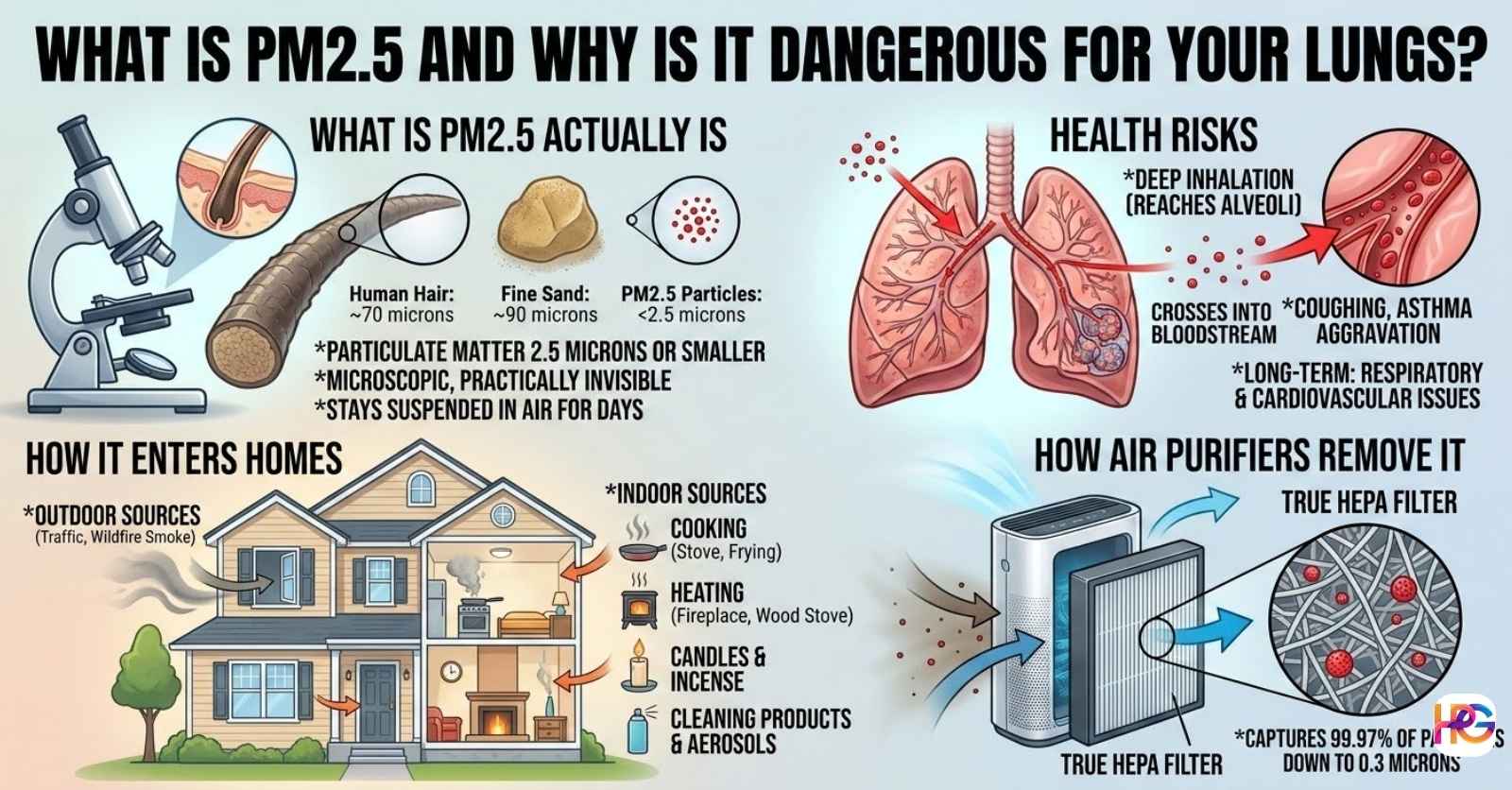
Poor air quality means dirty particles are stuck indoors. These tiny specks float around you all day long. Seeing them with your eyes is often impossible. Smelling them is not always easy either. But your lungs take them in with every single breath. Dirt builds up fast when fresh air stays outside.
Think of your home like a large fish bowl. Changing the water is required to keep the fish healthy. Dirty water makes the fish very sick. Your house acts the exact same way. Bringing fresh wind inside is totally necessary. Trapping old air makes the house toxic. Managing your home breeze is a big part of adult life. It keeps your living space safe.
Why Our Home Air Gets So Dirty
Locking our doors and shutting our windows makes us feel secure. We think we are blocking out dirty city smog. The real truth is quite shocking to learn. Air inside your house is often much worse than outside. It can easily be five times dirtier than street air. Experts from the Environmental Protection Agency have proven this fact.
Builders make modern homes very tight today. Sealing every small gap in the walls is standard practice. Doing this saves a lot of home energy. A sealed house keeps the heat inside during winter. Keeping cool air inside during summer is also easier. Lowering your monthly bills is a great benefit. But this tight seal ruins your overall air quality. The bad air simply has no way to escape.
Daily Habits That Ruin Air Quality
The things we do every day add to the daily mess. Cooking food is a very big cause of bad air. Spending a lot of time in my kitchen is my favorite hobby. Testing new kitchen tools brings me joy. However, using a gas stove puts bad gases into the room. Cooking with my air fryer sends tiny oil drops flying. Failing to vent the room means you breathe that oil. Kitchen tools can also hide hidden air problems. My coffee maker needs regular deep cleaning to stay safe. Old coffee oils burn on the hot plate and create bad smells. Even a dirty blender motor can smoke a little bit. That burnt smoke goes straight into your lungs. Small kitchen tools need constant cleaning to stop bad air.
Cleaning supplies also cause huge breathing problems. Wiping our counters with strong sprays feels productive. These items often use harsh and toxic chemicals. Fumes float around the house for many hours. Experts call these volatile organic compounds. They stay in your breathing space long after you finish scrubbing.
New items also pollute your living space. Buying a new couch seems harmless at first. But new furniture gives off strong chemical smells. Fresh paint does the exact same thing to your lungs. Pet hair and regular dust just add to the growing pile. All these things combined create a perfect storm of bad air.
The Hidden Health Effects of Bad Air
Bad air hurts your body in very sneaky ways. My own wake up call was that dull morning headache. Feeling very tired in the afternoons was another big clue. Thinking I just worked too hard was my first guess. The real truth was much simpler than that. Breathing stale air for days was draining my energy.
Different people react to bad air in different ways. Kids and older folks feel the pain first. Anyone with asthma will notice bad air right away. Your body actively tries to warn you. Listening to the signs is your only job.
Short Term Warning Signs
The first signs feel a lot like a basic winter cold. Getting a runny nose happens very often. Your throat might feel dry and incredibly scratchy. Eyes might water for no clear reason at all. Sneezing fits can hit you out of nowhere. Feeling dizzy or slow is another common clue. My throat felt dry every single morning. Ignoring it for weeks was a foolish choice. Then, realizing my bedroom door was always closed at night solved the puzzle. The night air was just too stale.
Table 1 Common Air Pollutants and Their Sources
| Pollutant Type | Common Sources in Your Home |
|---|---|
| Floating Dust | Cooking food, burning candles, dirty rugs |
| Chemical Fumes | Cleaning sprays, fresh paint, bug sprays |
| Natural Pests | Dust mites, pet hair, damp mold |
| Burned Gases | Gas stoves, old heaters, water tanks |
Long Term Risks of Bad Air
Ignoring the early warning signs is a bad idea. Breathing dirty wind for years is extremely dangerous. It harms your soft lungs over time. Bad heart issues can form as you grow older. Some strong chemicals even link to major long term diseases. Reading this specific data scared me a lot. Acting fast became my only real option. Cleaning up my house was required.
How I Fixed My Indoor Air Quality
The good news is you can fix your air today. Tearing down walls is not required. Hiring costly experts is completely unnecessary. Making a few basic changes in my own routine worked wonders. The positive results were fast and crystal clear. The whole house felt much lighter. Those bad smells went away for good.
Sharing my exact methods with you is my goal today. They are very cheap to do at home. They take very little time out of your day.
Opening Windows Every Day
This specific tip is the best fix of all. It costs absolutely nothing to do. Opening two windows on opposite ends of my house is my routine. Doing this every single morning is a strict rule. Leaving them open for just fifteen minutes is enough time. A fast cross breeze forms almost instantly. The fresh wind pushes the stale air directly outside. It pulls clean air right into the stuffy rooms.
Cold days do not stop this daily habit. A quick blast of chilly air is perfectly fine. Your heat bill will not spike from this short breeze. The room clears out in just a few minutes. Heavy morning smells vanish right away.
Using Exhaust Fans Properly
That fan above my stove used to annoy me. The loud noise always bothered my ears. Turning it on felt like a huge chore. Now, using it is a strict rule during cooking. Boiling water requires the fan to be on. Frying eggs means the fan must be running fast. Smoke and wet steam get pulled right out of the kitchen.
Bathroom fans work the exact same way. Steam builds up fast during hot morning showers. That steam quickly turns into wall mold. Air quality drops fast when bad mold grows. Turning the fan on before a shower is an absolute must. Leaving it running for twenty minutes afterward is also key. Dry rooms stay safe and smell clean.
Buying a Quality Air Purifier
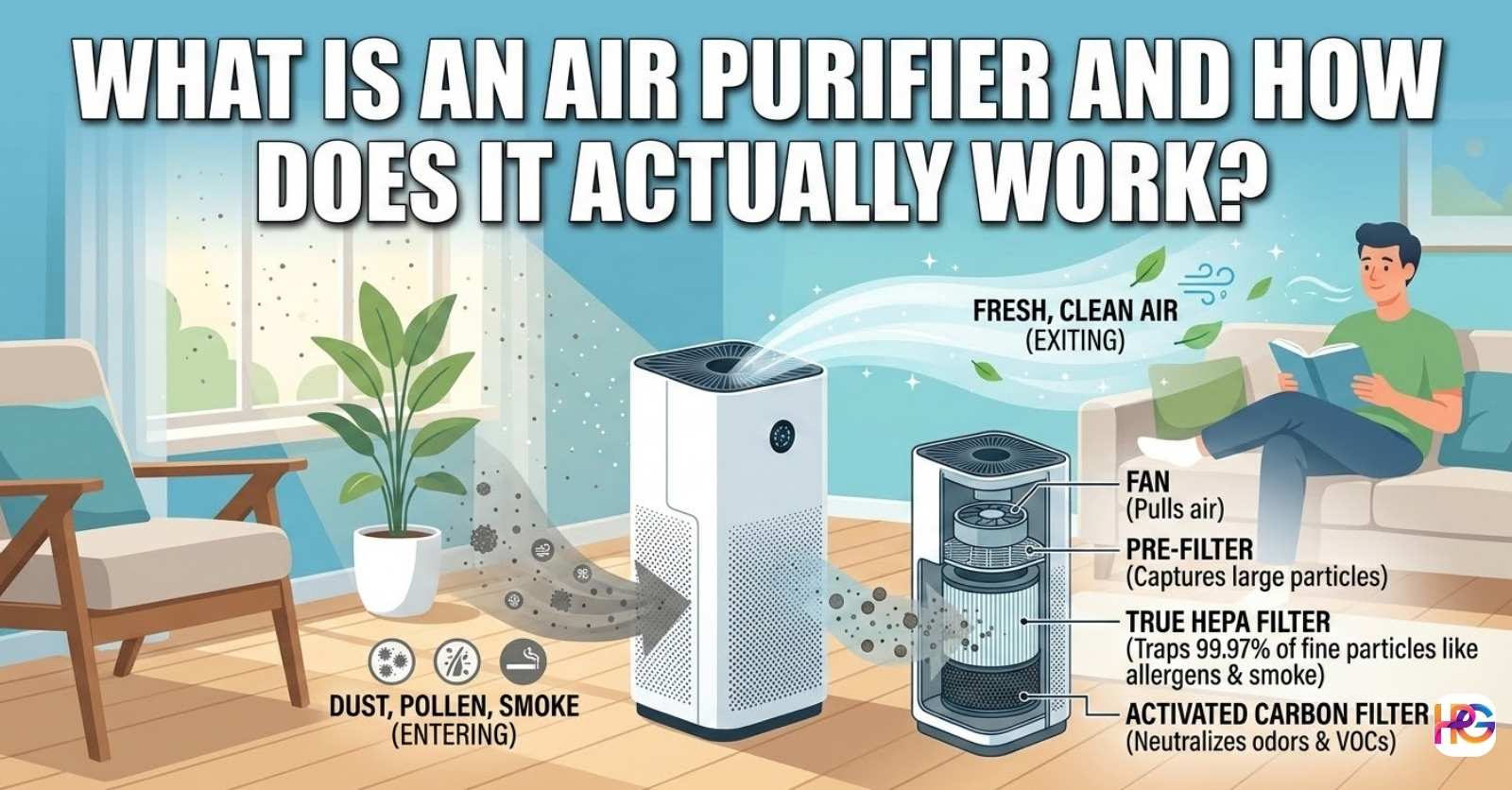
Opening windows is a fantastic daily habit. Sometimes the weather is just too hot or freezing cold. That is exactly when an air purifier helps. Buying a machine with a true HEPA filter was a great choice. These thick filters trap very tiny specks of flying dust. They catch loose pet hair and outdoor flower pollen.
One unit sits right in my bedroom now. A second unit cleans the air near my kitchen. Checking the clean air delivery rate was my first step. Higher numbers mean the room gets clean much faster. My machines run on low speed all day long. Quiet fans do a truly great job.
Controlling Indoor Humidity
Moisture plays a huge role in your daily air quality. Too much water in the air grows dark mold. It helps tiny dust mites spread everywhere. Too little water makes the room air feel dry. Dry air hurts your nose and your throat. Finding the right balance is very important.
Table 2 Ideal Indoor Humidity Levels
| Season of Year | Ideal Humidity Range | Why This Level Matters |
|---|---|---|
| Cold Winter | 30–40 percent | Stops dry skin and window ice |
| Hot Summer | 40–50 percent | Stops mold and bugs from growing |
Buying a cheap digital meter helps watch this. It sits right on my work desk all day. Running a small humidifier helps if the air gets too dry. Using my air conditioner helps if the house gets too wet. This one small step makes a huge difference.
Swapping Out Plastic and Chemicals
This step changed my whole home lifestyle. One day, I looked right under my kitchen sink. The space was full of harsh chemical sprays. Throwing away the strong bleach bottles felt great. Plain white vinegar and water became my new cleaner. This safe mix works perfectly on my kitchen counters. Cleaning my coffee maker and blender changed too. Stopping the use of chemical soaps on them was a smart move. Warm water and vinegar work perfectly for removing old coffee oils. This stops bad smells from burning into the air later.
My food storage habits also needed a big change. Plastic bins always seem to hold old food smells. Toxins can also leak from them into your meals. Tossing out my stained plastic boxes was incredibly easy. Thick glass containers took their place on my shelves. Glass always stays perfectly clean. Old food smells never get trapped inside the solid walls. The air in my fridge stays totally fresh now.
Small choices really add up over a long time. Buying plugin room sprays is something I stopped doing. They just push fake chemical scents into the room air. Boiling lemon peels and spices on my stove happens instead. It makes the house smell great in a totally natural way.
Picking Better Habits for a Healthier Home
Fixing your home air takes some real time. Buying a fan and walking away will not work. It takes daily care and focused thought. But the simple steps are very easy to learn. Watching what you bring inside your home is the main trick.
Feeling much healthier is my current reality. Sleeping deep through the entire night is normal now. Waking up with a clear nose feels like a gift. My kitchen always smells totally fresh and clean. Afternoon slumps are completely gone from my day. Feeling safe breathing in my own house is wonderful.
We try very hard to eat good food. Staying active is something we all work on. Caring about our air must become just as vital. It is the one thing we consume all day long. Taking charge of your own air feels deeply empowering. Learning to make smart choices protects your family. When you pick better tools and habits, you live smarter every day. Your body will thank you for making the healthy change.
Tool and Indoor Air Quality FAQs
Do air fryers ruin indoor air quality in a small kitchen?
Hot Ninja air fryers shoot tiny oil drops right into your room air. Always run your strong stove vent fan to keep the space safe and clean while you cook your daily meals.
Why does my coffee maker smell bad and hurt my air quality?
Old coffee oils burn on the hot plate and make bad smoke. Clean your daily brewer with plain white vinegar to stop gross fumes and keep your morning room air very fresh.
Will a HEPA air purifier truly clean my dusty home air?
Yes, a good HEPA filter traps tiny dust specks and loose pet hair very fast. Keep your unit running on low speed all day to keep your indoor air quality high and safe.
Can a smoking kitchen blender ruin my indoor air quality?
Yes, a dirty or stuck motor easily burns and sends bad smoke into your clean room. Wash the base parts well and never run the tool too hard to protect your home air.
Does my bathroom vent fan help during cold winter months?
Yes, hot winter showers trap deep wet steam inside your closed house. Run your vent fan for twenty full minutes to pull wet air out and stop dark mold from growing.