What Is A Microwave Waveguide Cover And When Should You Replace It?
The Night My Kitchen Turned Scary
It was late on a cold night at home. My stomach was growling loudly after a long day. I wanted to heat up some old chili for a fast meal. The glass bowl went right into my old machine. I pushed the start button and turned my back.
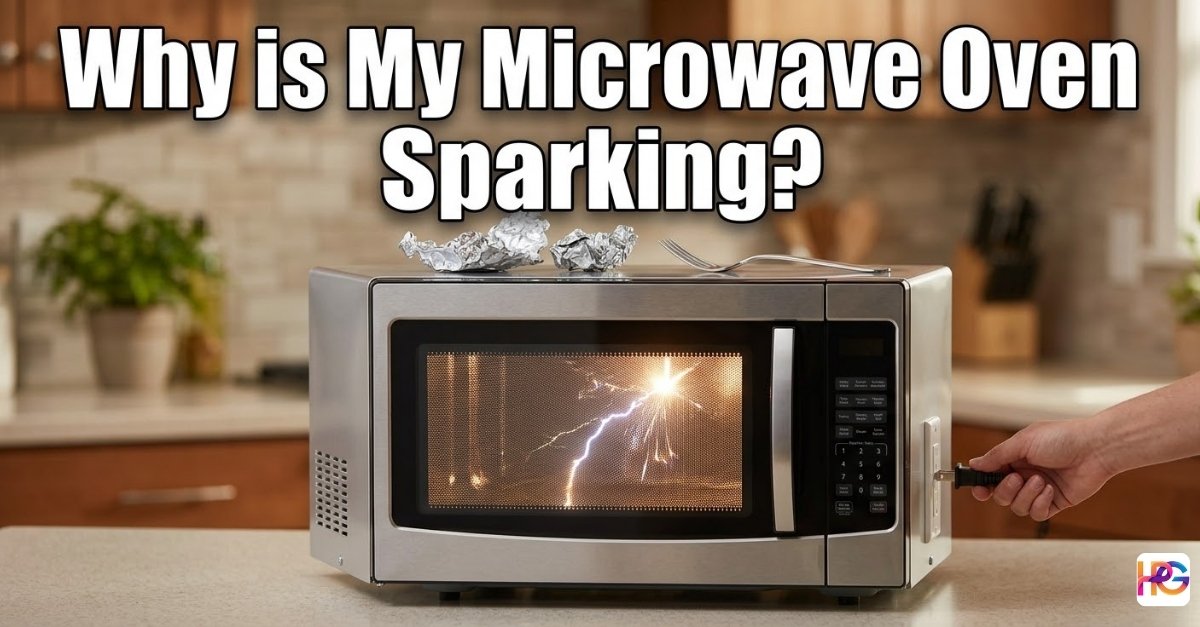
A few seconds passed by in the quiet room. Suddenly, a loud popping noise made me jump. I spun around fast to look at the glass door. Bright blue sparks were shooting all over the inside. It looked like a tiny storm in the food box.
Panic set in very quickly for me. I hit the stop button as fast as I could. Then I pulled the thick cord out of the wall. A bad smell of hot metal filled the air. My heart beat fast as I stood there.
Looking Inside The Machine
Finding The Burnt Cardboard Square
Fear made me wait a bit before opening the door. I grabbed a small light to see things better. My first thought was a lost metal fork. There was no fork in the round chili bowl.
Instead, I saw something odd on the right wall. There was a small square piece stuck to the metal. It looked just like dirty gray cardboard. One corner of this piece was black and burnt.
I touched the dark spot gently with one finger. The burnt part fell away like soft ash. This tiny piece of trash was causing all those sparks. I knew I had to figure out what it was.
Learning About The Waveguide Cover
What Does This Tiny Shield Do?
I did not want to throw the whole thing away. A brand new unit costs a lot of money today. So, I took out my phone to search for clues. I typed in a note about the small square.
The web gave me a fast and clear answer. That small item is a microwave waveguide cover. Most folks never know it is even in there. It sits quietly on the bare wall day after day.
Its main job is highly vital for your machine. Behind that little cover hides a part called the magnetron. This hidden part acts as the main engine for the unit. It makes the deep waves that heat your fast meals.
The cover rests right over the open hole. It acts like a strong guard for the hidden parts. You need this piece to keep the engine fully safe.
How Deep Waves Cook Your Meals
Moving The Water Drops
You might wonder how those deep waves work. The unseen waves fly around the inner metal box. They look for tiny water drops inside your cold food.
When the waves hit the water, things start to move. The drops shake back and forth very fast. This fast shaking creates a lot of raw heat.
That sudden heat is what cooks your cold soup. The whole process is quite safe when parts work right. The small shield keeps the system running smooth and clean.
Why Do They Use Mica Sheets?
Blocking Grease And Heat
You might ask why it looks like cheap paper. The part is made from a real rock called mica. Factories press this rock into very thin flat sheets.
Mica has two very great traits for this tough job. First, it lets the deep waves pass right through it. Second, it handles extreme heat without melting down. Normal thin plastic would melt into a huge mess.
Real paper would catch on fire in a few seconds. The mica sheet stops steam and hot oil splashes. It keeps flying sauce out of the delicate engine tube.
The Real Reason Behind The Sparks
Food Splatters Cause Big Problems
My deep web search showed me why the sparks flew. The whole issue starts with flying hot food drops. We all forget to put a lid on our plates.
When hot sauce boils, tiny drops fly onto the walls. Some of those drops hit the flat cover. The wet oil soaks right into the soft rock sheet.
Over time, that grease spot gets cooked again and again. You heat it up every single time you cook food. Soon, the old food turns into pure hard carbon.
Carbon fights back against the deep heating waves. The waves hit the dark spot and make it super hot. This rare event makes a tiny electric short take place. That short makes the loud pop and the bright blue flash.
Why You Must Stop Using It Now
Saving The Magnetron Tube
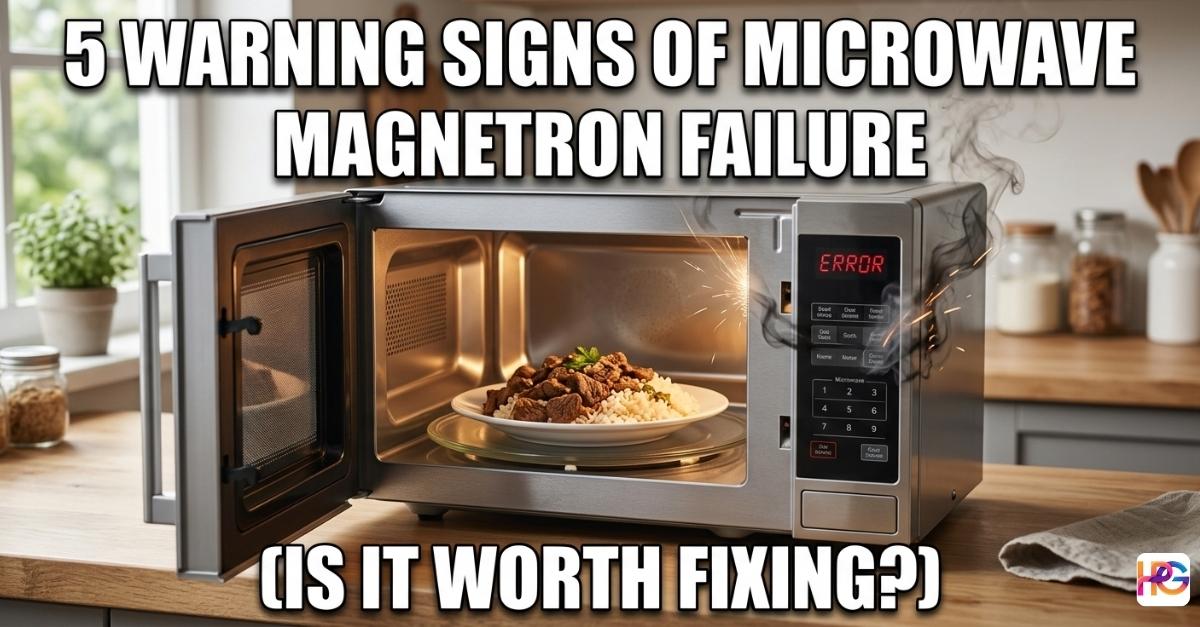
Seeing bright sparks one time is a fair warning sign. Letting it happen a lot is a very bad choice. The extreme heat will melt the plastic inner side walls.
Worse things can happen to the hidden main engine. Sparks can shoot backward right into the power tube. If that tube breaks, the whole unit is fully dead. You cannot fix a broken engine tube for cheap.
Leaving a bad cover in place can start a fire. Flames in your dark kitchen are a real threat to safety. I am glad I pulled the thick plug so fast.
Signs You Need A New Waveguide Cover
Good Covers Versus Bad Covers
I looked hard at my broken sheet of mica. The dark burn damage was very plain to see now. You can check your own unit right this minute. Open the front door and look closely at the inner walls.
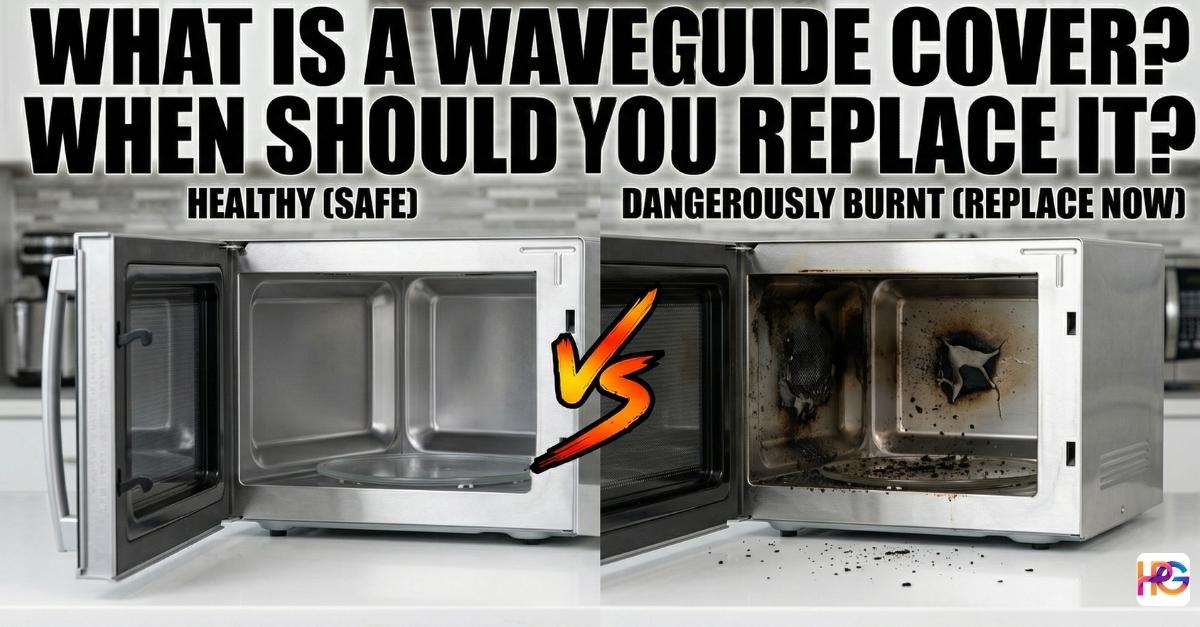
A good cover will look neat and clean all over. A bad cover will look like a sad burnt mess. You do not need big skills to spot the major issue.
| Cover State | How It Looks | How It Feels | Is It Safe |
|---|---|---|---|
| Good Shape | Light gray or shiny silver color | Smooth and totally whole | Safe for daily use |
| Bad Shape | Dark brown or deep black spots | Greasy and breaking apart | Unsafe to use now |
Where To Look For The Cover
Checking Different Unit Types
Not all machines are built the exact same way. You might have to look around to find your shield. Most small units put the piece on the right side.
Some larger units put the square on the top roof. A few very old models have it on the back wall. Just grab a good light and look around the box.
The part will always look like flat gray cardboard. It is never made of clear glass or hard shiny plastic. Once you spot it, you will know for sure.
Buying A New Mica Sheet
Pre-Cut Pieces Or Blank Sheets
Fixing this burnt mess felt quite easy to do. I went to a big online shop to find fresh parts. The site gave me two main paths to take today.
First, I could buy an exact fit for my brand. Second, I could get a big pack of blank sheets. The exact fit item cost me twelve bucks to ship. The pack of blank sheets cost just six loose bucks.
I chose the blank sheets to save some quick cash. Buying the blank ones felt like a very smart move. If I cut the first one wrong, I had more to try. The pack held four large pieces of the rock paper.
This neat plan meant I had extra parts for a long time. It felt great to find such a cheap way out. I was ready to get my two hands to work.
The Simple Tools You Need
Scissors And A Pencil Will Work
You do not need to be a pro for this job. You do not need any loud power tools at all. A few basic items were easy to find around the house. Sharp scissors helped cut the thin sheet, while a dark pencil outlined the correct curved shape. Dish soap and warm sink water were also gathered for the job.
Paper towels were the last thing on my short list.
The old burnt piece was my most vital tool. I needed it to act as my clear size guide. With these plain items, I was ready to start the fix.
My Easy Step By Step Fix
Taking Out The Old Burnt Piece
Step one is to always keep yourself safe first. I made sure the power cord was out of the wall. Never work on a plugged in machine at home.
Taking the old part out was a fast simple task. My cover stuck into small slits cut in the wall. The sheet just slides right into these tight dark spaces.
I pushed the middle of the sheet with my thumb. One side popped right out of the tiny metal slit. The old piece was so weak it broke in half. This mess did not upset me at all.
I matched the two broken halves on my flat counter. I needed the true outer shape for the next bold step. The flat surface helped me see the real final size.
Cleaning The Bare Metal Wall
This next part is key for a long lasting fast fix. The bare metal wall had yellow grease all over it. If I left the grease, the bright sparks would just return.
I took a wet paper towel with a drop of soap. I wiped the whole metal space until it was clean. Every single bit of burnt black dust had to go away.
Then I used a dry towel to wipe up the wet spots. The bare inner metal must be bone dry for the new part. Any tiny wet spots will hurt the new soft rock sheet.
Tracing The New Shape Carefully
I put a fresh blank sheet flat on the wood table. I set the broken pieces right on top of it. Holding them still, I drew a dark line around the edge.
Mica is a very strange thing to cut through. It sounds a bit crunchy right under the steel blades. I cut very slow to stay on my dark pencil line.
I made sure to copy the little side tabs perfectly. These small outer tabs hold the flat sheet to the wall. The whole simple cutting task took just two short minutes.
Putting The Fresh Shield In Place
Putting the new piece in was the best part today. The fresh rock paper was stiff but it bent a bit. I slid the left tabs right into the deep metal slits.
I pushed the center to make a very small bend curve. The right tabs slid smoothly into their open side slits. I let go, and the new sheet snapped flat on the wall.
It looked brand new and very clean inside the box. The fresh piece felt tight and did not move at all. My hard home work was finally done for the long night.
Testing The Appliance After The Fix
A Glass Of Water For Safety
I still felt a bit scared to turn it back on. I put the heavy black cord back into the wall plug. You must never run these large units with no food inside. The waves need real soft stuff to soak them up.
I filled a glass cup with cold clear sink water. Next, I put the cup inside and shut the door tight. I set the digital clock for thirty ticks and stepped back.
I reached out and hit the green plastic start button. The yellow light glowed warm inside the dark metal box. The flat glass plate began to spin in a slow circle.
I used my two ears to listen very close. There were no bright loud flashes to be seen. There was no scary pop sound heard at all. The old unit just hummed its quiet normal daily song.
When the loud clock beeped, I opened the front door. The water in the cup was very steamy and hot. The cheap and fast daily fix worked like a real charm. A huge wave of calm washed right over me.
Why We Use Water For The Test
Absorbing The Heavy Waves
Running a blank empty unit is a major safety rule foul. Those deep waves need a place to go right away. If the inner box is bare, the waves bounce off the hard walls.
They will bounce right back into the main engine tube. This causes huge deep stress on the expensive hidden parts. You can ruin a great home machine in just ten seconds flat.
A simple cup of cold water fixes this main threat. The pure water soaks up all the fast flying waves. It keeps the whole short test very safe and fully secure.
How To Stop This From Happening Again
Always Cover Your Food Plates
This bad scary night taught me a very good lesson. Flying wet food drops cause this entire messy problem. A cheap plastic dome saves so much time and real grief.
Heating up bare wet plates is a truly bad daily habit. Every time hot soup pops, it hurts that tiny gray shield. A soft paper towel over a bowl works very well too. It takes just two quick seconds to cover your meal.
Now I have a fresh regular cleaning chore on my list. Looking at that little square one time a month is my rule. I check close for any new dark spots growing there.
When I wash the inner glass, I wipe the shield too. I use a dry paper towel for this very gentle soft task. I never spray harsh strong soap right onto the rock sheet. Strong soap can soak in and cause new big bright sparks.
Final Thoughts On Easy Kitchen Fixes
I came very close to tossing a fine home machine out. Fear and a deep lack of facts almost cost me dearly. Throwing things away fast is often a big waste of cash.
Instead of giving up fast, I spent a few smart dollars. I gave up just ten short minutes of my free time. Doing a little web search paid off in a huge great way.
Swapping a microwave waveguide cover is a complete breeze. It truly is the easiest fast fix in the whole house. If your unit ever starts throwing wild sparks, stay calm. Unplug it from the wall and check that little square. You might save a long trip to the big appliance store.
Frequently Asked Questions
What tools do I need to fix a microwave waveguide cover?
You only need basic tools for this quick DIY repair. Grab sharp scissors to cut the new mica sheet and a pencil to trace the shape. It is a very fast and safe fix.
Is it safe to use my microwave without the mica cover?
No, running it without the shield is highly unsafe. Hot steam and grease will reach the hidden engine tube and ruin your unit. You must replace the broken part first.
Why does my microwave waveguide cover keep sparking?
Food splashes put wet grease right onto the flat cover. That old oil cooks into hard carbon over time and causes bright sparks. Wiping it clean stops this scary issue.
How long will a new replacement mica sheet last?
A fresh sheet can last for years if you keep it clean. Using a cheap plastic food dome prevents bad splashes from hurting the rock paper. Simple care extends its daily life.
Can I clean a burnt microwave waveguide cover instead?
You can wash light grease off with warm soap and water. But deep black burn marks mean the soft material is fully dead. A new clean piece keeps your kitchen safe.