My Scary Wake Up Call About PM2.5 and Indoor Air
My name is Hasan, and I run a site called Home Pick Guide. Our main goal is to help you “Pick Better. Live Smarter.” I spend my days testing home tools and kitchen gear. Last month, I had a very scary wake up call.
I was using my favorite air fryer to make a fast dinner. Chicken wings sounded like a quick and easy hot meal. I tossed them in some oil and hit the start button. The kitchen quickly filled with a warm and savory smell. But ten minutes later, things changed for the worse.
A thin gray haze floated right near the kitchen ceiling. Then my new indoor air test screen started to scream. It flashed a bright red warning light right at me. The screen warned me about very bad PM2.5 levels. That night changed how I think about my safe home.
My throat felt a little tight and very scratchy. My eyes watered from the thin and greasy meat smoke. I quickly opened the back door to let fresh air inside. The cold wind rushed in and cleared the messy room. The numbers on the screen slowly dropped back down to green.
I grabbed my phone to search for fast and real answers. I test coffee makers and blenders for my daily job. But I had never looked deeply into air dirt before. This felt very strange because it was inside my own kitchen. I knew I had to dive into the science of lung health.
What Exactly Is PM2.5 Anyway?
Reading about air quality can get very confusing fast. Health experts like to use lots of big and complex words. The letters PM simply stand for tiny floating dust. The numbers tell you the actual size of the bits.
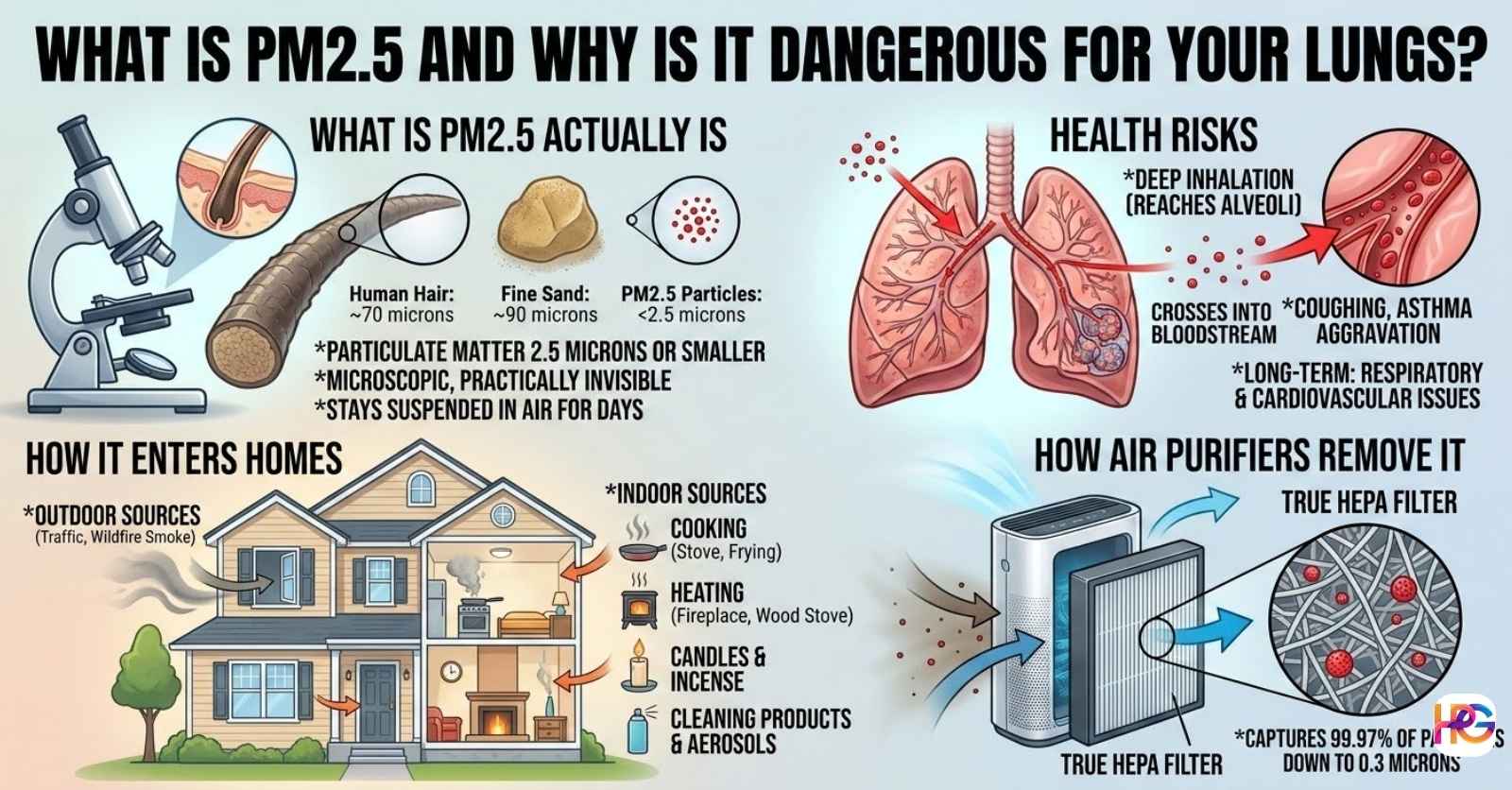
These floating specks are tiny dots in the room air. We cannot see them without a very strong glass lens. Think about a single piece of your own head hair. One hair is about fifty times thicker than this dust. You could line up many specks across a single thin hair.
These dots are practically weightless in the calm air. They float around our cozy rooms for hours on end. Sometimes we see big dust clumps dancing in bright sunlight. Those big clumps are entirely different and harmless things. The truly bad stuff stays totally out of sight.
Why This Tiny Dust Causes Huge Problems
Our bodies have great built in traps for heavy dirt. Nose hairs catch large pieces of heavy outdoor soil. Sticky mucus traps regular dust before it goes very far. Big chunks just make us sneeze loudly and clear our heads.
But this tiny dust bypasses all those physical traps entirely. The very small size is the main hidden health danger. It slips right down our soft and sensitive windpipes. These tiny specks travel deep into our warm upper chest.
They reach the small air sacs at the bottom of our lungs. From there, they can even cross straight into our blood. Cooking a simple dinner was filling my lungs with bad air. I knew I had to clean up my house fast.
Where Does This Bad Air Come From?
Most people only blame loud cars for bad outside air. I always pictured dirty plants or busy city highways. It turns out our own houses are major daily dirt traps. Indoor spaces hold onto bad smoke very tightly.
My kitchen is the biggest offender by far. Cooking hot food creates massive amounts of tiny smoke bits. Frying meat releases oily soot into the closed room air. My trusty air fryer caused my first big warning alarm.
Gas stoves pump out harmful fumes every single time you cook. We literally cook up our own air mess daily. Even a dirty blender motor can give off tiny bits of dust. Keeping your kitchen tools clean is clearly very vital.
Hidden Traps in the Living Room
Cooking is certainly not the only big indoor problem. We bring dirt inside on our shoes all the time. Sweeping stirs up old hidden dust from the soft rugs. We light sweet candles to relax after a long work day.
Those pretty candles burn and release soot right into our faces. Even my favorite fresh citrus cleaning sprays cause issues. Chemical sprays react with the air to form new tiny bits. They linger long after the clean smell fades away.
I checked data from health groups on the vast web. Indoor air often tests much worse than outdoor street air. This blew my mind completely when I read it. I work from home almost every single day of the week. Sitting in a soup of bad dirt was ruining my daily focus.
My Tests With Common Kitchen Tools
I love testing things myself to uncover the real truth. To track my daily air quality, a simple chart helped record the results while my cheap test screen moved around the house for a full week.
The gadget recorded how different chores changed the air.
Here are the exact numbers from my own living space.
| Daily Activity | Test Screen Reaction | Time to Clear Air |
| Frying morning bacon | Huge red danger spike | 45 minutes |
| Burning a sweet candle | Medium yellow warning | 20 minutes |
| Spraying glass spray | Small yellow warning | 10 minutes |
| Sweeping living room | Medium yellow warning | 15 minutes |
The bacon test was honestly shocking to see. The test numbers shot up in less than three short minutes. I had to turn the stove fan on high right away. The kitchen smelled great, but the air was clearly awful.
Dust From Spices and Dry Foods
I also noticed spikes when working with dry baked goods. I often write guides about keeping glass food jars clean. Pouring white flour creates a huge cloud of fine white dust. That dust stays in the air for a very long time.
Even sorting my old spice jars caused a small test spike. Old dry spices lose flavor and turn into fine dry dust. When you open the jar, that dust floats right up. It is not as toxic as smoke, but it still fills your lungs.
Using good sealed glass jars keeps the flying dust down. It also keeps your food fresh and completely safe. Small steps like this really add up over a busy week. Every little bit of clean air helps your body heal.
How Bad Air Hurts Your Daily Health
I am definitely not a trained medical doctor. I just care deeply about living a long and well life. Short term exposure hits you surprisingly fast. My throat felt incredibly rough that Tuesday night in the kitchen.
Sometimes I get random coughing fits while deep house cleaning. My nose gets stuffy for no clear reason at all. These are basic automatic signals from your smart human body. Your lungs are trying to reject the bad room air.
It feels exactly like very mild spring tree allergies. But there is no tree pollen inside during the cold winter. The real enemy is the indoor dust we make ourselves. Breathing clean air must become a top daily goal.
The Silent Long Term Worries
The long term health risks sound much worse. Living with dirty air harms delicate lung tissue slowly over time. It makes breathing issues much harder to handle as you age. Heart health suffers when we breathe tiny dirt bits constantly.
Our bodies work hard just to get a clean breath. Blood pressure can even go up from the extra daily stress. I want to enjoy my life without a constant dry cough. Protecting my lungs feels just as vital as eating fresh food.
Drinking clean water is a normal daily habit for us. Breathing clean air is a firm rule in my house now. I refuse to let hidden dust ruin my family health. We all deserve a safe place to rest and fully heal.
My Search for the Best Air Filter
Taking action felt really good and very empowering. Opening windows works perfectly on nice cool spring days. But winters in my town get super chilly and very damp. Leaving windows open all year is just not a good plan.
I needed a smart tool that worked around the clock. Researching home gear is my true passion anyway. So I spent days looking at air fans on the web. I read hundreds of reviews from real everyday buyers.
Finding the truth hidden in tricky ads takes real time. Many cheap machines are totally useless for bad small dust. Some weak fans just blow dirty air across the dark room. You must look for a specific filter label to be truly safe.
Picking the Right True HEPA Unit
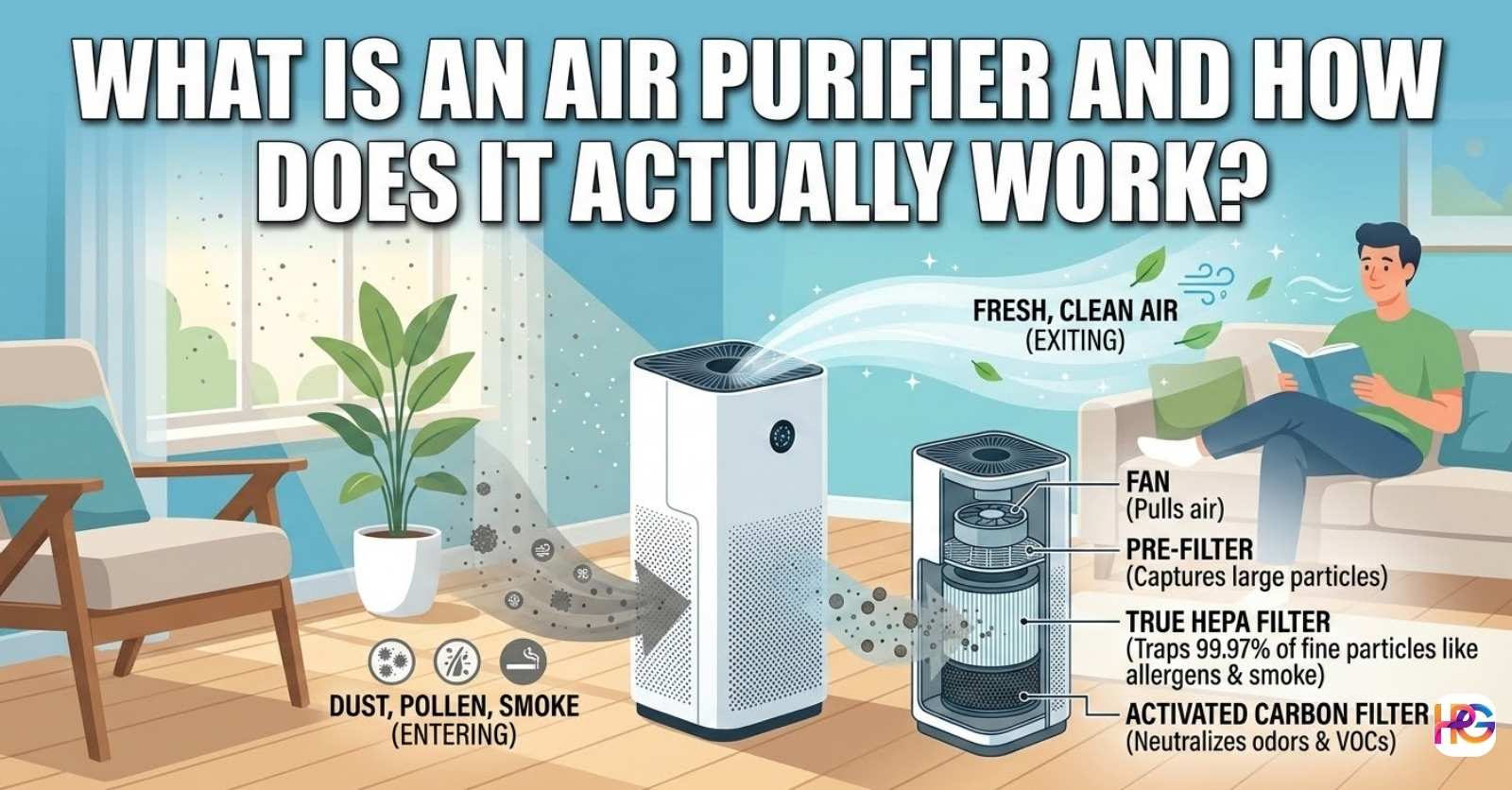
True HEPA filters are the gold standard for clean homes. They use a thick maze of packed fine glass threads. They act like an invisible sticky net for the whole room.
Tiny dust crashes into the threads and gets stuck forever. They catch almost all the harmful floating bits with total ease. I refused to buy anything without this exact part inside. It is the only way to catch the smallest hidden danger.
A big brown box arrived on my porch last Friday. I bought a well reviewed unit for my main living space. Unboxing it was actually quite fun and very exciting. The plastic shell felt thick and built to last a long time.
Testing My Brand New Air Machine
I placed it in a corner away from the flat walls. I plugged the cord in and tapped the top start button. The machine hummed very quietly in the silent room. You could barely hear it over the running cold fridge.
Now it was time for a real life stress test. I walked back into my kitchen with a clear bold plan. My air fryer was ready for action once again. I decided to cook some very greasy breakfast pork links.
White smoke slowly gathered near the kitchen ceiling lights. My little air test screen flashed angry red colors. But this time, the new fan noticed the danger too. The internal motor spun up to high speed very loudly.
Tracking the Clean Air Results
The machine was working hard to clear the big mess. Watching the fast progress was strangely fun to see. I pulled up a wood chair and watched the red numbers drop.
The noisy fan pushed clean air across the entire wide room. The heavy meat smell faded away much faster than usual. I wrote down the results in my small work notebook.
| Time Passed | Machine Fan Speed | Air Danger Level |
| 0 Minutes | Maximum High Speed | Very Bad |
| 10 Minutes | Medium Steady Speed | Getting Better |
| 20 Minutes | Low Quiet Speed | Good |
| 30 Minutes | Silent Auto Mode | Near Zero |
The difference was completely clear as day. My lungs actually felt lighter taking a deep fresh breath. The kitchen smelled completely normal and totally fresh. I felt glad knowing the new system actually worked well.
Small Daily Habits for Cleaner Air
Buying a fancy machine only solves part of the puzzle. Changing simple daily habits makes a massive difference too. I always run the stove exhaust fan while cooking hot food now.
Opening a nearby window helps when using harsh cleaning soaps. I threw away all my cheap fake sweet smelling candles. Natural pure wax candles are my new favorite living room treat.
Sweeping slowly helps trap dirt instead of kicking it up. I also clean my coffee maker out every single week. Old wet coffee grounds can grow hidden mold very fast. Mold spores add even more bad stuff to your room air.
Keeping Up With Filter Care
Owning good gear means taking care of it properly. I check my fan screens on the first of every month. The outer plastic mesh catches heavy dog hair and thick dust.
I just run a vacuum hose over it very quickly. The main inner filter turns dark gray over a long time. That nasty gray layer is the exact stuff I avoided breathing.
I buy a fresh part every six or seven full months. Paying for parts is slightly annoying to do. But protecting my long term health is entirely worth the small cost. You cannot put a price tag on a good deep breath.
Why You Should Test Your Own Air
Modern busy life keeps us trapped indoors most of the week. We worry heavily about drinking clean filtered ice water. We spend extra cash buying fresh green organic farm food.
Yet we completely ignore the invisible air entering our bodies constantly. I highly suggest buying a cheap digital air test screen today. Place it right on your bedroom night table or kitchen counter.
Just watch how the numbers change when you cook a big dinner. The real time results might startle you deeply. Knowing the hard truth is the first step toward fixing a problem.
Creating a Truly Safe Home Haven
Our homes should be a perfect and calm safe place. We all deserve to relax without breathing hidden bad toxins. Fixing bad indoor air is incredibly simple to do.
You just need basic facts and a decent fan system. Finding the exact dirt sources changed my daily life. Adding a strong fan fixed the last issues completely.
I sleep much deeper through the dark night now. I wake up feeling clear headed and ready to work hard. Take back control of your own home space today. Your pink lungs will absolutely thank you for it tomorrow.
Tool & Workshop Air Quality FAQs
Do my power tools create dangerous PM2.5 dust in the garage?
Yes, cutting thick wood with a Makita saw kicks up very fine dirt. This tiny dust stays in your hot garage for many long hours. A strong HEPA fan clears it fast.
Can a standard shop vac catch tiny air particles?
Most standard shop vacs just blow the fine dust right back out. You must buy a true HEPA filter upgrade for your daily vac. This keeps your lung health very safe.
Will a home air purifier work well in a cold winter workshop?
Cold air does not hurt the actual glass filter threads at all. But heavy sawdust will clog a small home fan unit very fast. You need a tough air tool for dusty rooms.
Do cordless dust vacuums clear the air as well as corded ones?
A cordless DeWalt vac works great for fast and easy bench cleanup. But standard batteries drain fast if you run them all day. Corded fans are best for daily bad air.
How often should I change my shop HEPA filter for the best safety?
You should check your fan screens every single month of the year. Heavy daily tool use will pack the air filter with dirt fast. Swap it out to keep up good clean flow.