I love cooking at home very much. Making fresh food brings me a lot of joy every day. But learning to cook well takes time and practice. I made a lot of silly mistakes along the way. One big lesson was learning about cooking oil temperatures.
My Smoky Kitchen Disaster in Jashore
It was a rainy Sunday morning here in Jashore. I wanted to make some crispy chicken in my air fryer. I poured a big splash of extra virgin olive oil over the meat. Then I set the machine to a very high heat. I walked away to clean up the kitchen sink.
A few minutes later my nose twitched suddenly. A sharp and bitter smell filled the whole room. I turned around and saw gray smoke pouring out of the machine. My eyes started to water right away from the fumes. I rushed over and pulled the plug out of the wall.
I opened the basket and coughed loudly at the cloud. The chicken was not golden or crispy at all. It looked dark brown and smelled like burnt tires. I felt so sad about ruining my nice lunch. That day I learned a hard lesson about hot oil.
What Does Smoke Point Actually Mean?
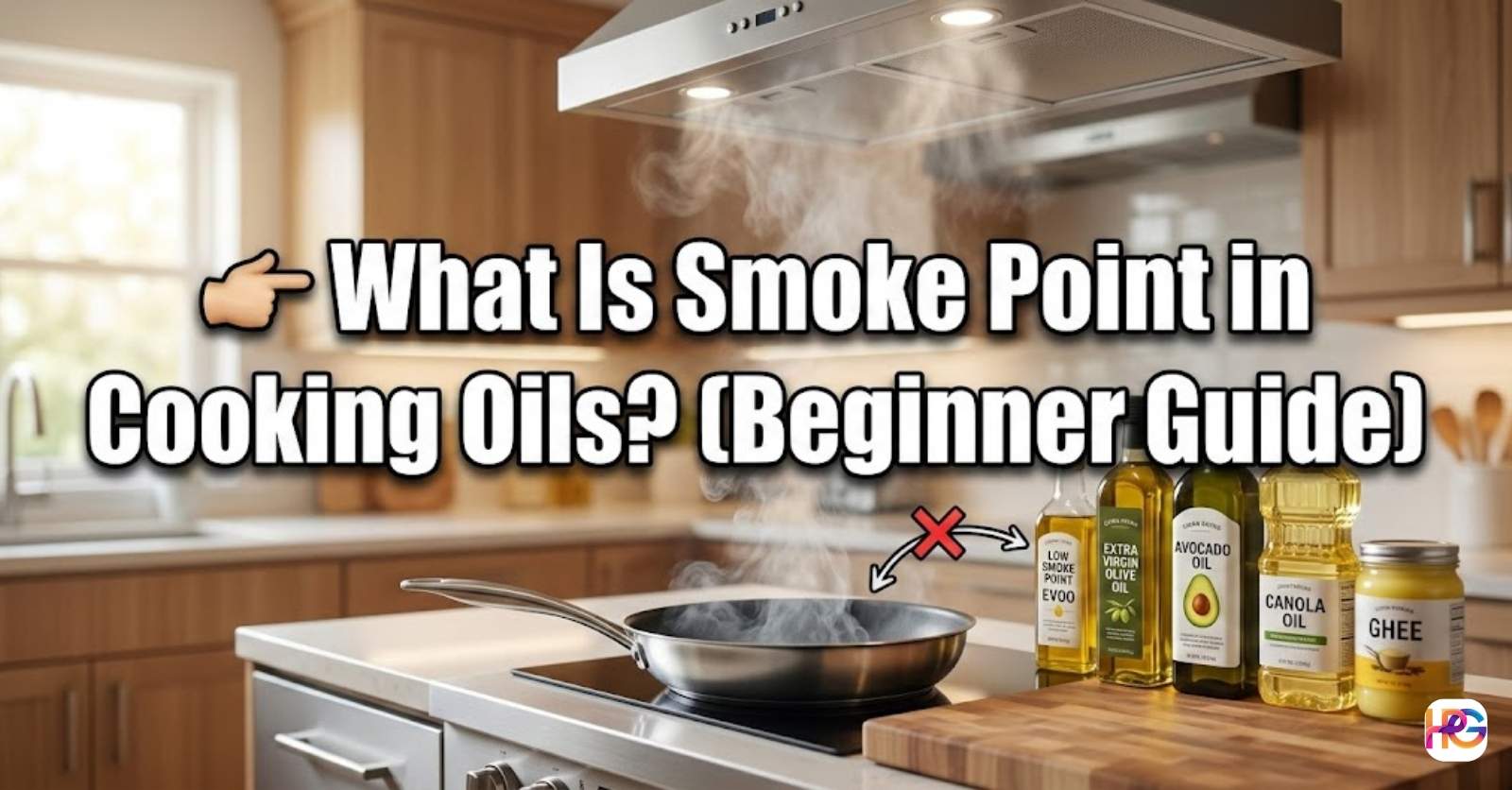
Every cooking oil has a specific safe heat limit. This hard limit is called the smoke point. It is the exact temperature where the fat starts to break down. The oil stops shining brightly in your cooking pan. Instead it starts to burn and give off visible smoke.
You can think of it like a speed limit for your food. Driving too fast causes a bad and dangerous crash. Heating oil too much causes a terrible kitchen disaster. Different types of fat have completely different heat limits. You must match the right oil to your cooking method.
How Refining Changes the Heat Limit
Making oil is a very interesting factory process. Machines press nuts or seeds to get the raw fat out. Some oils are left alone after this first pressing step. These are called raw or unrefined natural oils. They taste exactly like the plant they came from.
Raw oils burn very fast on a hot stove. Other oils go through a heavy cleaning process next. Factories filter out all the tiny raw plant bits. This cleaning step makes the oil highly refined and clear. Refined oils can handle much more heat before they smoke.
Why Smoke Point Matters for Air Fryers
I use my air fryer almost every single day now. It cooks food super fast by blowing hot air around. The heating coil inside sits very close to your food. This means the temperature gets very high very quickly. Using the wrong fat here is a huge mistake.
Putting a raw oil in an air fryer causes instant problems. The fast moving air picks up the hot oil drops. These drops hit the hot metal coil above the food. They burn instantly and create a thick gray cloud. Your kitchen will fill up with smoke in two minutes.
The Sticky Mess I Made
Smoke is not the only bad thing that happens here. Burnt fat turns into a thick and sticky glue. This glue coats the inside of your cooking basket. It also gets stuck on the hot metal heating parts. I ruined one of my early air fryers this exact way.
I tried to scrub the sticky brown mess for an hour. My hands hurt from rubbing the rough metal basket. The burnt glue just would not come off the sides at all. Food started sticking to the basket every time I cooked. I had to throw the whole basket in the trash bin.
What Happens When Cooking Oil Burns?
Hitting the heat limit does more than just make smoke. The fat goes through very bad chemical changes quickly. The healthy parts of the oil get completely destroyed. New and harmful things take their place instead. Let us look at what goes wrong in the pan.
Bad Tastes and Bitter Food
The first thing you will notice is the terrible smell. Burnt fat gives off a chemical called acrolein. This chemical stings your eyes and hurts your throat fast. It also ruins the flavor of your hard work. Your meal will taste very bitter and extremely harsh.
I hate wasting good food in my home kitchen. Pouring bad oil on fresh meat is a fast way to ruin it. Even a small amount of burnt fat changes the whole dish. You cannot fix the bitter taste with salt or strong spices. The only thing you can do is start over again.
Losing the Good Stuff
Many plant fats are packed with very healthy things. They have vitamins and good acids for your living heart. Heat destroys these good things very fast in the pan. Pushing fat past its heat limit kills the healthy nutrition. You end up eating empty calories with zero health perks.
Overheated fat also makes bad things called free radicals. These are harmful tiny parts that hurt your human cells. Eating burnt food often is bad for your body over time. It can cause swelling and other long term health issues. Keeping your heat low protects your body and your tasty food.
High Heat Oils Versus Low Heat Oils
I like to group my kitchen fats into two simple camps. The first camp is for heavy duty hot cooking. The second camp is for gentle heat or cold food only. Keeping them separate makes my daily life much easier. You do not need to memorize every single type.
Oils for High Heat Cooking
High heat fats are your best friends for daily frying. They are perfect for roasting in a hot oven too. I always use them in my hot air fryer baskets. These fats are mostly clear and have no strong smell. They let the true taste of your fresh food shine through.
Good choices include avocado and light clear olive oil. Canola and peanut fats work very well for this too. They can handle a very hot pan without breaking a sweat. Your food gets a nice brown crust safely and quickly. The kitchen stays totally clear of any annoying gray fog.
Oils for Cold Food and Salads
Low heat fats are full of strong and raw flavor. They taste like dark olives or seeds or fresh nuts. You should never put these in a very hot frying pan. They are made to be poured over cold dishes only. I love using them to make fresh salad dressing.
Extra virgin olive oil is the most famous choice here. Flaxseed and walnut fats are also great tasting choices. You can drizzle them over warm food right before eating. This adds a rich taste without burning the sensitive fat. Just keep them far away from your stove top burners.
My Simple Chart of Common Oils
I printed a small list for my kitchen fridge door. It helps me grab the right bottle quickly while cooking. You can use this simple chart to plan your next meal. The numbers show when the fat will start to burn. Pick the one that fits your recipe best today.
Here is a look at the most common grocery store options. You will find these anywhere you shop for food. The heat limits are close guesses but very helpful guidelines. Keep this guide handy when you cook dinner tonight.
Quick Heat Limit Reference Table
| Cooking Fat Type | Burning Point | Best Kitchen Use |
| Avocado Oil | 270 Celsius | Air frying and hot searing |
| Light Olive Oil | 240 Celsius | Roasting and deep frying |
| Canola Oil | 205 Celsius | General stove top cooking |
| Extra Virgin Olive | 175 Celsius | Salads and low heat baking |
| Real Butter | 150 Celsius | Light pan cooking and baking |
| Flaxseed Oil | 105 Celsius | Cold dips and dressings only |
How I Choose the Right Oil Now
Learning these simple rules changed how I cook every day. I no longer guess when I grab a random bottle. I think about how hot my pan will get first. Then I pick the safest fat for that specific job. It saves me time and keeps my food tasting great.
My Go To Oil for Air Frying
I keep a large bottle of clear avocado oil on hand. It is my absolute favorite for the daily air fryer. The heat limit is incredibly high and very safe to use. It never smokes when I make crispy potato wedges. The flavor is mild and does not hide my spices.
It costs a little more money than cheap vegetable blends. But it saves my appliance from sticky brown glue messes. I use a cheap spray bottle to mist my food lightly. This uses less fat and saves money over a long time. It is a big win for my wallet and my health.
My Favorite Fat for Baking Bread
I bake a lot of sourdough bread during the work week. Good bread needs a rich fat to taste exactly right. I love using real sweet butter for this fun job. Butter has a very low heat limit on the open stove. But it works magic inside a warm bread dough.
The oven heat bakes the bread slowly and very safely. The butter melts into the crumb and makes it super soft. I also rub soft butter on the baked crust sometimes. It gives the fresh loaf a beautiful golden shine. Butter and bread are a perfect match in my quiet kitchen.
How I Tell If My Oil Is Ruined
Sometimes you might not see any gray smoke at first. But the fat in your pan might still be bad. I use my nose to check the pot before cooking begins. Good fat smells very mild or exactly like fresh plants. Bad fat smells sour and sharp inside your nose.
You can also look closely at the liquid in the bottle. Fresh fat looks clear and has a bright healthy color. Old or burnt fat turns dark and looks very muddy. It might also look very thick like heavy maple syrup. Pour it out quickly if you see these warning signs.
Why I Stopped Reusing Old Oil
Trying to save money can ruin your health sometimes sadly. I used to save old frying fat in a glass jar. I would use it again a few days later for dinner. But doing this drops the safe heat limit every time. The fat burns much faster on the second try.
Now I only use my cooking fat one single time. Pouring fresh liquid for every meal gives much better results. The food tastes cleaner and never feels too heavy or greasy. It costs a tiny bit more money each passing week. But my health and my tasty meals are totally worth it.
Easy Safety Tips for Your Kitchen
Picking the right fat is only the first important step. You also need to take care of your cooking tools. Good habits keep your kitchen safe from scary fire risks. They also make your expensive ingredients last much longer. Here are a few simple rules I follow at home.
Keep Your Oils Fresh and Cool
Kitchen fats go bad quickly if you treat them poorly. Hot air and bright sunlight ruin them very fast. Oxygen makes them smell old and taste like wet cardboard. You should never store bottles right next to the hot stove. The constant heat will spoil them in a few short weeks.
I keep my bottles in a dark lower floor cabinet. The air down there is cool and very stable all day. I also buy smaller bottles so I use them up fast. Tighten the cap well after every single kitchen use. Fresh fat always cooks much better than old fat.
Clean Your Appliances Often
Dirty pans lower the heat limit of your fresh fat fast. Old bits of burnt food act like tiny dark sponges. They soak up new fat and burn very quickly. You must start with a totally clean surface every time. This is super important for small and hot air fryers.
I wash my air fryer basket with hot soapy water. Doing this after every single meal is my strict rule. A soft sponge protects the delicate smooth metal coating. This stops old grease from hiding in the tight corners. A clean machine cooks perfect food with zero gray smoke.
Wrapping Up My Oil Journey
Cooking should be fun and never stressful for anyone. Knowing your heat limits takes the fear out of hot frying. You can sear meat or fry chips with total easy confidence. Your smoke alarm will finally stay quiet during dinner prep. Your family will love the clean taste of your meals.
I hope my kitchen mistakes help you learn something new today. Try swapping your cooking fat the next time you cook dinner. Notice how the smell and taste improve right away. Good food starts with picking the right basic ingredients. Happy cooking to you and your hungry family.
FAQs:
Q: What is the best oil for high heat in an air fryer?
Clear avocado oil is the absolute best choice for your hot air fryer basket. It handles heat up to 520 degrees without making gray smoke. This tough oil keeps your kitchen clean and very safe.
Q: Can low smoke point oils ruin my air fryer machine?
Yes, using the wrong oil can damage your cooking tools. Low heat fats burn fast and turn into a thick sticky glue. This tough mess ruins the smooth metal basket over time.
Q: Is it safe to use real butter inside a hot air fryer?
Do not use real butter for hot air frying tasks. The dairy fat burns fast when hot air blows it around. Save your sweet butter for low heat baking or safe oven jobs.
Q: How should I store my cooking oils to keep them fresh?
Keep your daily cooking oils in a cool and dark spot. Hot room air or bright sun will make fresh oil go bad fast. A dark base cabinet keeps your oil safe and ready to work.
Q: Why does my air fryer smoke even with high heat oil?
Your machine might smoke if the metal basket is still dirty. Old stuck food drops the heat limit of your new oil. Wash the core parts with hot soap to fix this fast.