Where to Place an Air Purifier for Best Performance
It was a warm Tuesday morning here in Alabama. Waking up with a stuffy nose happened again. The air outside felt heavy and dusty. My ceiling fan just pushed the stale air around the room. Deciding to buy an air purifier took some time. Thinking my breathing problems were completely solved was silly. I was very wrong about that. Buying the machine is actually the easy part. Figuring out where to place an air purifier for best performance is the real challenge. Welcome back to Home Pick Guide. We always try to pick better and live smarter every single day. Today I want to share my personal journey with you. Showing you exactly how I found the perfect spot is my goal.
My First Big Mistake with Placement
Taking the shiny new machine out of its box was exciting. I felt so proud of my purchase. The cord went right into the wall. Then I shoved the unit right into the corner of my living room. Keeping it out of the way seemed smart. Nobody wants to trip over a big plastic box. A full week passed by slowly. Dust still floated in the afternoon sunlight. My espresso machine gathered a fine layer of dust on top. Feeling frustrated was an understatement.
Realizing my big mistake took a few days. Corners of a room are dead zones for air. The machine had no fresh air to breathe. It just cleaned the same tiny pocket of air over and over. You cannot hide these devices. They need to be out in the open. Giving them space to breathe is essential.
Finding the Best Room in Your House
Placing the unit where you spend time is crucial. Think about your daily habits and routines. I spend a lot of time in my home office writing articles. Hours also pass in the kitchen testing new air fryers. But the bedroom is where eight straight hours of sleep happen. Identifying your specific problem areas helps a lot. Bad odors and visible dust tell you where the machine needs to go.
Having only one device means you must move it around. Carrying my unit from room to room became a daily chore. Running it in the office during the day worked well. Bringing it to the bedroom at night was annoying. This got very tiring after a few weeks. Buying a second smaller unit eventually happened. That choice made my life much easier.
Why the Living Room Needs Special Care
Let us talk about the main family room. This space usually gets a lot of foot traffic. Family members walk in from the outside world. Dirt and pollen come inside with them. Placing the unit near the main seating area is best. Do not put it right in the middle of the walking path. Trying that once was a huge mistake. Stubbing my toe very badly on a Friday night proved it.
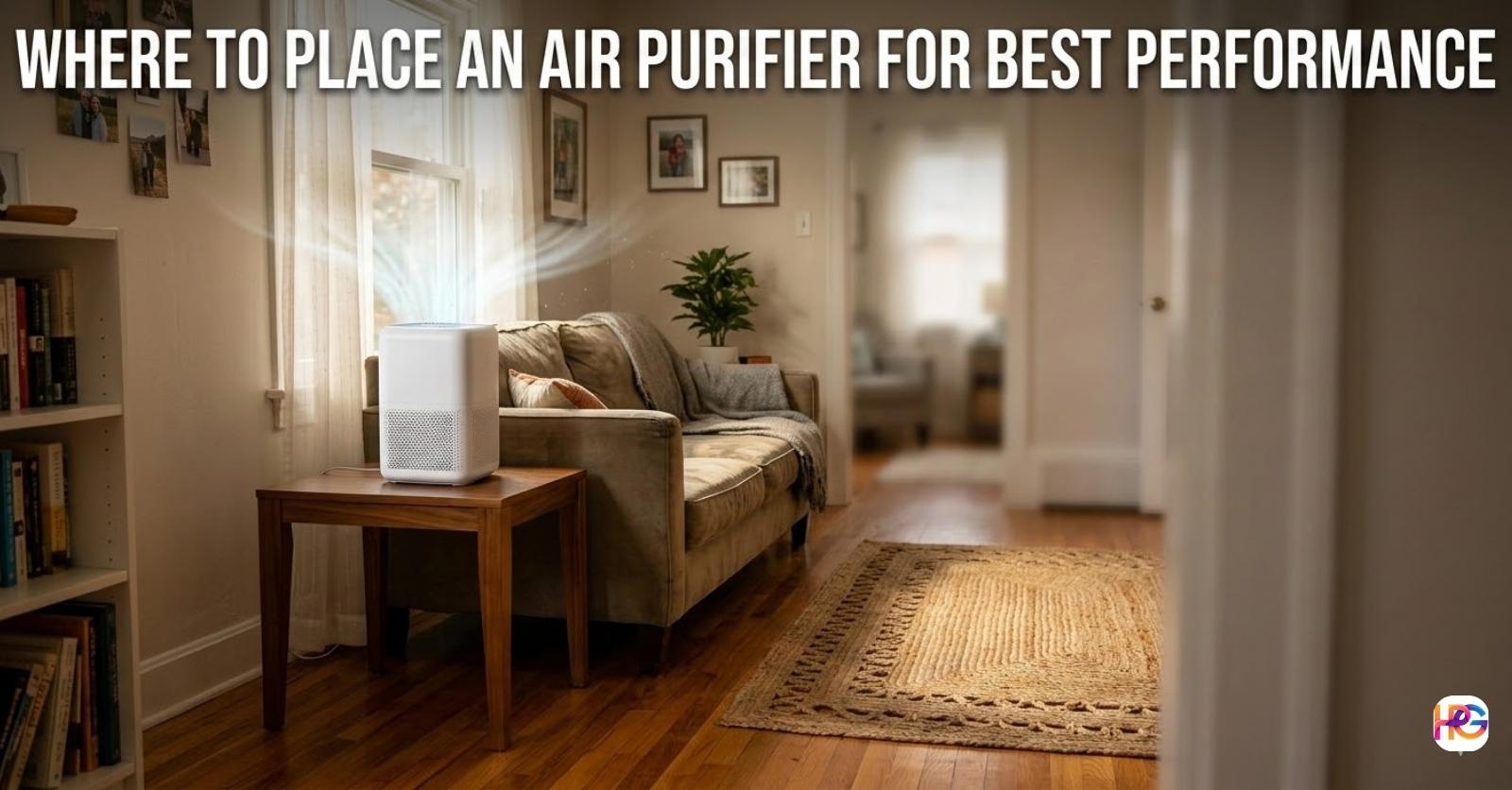
Keep the device close to where you sit and relax. Setting it near the sofa or your favorite chair works nicely. A zone of fresh air forms around you. The machine captures dust before it settles on your furniture. Just remember to give it some space.
The Golden Rule of Distance From Walls
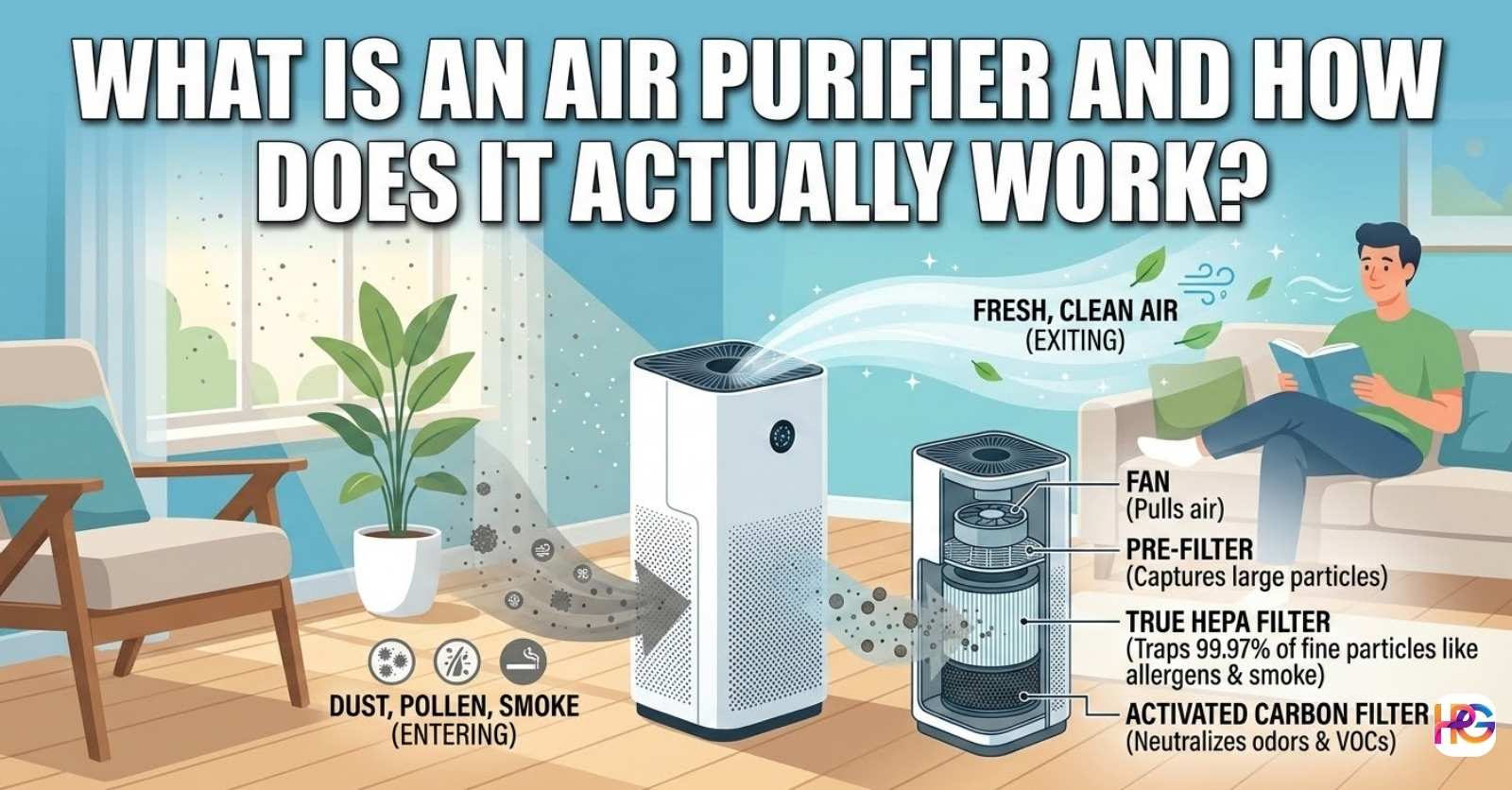
Airflow acts as the absolute secret to clean indoor air. Your machine needs a lot of open empty space. Most units pull dirty air from the sides or the back. Fresh clean air pushes out from the top. Blocking the intake vents starves the machine. Running hot wastes electricity and damages the motor.
Learning about the three foot rule happened through trial and error. Keeping the purifier away from walls and big furniture is vital. Give it at least thirty six inches of clear space. Measuring this with a tape measure confirmed the distance. Seeing the difference in air quality was amazing. Fresh smells filled the room much faster.
Testing the Airflow Clearance
Running a little test in my house sounded fun. Seeing how distance affected the cleaning speed was my goal. A simple air quality monitor tracked the results. Burning a piece of toast created some smoke. Timing how long it took to clear the air gave me hard numbers.
| Clearance Distance | Time to Clean Smoke | Motor Sound Level |
| Pushed against wall | 45 minutes | Loud and strained |
| One foot away | 30 minutes | Normal |
| Three feet away | 15 minutes | Quiet and smooth |
Looking at the data makes things clear. Giving the machine room to breathe cuts the cleaning time in half. Saving money on your power bill happens too. The fan does not have to work as hard. Extending the life of your expensive HEPA filter is another bonus.
Bedroom Placement for Better Sleep
Sleeping in a clean bedroom is my absolute favorite thing. Resting so much better happens every single night. Waking up coughing or sneezing is a thing of the past. Placing the device in here remains a little bit tricky though. Cold air blowing right into your face feels terrible.
Making that mistake on a very chilly winter night taught me a lesson. Putting the unit right next to my pillow was foolish. A very dry mouth and a sore throat greeted me in the morning. Constant breezes dry out your sinuses quickly. Finding a good balance requires some testing.
Finding the Right Distance from the Bed
Keep the purifier six to ten feet away from your bed. Aiming the clean air vent toward your general direction is smart. Pointing it directly at your face will cause problems. Make sure the fan speed stays on a low setting. Gentle air movement feels actually quite nice. It acts like a very soft ceiling fan.
Closing your bedroom door at night makes a huge difference. This step is very important. Trapping the fresh air inside the room with you helps the machine. Cleaning a closed space is easy for the device. Leaving the door open forces the machine to try and clean the whole house. Small bedroom units cannot handle entire houses.
Elevation Matters for Smaller Units
Not all air purifiers sit on the floor. Buying a tiny unit for my home office desk was a neat experiment. Placing it on the floor under my chair happened first. Getting very dirty very fast was the result. The machine sucked up all the heavy dust from the rug. A clogged filter ruined the experiment in just three weeks.
Elevating small units makes them perform much better. Putting them on a nightstand or a sturdy desk works well. This places the machine closer to your breathing zone. Lighter airborne particles floating near your face get captured easily. Heavy tower units should stay on the floor.
Avoiding Hazards on Tables
Being careful with tables is very important. Ensuring the table is stable and flat prevents accidents. Do not put the machine near the edge. Pets or children could easily knock it over. Pushing mine back against the wall of my desk keeps it safe. Leaving three feet of empty space around it still happens.
Placing anything on top of the purifier is a bad idea. Putting my car keys on top of mine became a habit. Dropping a key inside the top vent happened one day. Taking the whole machine apart to get it out took hours. Keeping the top vent completely clear at all times is mandatory.
Common Placement Mistakes I Made
Making almost every placement mistake possible filled my first year. Hiding the unit behind my big television screen seemed clever. Front intake vents got completely blocked by the TV. Dusty and stale air stayed in the room. Running the machine accomplished absolutely nothing.
Putting the unit in my kitchen near the stove was another bad idea. Clearing out cooking smells was my hope. Making some spicy fish one evening changed my mind. Cooking grease flew through the air. An expensive HEPA filter got coated in oil. Ruining the filter completely happened that night. Smelling like old fish lasted for days.
Keep Away From High Humidity
Keeping these machines away from high moisture areas saves money. Bathrooms serve as a terrible place for standard purifiers. Hot showers create a lot of thick steam. Pulling steam into the machine ruins the device. Delicate paper filters get destroyed by moisture very quickly.
| Bad Location | The Problem It Causes | Better Alternative |
| Inside the bathroom | Moisture ruins the filter | Use an exhaust fan instead |
| Next to the stove | Grease clogs the machine | Put it in the dining room |
| Near an open window | Wastes energy cleaning outside air | Keep windows closed while running |
| Behind heavy curtains | Blocks airflow completely | Move out into the open space |
Buying a small plug-in unit handles bathroom odors much better. Wasting a good HEPA filter in a damp room makes no sense. Mold can actually start growing inside the damp filter. Blowing mold spores back into your house causes health issues.
Handling Open Windows and Doors
People often ask me about open windows. Loving fresh air is totally normal. Weather in Alabama sometimes feels perfectly cool. Opening the windows to let the breeze inside sounds great. Running your purifier with windows wide open fails miserably.
Setting the device next to an open window wastes massive energy. Trying to clean the air outside is an impossible task. Running on maximum speed forever will happen. Power bills will go up very fast. Filters turn black in just a few days. Turning the machine off works best if windows stay open.
Creating Clean Air Zones
Treating my rooms like sealed air zones changed everything. Closing doors and windows happens before turning the purifier on. Cycling the air multiple times an hour becomes possible. Incredibly fresh air fills the space this way. Smelling like a clean hospital room is the best reward.
Turning the fan speed down happens when I leave the room. Turning it completely off is a mistake. Low speeds maintain the clean air perfectly. Coming back later reveals a perfect room. This strategy saves filters and keeps my house smelling great.
Final Thoughts on Maximizing Clean Air
Finding the right spot requires a little bit of patience. Moving your device around a few times might be necessary. Paying attention to how the air feels helps a lot. Checking your furniture for settling dust gives you clues. The dust amount tells you if the machine is working properly.
Remembering to give the machine plenty of space to breathe is key. Tight corners and wet areas ruin performance. Sleep and sitting areas need the most attention. Following these simple steps creates a massive difference. Getting the value you paid for finally happens. Thank you for reading my guide. I hope this helps you pick better and live smarter.
Frequently Asked Questions
Can I place my air purifier on a carpeted floor?
Yes, but check the bottom intake first. Thick carpets can block the vents and make the motor run too hot. Placing a small wooden board under the unit keeps the airflow steady and safe.
Will a garage workshop ruin my HEPA filter?
Sawdust and metal shavings will clog a standard filter very fast. Use a pre-filter to catch the big debris first. This protects the expensive HEPA layer and helps the tool last much longer.
Does cold weather affect air purifier battery life?
Most home units use wall plugs, but cordless ones hate the cold. Freezing garage temps can drain lithium batteries quickly. Store your portable tools in a warm spot to keep the power strong.
Is it safe to run a purifier near my power tools?
Running a purifier near your miter saw helps catch fine dust. Just keep it three feet away so it does not get knocked over. It adds a great layer of safety for your lungs while you work.
How often should I clean the intake on my shop unit?
Check the intake vents every month if you work with wood or drywall. Dust buildup makes the fan work harder and uses more power. A quick vacuuming keeps the suction strong and the air crisp.