Why are my brakes squeaking (And When to Change Brake Pads)
The Day My Brakes Started Crying
It was a rainy Tuesday afternoon. I was driving down the road to grab a quick coffee. My window was rolled down just a crack. I stepped on the brake pedal to stop at a red light. That is when I heard it. A loud and sharp squeal came from my front tires.
My heart sank right away. Car noises usually mean spending a lot of money. I pulled into an empty parking lot. Turning off the radio helped me listen closer. I drove forward a few feet. Then I tapped the brakes again. The squeak was still there. It was annoying and incredibly loud.
I sat in my car and took a deep breath. Figuring this out became my main goal. Writing about home tools and car gear is what I do. My goal is always to pick better and live smarter. So, diving deep into brake noises made perfect sense. I needed to know why this happens. Finding out when to replace the pads was also important. This guide shares everything I learned from that stressful afternoon. You do not need to be a mechanic to understand your brakes. You simply need to know what to listen for.
The Difference Between Squeaking And Grinding
Cars make a lot of weird sounds. You need to know which sounds are normal. Drivers also need to know which sounds mean danger. Brake noises fall into two main groups. You will either hear a high squeak or a low grind. They mean very different things. Let me explain what each sound is trying to tell you.
What A High Squeak Means
A squeak is usually just a warning. Most brake pads have a small metal part built into them. This little part is called a wear indicator. Its only job is to make a loud noise. The brake pad material wears away over time. The pad gets thinner and thinner every month. Soon, that small metal piece touches the large metal rotor.
This metal rubbing causes the high squeal you hear. It sounds bad, but it is actually helpful. The car is telling you to get new pads soon. You still have a little bit of stopping power left. Panic is not necessary right away. But planning to fix it within a few weeks is smart.
What A Deep Grind Means
Grinding is a totally different story. A grind sounds like heavy metal crushing together. You might even feel it in your steering wheel. The brake pedal might vibrate under your foot. This means you ignored the squeak for too long.
The soft friction material is completely gone. The hard metal back of the brake pad is digging into your rotor. This is a very dangerous situation. Your car will take much longer to stop. You are also ruining the expensive metal rotors. If you hear a deep grind, you must stop driving. Fixing the brakes right away is your only option.
How Long Brake Pads Actually Last
Everyone wants to know how long their car parts will last. I wanted to know the exact mileage. The simple truth is that there is no magic number. Different cars wear parts out at different speeds. I found that most pads last between thirty thousand and seventy thousand miles.
This is a huge gap in mileage. Your lifespan depends on the type of pads you buy. It also depends heavily on how you drive. I made a simple table to show the different types. This helps you see what you can expect.
Brake Pad Lifespan By Material Type
| Brake Pad Material | Average Lifespan in Miles | Cost Level | Brake Dust Level |
| Organic | 30,000 to 40,000 | Low | High |
| Semi-Metallic | 40,000 to 50,000 | Medium | Medium |
| Ceramic | 50,000 to 70,000 | High | Low |
Ceramic pads cost the most money upfront. But they truly last the longest time. They also keep your wheels much cleaner. Organic pads are cheap but wear out very fast. Semi-metallic pads sit right in the middle for price. I prefer ceramic pads for my own car. They save me a lot of time in the long run.
Things That Make Brake Pads Wear Out Faster
Your driving style plays a massive role here. Two identical cars can have very different brake life. I used to drive mostly on the open highway. My pads lasted a very long time back then. Then I moved closer to the busy city. The constant heavy traffic changed everything.
Stop And Go Traffic
City driving is extremely tough on cars. You speed up and slow down constantly. Every traffic light takes a toll on your brake pads. This daily friction creates a lot of heat. The heat slowly eats away at the soft material. If you commute in heavy traffic, expect to change pads often.
Heavy Braking Habits
Some people drive with a very heavy foot. They drive fast and brake very late. I admit I used to do this sometimes. Slamming on the pedal puts massive stress on the system. It grinds the pad down much faster than normal. Coasting to a stop is a much better habit. It saves your brakes and saves you gas money.
How To Visually Check Your Brake Pads At Home
You might think you need a mechanic to check your pads. I thought the exact same thing at first. But you can actually do a basic check in your own driveway. You do not even need to take the wheel off most times. Here is exactly how I do it.
Finding A Clear View
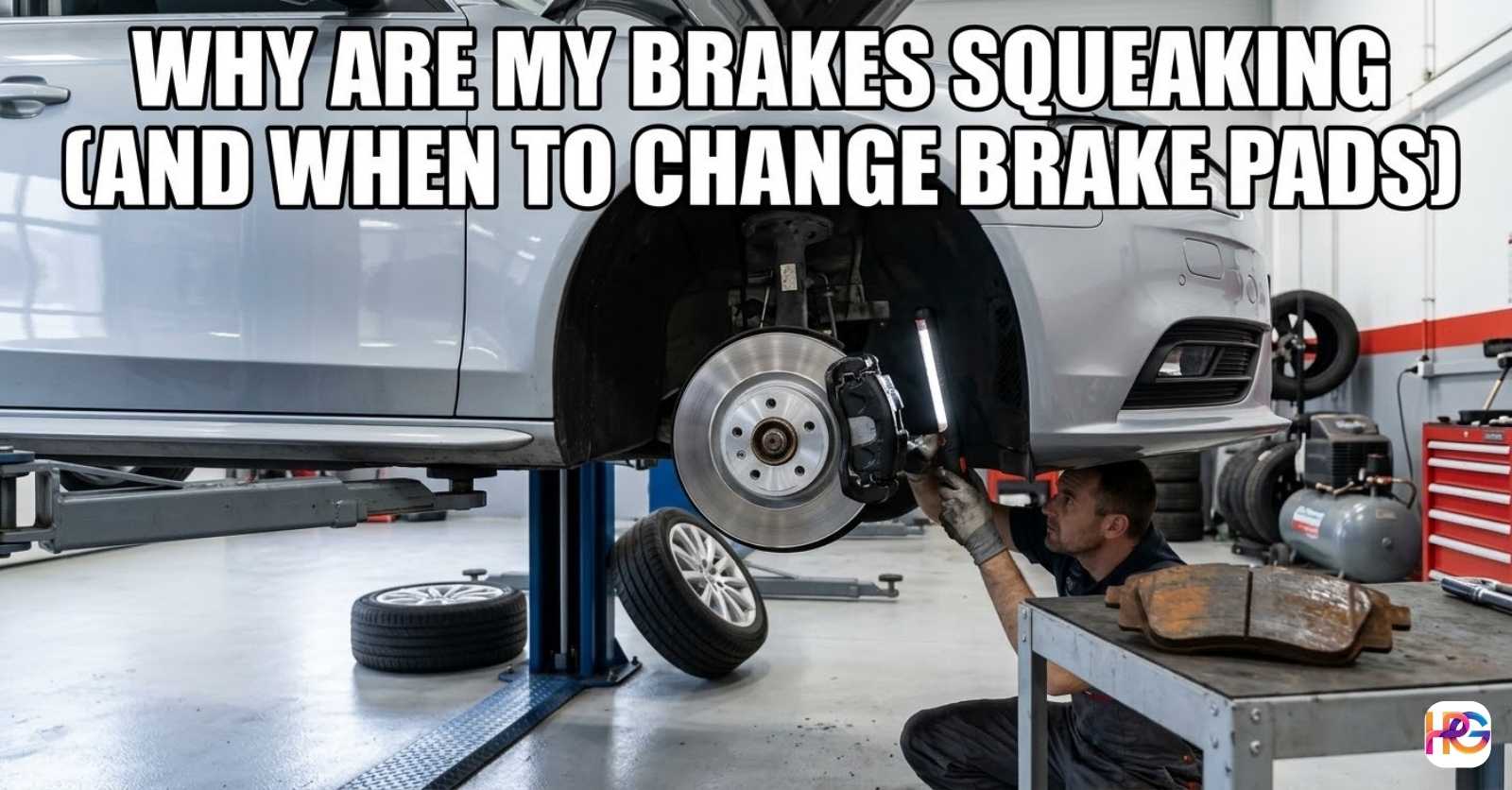
Park your car on a flat and level surface. Turn the steering wheel all the way to one side. This pushes the front wheel out toward you. It gives you a much better view behind the rim. Grab a small flashlight or use your phone light. Shine the light directly through the holes in your wheel.
Looking For The Pad
You will see a large shiny metal disc. That piece is the brake rotor. A thick metal clamp hugs the disc tightly. That clamp is called the caliper. Look closely where the caliper touches the flat disc. A layer of dark material is squeezed in there. That is your brake pad.
Measuring The Thickness
You want to see a decent amount of pad left. A good rule is to look for a quarter inch of thickness. Think about the size of a standard wooden pencil. If the pad is thinner than a pencil, it is time for new ones. If it looks almost entirely gone, do not wait. Change them as soon as you possibly can.
What Causes Uneven Brake Pad Wear
Sometimes things get a little tricky under the car. I once checked my brakes and saw a weird problem. The outside pad looked brand new. The inside pad was worn down to the bare metal. This is called uneven wear. It means something in the system is not moving right.
Stuck Caliper Guide Pins
The brake caliper is supposed to slide back and forth freely. It moves on little metal rods called guide pins. These pins need fresh grease to work smoothly. Dirt and rust can dry them out over time. When this happens, the caliper gets completely stuck. It pushes one pad against the rotor all the time. The other pad barely touches the metal at all.
Warped Brake Rotors
Your metal rotors need to be perfectly flat. Extreme heat can sometimes warp them out of shape. They get slightly wavy instead of being flat. When the flat pad hits a wavy rotor, it wears down in odd patterns. You will usually feel a heavy shake in your steering wheel if this happens.
A Failing Brake Hose
This is less common but still happens sometimes. A rubber brake hose can collapse on the inside. Fluid pushes the pad against the rotor to stop the car. But the collapsed hose will not let the fluid flow back out. The pressure stays trapped inside the line. This keeps the pad clamped tight against the wheel while you drive.
How Much Does A Brake Pad Replacement Cost
Money is always a big worry with car repairs. I remember stressing over the price of my first brake job. The total cost depends entirely on who does the actual work. You have two main choices to make.
Doing The Work Yourself
Changing brake pads is a very common weekend project. I learned how to do it by watching videos online. You only need a few basic hand tools to start. Buying the parts yourself is very cheap. A good set of front pads costs around forty to sixty dollars. You save hundreds of dollars by providing your own free labor.
Going To A Repair Shop
Not everyone wants to get their hands dirty. Taking your car to a mechanic is much easier. But you pay a high price for that convenience. A shop will charge you for the parts and the labor time. Most basic brake jobs cost between two hundred and three hundred dollars per axle. The overall price goes up fast if you need new rotors too.
Do You Need New Rotors Every Time
Many people ask me if they have to replace the metal rotors too. Mechanics will almost always suggest doing both at once. But it is not always strictly required.
When To Keep The Old Rotors
You can often keep your rotors if you caught the squeak early. The metal disc must be perfectly smooth and thick enough. A mechanic can measure the thickness safely for you. They can also use a machine to shave a tiny layer of metal off. This makes the old rotor smooth and flat again. It is a great way to save a little money.
When To Buy New Rotors
You must buy new rotors if you heard that awful grinding noise. Metal scraping on metal leaves deep gouges in the disc. Those deep cuts simply cannot be fixed. A new pad will not sit flat against a damaged rotor. Your brakes will feel terrible and wear out instantly. It is better to just replace them and start fresh.
Final Thoughts On Fixing Your Brakes
Hearing a loud squeal from your car is never fun. It can easily ruin a perfectly good afternoon. But knowing what the noise means takes away the fear. Checking the pads yourself only takes a few short minutes. You will spot trouble before it turns into a huge repair bill.
Take care of your car properly. It will absolutely take care of you. Keep an ear open for those high squeaks on your daily drive. Check the thickness of the pads every few months. Catching the problem early is always the smartest move you can make.
FAQs
What Basic Hand Tools Do I Need To Change Brake Pads?
You need a sturdy car jack, jack stands for safety, a lug wrench, and a C-clamp. A good metric socket set is also a must for removing the brake caliper bolts.
Can I Use A Cordless Impact Wrench For Brake Pad Replacement?
Yes, a tough Milwaukee or DeWalt impact wrench takes lug nuts off fast. Just use a hand torque wrench to put them back on safely so you do not warp your rotors.
How Do I Push The Brake Piston Back Safely?
You can use a basic heavy-duty C-clamp to slowly press the piston in. It is a cheap hand tool that gives a firm grip and makes room for thick new brake pads.
Will Cheap Hand Tools Break During A DIY Brake Job?
Cheap sockets can snap under heavy pressure in a cold winter garage. Pick better tools made of strong steel to stay safe. Good gear helps you live smarter and work fast.
Should I Keep My Brake Tools In A Hot USA Garage?
Heat does not hurt thick steel wrenches. But you must keep power tool batteries inside a cool house. A cool room extends battery life and keeps your drill working great.