How to remove water stains from car seats.
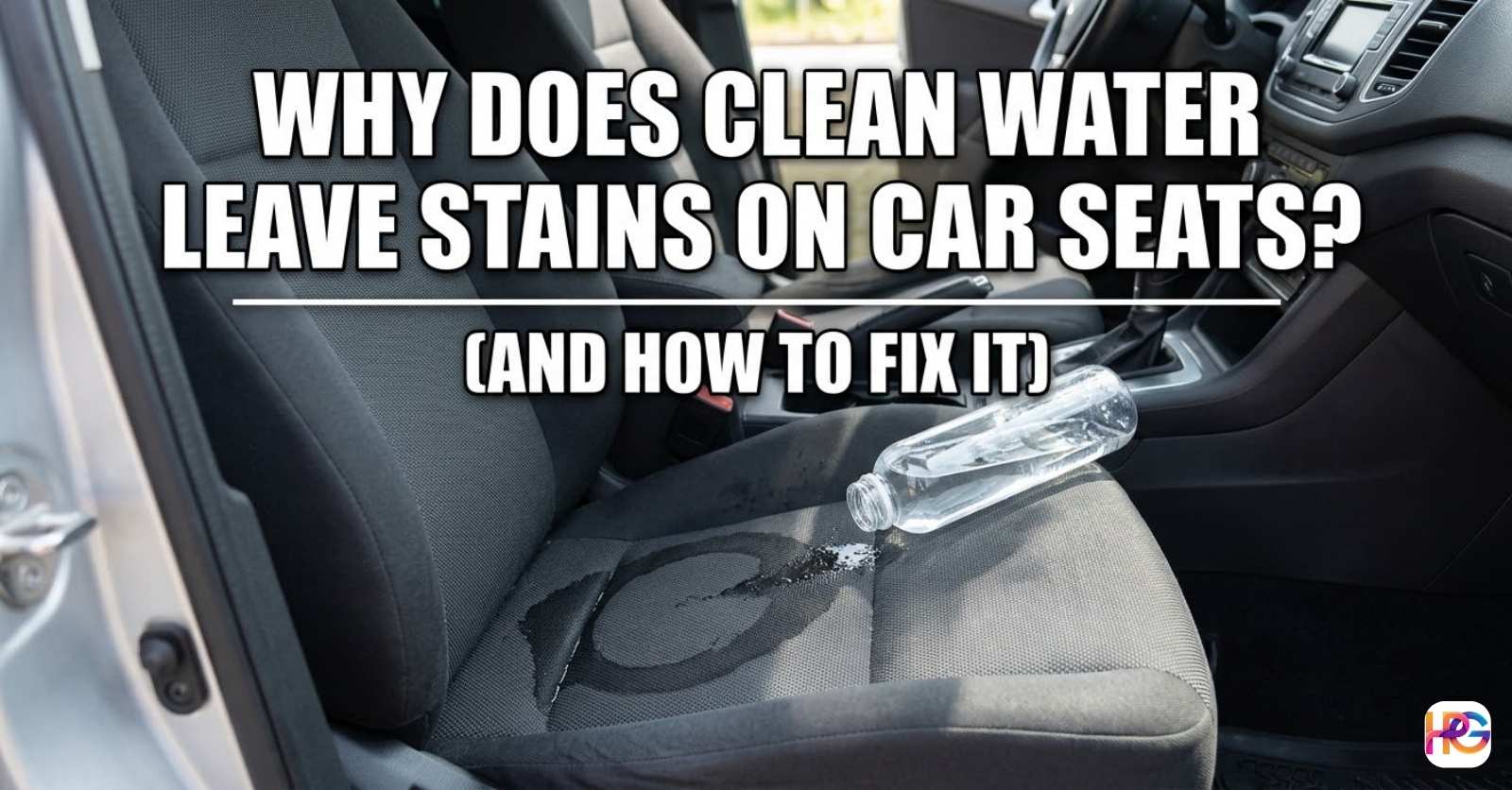
I remember a rainy Tuesday last April. Bad traffic kept me stuck on the highway. I felt incredibly tired. Reaching for my steel water flask was a huge mistake. My hand slipped. Clean drinking water splashed directly onto my gray cloth seat. I grabbed a napkin quickly. Wiping it up fast seemed like the right move. I thought nothing of it. Water is pure and clean. It should dry perfectly fine.
I was completely wrong. The next day brought a nasty shock. A huge brown ring sat proudly on my passenger seat. It looked exactly like an old coffee spill. The edges felt hard and crusty. My car smelled slightly like damp socks. Feeling annoyed was an understatement. How does clean water make such a dirty mark?
Testing home tools is my daily job. Finding smart fixes is my absolute passion. This weird puzzle needed a fast solution. I grabbed my detail brush immediately. Walking out to the garage felt right. Let me explain exactly why this happens. I will also show you my exact steps to fix it.
The Hidden Science of Water Rings
Car seats hide very deep secrets. You sit on them every single day. Dust falls constantly onto the cloth. Dead skin sinks deeply in. Sweat and crumbs hide away in the foam. Your seat may look pristine outside. Inside, it acts like a giant dirty sponge.
Spilled water starts a rapid chain reaction. The liquid dives down deep fast. It hits the thick foam pad below. Waking up the sleeping dirt happens next. Pure water grabs the dusty grime. They mix together almost instantly.
Then the slow drying phase begins. Wet spots dry from the outside edges first. Shrinking wet circles pull dirty water up to the top. Moisture eventually fades into the air. Heavy dirt stays firmly behind. Stopping at the exact edge of the spill is completely natural.
This leaves a hard brown line. Auto detailers call this the wicking effect. The water did not actually stain your seat. Hidden dirt just got a free ride to the top. Hard water makes this problem much worse. Tap water holds heavy mineral deposits. Calcium stays behind permanently. Ugly rings look chalky and white because of those minerals.
Common Mistakes That Ruin Upholstery
I made things much worse at first. Guessing on my first try was foolish. A nice seat cover got totally ruined. People often panic over simple stains. Grabbing strong kitchen soaps feels right to them. That is a massive mistake.
First, never scrub too hard. Do not use a stiff plastic brush. Car cloth is very delicate. Hard brushing tears the small cloth fibers. Old and fuzzy cloth is the sad result.
Second, do not drown the seat. Heavy soap puddles push dirt even deeper. Grime sinks straight into the main cushion. Tomorrow will definitely reveal a bigger ring.
Third, avoid hot air blowers. A hot hair dryer ruined my back seat once. Fast fixes seem like a clever idea. Baking the dirt into the fabric happens instead. Permanent stains are the worst possible outcome. Slow air drying remains the absolute smartest choice.
Tools I Keep in My Garage
I tried many bad methods before. Store sprays made the ugly rings wider. Wiping ruined the soft cloth texture. Learning the hard way taught me valuable lessons. You need the exact right tools. You do not need expensive professional shop gear. Buying a few cheap items is enough. I keep a tool bag just for dirty car seats. Here is exactly what you need.
My Essential Cleaning Kit
| Item | Why I Use It | Average Cost |
| Distilled Water | Has zero minerals to leave chalky rings. | Two dollars. |
| Microfiber Towels | Soft bright towels show the lifted dirt. | Cheap in bulk. |
| Soft Detail Brush | Loosens heavy grime without tearing cloth. | Five dollars. |
| Mild Fabric Soap | Breaks down oily dirt very fast. | Ten dollars. |
| Wet Shop Vacuum | Pulls deep water out of soft foam. | Great garage staple. |
My Tested Fix for Upholstery Stains
Now we get to the fun part. Fixing the ugly mess is our main goal. You must remove that harsh brown line. Detail experts call this feathering the edge. Making the damp part fade into the dry part works best. Here is my exact step by step process. Wet clothes ruin my seat often, but this trick saves it.
Step One: Mist the Area Gently
Do not soak the car seat. Repeating this fact is highly vital. Extra water simply wakes up more deep dirt. Grab your mild fabric soap. Put it gently in a small spray bottle. Give the dark ring a very light mist. Getting just the very top layer damp is perfect.
Step Two: Agitate the Dirt Layer
Grab your soft detail brush next. Gently scrub the dark brown line now. Make tiny small circles with your hand. Stiff cloth will slowly soften up. The mild soap easily breaks the tight dirt bonds. Wipe the spot carefully with a clean towel. Look closely at the towel surface. Brown mud will surely cover it.
Step Three: The Feathering Technique
This step is highly critical for success. Take your pure distilled water. Mist a wide circle far outside the original stain. Grab a fresh dry towel next. Lightly rub the whole wet area. Work smoothly from the center outward. Blurring the sharp line is the big secret. The moisture must slowly fade into the dry seat. Forming a brand new ring stops right here.
Step Four: Extract and Air Dry
My shop vacuum comes out next. Pressing the wide nozzle hard into the wet cloth helps. Sucking out all the liquid is the final goal. Do not worry if you lack a machine. Pressing a thick dry towel hard into the seat works too. Use your heavy body weight to push straight down. Let the car air dry completely naturally. Rolling down the side windows lets the warm air flow.
Real Numbers on Car Seat Dirt
You might wonder how much dirt exists there. I looked closely at real data on car hygiene. The scientific numbers are gross but truly neat. A human driver sweats a full pint every hour in summer. Much of that salty sweat goes straight into the seat.
Studies regularly show dirty steering wheels. They hold four times more germs than a toilet seat. The soft cloth seats are sadly not much better. They constantly trap local allergens and pet dander. A single square inch of cloth easily holds thousands of bacteria.
That fully explains the muddy water stains. A tiny clear splash turns into a big mess. The clean water is just a fast messenger. It simply shows you what hides underneath your legs.
Why Regular Vacuuming Saves Your Seats
I learned another massive lesson over the years. Dry dirt is incredibly easy to remove. Wet dirt becomes an absolute nightmare. Vacuuming my car once a year used to happen. That was a giant careless mistake. Vacuuming every single week is my new routine.
A strong vacuum effortlessly pulls out loose dry dust. It sucks up tiny hidden food crumbs. Removing dead skin flakes before they melt into the foam helps. Less dry dirt always means less hidden mud. Spilling water on a well vacuumed seat causes no panic. The pure water just dries completely clean. There is simply no mud to pull up.
I use a long crevice tool for tight gaps. Pushing the stiff bristles deep into the seams works wonders. That is exactly where the absolute worst dirt hides. Ten minutes of fast weekly dry cleaning saves hours of wet scrubbing later. Making it a weekend habit changes everything. Your front seats will surely thank you.
Why Fabric Seats Stain Easier Than Leather
Friends often ask me about different interior seat types. Leather seats act very differently under stress. They almost never get these ugly water rings. Leather has a thick painted top coat protecting it. Liquid cannot easily sink inside the dense foam. Wiping it off with a rag is super simple.
Fabric seats are very open and highly breathable. They have thousands of tiny woven holes. Liquids drop straight through the thin top layer. Cloth remains much cheaper for car companies to make. It feels nicely cooler in hot summer. It feels comfortably warmer in cold winter. But it acts exactly like a cheap kitchen sponge.
Having cloth seats means you must be careful. Treating them with great respect is mandatory. Treating them like waterproof plastic will end badly. They demand a really good fabric guard spray. They absolutely need quick action when a bad spill happens.
How I Stop Water Stains Before They Happen
Cleaning dirty rings takes way too much time. I try hard to stop them from happening at all. Rainy days used to stress me out terribly. A soaking wet coat left my seats looking terrible for weeks. Now I use incredibly simple tricks to protect my car interior.
Use a Good Fabric Guard Spray
A clear cloth guard goes directly on my seats. Doing this twice a year works best. This modern spray is pure scientific magic. It perfectly forms an invisible shield over the soft cloth. Spilled cold drinks just sit harmlessly on top. They look exactly like little glass beads. This buys you valuable time to grab a paper napkin. It fully stops the water from sinking down.
Keep Emergency Towels Handy
A thick towel permanently lives in my glove box. This serves wonderfully as my quick emergency spill kit. Sudden heavy downpours happen quite often. Sitting on the towel instead of the raw seat saves trouble. It rapidly absorbs fresh rain straight from my wet clothes.
Check Your Rubber Door Seals
One rainy month brought mysterious fresh water rings. They formed closely near my passenger door. Blaming my wet muddy shoes seemed logical at first. Then I closely noticed a cracked rubber window seal. Rain slowly dripped inside while my car sat outside.
Inspecting your rubber weather strips often prevents big issues. A small cheap tube of grease keeps seals soft. It perfectly keeps the heavy rain outside.
My Final Cleaning Tips
I hope my long personal journey helps you out. Car seats can sometimes be very tricky to clean. Using pure distilled water changes the entire game. Taking your time with the soft brush works wonders. You can definitely make your interior look brand new again.
Frequently Asked Questions
Do I need a strong shop vacuum to fix water stains on car seats?
A strong wet/dry vacuum pulls dirty water from deep foam fast. A small DeWalt or Milwaukee shop vac has plenty of suction power for car seats. It saves you hours of air drying time.
What kind of detailing brush works best for car upholstery?
You need a soft bristle detail brush to stop fabric tears. Stiff nylon brushes will ruin your soft car seats fast. A good soft brush gently breaks up dirt without doing any damage.
Can I use a normal home vacuum on wet car seats?
Never use a normal home vacuum on wet car seats. The water will short out the motor fast. Always grab a tough wet shop vac like a Makita to pull damp dirt safely.
How should I store microfiber towels in my garage?
Store your soft microfiber towels in a sealed plastic box. Hot or cold garage air will not hurt them. The tight lid keeps dusty shop dirt from ruining your fresh cleaning towels.
Can I put distilled water in my heavy duty shop sprayer?
Yes, plain distilled water works great in any pump sprayer. It leaves no hard chalky rings on your car seats. Just empty the plastic tank before freezing winter weather hits your shop.