It was a rainy Tuesday night. I wanted to make a warm pot of chicken stew. The recipe called for a huge spoonful of smoked paprika. I opened my pantry and found a jar hiding in the back. That jar had been sitting there for over two years. I dumped the red powder into my pot and stirred. Ten minutes later, I tasted the warm broth. There was absolutely no smoky flavor at all. The food tasted completely flat and boring. My heart sank right there in the kitchen. This was a harsh lesson in what makes spices go bad.
You might have had this exact same problem. Many of us keep jars on our shelves for years. We think they will last forever just because they are dry. But dried powders do not last forever. They slowly lose their magic over time. This article will explore the core idea: why spices lose flavor. We will look at the science behind it in a very simple way.
The Science of Spice Freshness
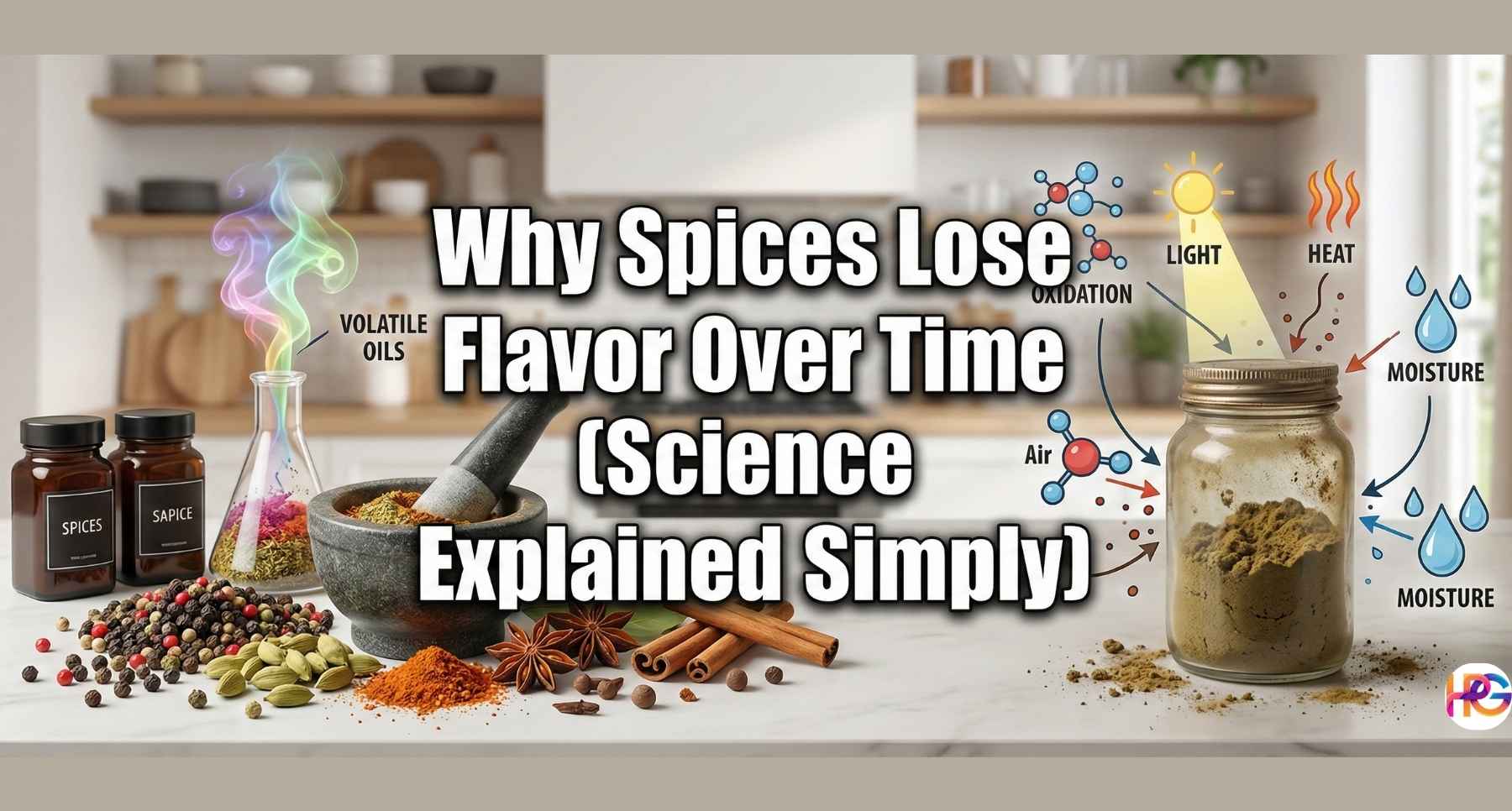
Let us talk about what gives a plant its smell. Spices get their wonderful smells from tiny hidden drops of oil. Scientists call these drops volatile oils. You can also call them essential oils. These oils contain all the bright tastes we love.
The word volatile just means that these oils escape easily. They do not want to stay trapped inside the plant. They want to float away into the air around them. Every time you smell a fresh jar of cinnamon, you are breathing in those oils. The smell is actively escaping.
When those oils escape, the flavor goes away too. A spice without its natural oils is just colored dust. It will add texture to your food, but nothing else. Understanding this escape process is the true science of spice freshness. You have to trap those oils for as long as possible.
Spice Oxidation Explained Simply
Evaporation is only one part of the problem. Another major issue is a chemical reaction. Have you ever watched a sliced apple turn brown on your counter? That browning process is called oxidation. The air we breathe changes the chemistry of the apple.
The exact same thing happens inside your pantry. We call this spice oxidation. Oxygen molecules in the air mix with the delicate oils in your jars. This mixing breaks down the good stuff. The bright flavors become weak and muddy.
Oxidation never stops as long as air touches your food. It slowly steals the vibrant colors too. Bright yellow turmeric will turn into a dull mustard color. Dark red chili powder will fade to a sad brown. Spice oxidation is the invisible thief stealing your dinner.
Why Ground Spices Go Stale So Fast
I used to buy giant plastic tubs of ground black pepper. It seemed so much cheaper and easier than grinding it myself. But I learned a very hard lesson about physics. My giant tub turned into flavorless gray sand within a few months.
This brings us to a major question. People often ask why ground spices go stale much faster than whole ones. The answer comes down to surface area. Think about a whole nutmeg seed. It looks like a tiny wooden nut. The precious oils are locked safely deep inside. Only the hard outside layer touches the air.
Now imagine taking a hammer to that nutmeg. You smash it into a thousand tiny specks of dust. Suddenly, air can touch every single part of the nut. The surface area is huge. The oils escape almost instantly. Oxidation happens in days instead of years. Ground powders simply have no armor left to protect them.
What Makes Spices Go Bad on Your Shelf
Your kitchen is full of invisible dangers. I made terrible storage choices when I first set up my home. I ruined a lot of good ingredients. Let us look at the three biggest enemies of your pantry.
The Danger of Bright Sunlight
I used to keep my glass jars right next to my kitchen window. They looked so beautiful when the sun hit them. This was a terrible mistake on my part. Bright sunlight destroys these oils very quickly. The bright sun rays bleach the color right out of the jars. Always keep your seasonings hidden in a dark drawer or cabinet.
Heat Ruins Potency
Many home cooks put their storage racks right over the stove. It makes reaching for them very easy while boiling soup. But stoves get extremely hot. Heat makes those precious oils escape much faster. Your jars are basically baking on the shelf. You must find a cool spot far away from your oven.
Steam and Moisture
Water is a massive problem for dry ingredients. Never shake a cold jar directly over a hot steaming pot of stew. Steam will easily sneak up into the jar. That moisture causes the powder to clump together in hard blocks. Worse yet, moisture can cause fuzzy mold to grow. Mold is the only time these items truly spoil and become dangerous to eat.
Real Life Examples of Flavor Loss
Different plants lose their punch at different speeds. Some hold up well, while others die quickly. I want to share some personal observations from my own cooking journey.
Fading Cinnamon Sticks
Cinnamon is a staple in my house for morning oatmeal. Whole sticks can actually last for a very long time. I have kept sticks for three years and they still tasted great. But the ground powder is a different story. It loses its sweet heat in just a few months. It turns muddy and bitter.
The Tragedy of Old Black Pepper
Black pepper relies entirely on its sharp bite. That bite comes from specific natural oils. When pepper is ground up and left open, those oils vanish. You are left with black dust that makes you sneeze but offers no taste. A simple pepper mill completely changes this experience.
Cumin Seeds Versus Cumin Powder
Cumin is essential for making good chili or curry. Whole cumin seeds look like tiny grains of rice. They hold onto their earthy smell very well. But the ground version goes flat incredibly fast. I strongly suggest buying the seeds and toasting them in a dry pan before grinding them. The smell will fill your entire house.
How Spices Lose Potency and How to Stop It
You can easily fight back against stale food. You just need to build a few simple kitchen habits. Here are the steps I take to protect my investments.
Buy Whole Ingredients
I stopped buying pre-ground powders entirely. I only buy whole seeds, pods, and berries now. This one change improved my cooking more than anything else. You get absolute maximum freshness when you crush them right before cooking.
Choose Proper Storage
Stop using clear glass if you plan to leave things out on a counter. Choose solid containers that block out all light. Metal tins work wonderfully. Dark brown glass is another excellent choice. Make absolutely sure the lids seal tight to block the air.
Label with Dates
I keep a permanent marker in my kitchen drawer. Every time I open a new container, I write the date on the bottom. This stops me from guessing how old something is. If a ground powder is older than six months, I throw it in the trash.
Comparing Shelf Life
Here is a simple look at how long things usually last. These times assume you are storing things in a cool dark place.
| Ingredient Type | Estimated Good Shelf Life | Storage Tips |
| Whole Seeds and Roots | One to three years | Keep whole until cooking |
| Ground Powders | Three to six months | Discard when smell fades |
| Dried Leafy Herbs | One to three years | Crush gently before using |
| Fresh Herbs | One to two weeks | Keep in fridge with water |
My Favorite Tools for Better Flavor
As someone who loves researching home tools, I have tested a few great gadgets. You do not need to spend a lot of money to fix this problem. A few basic tools will save your dinner.
The Classic Mortar and Pestle
This is the oldest kitchen tool in the world. It is simply a heavy bowl and a crushing club. I love using a heavy granite mortar. Crushing seeds by hand is very satisfying. It releases the oils perfectly. It also makes you feel very connected to your food.
Small Electric Grinders
Sometimes you need to crush a large amount of hard seeds. Doing that by hand can make your arms tired. I keep a small cheap electric coffee grinder in my cabinet. I only use it for my cooking ingredients. It turns whole cloves or hard peppercorns into dust in ten seconds.
Magnetic Wall Tins
Storage space is always tight in my small kitchen. I found some great metal tins that have magnetic backs. I stick them to the side of my refrigerator. They block out the light completely. They also keep my ingredients far away from the hot stove.
Final Thoughts on Keeping Food Delicious
Cooking should be a joyful experience. Putting time and effort into a meal only to have it taste like cardboard is awful. I have been there too many times.
Now you understand the science of spice freshness. You know that oxygen and light are your worst enemies. You also know that buying whole ingredients is the best path forward. Treat your pantry items like delicate treasures. Keep them cool, keep them dark, and keep them whole for as long as possible. Your next pot of stew will thank you.
FAQ: Spice Grinding & Storage Tools
Q: What is the best electric tool to stop spices from losing flavor?
A: A dedicated blade grinder works great for tough seeds. Brands like Krups build strong motors that smash hard spices fast. This quick grind keeps the oils fresh.
Q: Why use a heavy granite mortar and pestle for grinding?
A: Heavy stone tools offer pure crushing power without motor heat. This protects the delicate oils so your food tastes better. A solid granite bowl lasts a lifetime.
Q: How do hot or cold rooms affect my spice storage tools?
A: High heat ruins flavor oils quickly. Store your magnetic metal tins in a cool, dark pantry away from the stove. Good airtight seals block damp air and stop rust.
Q: Should I use a burr grinder to keep my whole spices fresh?
A: Burr mills are great for coffee, but hard spice seeds can clog them. A simple electric blade tool is much easier to clean. It powers through tough roots easily.
Q: Can a vacuum sealer tool stop spice oxidation completely?
A: Vacuum tools remove air to slow down oxidation immensely. Sucking the air out of mason jars keeps bulk seeds fresh for years. It is a smart move for long storage.