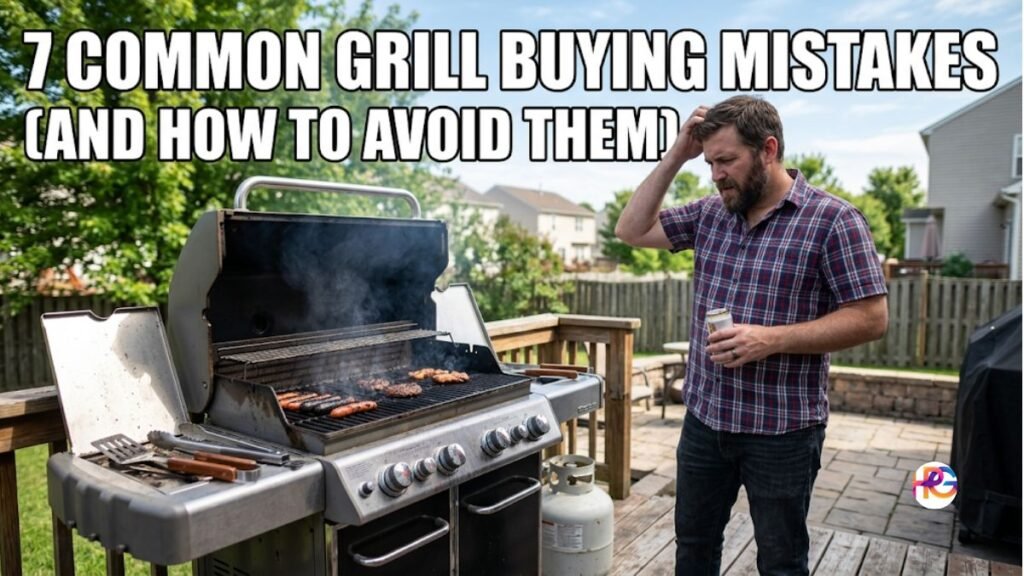
7 Common Grill Buying Mistakes (And How I Learned to Avoid Them)
I still remember that warm afternoon in Austin, Texas. It was a sunny July day. Friends were coming over for a big backyard cookout. I was so proud of my brand new shiny grill. Then, disaster struck quickly. The cheap metal legs wobbled wildly. The heat was very uneven. Half the burgers burned to a crisp. The other half were raw in the middle. The sharp smell of lighter fluid filled the air. My pride went up in smoke.
I talk about recipes and backyard tips on my blog all the time. My readers know I love a good rack of ribs. But I was not always good at this. I had to learn the hard way over many years. That specific day in Texas was a massive fail. It taught me a huge lesson about grill buying. Choosing a grill is about more than grabbing the shiniest model at the hardware store. Before you buy, think about what you actually need and how you really cook.
Over the years, I have burned my hands badly. I have melted cheap plastic control knobs. I have wasted good money on bad gear. Now, I want to save you from that pain. Let us talk about the traps folks fall into. Here are the biggest grill buying mistakes I see all the time.
Why So Many of Us Buy the Wrong Grill
Stores know exactly how to sell a dream. As you walk down the bright showroom aisle, the gleaming stainless steel catches your eye. It is easy to picture yourself grilling like a pro while steaks sizzle over the flames. The sales tags scream about massive heat output. They talk up excessive features you will never touch.
It is easy to get swept up in the marketing. Too often, we shop for the fantasy of perfect weekend cookouts instead of the way we actually cook every day. A giant six-burner setup looks really cool. But what if you only cook for two people? It is just a total waste of patio space. It wastes expensive fuel too. I want to help you cut through the noise. Let us look at the specific errors you need to dodge.
Mistake 1: Buying Based Only on Price
My very first grill was a cheap metal bucket. I bought it on sale at a local shop. I thought I scored a truly great deal. The price was dirt cheap. I felt like a genius.
That feeling lasted about three short weeks. Rain fell heavily one night. The thin metal rusted incredibly fast. The paint peeled off like dry skin. The bottom literally fell out while I was dumping ash. Cheap grills are built to break. They use thin materials. They do not hold heat well at all.
You lose valuable heat to the cold wind. You burn more fuel just to stay hot. The food cooks very badly. On the flip side, do not just buy the most costly unit. Some brands only charge for the name on the badge. You want real value for your cash. Look for thick heavy metal. Look for strong cast grates.
Cost Versus Value Breakdown
Here is a quick look at what you get at different levels.
| Price Level | What You Often Get | Long-Term Result |
| Super Cheap | Thin metal and bad paint | Rusts out in one single year |
| Mid Range | Thick steel and good grates | Lasts many years with basic care |
| High End | Fancy lights and huge logos | Great looks, but very high cost |
Mistake 2: Choosing the Wrong Fuel Type
Fuel is the true heart of your cooking. It sets the flavor profile. It sets the pace of the day. I learned that lesson one busy Tuesday night when I tried using a charcoal grill after a long day at work. By the time the coals were finally ready—nearly forty minutes later—I was so hungry that I gave up and ate a cold sandwich instead.
You must match your fuel to your busy life. Gas is very fast. You turn a dial, and you cook. It is great for quick, easy dinners. But you miss out on that deep wood smoke taste.
Charcoal gives you that pure primal flavor. The smell is absolutely amazing. But it takes time and patience. You have to clean up messy ash later. Pellet cookers are like outdoor ovens. You set a temp and walk away completely. They are great for ribs and pork butts. Electric units work well if your apartment bans open flames. Pick the fuel that fits your clock and your taste buds.
Mistake 3: Ignoring Your Actual Cooking Space
Size matters a whole lot. But bigger is not always much better. I once bought a huge gas grill for my yard. It took up half my wooden deck. I thought I would throw massive parties every single week. In reality, I only cooked three chicken breasts at a time.
Heating up that huge box was a sad joke. Not only did it take forever to heat up, but it also burned through propane at an unbelievable rate. Looking back, it simply was not a practical choice.
Then I swung the other way entirely. I bought a tiny portable unit for a trip. Friends came over for the big football game. I had to cook hot dogs in three shifts. By the time I finally ate, everyone else was done.
Count the heads in your own house. Think about your normal family dinner. You need about seventy square inches of space per person. Think about a standard burger patty. It takes up space. You need room to flip it safely. You need a cool zone with no flames. Plan for your daily life. Do not plan for a once-a-year giant party.
Mistake 4: Overlooking the Build Quality
You have to touch the metal before you buy it. Do not just look at a nice picture online. Go directly to the store. Give the unit the rough shake test. I mean that quite literally. Grab the side shelf firmly. Give it a good hard wiggle.
If it shakes like a leaf, walk away fast. Flimsy legs are a major safety hazard. Cheap plastic wheels will break on a rough patio. Look closely at the wheels. Plastic wheels catch on cracks in the concrete. I once tipped a whole dinner onto the grass. The wheel just gave up and snapped. The dogs were very happy. I was completely furious.
Get solid rubber wheels instead. Open the heavy lid. Does it feel light and cheap? It should feel heavy in your hand. Check the hinges on the lid. They should be thick metal. Check the cooking grates. Thin wire grates will warp quickly. They lose their shape when they get very hot. You want heavy cast iron. Thick stainless steel is great too. They hold heat deep inside. They give you those dark, crusty sear marks on a juicy steak.
Mistake 5: Not Thinking About Maintenance
Cooking outside is pure fun. Cleaning outside is a total chore. If your gear is hard to clean, you will stop using it. I had a smoker once with a tiny hidden ash catch. I had to take the whole thing apart just to dump the ash. My hands got covered in thick black soot every time.
Grease is another really big issue. Fat drips when you cook meat. That is totally normal. But where does that hot fat go? You need a good, safe grease trap. It must be easy to reach. It must be easy to empty out.
A dirty firebox is a huge fire risk. Old grease can catch flames fast. I have lost arm hair to a sudden bright flare-up. Trust me fully on this one. Check the drip pan before you pay the cashier. You need a setup that allows easy sweeping. Look for a simple pull-out tray. Slide it out and dump it in the trash. Done in five fast minutes. Keep it clean. Keep it safe.
Mistake 6: Buying Unnecessary Extra Features
Marketing teams love to add shiny little extras. Manufacturers love piling on extra features, adding side burners, bright blue control lights, and rotisserie spits that most people never use. In many cases, those extras exist mainly to justify a higher price tag.
Ask yourself a very simple question. Will you really fry bacon on your patio? If not, skip the side burner. It will just collect dust. It will fill up with yellow pollen in the spring. I see units with built-in lights inside the hood. They break in a single week. The intense heat melts the thin wires. Then you just have broken glass near your food.
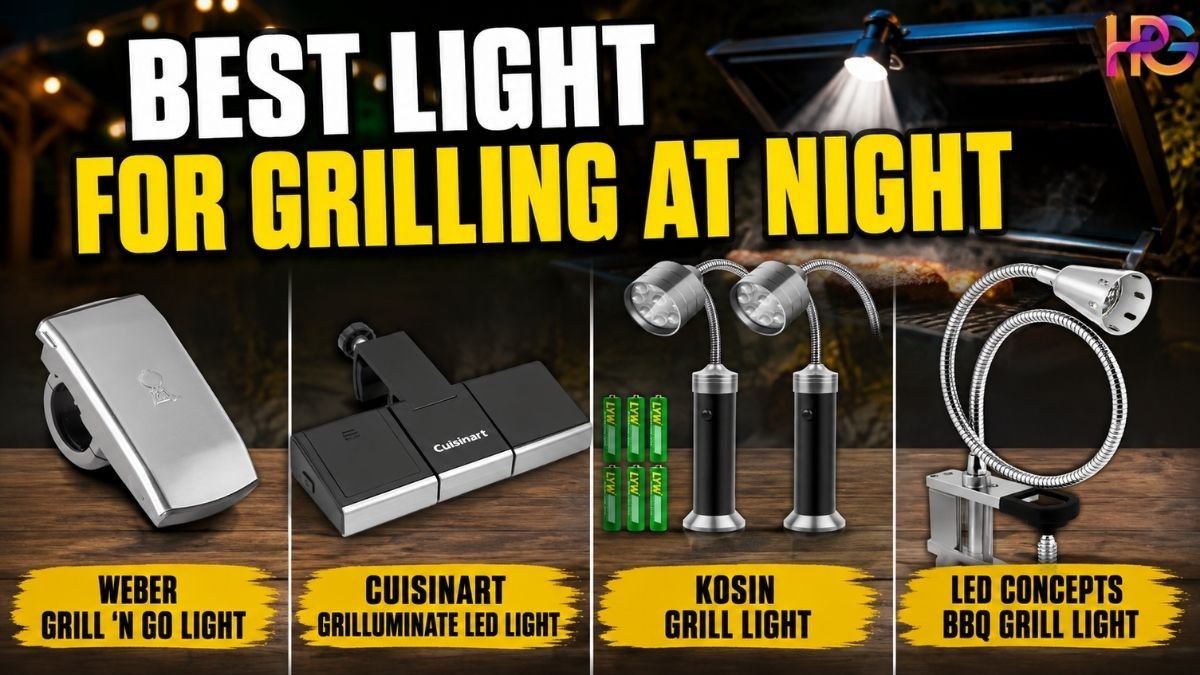
Buy a cheap headlamp instead. Wear it on your head at night. It points right where you look. It saves you hundreds of hard-earned dollars. Spend your cash on the core parts instead. Put your money into better heavy burners. Get thicker heat tents. Buy solid heavy grates. Do not pay for a cheap gimmick. A plain box that gets blazing hot is vastly better. Focus on the real tools that actually cook the food.
Mistake 7: Skipping Reviews and Long Term Tests
The cardboard box always lies to you. The box promises the perfect grill, complete with smiling families and beautifully seared burgers. What it does not mention is that the paint may start peeling after only a few months of regular use.
Do your own smart homework. Take out your smartphone. Search for the exact model name. Look for honest reviews from real people. Look for reviews written after a full year of heavy use. A grill might be great on day one. It might be a sad pile of rust on day three hundred.
Go to the big store websites. Sort the reviews by lowest rating first. See what actually breaks. Is it the main gas burner? Is it the plastic starter button? Starter buttons always seem to break first. Buy a long lighter and forget about it. Look for folks who post sad pictures of rust. That tells you the ugly truth. Pay close attention to complaints about bad replacement parts. See if the brand has good, helpful customer service.
Dealing with Brand Warranties
A good, solid warranty is a pure sign of trust. If a brand only gives you one single year, they know it will break soon. Look for five to ten years on the main heavy firebox. Look for long coverage on the inner gas tubes. Good brands sell extra spare parts. They want you to keep cooking for many long years. That shows they truly stand behind their tough work.
My Final Thoughts on Getting It Right
Grill buying does not have to be scary at all. You just need to be smart and calm. Stop and think about your own backyard. Think about what you actually like to eat. Be brutally honest about how much free time you have.
I really hope my past costly mistakes help you out. I ruined a lot of good, expensive meat, so you do not have to. Get out there and find the right exact fit. When you hear that first loud sizzle on a solid, heavy grate, you will know you did well. Enjoy the rich wood smoke. Enjoy the great hot food. Happy cooking.
Frequently Asked Questions
What should I look for when grill buying for a small yard?
Focus on total cooking area instead of large outer shelves. Look for foldable side tables to save patio space. A compact two-burner gas grill offers high heat without crowding your deck.
Why do cheap grill grates rust so fast in humid weather?
Thin wire grates lack protective coatings and trap moisture easily. Upgrade to heavy cast iron or thick stainless steel for better durability. These metals resist rust and hold heat much better over time.
How do I protect my grill battery and electronics in a hot garage?
Intense summer heat can drain digital control panels and pellet grill starters. Store your removable battery packs inside a cool house. Keep the main unit covered to block dust and trap moisture.
Is a gas or charcoal grill safer for a wooden deck?
Gas grills offer better flame control and shut off instantly with a dial. Charcoal creates flying sparks and hot ash that can endanger wood. Always place a fire-resistant mat under your machine for safety.
Which grill brands offer the best long-term parts support?
Top brands like Weber and Traeger have been selling factory replacement burners and grates for years. Avoid generic imports that lack customer service lines. Buying a known name ensures you can fix small issues easily.