Should You Leave Your Air Purifier On All Day? My Auto Mode Trick
I want to tell you a story about clean air. Living in Jashore, the dust can get quite bad. Some days, you can feel the grit on your teeth. I really hate that gross feeling. I run a site called Home Pick Guide. My main goal is to help you pick better and live smarter. So, I bought a good air cleaner. I thought I knew how to use it properly, but I was completely wrong. In the past, I would turn it off whenever I left the house to save on power bills.
When I came back, I would crank it up to high, only to hear loud fan noise while the air still felt thick and heavy. Clearly, there had to be a better approach. So I started experimenting with different settings, checking power usage with a wall meter and tracking air quality in my living room. Now, I want to share what I discovered with you. You might be making the same exact mistakes I made. Let me show you how to fix them today. Clean air is too vital to mess up.
The Big Mistake With Fan Speeds
I hate wasting my hard earned cash. You probably feel the exact same way. That is why we turn our home gadgets off fast. We think an off switch means zero extra cost. This makes total sense for standard light bulbs. It does not work well for smart air cleaners. I tested my unit with a smart plug meter. The final results really shocked me. A machine on low speed sips very little power. It uses less juice than an old desk lamp.
High Speed Costs More
Let us look at the high fan setting first. I used to blast my unit on full high. I did this right after walking in from work. The fan would roar loudly like a jet engine. The power meter numbers shot up super fast. It pulled a whole lot of watts right away. The main motor had to work very hard to spin. My front room was already full of floating dust. The paper filter had to play a long catch up game. Catching up took a few long hours. During those long hours, the machine ate extra power. It was not cheap to run it this way.
Low Speed Saves Cash
Then I tried keeping the unit on a low speed. I left it running all day and all night. I felt a bit bad at first. It felt like a bad waste of energy. My guilt faded when I checked the wall meter again. The low setting used almost nothing at all. It kept the room air fresh all day long. The fan did not have to work hard later. The total power used for the whole day was less. This was a massive win for my tight wallet. I proved my old daily habit was completely wrong.
Power Use By Fan Speed
I like to look at real hard data. Real numbers help me make very good choices. Here is what my power meter showed me. The numbers might change based on your exact brand. The main trend is always the exact same though. You can see the clear differences below.
| Fan Speed | Power Used | Noise Level | Cleaning Style |
| Off Mode | None | Silent | Lets dust fall down |
| Low Mode | 5 to 15 Watts | Quiet | Keeps the air clean |
| Mid Mode | 30 Watts | Soft Hum | Clears light stove smoke |
| High Mode | 80 Watts | Loud | Heavy catch up work |
| Auto Mode | Varies A Lot | Varies | Smart auto changes |
How Auto Mode Changed Everything
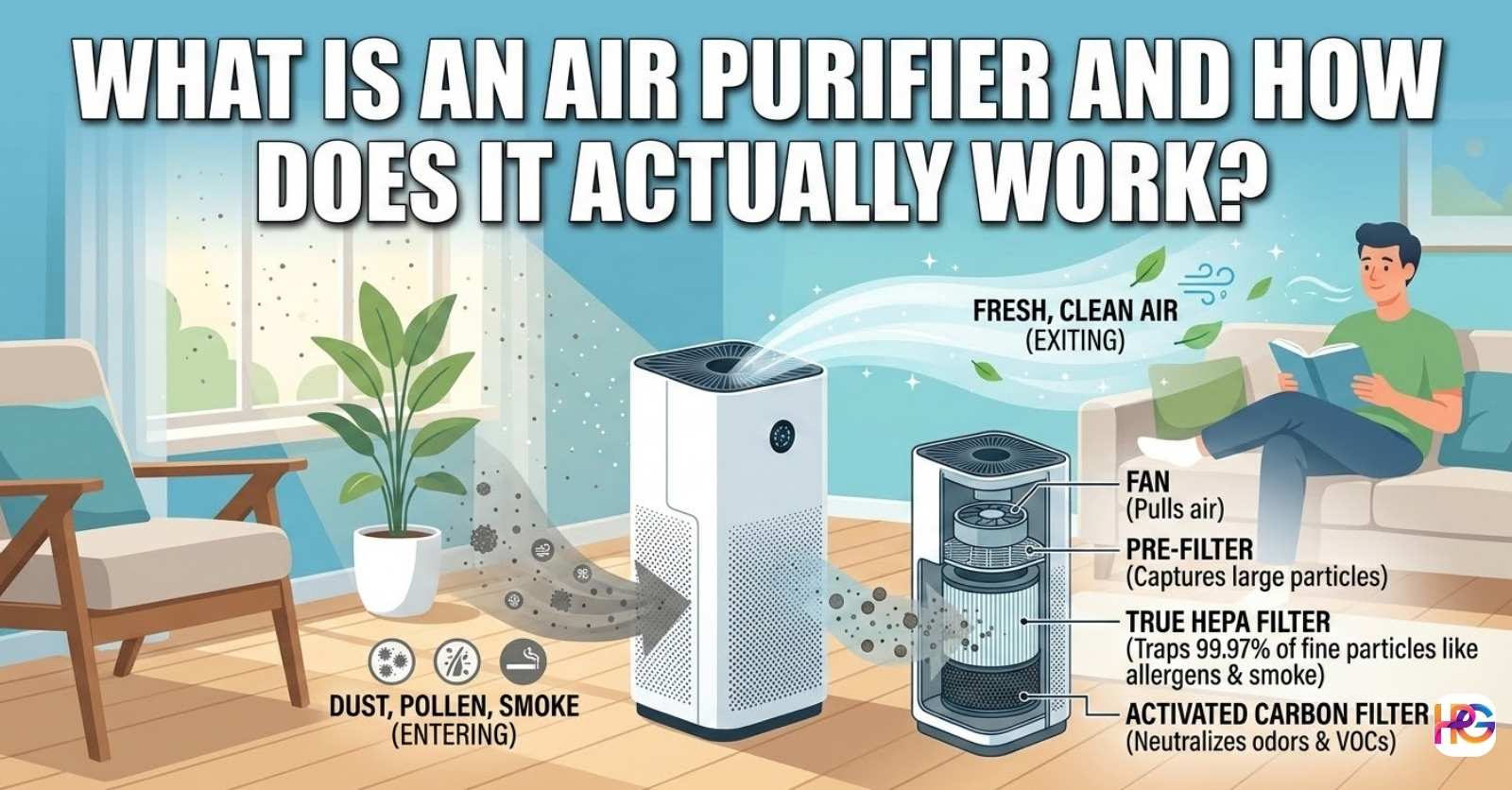
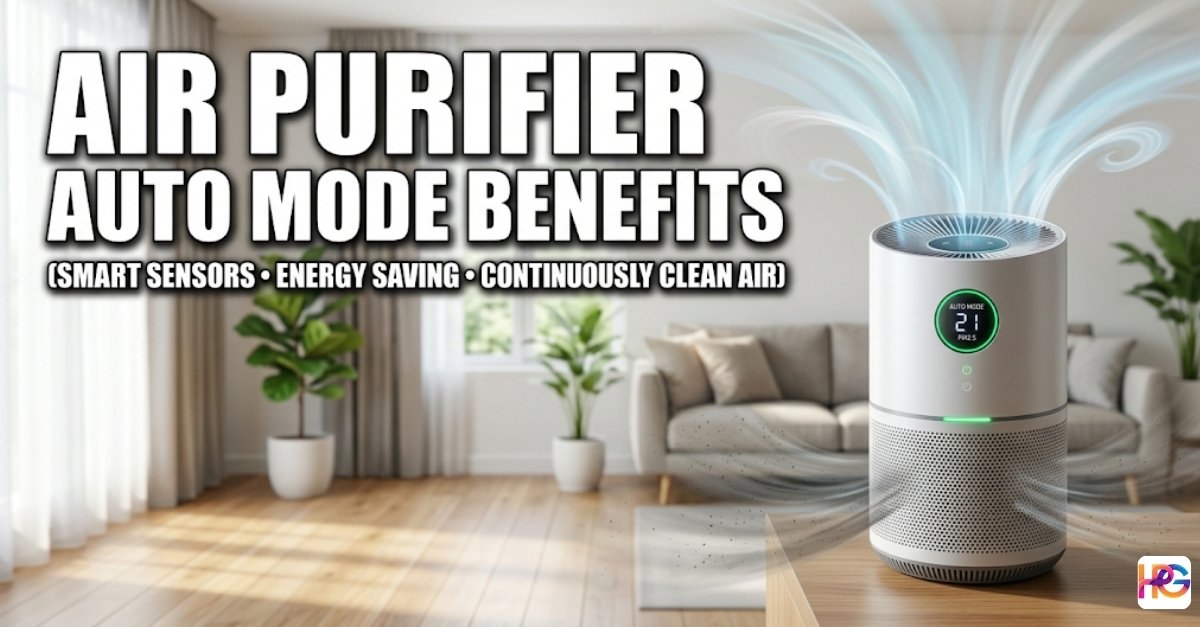
I really love finding a good home life hack. The auto mode is the best hack for this tool. Many brand new units have this great smart feature. They use tiny lasers inside the plastic box. These small lasers scan the room every single second. They look for tiny dirt bits floating in the air. They act like a smart guard for your soft lungs.
A Dusty Day At Home
Let me paint a clear picture for you. It was a very dry Tuesday day. The hot wind was howling outside my big window. I left a glass window cracked open by mistake. Fine brown dirt blew right into my living room. My unit was already set to the auto mode. I was sitting down on the soft couch. I heard the plastic fan spin up fast. It went from quiet to a loud hum. I looked over at the machine screen. The round light on the front cover turned red. It saw the dirt way before I did.
The Smart Sensor At Work
The smart sensor told the fan to speed up. It scrubbed the bad air in a quick flash. Ten fast minutes later, the light turned green again. The fan went right back to sleep mode. I did not have to touch a single button. The machine did all the hard work for me. This is why I tell friends to use auto mode. It only uses high power when really needed. It stays super quiet the rest of the time. You get the best of both worlds this easy way.
Will Nonstop Use Break The Motor?
This was my biggest worry by far. Fixing small things around the house is something I genuinely enjoy, and over time, I have handled plenty of simple repair jobs. From experience, I know that moving parts naturally wear out. If a fan spins all day, it must die sooner. I spent many hours reading about these small parts. I learned some really cool facts about fans. My fears were mostly made up in my own head.
The Magic Of Modern Fans
Most good air cleaners use a special fan part. It is called a modern brushless motor. Old style motors use metal parts that rub. They get very hot during a long daily run. They wear down fast because of the rubbing. Brushless ones use strong magnets to spin the blade. Inside the plastic case, they move smoothly without rubbing against anything. Even after running for a full week, they stay cool and are designed to operate continuously all year long.
The Real Wear And Tear
Turning a machine on and off is rough. It sends a sharp spike of power to the board. Doing this twice a day is hard on the chips. Letting it hum on low is very smooth. It is like driving a car on a flat open road. Stop and go traffic wears out your car brakes. A steady long drive is super easy on the car engine. Let your fan take the steady easy drive. It will last a very long time this way.
Why A Clean Baseline Wins
Think about your home air cooler. It is hard to cool a very hot house. Cooling down warm walls takes a long time. It runs your monthly power bill up to the sky. It is much easier to keep a cool house cool. The exact same basic rule applies to your indoor air.
The Settling Dust Problem
When you turn the fan off, dirt falls down. The heavy dust lands softly on your floor rug. It covers your nice couch in a gray film. Bad bits get trapped deep in your warm bed. When you turn the fan back on, it is too late. The fan can only grab stuff floating in the room. It cannot vacuum your heavy floor rug. You will breathe that settled dirt later that night. Every step you take kicks the dust back up.
Keeping The Shield Up
If you leave it on, you build a clean shield. Fresh dirt comes in through the front door. The fan grabs those bad bits right away. Dust never gets a chance to land on things. Your whole house stays much cleaner this way. You will dust your wood tables less often. Your tired lungs do a lot less daily work. The thick paper filter does all the heavy lifting. This is a huge health win for your body.
Testing The Air With A Tool
I am a huge nerd for cool data. I bought a small air quality tester online last month. This neat gadget checks the air in real time. It looks for bad stuff you cannot even see. These tiny dirt bits go deep into your chest. I wanted to see if the cleaner really worked.
What The Tool Showed Me
I turned my air cleaner off for one full day. I placed the small tester on my wood desk. The screen numbers slowly crept up very high. The air in my home was getting worse by the hour. Cars outside kicked up dry road dirt. My kitchen stove made some light gray smoke. The bad bits stayed trapped inside my house walls.
The Fast Drop In Dust
Then I turned the cleaner back to auto mode. I watched the small screen on my desk closely. The high numbers started to drop fast. It took less than an hour to reach a safe zone. The air in the room felt very crisp again. The real data proved that my eyes and nose were right. You really need to leave the machine on to stay safe.
The Cost Of Clean Air
Nothing is truly free in this big world. Running a fan all the time has a real cost. You will have to buy more paper filters. A filter on a part time fan might last a year. A filter on a full time fan might last six months. You have to spend cash to buy new fresh ones.
Filter Costs Versus Health
I had to ask myself a deep personal question. Is the extra money cost really worth it? Yes, I think it is totally worth it. The filter gets dirty faster because it works better. A dirty black filter means a clean pink lung. I would rather buy a new piece of paper. Breathing bad air is bad for my long life. I want to keep my body healthy and strong.
A Simple Math Check
Let us break down the cash math right now. A brand new filter might cost thirty dollars. Buying two fresh ones a year is sixty dollars. The low power use might add ten dollars a year. That is seventy dollars for a full year of clean air. To me, that is a really great fair deal. I spend more than that on bad fast food.
Full Time Versus Part Time Costs
Here is a simple look at the real costs. I made this based on my own daily use. It shows a full year of running the machine.
| Use Style | Power Cost | Filter Cost | Total Cash | Air Quality |
| Part Time Use | Low Cost | Very Low Cost | Lowest | Poor Air |
| Full Time Use | Low Cost | Medium Cost | Fair Price | Very Good Air |
| Auto Mode Use | Very Low | Medium Cost | Fair Price | Great Air |
Making It A Habit
It takes a long time to build a new habit. Breaking the habit was not easy, as I used to reach for the power button every time I left the house. Eventually, I had to force myself to leave it plugged in and running. Now, I just look at the bright green light. If it is green, I smile and walk away. I know it will guard the house while I am gone.
Place It In The Right Spot
Where you put the plastic box matters a whole lot. Do not hide it in a dark back corner. Do not block the side vents with a big chair. The machine needs open space to pull bad air. I keep my unit out in the wide open. It sits right between the living room and the kitchen. This lets it grab strong smoke from my cooking. It also grabs fine dust from the open front door.
Check The Pre Filter
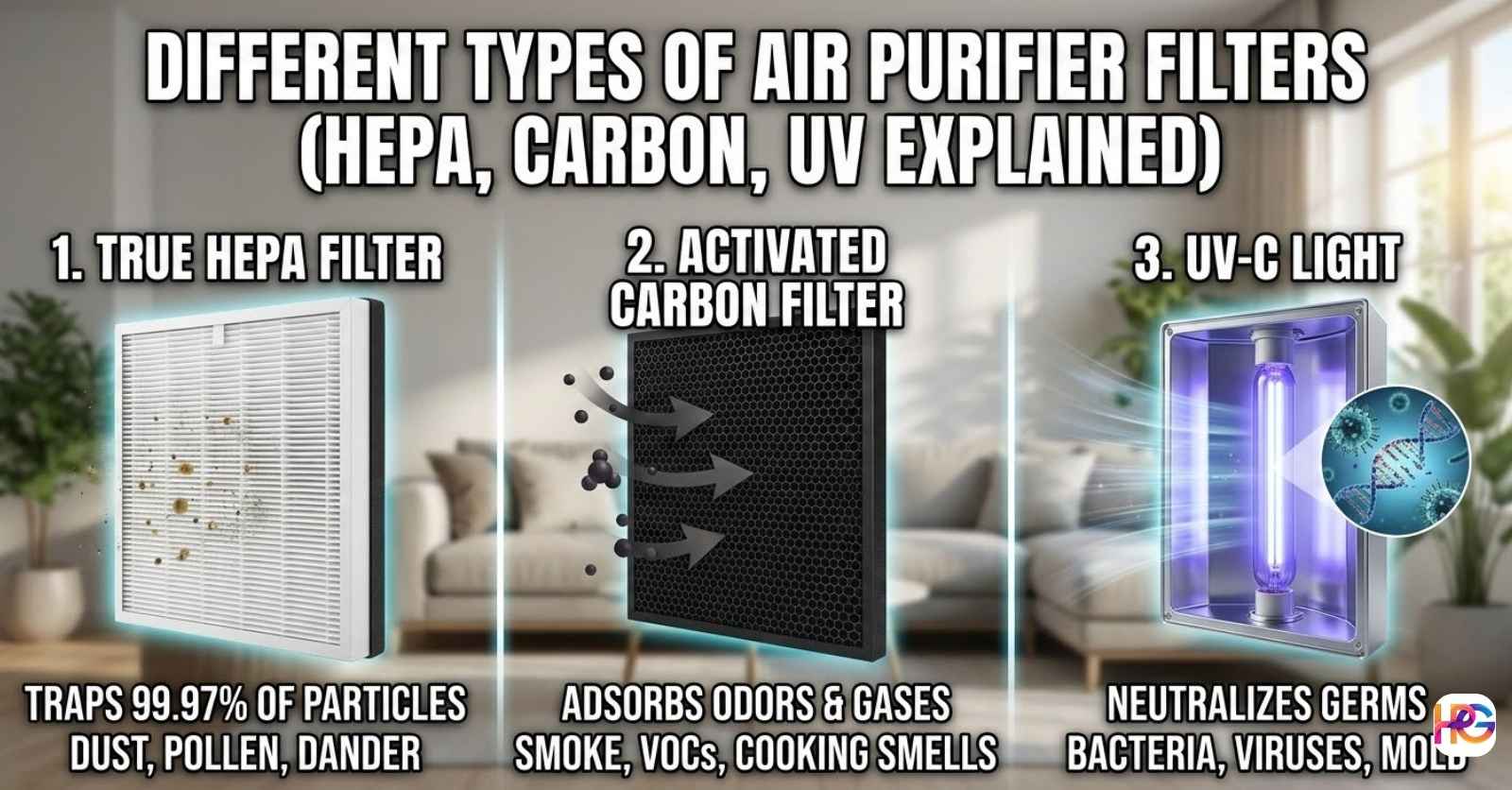
Here is another great trick I learned last week. Most big units have a first mesh net. This fine net is called a pre filter stage. It easily catches long hair and big gray dust balls. There is no need to replace it right away. Instead, you can give it a deep wash in the sink or clean it thoroughly using a vacuum hose. I clean my net every two weeks on Sunday. This simple chore saves the main thick filter. It helps the whole fan run much better too.
What To Do Next
I really hope my own story helps you out. You do not have to guess about this now. All the hard facts are clear right now. You have the real data in your own hands. You truly know how the small parts work together.
Take The Auto Mode Test
Try this simple test for just one full week. Turn your home unit to the auto mode setting. Leave the machine all alone for seven days. Do not touch the top power button at all. Just live your normal life in your own house. Cook your daily meals like you always do. Open your big doors to let the dog out. Watch closely how the smart machine acts each day. Listen to the quiet fan change its speed often. You will quickly see how smart it really is.
Enjoy The Fresh Air
After a full week passes, take a deep breath. Notice how the living room air smells very clean. Look at how much less gray dirt is on your tables. I bet you will feel a big good change. I know I did when I tried it myself. This simple small trick made my home a better place. It gave me real peace of mind every single day. I deeply trust it will do the exact same for you.
Common Questions About Air Purifiers
Does leaving the fan on all day burn out the motor?
Most air cleaners use brushless motors. These parts are made to run all day. Stopping and starting the fan causes more wear than a steady, low-speed run.
How much power does an air purifier use on low speed?
On low, a unit uses 5 to 15 watts. That is like one small LED bulb. It keeps your power bill low while it cleans your home air all day and night.
Does auto mode really save the HEPA filter life?
Auto mode shifts the fan only when it sees dirt. This stops the HEPA filter from clogging too fast. It helps your tool last longer and saves you cash.
Can I keep my air purifier in a cold garage or workshop?
You can use it in a cold shop. Just keep the unit away from damp spots. Moisture can ruin the smart sensor and the paper HEPA filter over time.
How often should I clean the pre-filter mesh?
Check the mesh every two weeks. Wash off any big dust or hair. This helps the motor breathe and keeps the unit running cool in your home or shop.