
My Journey to Better Indoor Air Quality (And How You Can Fix Yours)
It was a cold Tuesday in Chicago. The wind howled outside my third-floor window. I had the heat cranked up high. My cat, Bean, slept on the rug. I took a deep breath. The air felt heavy. It smelled like stale coffee and old dust. My head pounded all morning. My throat felt scratchy and dry. I thought I was getting a winter cold. But it was just my bad indoor air quality.
We spend so much time inside our homes. We rarely think about the air we breathe. At first, I did not think much about it. I simply bought nice-smelling candles, believing those jars of fake pine scent would help. In reality, they made things worse. Since that cold Tuesday, I have learned a lot, and today I want to share my personal journey along with practical ways to improve indoor air quality. You do not need to spend a lot of cash. You just need to learn some basic facts.
The Day I Realized My Air Was Dirty
I woke up feeling awful that entire week. My nose was always stuffed up. My eyes watered non-stop. At the time, I blamed everything—the dry winter air, Bean the cat’s shedding, even my old brick building.
Then a friend of mine, who works as a nurse downtown, came over for lunch. The moment she stepped into my living room, she paused and wrinkled her nose. She said the air felt stale and suggested opening a window. It sounded unreasonable at first since it was freezing outside, but I gave it a try anyway.
Within minutes, fresh air rushed in and completely changed the space. My headache slowly faded, and breathing felt easier. That small shift surprised me and sent me down a deep research rabbit hole. I spent weeks reading about indoor air health, tracking changes, and, honestly, making a few mistakes along the way. Now I want to help you skip the hard parts.
What Is Indoor Air Quality Exactly
Indoor air quality is a simple concept. It means how clean the air inside your house is. Good air keeps your lungs healthy. Bad air makes you feel sick. We call the bad stuff indoor pollutants. They float around your rooms invisibly. You breathe them in every single day.
Some pollutants are completely natural. Dust and pet hair are common examples. Some are totally human-made by us. Cleaners and chemical sprays release invisible fumes. These fumes get trapped inside your tight home.
Here is a quick look at common air invaders I found in my place.
| Pollutant Type | Where It Usually Comes From | How It Feels When You Breathe It |
| Dust Mites | Old rugs, beds, soft chairs | Sneezing fits, itchy nose, cough |
| Pet Dander | Cats, dogs, birds, hamsters | Watery eyes, tight chest, asthma |
| Fumes (VOCs) | Fresh paint, cleaners, candles | Bad headaches, dizzy spells, fatigue |
| Mold Spores | Wet bathrooms, leaky old pipes | Stuffy head, chest pain, wheezing |
My Biggest Fails Trying To Clean The Air
In the beginning, I rushed to fix my air quality and ended up buying things I did not really need. Hopefully, my early mistakes can save you some trouble.
First, I filled the house with cheap scented plug-ins. Every room smelled like artificial baked apples, but the strong fragrance burned my eyes and even made my cat sneeze. That is when I realized synthetic scents do not clean the air—they only mask odors while adding unwanted chemicals.
Next, I tried a small, budget air purifier I found online. It was inexpensive but noisy and completely ineffective. It barely collected any dust, making it a total waste of money. Real tools cost a bit more upfront. Cheap gadgets just steal your hard-earned cash.
Free And Easy Ways To Improve Indoor Air Quality
You do not need fancy gadgets right away. You can make huge changes for free today. I do these specific things every single week. They changed my daily life.
Open Your Windows Every Day
This is my absolute top tip. Open your windows wide. Just do it for ten short minutes. It pushes out old stale air. It brings in crisp fresh air. I do this even in the dead of winter. It makes a huge difference in how I feel.
Run Your Home Exhaust Fans
I used to cook without the stove fan on. I took super hot showers with a closed door. That was a big mistake on my part.
Cooking creates smoke and tiny bits of dirt. Hot showers create thick warm steam. Steam turns into nasty wall mold fast. Now I always run the fans. I run the stove fan when I fry my morning eggs. I run the bath fan when I wash up. It pulls the bad stuff right out of the house.
Take Off Your Shoes Inside
Think about where your shoes go every day. After being outside, they carry in dirt from city sidewalks, mud, and even whatever they step on at gas stations. You track all that dirt right into your home.
I set up a small shoe rack by the front door. Now, no shoes go past the welcome mat. This cuts down on dust so much. It keeps bad chemicals off my nice rugs. My wood floors stay clean much longer. It is a win for everyone who visits.
Dust With A Wet Cloth
I used to hate dusting my shelves. I used an old dry feather duster. It just pushed thick dust into the air. I breathed it right into my lungs. I sneezed for hours after cleaning my living room.
Then I learned a much better way. These days, I keep things simple by using a damp rag for most chores. A soft microfiber cloth, slightly wet with tap water, gets the job done well. It grabs the dust fast. It holds onto it tight. The dust goes down the sink drain later. It stays out of my body.
Data Shows We Need Better Air
I love reading hard facts. I looked up numbers about home air online. The facts scared me a little bit. But they also pushed me to do much better.
The air inside can be very dirty. It is often worse than outdoor city air. We spend most of our busy lives inside. This means we breathe bad air quite a lot.
Here is a table showing why clean air matters so much.
| Fact About Your Home Air | Why You Should Care About It |
| People spend ninety percent of their time inside | Your home air is your main oxygen source |
| Indoor air can be five times dirtier than outside | You breathe more toxins in your own living room |
| Bad home air causes long-term health risks | It hurts your lungs and heart over time |
Do House Plants Really Clean The Air
I love green leafy plants. I have five sitting on my bright window sill. People always say plants clean the air well. I wanted to know the real truth. I read a lot of science studies about it.
The truth is a bit sad honestly. Plants do filter air a little bit. They are cool natural scrubbers. But you need a massive indoor jungle to make a big dent. One small fern will not fix a smoky room.
I still keep my plants alive. They brighten my mood, add a touch of color to my bedroom, and even release small amounts of fresh oxygen. Just do not expect them to do all the heavy lifting. They are cute helpers, not super heroes.
Changing How I Clean My House
Cleaning should make your air much better. Sometimes it makes it much worse. Over time, I realized I needed to change my habits, starting with replacing harsh chemical sprays with safer alternatives.
Back then, I relied heavily on strong liquid bleach. It made my eyes water badly. Now I use simple dish soap and warm water. I use plain white vinegar for hard water spots. It smells like sour salad for a minute. But the weird smell fades away fast. It leaves zero harsh fumes behind in my space.
Vacuuming The Right Way
My old vacuum cleaner was really bad. It sucked up big dirt chunks fine. But it blew fine dust right out the back. It made the whole room smell funny.
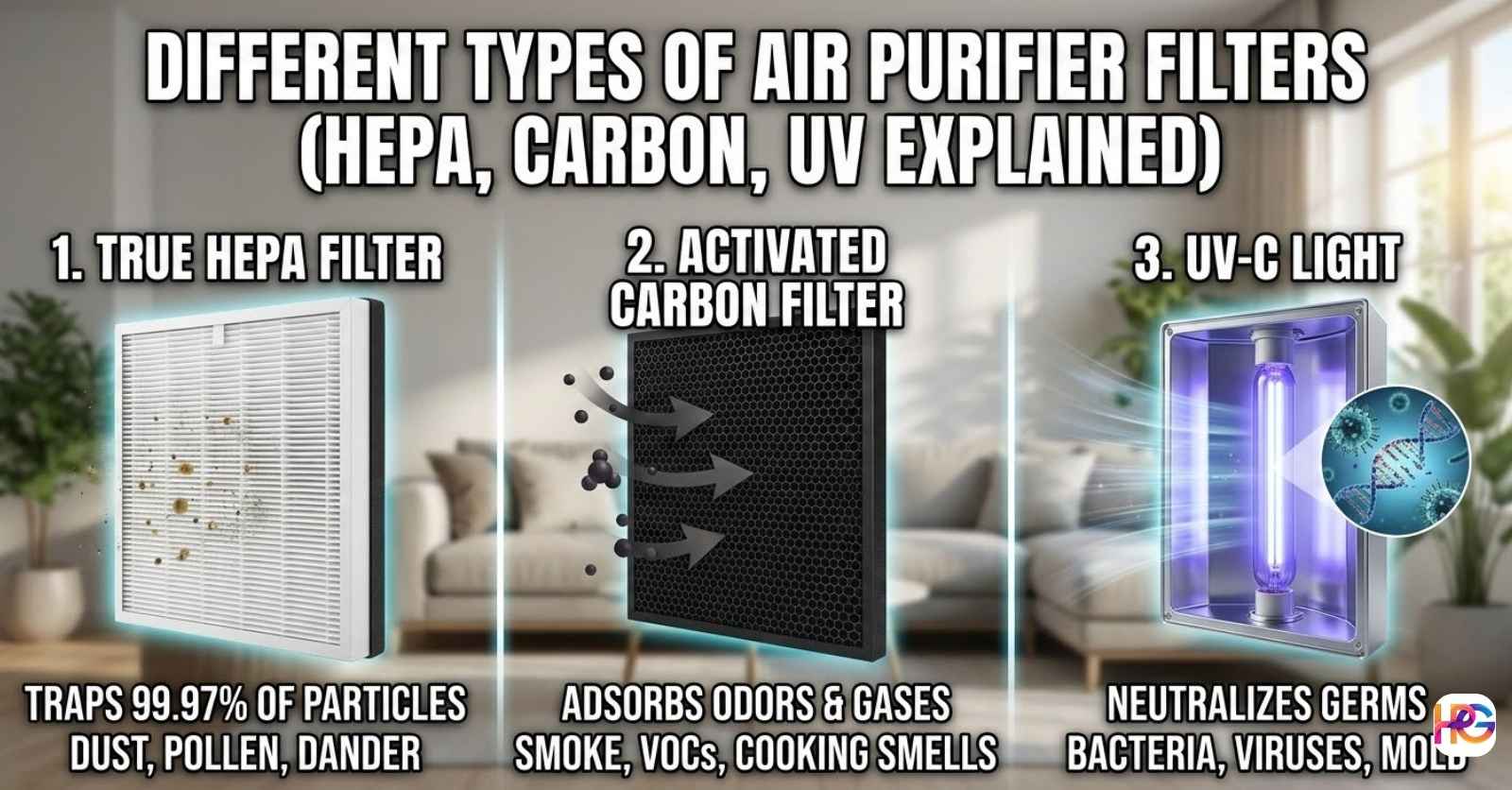
I upgraded to a vacuum with a real HEPA filter. This is a massive game changer for me. It traps the tiny dust bits deep inside. It does not blow them back out into my face. I vacuum twice a week now without fail. My rugs look so much brighter. My air feels cleaner when I walk in.
How I Test My Air At Home
You cannot manage what you cannot measure. I love that smart saying. It applies to home air care too. Eventually, I wanted a clear picture of my indoor air quality instead of guessing.
That curiosity led me to explore professional air testing services. You can hire local pros to come over. They bring big loud machines. They charge a whole lot of cash. I skipped that expensive route. I went with easy home tools instead.
The Cheap Senses Test
Your human nose is a great tool. I use it every single day. I walk outside for ten minutes to clear my head. Then I walk right back inside my front door. I take a very deep breath through my nose. Do I smell stale garlic from last night? Do I smell old pet dust? If yes, I know I need to open a big window fast.
Using Smart Desk Monitors
I wanted real math data too. I bought a smart air monitor for my kitchen. It tracks tiny floating particles. It tracks unseen chemicals and room temp. I put it right on my flat kitchen counter.
I learned so much from watching it. The red numbers spike high when I toast bread. The green numbers drop low when I open the back door. It made the invisible world visible to my eyes. It is fun to watch the numbers go down to safe levels.
Gadgets That Actually Worked For Me
I did buy a few handy things eventually. Free tips are truly great. But sometimes you need some extra tech help. I saved up for tools that actually work hard.
Getting A Real Air Purifier
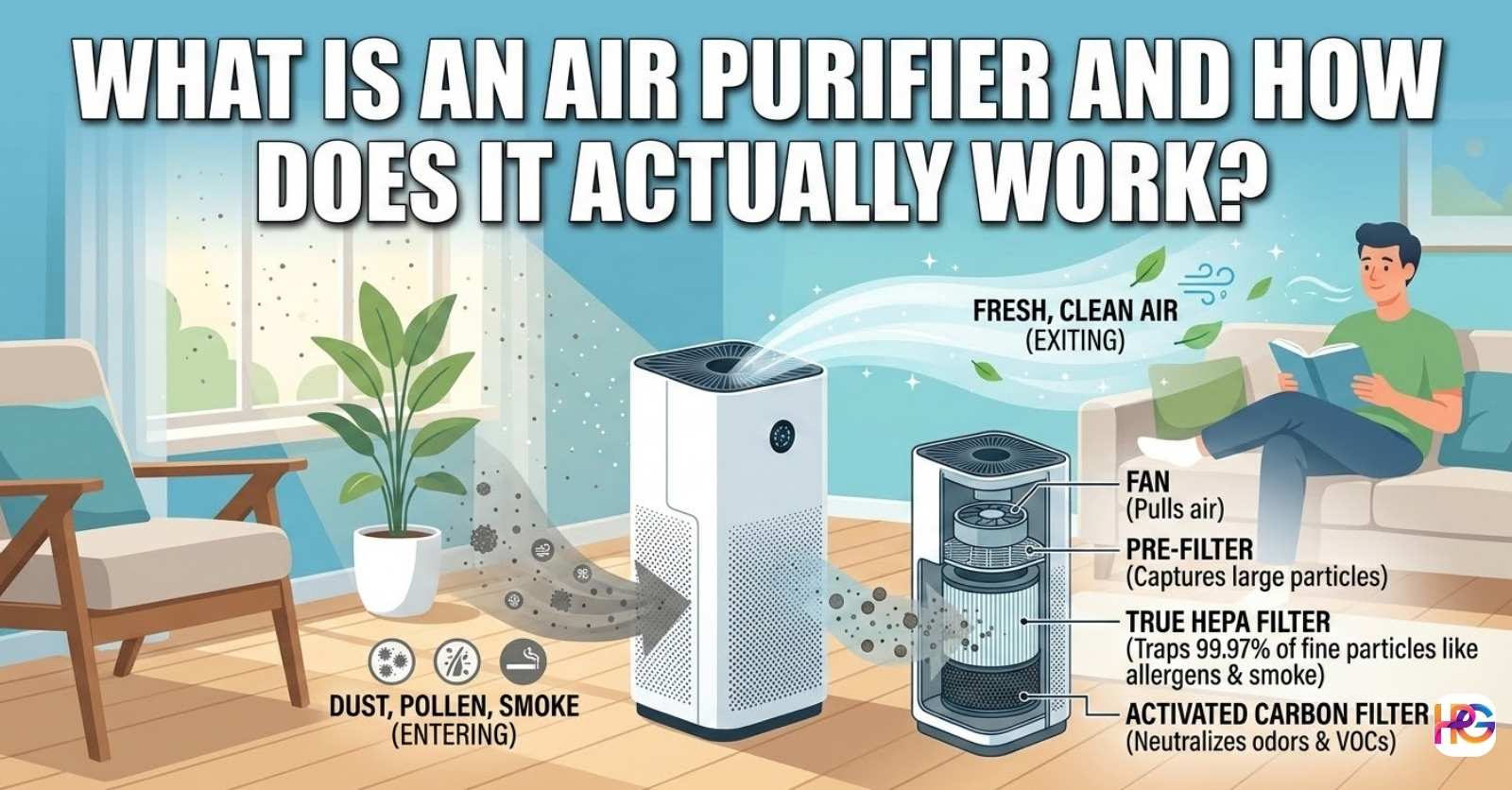
I ditched the cheap plastic desk fan. I bought a real HEPA filter machine online. It sits quietly in my dark bedroom. It runs all day and all night.
The thick filter traps tiny bits of dust perfectly. It catches Bean the cat’s soft hair. I wake up with a totally clear nose now. It was worth every single penny I spent. If you buy one soon, check the room size rating first. Make sure it fits your specific living space.
Buying A Simple Humidity Meter
Super dry air hurts my throat. Super wet air grows bad wall mold. I needed to know the exact balance.
I bought a cheap digital meter online. It tells me exactly how wet the air feels. I aim for fifty percent all year long. If it is too dry inside, I run a water humidifier. If it is too wet inside, I turn on a box fan. This small cheap tool gives me great daily data.
Checking My HVAC Filters
I live in a place with central air now. The big system has a large paper filter. I used to forget about it for months. I let it get dark gray and fuzzy. That was super gross to look at.
Now I check it every single month. I buy thick pleated filters at the hardware store. They catch way more dust than flat ones. I swap them out right on time. My loud furnace runs much better. My house air stays fresh longer.
Small Changes Bring Big Results
You can fix your home air. It is not hard to do. It does not take a ton of money to start.
Start with small easy steps today. Open a bright window right now. Take your dirty shoes off at the door. Wipe down your dusty shelves with a wet rag. You will feel the good change fast.
Your home is your private safe space. It should heal you every day, not hurt you. Clean air gives you bright energy. It helps you sleep deep at night. It keeps your whole family well.
I still live in windy Chicago. The cold wind still howls in the winter. Bean still sleeps on the same old rug. But the air inside is vastly different now. It is light and crisp. It is totally fresh. I breathe easy every single day. You can definitely do it too.
Frequently Asked Questions About Home Air Tools
Will a Levoit HEPA filter help in a dusty home shop?
Yes, it traps tiny wood dust bits. Change the filter often to keep the motor running well and save power. It keeps your lungs clean while you build things in your shop.
Can I keep my digital air monitor in a cold garage?
Li-ion batteries often fail in the cold. Keep it inside to protect the screen and help the battery last for years. This keeps the sensor accurate for you to use every day.
Do Milwaukee shop vacs need a HEPA filter for clean air?
Yes, a HEPA filter stops fine dust from blowing back out. It is a vital safety tool for your lungs while you work in a shop. It stays put with a very tight and secure grip.
Do new DeWalt plastic tool cases give off bad fumes?
Yes, new plastic can release VOCs. Let them sit on a porch to air out before bringing them into your main living room area. This keeps your home air feeling very clean and fresh.
Is a standard bathroom fan strong enough to clear paint fumes?
Most small fans lack the power for thick fumes. Use a high-flow fan when using oil paints inside for safety. It keeps the air moving and helps the paint dry much faster for you.