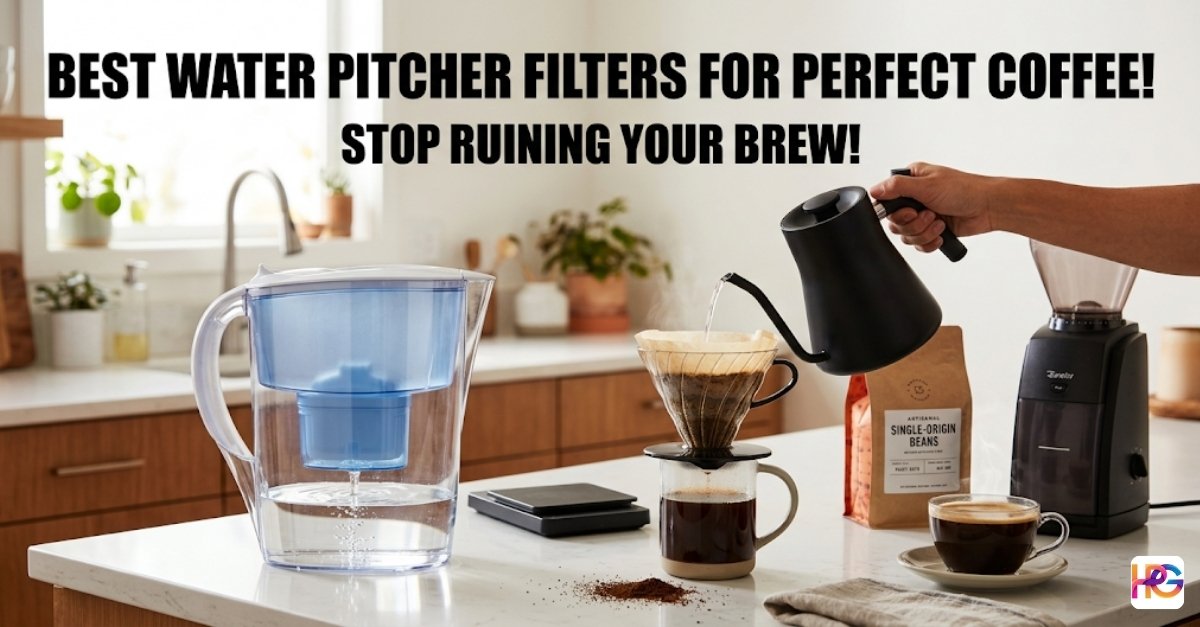
👉 Best water pitcher filter for coffee
My Journey to Better Tasting Coffee
It was a rainy Tuesday morning last winter. I visited a good friend in Portland. We decided to brew some very fresh beans. I had just bought them from a local shop. The sweet smell of roasted coffee filled the room.
I poured hot water over the grounds and waited. Quickly, I took my first sip. I expected pure magic. Instead, I tasted dull chalk. The coffee felt flat and lifeless. I was completely confused.
Glancing at my friend, I asked about his water. He pointed straight to his kitchen sink. I stared at the faucet. Could tap water really ruin expensive coffee beans?
He poured me a plain glass from the tap. It smelled like pool chemicals. It tasted heavy and metallic. Suddenly, the bad coffee flavor made perfect sense.
That simple moment opened my eyes. Your coffee is mostly water. Bad water makes a bad cup.
Back home in Texas, I still think about that day. The weather here is different, but the water issues are the same. That experience completely changed how I brew coffee.
I started testing water with my Technivorm Moccamaster. The difference surprised me. Since then, I have tested many brewing methods for Home Pick Guide. My goal is simple—help you choose better and live smarter.
Over time, I learned one key truth. A good water pitcher filter is the easiest upgrade. It is also the cheapest way to improve your coffee. You do not need fancy plumbing. A simple pitcher on your counter works well.
Let me share what I learned. I will help you turn bad tap water into something much better.
How Hard Water Ruins Your Coffee
Hard water is the hidden enemy of a good brew. Many homes have water packed with excess minerals. You might not notice it when drinking a cold glass. Heating that water changes everything, though. High heat forces minerals to mix with your coffee grounds. This mixing is rarely a good thing.
The Science of a Bad Cup
Brewing coffee is a delicate process. Hot water pulls flavors and oils from roasted beans. Think of water as a tiny sponge. If the sponge is full of dirt, it absorbs nothing else. Hard water acts like a sponge full of calcium. It struggles to pull sweet notes from your coffee. This heavy load leaves you with a bad cup.
You often get a brew that tastes too bitter. Sometimes the liquid feels dry on your tongue. Heavy minerals block water from dissolving the good stuff. They pull out the harsh parts instead. For years, I blamed my coffee maker. My grinding style also took some blame. I never knew water chemistry was fighting against me.
The Role of Water Temperature
Heating water changes how it acts. Cold hard water holds minerals tightly. Boiling water forces those minerals to drop out. They stick to your heating coils. This creates that nasty white scale. Hot water also becomes far more active. It wants to grab onto things. If it already holds too much calcium, it cannot grab coffee oils. The heat just cooks the grounds instead of brewing them. Finding the perfect brewing heat is vital. I always aim for right off the boil. That gives the water the best chance to work. But without a filter, even perfect heat cannot save you. The minerals will always win that fight.
Signs Your Tap Water is the Problem
Spotting hard water problems is actually quite easy. Look inside your kettle or water tank. Do you see a white crust? That gross white scale is from mineral deposits. Finding scale means your water is very hard. It will ruin your machine over time.
I know this from bad past events. Once, I bumped my glass French press against the sink. I was scrubbing off stubborn hard water stains. The glass shattered into a hundred pieces. That messy disaster taught me a harsh lesson. Now I stick to my double walled stainless steel press instead.
Another warning sign is the taste itself. Does your costly light roast taste muddy? Have you noticed a pool smell from your tap? City water supplies use a lot of chlorine. This chemical completely destroys the subtle smell of a good roast. You should never let chlorine near your morning brew. Luckily, a simple pitcher filter fixes these issues fast.
What Minerals You Actually Want to Keep
You might think completely pure water is the best goal. I used to believe that silly myth too. Clean water seemed like it would make the best cup. My thinking was completely wrong about that. Coffee actually needs certain minerals to taste good.
The Magic of Magnesium and Calcium
Minerals act like little flavor magnets. They grab tasty bits from the coffee grounds. Then, they carry those flavors straight to your cup. Magnesium is your absolute best friend here. This mineral pulls out sweet and fruity notes. Those notes make fancy coffee so exciting. Calcium is also highly important for brewing. It helps pull out the heavy and nutty flavors.
You want a small amount of these minerals in your water. The ultimate goal is a perfect balance. Taking everything away makes the water too hungry. It starts pulling out bitter and dark flavors. You end up getting a harsh and hollow cup. The ideal water has low alkalinity but enough hardness. A good filter removes bad stuff like chlorine and lead. Importantly, it leaves just enough good minerals behind.
Top Pitcher Filters I Tested for Brewing
I decided to test the most popular brands. Wanting real answers, I spent weeks brewing with filtered water. I tested Brita, ZeroWater, and Pur side by side. Each brand takes a very different path to clean tap water. Below are my honest thoughts on how they perform.
ZeroWater: The Blank Canvas
ZeroWater does exactly what its name says. It removes basically every solid from your water. The filter uses five steps to strip away everything. They even give you a little digital meter. This tool proves the water reads absolute zero. My first sip of plain ZeroWater felt incredibly crisp.
Brewing coffee with it was a different story entirely. I used my AeroPress for this test. The final coffee tasted flat and very boring. The filter removes all the calcium and magnesium. Without them, nothing pulls out the good flavors. ZeroWater is actually too good at its job.
However, I still love it for one specific reason. It gives you a perfect blank canvas. You can buy coffee mineral packets online. Then, you just add them to the pitcher. This trick lets you build exact water chemistry. It feels like a fun science lab in your kitchen. If you are a big coffee nerd, this is great.
Brita: The Convenient Classic
Brita is the brand almost everyone knows well. I grew up with a white Brita pitcher in our fridge. They use a simple carbon filter system. This basic filter removes the nasty chlorine smell perfectly. It also safely stops some heavy metals.
The best part about Brita is what it leaves behind. It does not take away all the solids. The filter leaves essential minerals in the water. My coffee tasted balanced when using the Brita Elite filter. I actually tested this specific filter at work. Using a Bunn Velocity Brew in my office proved interesting. The filtered water made every single pot taste incredibly smooth. All the harsh bitterness from the building pipes was completely gone.
Brita is also incredibly easy for busy mornings. You can find new filters at almost any store. The water itself flows through very quickly. You never wait ten minutes just to fill your kettle. It stands as the easiest choice for daily coffee drinkers.
Pur: The Heavy Duty Cleaner
Pur falls somewhere between the other two brands. It successfully removes more bad things than Brita does. The system is certified to reduce dangerous stuff like lead. The pitcher body feels a bit more heavy and tough too.
Plain water from it tastes extremely clean. Sadly, the filter process is painfully slow. I distinctly remember standing in my kitchen waiting. It literally felt like forever just to get one large mug. That slow drip means the filter is working very hard.
For coffee brewing, it did a great job. It removed the chlorine completely. Yet, it left enough minerals for a good brew. The final coffee had a nice clear taste. I could clearly taste the sweet notes of my medium roast. If you worry about lead in old pipes, Pur is fantastic. You just need pure patience while it filters.
Data Breakdown: Filter Cost and Lifespan
Buying the pitcher is just the first small step. The real expense is buying new filters over time. You must look at long term running costs before buying. To find out, I sat down and did the math for each brand. I really wanted to see which one saves you money.
The Real Price of Good Water
Filter life depends heavily on your local tap water. Very hard water makes the filters die much faster. I looked closely at average times claimed by companies. I also thought about real world use based on daily brewing.
ZeroWater filters die the absolute fastest. They strongly strip everything and work incredibly hard. A filter might only last for 15 to 40 gallons. You might easily need to change it every single month. The new filters are also quite costly.
Brita Elite filters are the total opposite. They are wonderfully built to last for 120 gallons. For a normal family, that is nearly six months. They cost a little more upfront than basic filters. Since you replace them rarely, you save money all year.
Pur filters fall right in the middle ground. The Pur Plus filter lasts around 30 to 40 gallons. You will probably need to replace it every two months. The filters themselves are fairly cheap to buy. Sadly, frequent changes add up quickly over a year.
Pitcher Filter Timelines
Here is a simple data breakdown of the costs. This table compares the average lifespan and replacement times.
| Brand and Filter Type | Average Lifespan | Replacement Timeline |
| ZeroWater 5-Stage | 15 to 40 gallons | 1 month |
| Brita Elite | 120 gallons | 6 months |
| Pur Plus | 30 to 40 gallons | 2 months |
Now let us look at the planned yearly costs. This second table shows how much you might spend.
| Brand and Filter Type | Cost Per Filter | Estimated Yearly Cost |
| ZeroWater 5-Stage | $15.00 | $180.00 |
| Brita Elite | $17.00 | $34.00 |
| Pur Plus | $8.00 | $48.00 |
As you can clearly see, Brita Elite offers great value. You buy far fewer filters over time. You also spend less time worrying about changing them. ZeroWater is a premium choice for absolute purity.
My Final Thoughts on the Perfect Pitcher
Choosing the right pitcher comes down to your needs. I have greatly enjoyed testing all of them. Each model earned its place on my kitchen counter.
Go with Brita if you want an easy upgrade. The great Elite filters remove bad tastes quickly. They leave the good minerals you need for brewing. They easily last a long time and save you money. It remains the most practical choice for everyday coffee.
Choose Pur if you have serious health concerns. It nicely cleans heavy metals like lead from old pipes. It cleans more deeply than Brita while allowing tasty brews. You just have to accept the slow water speed.
Pick ZeroWater if you want total water control. It reliably gives you a completely clean slate. You will absolutely spend more money on filters and mineral packets. Honestly, the final results can be truly incredible.
I hope this guide helps you pick better today. My goal is always helping you live smarter. Clean water is the secret ingredient you have been missing. Do not let bad tap water ruin good beans. Try a pitcher filter and taste the difference yourself.
Common Questions About Coffee Water Tools
Q: Is the Brita Elite filter durable for a busy home?
A: The Brita Elite is very tough and lasts six months. It filters 120 gallons easily. This means you spend less time on repairs and more time on coffee.
Q: Does the ZeroWater filter strip too much for a good brew?
A: This filter removes every solid from your water. This can make coffee taste flat. You should add minerals back in to get a better flavor for your cup.
Q: Why is the Pur Plus water filter so slow to use?
A: A slow drip means the filter is working very hard. It removes lead and chemicals that other tools miss. Just plan ahead so you have water ready to go.
Q: Can I keep my water pitcher in a cold garage or shed?
A: Freezing cold can crack the plastic or the filter. It is best to keep these tools in a warm spot. This keeps the water flowing fast and safe.
Q: How does a filter help my coffee machine last longer?
A: Filters stop white scale from sticking to the heater. This keeps your gear clean and safe. Your tools will work better and last for many more years.