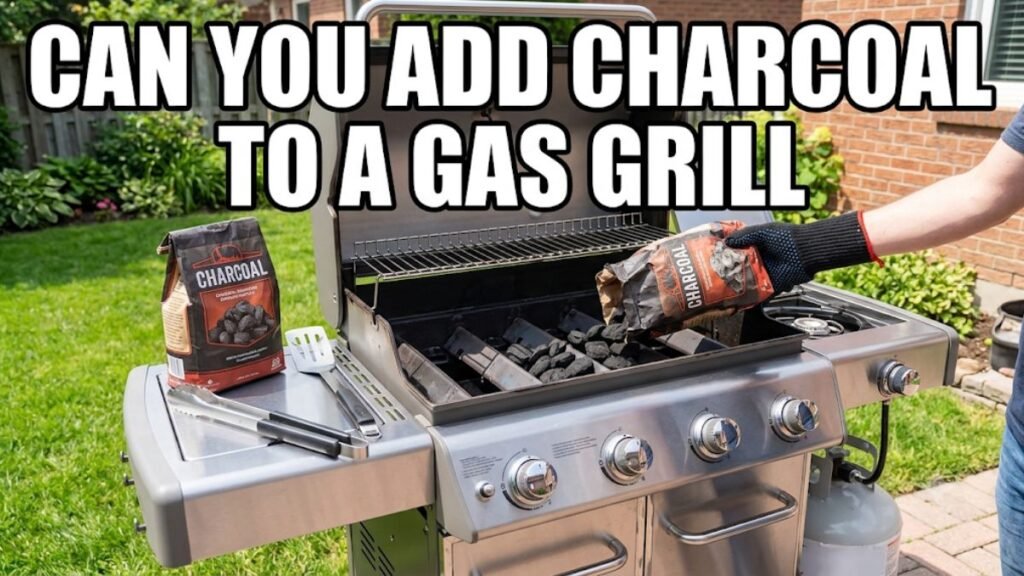
Can You Add Charcoal to a Gas Grill? What You Need to Know
Gas grills are great for quick meals. You turn a knob and start cooking fast. But sometimes you want that real smoky taste. You look at a bag of charcoal. You look at your propane grill. Then you ask yourself, can you add charcoal to a gas grill?
I had the exact same thought a few summers ago while chasing that rich backyard barbecue flavor. For a moment, I almost dumped charcoal directly onto my gas burners. Thankfully, I stopped to think before trying it. After doing plenty of research and talking with a few experienced grill experts, I learned a much better approach. Here is what I learned from my own testing. This guide will save your grill and keep you safe.
Why People Want to Mix Grill Fuels
We all love the ease of a gas grill. It heats up in minutes. It is very clean to use. But gas heat does not add flavor. Propane burns clean and leaves no taste behind. This is why many people look for a quick fix.
They see a bag of charcoal briquettes. They think the coals will add that classic wood-fire taste. It seems like a simple plan. You just want to drop a few hot coals inside the cookbox. Many blog posts online claim this is a great backyard hack. But those posts do not show you the long-term damage. They do not talk about the cost of fixing a ruined grill.
The Core Difference Between Gas and Charcoal Grills
You must look at how these tools work. A gas grill uses gas lines and open flames. The metal parts are often thin steel. This steel spreads heat quickly. It lets you change the heat with a dial. It is built for clean, fast cooking.
A charcoal grill is very different. It is a thick metal bowl. It holds hot coals that burn for hours. The coals create radiant heat. This heat is much stronger than a gas flame. A charcoal grill also has vents. These vents let air flow inside to keep the fire alive. A gas grill does not have these vents. Mixing the two creates a lot of conflict inside the cookbox.
Why Trying to Can You Add Charcoal to a Gas Grill Fails
It seems like a harmless shortcut. You just want to drop a few coals inside. But a standard propane grill is not made for solid fuel. Doing this will cause real damage. Here are the main reasons why this trick fails every time.
The Destruction of Your Burners from Ash
Charcoal turns into a lot of gray ash as it burns. This ash falls straight down. In a gas grill, it lands on your burners. The ash blocks the tiny gas holes. Your flames will become uneven. This makes it hard to cook your food safely.
Even worse, charcoal ash traps wet air. If you leave the ash inside, it turns into a thick paste. This paste causes fast rust on your metal parts. It will ruin your burner tubes in a few weeks. You will have to buy expensive new parts for your grill. Clean up is also a huge pain. You cannot just rinse ash out of a gas firebox without clogging the drains.
The Danger of Extreme Heat Spikes
Charcoal fires get incredibly hot. They can reach temperatures over 800 degrees. Your gas grill has thin metal shields over the burners. These are called heat tents or flavorizer bars. They are made to deflect grease, not hold hot coals.
The intense heat from raw coals will warp this metal. I have seen steel bars bend and crack from charcoal heat. Once the metal warps, your grill cannot distribute heat well. You will get huge hot spots that burn your food. It can also melt the knobs and wires on the outside of your grill.
Lack of Airflow and Potential Fire Hazards
Charcoal needs constant fresh air to burn. Gas grills are built to block the wind. They do not have the right bottom vents. If you put coals inside, they will choke. They will produce thick, bitter soot instead of good smoke. This soot makes your food taste like plastic.
The biggest danger happens if you use the gas to light the coals. The falling ash can clog the gas valves. Propane can build up under the unlit charcoal. This leads to an explosion when a spark hits the gas. It is a major safety risk for your backyard and your home.
Real-World Exceptions to the Rule
There is only one safe way to use both fuels. Some grill brands build special hybrid models. These grills come with a heavy cast-iron charcoal tray. It is made just for this task.
You lift out the normal grates. You place the tray right above the burners. Then you add your coals. The tray protects the gas lines. It catches all the gray ash. If your grill manual does not mention this part, do not try it. Never use a makeshift tray that is not approved by the maker. A cheap metal pan from your kitchen will melt fast under that kind of heat.
Smart Ways to Get Smoky Flavor Safely
You do not need charcoal to get a deep smoky taste. I spent months testing different methods on my propane grill. You can get amazing results with real wood. These steps are safe and easy to do. They cost very little money and protect your equipment.
The Stainless Steel Smoker Box
A smoker box is a small metal container with holes on top. You can buy one online for a low price. You fill the box with dry wood chips. Do not soak the wood in water. Wet wood only makes steam, not smoke. It also lowers the grill temperature.
Place the filled box right on top of your heat tents. Turn the burner under the box to high heat. Close the grill lid and wait. In ten minutes, the wood will start to smoke. Then you can lower the heat and cook your meat. It works beautifully for chicken, pork, and steaks.
The Aluminum Foil Pouch Hack
You can make your own smoker box with foil. Grab a sheet of heavy foil. Place a cup of dry wood chips in the middle. Fold the edges to make a tight pouch. This is a great trick if you are in a rush and do not have a metal box.
Take a fork and poke ten small holes in the top. Place this pouch on your grill shields before you turn on the gas. The chips will heat up and smoke for about thirty minutes. When you finish cooking, just let the pouch cool. Then throw it in the trash. It leaves zero mess behind in your grill firebox.
Using a Wood Pellet Smoker Tube
A pellet tube is a long metal mesh pipe. You fill it with wood pellets meant for smoking. Use a small torch to light one end of the tube. Let it flame for a minute, then blow it out.
The pellets will smolder slowly for hours. Place the tube right on the cooking grates next to your food. It gives off a steady stream of clean blue smoke. This method is perfect for long, slow cooks. I use it to make amazing smoked pork ribs and fish without using any charcoal at all.
Common Questions About Mixing Grill Fuels
Here are quick answers to the things people ask most. Use these tips to keep your backyard cooking safe.
Will charcoal ruin a gas grill?
Yes, charcoal will ruin a gas grill by melting thin metal parts and blocking gas lines with heavy ash.
Can I put wood chunks on a gas grill?
No, bare wood chunks can catch fire quickly and damage the internal steel components of your grill.
What wood chips are best for gas grills?
Hickory and mesquite chips are best because they give a strong flavor that cuts through fast gas cooking.
Can you use lighter fluid in a gas grill?
No, never use lighter fluid in a gas grill because it can cause explosions and leave a terrible chemical taste.
Final Thoughts
We all love the deep flavor of outdoor cooking. It is tempting to try shortcuts when you want that classic smoke. But adding charcoal to a standard gas grill is a bad choice. It creates major safety risks and ruins your costly gear. I am glad I did not ruin my own grill trying it.
Stick to the fuel your grill was built to use. If you want that extra taste, use wood chips or pellet tubes. They are safe, clean, and give you the exact flavor you want. Keep your grill running smoothly and enjoy your backyard meals safely.