
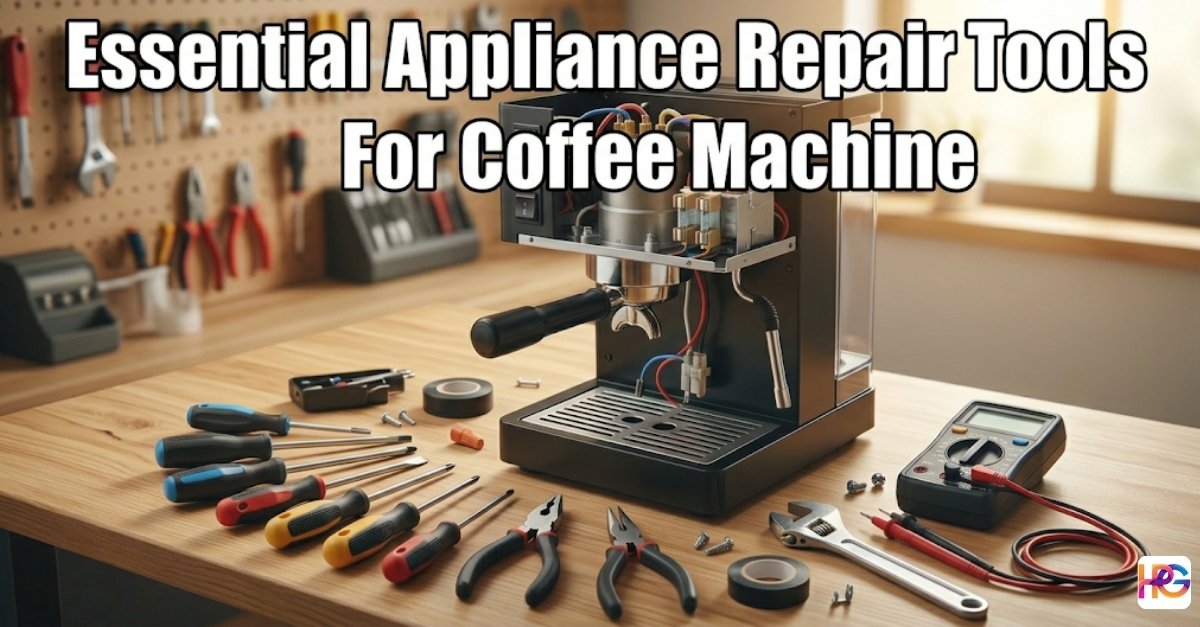
DIY Essential Appliance Repair Tools Every Homeowner Needs
The Day My Coffee Maker Died
It was a very hot morning last July. I woke up early to bake fresh sourdough bread, but first, I desperately needed a hot cup of coffee. I walked into the kitchen and pressed the brew button—nothing happened. The machine sat in total silence. Frustration washed over me as the smell of stale coffee beans lingered in the air. I shook the plastic water tank and checked the heavy power cord. It was completely dead.
Buying a new machine felt like a waste of money, and hiring a repair person would have cost more than the brewer itself. So I took a deep breath and decided to fix it myself. I grabbed my trusty tool bag from the closet and sat down at the kitchen table. Two hours later, hot coffee was brewing again. That moment changed the way I view home repairs. You don’t need to be a wizard to fix things—just a bit of patience and the right tools in hand. Let me share what you need to start.
Must-Have Hand Tools for Basic Fixes
Big workshops are great for loud professionals. Most home fixes happen right on a kitchen counter. You only need a few smart items for these jobs. They should fit inside a small canvas bag. Let us look at the exact items you should buy today.
Screwdrivers You Can Trust
Every machine uses metal screws to hold the shell together. You need a very solid set of drivers. Get standard flathead and Phillips head sizes. You must also buy Torx style drivers. Many brands use these tiny star-shaped screws now. I found small Torx screws hiding inside my air fryer last month. A cheap driver will slip and strip the metal head. Once a screw strips, you cannot get it out easily. Spend good money on drivers with hard steel tips.
Pliers That Actually Grip
Human fingers are too thick for small machine parts. Pliers give you a strong grip in tight spaces. Needle-nose pliers are perfect for grabbing tiny copper wires. I use them to pull out dropped parts safely. They reach deep into dark gaps where hands fail. Groove-joint pliers are for much bigger jobs. People often call these handy tools Channellocks. They open wide to grab huge metal nuts. You need these for fixing washing machine hoses. Water line fixes require a very tight seal.
Small Adjustable Wrenches
Wrenches help you loosen rusty bolts on heavy parts. Adjustable styles save tons of space in your bag. You only need two basic sizes for home use. A small six-inch wrench is great for tight corners. A ten-inch wrench handles larger water line nuts. I used my small wrench to fix a water filter pitcher leak recently. It gave me the exact leverage I needed to finish.
Table 1: Essential Hand Tools Quick Guide
| Tool Name | Main Use | Why You Need It |
| Screwdriver Set | Turning casing screws | Opens the outer shell |
| Needle Pliers | Grabbing thin wires | Reaches deep spots safely |
| Wrench Pair | Turning metal nuts | Stops leaks and fastens bolts |
How to Choose a Reliable Volt Tester
Electric power is nothing to play games with. You must stay safe when opening plugged-in devices. Testing hidden wires is the most important step. You need to find the broken heating element safely. Let us compare the best test tools for this fix.
The Non-Contact Tester
This tool looks exactly like a thick plastic pen. It beeps loud when you put it near a live wire. The clear tip also lights up bright red. You do not have to touch any bare metal wires. Just hold it near the main rubber cord. It tells you right away if power is flowing. I use this safety pen every single time I work. It takes two seconds to check a bad wire. It stops bad shocks from hurting you. Buy one today and keep it in your top pocket.
Digital Multimeters for Home Use
This plastic box is the real brain of your kit. It measures live voltage and checks for safe continuity. Continuity means power can flow through a wire or fuse. If a heater coil burns out, the power stops moving. The digital meter screen will show you the exact break. You do not need an extremely expensive industrial model. A simple thirty-dollar unit works great for home repairs. Make sure it reads basic AC volts clearly. Look for an auto-ranging feature on the dial face. This makes reading the numbers much easier for beginners.
Organizing Your Home Repair Kit
Having nice tools is only half the battle. Finding them quickly is the other important half. A broken sink pipe makes a huge wet mess fast. You cannot waste time hunting for your pliers. Good storage keeps your mind calm during stress.
Use a Dedicated Soft Bag
Hard plastic boxes slide around in messy car trunks. Soft bags sit flat on the garage floor. They have lots of small pockets inside and out. These tall pockets hold heavy tools standing straight up. You can see the metal tips right away when you look down. You grab exactly what you need in one quick second.
Group Items by Their Function
Keep safe electrical items together in one spot. Put the meter, tape, and wire nuts in the front section. Keep heavy metal wrenches away in the back section. This habit saves a lot of time during a busy fix. I learned this lesson the hard way years ago. I once dumped a whole bag looking for one small fuse. Now I stay organized on every single job.
Small Parts Storage Ideas
Tiny parts get lost at the bottom of dark bags. Glass fuses and small screws vanish easily. I keep a tiny clear plastic box inside my main bag. It holds fresh zip ties and extra wire nuts. This keeps the small stuff completely safe and dry.
Table 2: Tool Bag Setup Ideas
| Section Name | Items Stored |
| Front Pockets | Test pen, tape, small drivers |
| Main Center | Pliers, big wrenches, meter |
| Clear Box | Fuses, wire nuts, zip ties |
Cheap Tools You Should Completely Avoid
Hardware stores often sell huge shiny kits for cheap. A massive plastic case for twenty dollars catches your eye. Walk away from these fake deals right now. Cheap tools will snap when you need them most. They cause far more problems than they solve.
Bargain Bin Screwdrivers
Low-cost drivers use very soft cheap metal. You twist a stubborn screw with real force. The soft tool tip snaps right off into pieces. Now the broken metal is stuck fast in the hole. I ruined a nice blender base doing this last winter. I had to drill the damaged screw out slowly. That silly mistake took two whole hours to fix. Spend ten extra dollars on strong forged steel.
Unbranded Safety Testers
Never play cheap games with home electricity. A bad test meter can lie to your face. It might show a wire is dead when it is actually live. Then you touch it and get a very dangerous shock. Always buy trusted brands for basic safety gear. Look for real safety marks on the back of the tool. A small cash discount is not worth risking a bad shock.
Adding Specialty Items to Your Bag
The basic metal tools fix almost everything inside. Sometimes you need a little extra help though. A few odd items make hard jobs much easier to finish. These extra tools cost very little money.
The Stiff Putty Knife
You might think putty knives are just for wet paint. They are actually great for opening hard plastic shells. Modern machines use hidden plastic clips instead of metal screws. A flathead screwdriver will scratch the shiny plastic finish forever. A wide putty knife spreads the pushing force out nicely. It pops the hidden clips open without making ugly marks.
A Good Bright Headlamp
Working deep inside an oven or under a sink is dark. Holding a heavy flashlight in one hand is terrible. You need both hands completely free to work well. A cheap camping headlamp solves this common problem instantly. It puts bright clear light exactly where you look. I bought mine for a nice camping trip in the mountains last summer. Now I use it for every single home repair job.
Where to Find Good Repair Parts
Finding the broken dead part is step one. Getting a new fresh part is step two. Local shops rarely have the exact piece you need fast. The internet makes this final step very easy today.
Finding the Model Number
Every machine has a hidden silver sticker. Look closely on the back or under the heavy base. This little sticker shows the exact model number. You need this long number to order proper parts. Never guess the size of a rubber belt or glass fuse. Write the long number down on clean paper. Type it exactly into a parts website search bar.
Ordering Parts Online
I buy most parts from huge online stores right now. They ship very fast and have great return rules. Last month I needed a weird glass fuse for a microwave. I found a massive parts warehouse located in Chicago. They mailed it right to my door in just three days. Buying online saves driving all over town looking around.
Fixing Things Beyond the Kitchen
Your new hand tools work outside the house too. I bought a nice new sedan last July. Cars need simple fixes just like home appliances do. You can change your own air filters quite easily. You can tighten loose battery cables with your small metal wrench. Those simple hand tools save long trips to the local mechanic.
Keeping Your Space Tidy
A clean bright workspace makes repairs much safer. Dirt and thick grease cause heavy tools to slip quickly. I always wipe my pliers down after a messy hard job. A quick spray of light oil stops bad rust from forming. Taking care of your gear makes it last forever. Good home organization starts with respecting your daily equipment.
Final Thoughts on Fixing Things Yourself
Repairing a broken machine feels amazing inside. The motor hummed back to life, and fresh, hot coffee began pouring into the pot. A massive sense of pride and happiness washed over me. It is not just about saving a few dollars today. It is about taking total control of your own household.
Build your home tool kit slowly over time. Buy one good item each time something finally breaks. Soon you will be ready for any unexpected breakdown. Take a deep breath when nice things stop working. Watch a quick video guide online first. You can fix way more than you think. At Home Pick Guide, I believe in making smart choices. Good clear preparation helps you pick better and live smarter. Stay very safe and have fun learning new skills today.
Frequently Asked Questions
Which screwdriver set should I buy for modern home appliances?
Look for a set with hard steel tips and Torx drivers. Many brands now use star-shaped screws to keep people out of the machine. These strong tools prevent stripping and last for years.
Is a non-contact voltage tester safe for a beginner to use?
Yes, this tool is the safest way to check for live power. You just hold the plastic tip near the wire to see a red glow. It keeps your hands away from bare metal and prevents shocks.
Why should I spend more on a digital multimeter for repairs?
A good multimeter finds broken fuses and bad wires fast. Cheap models can give false readings which is very dangerous. Trusted brands offer better safety ratings for working in your home.
How do I stop my metal hand tools from rusting in a garage?
Wipe your tools clean and apply a thin layer of light oil. Storing them in a soft tool bag keeps them dry and safe. This simple habit protects your gear from moisture and high heat.
Can I use these same hand tools for basic car maintenance?
Most appliance tools work great for simple sedan repairs. You can tighten loose battery cables or change air filters easily. High-quality wrenches and pliers are useful in every part of your life.