
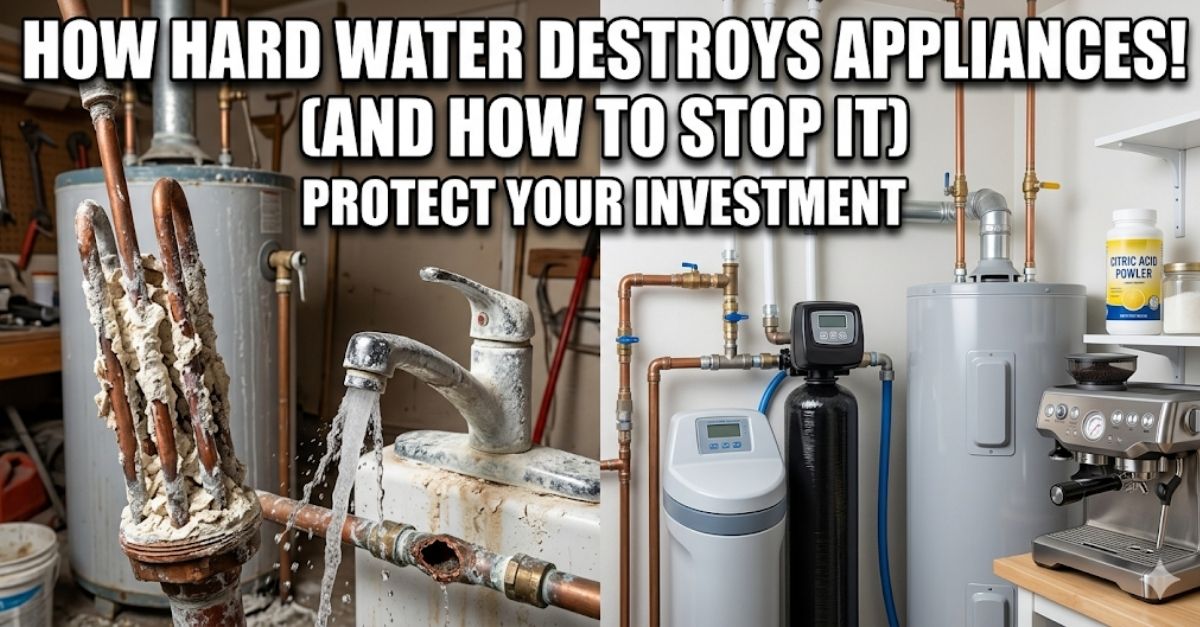
How I Stopped Hard Water From Destroying My Home Appliances
It was a bright day in Phoenix. Draft posts for my blog were due soon. I needed a strong cup of hot coffee. The kitchen felt normal to me.
My nice coffee maker sat on the desk. I put fresh water in the tank. Then I pressed the big brew button. It made a loud, bad sound right away.
A few brown drops fell out on the tray. Then the machine just died for good. I felt a bad knot in my stomach. I looked close at the hot metal part.
A thick white crust covered the shiny metal. My heart sank deep in my chest. I knew what ruined my costly tool. Hard water breaks down home gear.
I learned this cold fact the hard way. The broken machine made me read and learn. I spent months reading about local water. Plumbers gave me good tips about the pipes.
Test kits showed the truth in my sink. Now I want to share my tale with you. You can save your tools with these tips.
The Hidden Rocks Inside Your Home Plumbing
Water looks so clean from the tap. But you cannot see the tiny threats inside it. The tap water in my town is very hard. Rain picks up bits of rock in the dirt.
Calcium and rock bits melt into the flow. This mix travels right into our homes each day. We call this heavy mix hard water.
These rocks do not stay hid for long. Heat makes them fall out of the wet mix. They stick to any warm spot they find.
The Ugly White Crust Problem
This sticky mess forms a hard rock over time. Local plumbers call this solid stuff scale. You have seen it in your own wash room. It looks like white chalk on a shiny tap.
This crust feels very rough on your skin. Scrubbing it off takes a lot of hard work. Those bright spots are a pain to clean. But the real risk is where you cannot see. Scale builds up deep inside your costly gear.
Three Sneaky Ways Hard Water Ruins Things
Tools work hard to keep our homes nice. They cannot do their jobs with rocks in them. I found three main flaws when I read up on it.
First, scale acts like a thick winter coat. Heating parts get covered in a tough rock shell. The heater must warm up the rock layer first. Heat takes much longer to reach the water.
This makes the machine work a double shift. Motor parts burn out much faster than they should. Second, the rocks plug up tiny pipes. Dish washers use small valves to spray plates clean.
Thick layers of scale shrink these small tubes. Water flow drops down to a sad drip. Pumps break under the heavy strain of it. Third, your power bills will creep up high.
Broken machines use way more power to run well. Your hot water tank runs longer to get hot. You waste hard earned cash and do not know it.
Tracking Appliance Damage In My House
I checked all things in my home after that day. The bad results were quite a shock to see. Here is a quick list of what I found.
| Appliance Type | The Visible Damage | My Personal Experience |
| Coffee Maker | Clogged heating pump | Died totally on a Tuesday morning |
| Dishwasher | White spots on glass | Left wine glasses looking milky and dirty |
| Water Heater | Uses extra power | Electric bills spiked high last winter |
| Showerhead | Shoots water sideways | I got sprayed right in the eye |
My Failed Attempts At Quick Fixes
Buying new gear each year was a bad plan. I had to clean up the mess right away. A web search gave me a ton of cheap ideas. I chose to try the best home fixes first.
Acids melt harsh minerals very well. Plain white vinegar is a cheap acid you can find. I poured a big cup into my new kettle. Turning the heat on seemed like a smart move.
The Hot Vinegar Mistake
The hot vinegar melted the white crust off fast. My kettle looked brand new on the inside. But the smell was completely awful and bad. My whole house smelled like a hot pickle jar.
The sour smell stayed in the kitchen all day. Boiling vinegar also hurt my eyes and throat. My next cup of tea tasted quite sour. Rinsing the pot five times fixed the taste.
Vinegar works well for tough bath room stains. But using it on food tools is a smelly job. I had to find a much better way.
Finding The Magic Cleaning Powders
I told a friend about the bad pickle smell. She said to try a powder called citric acid. This pure stuff comes from sour fruits like lemons. You can buy a big bag of it online for cheap.
Mixing the powder with warm water works great. I ran it through my new coffee maker tool. The hard scale melted away super fast. There was no bad smell left behind at all.
The clean up was so easy and fresh. I keep a large jar of it under my sink now. It is my top trick for routine tool care.
Looking For Long Term Whole House Solutions
Cleaning things each week felt like a real job. I wanted to stop rocks from entering my home. Fixing the water at the main pipe seemed smart.
I called three local plumbers for price quotes. They told me my two main choices for house filters. The prices changed a lot based on the parts. I had to weigh the pros and cons with care.
Checking Out Traditional Water Softeners
Old salt systems are very popular on my street. These big tanks sit right in your garage space. They use special beads to trap the heavy rocks. The system swaps hard bits for soft salt bits.
This process makes the water truly soft to feel. Scale cannot form when the hard rocks are gone. My shower felt great at a friend’s house with this. Soap foams up into huge bubbles with ease.
There are a few bad points to think about though. You have to buy heavy bags of salt each month. Lugging those big bags from the store is hard work. The slick feel of soft water takes time to like. Some people hate feeling slick after a wash.
Trying Salt Free Conditioner Systems
The next choice sounded a bit like magic tricks. Salt free units do not take the rocks out at all. They change the shape of the rocks to stop clogs. The hard crystals become very smooth and round.
Round crystals do not stick to metal pipes. They flow right down the drain in a safe way. You never have to lift heavy salt bags again. These units need very little work to keep up.
| System Type | Main Benefit | The Biggest Drawback |
| Salt Softener | Removes all minerals | Requires heavy salt bags |
| Free Conditioner | Zero monthly work | Does not remove the rocks |
My Honest Final Advice For Homeowners
Dealing with ruined gear is very hard on you. Your home should be a place to rest and chill. You should not worry about pipes going bad fast. Hard water breaks tools if you ignore the signs.
Look closely at your sinks and showers this week. Look for that white buildup near the drain hole. Listen to your machines when they run hard. Strange sounds often mean a block is growing deep inside.
Start with a simple powder mix for small items. Citric acid will save your coffee pot today. Plan for a big house unit when your funds allow it. Fixing the water now saves you lots of cash later.
FAQs:
Can hard water damage my pressure washer pump?
Yes, rocks clog the pump and spray tips of your washer. Use a pump saver fluid to keep the metal parts safe. This stops leaks in your DeWalt or Milwaukee power tools.
How can I remove white crust from my shop sink tools?
Soak your metal wrenches or sockets in a bowl of warm fruit acid. This melts the hard water spots away without bad smells. It keeps your chrome gear looking brand new.
Does hard water affect the durability of my steam mop?
Mineral scale will block the steam vents very fast. Use pure water to protect the heat part of your tool. This simple step helps your equipment last for a long time.
What is the safest way to descale a shop humidifier?
Mix plain white vinegar with water and let it sit in the tank. Scrub the base with a soft brush to remove the thin film. This keeps the motor safe and ready for work.
Should I use distilled water in my wet tile saw?
Tap water works, but hard water leaves dull white spots on the saw. Rinse the blade after each use to stop rust from forming. This keeps your cuts sharp and very clean.