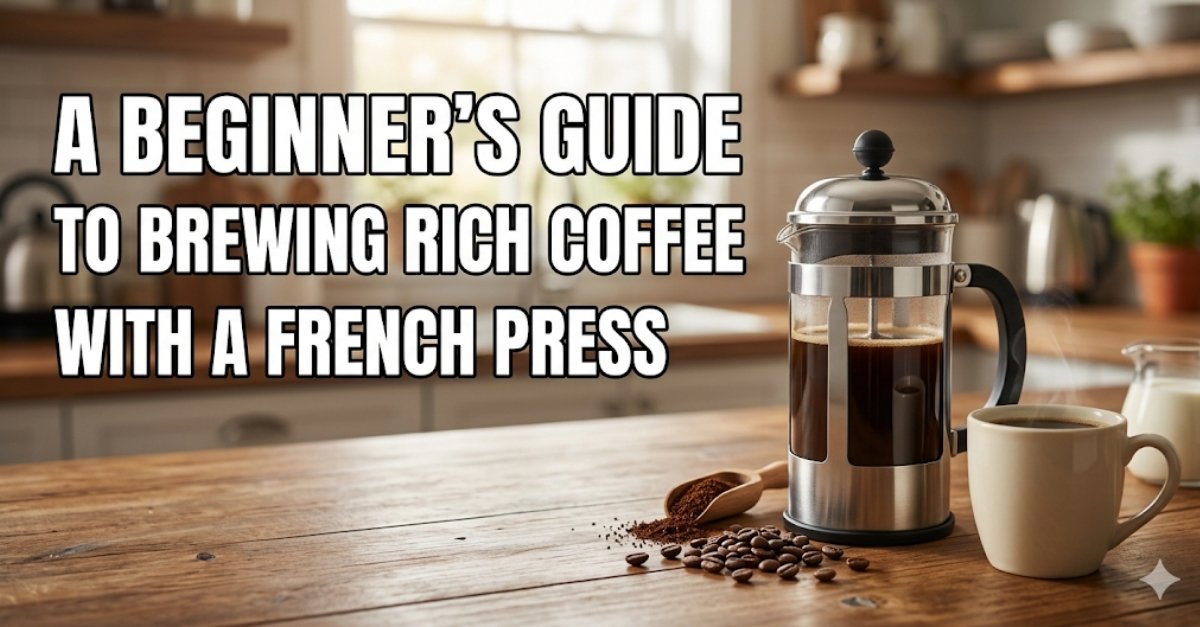
A Beginner’s Guide to Brewing Rich French Press Coffee
My Early Struggles with Bitter Coffee
A cold winter morning in Seattle still stays in my mind. Standing in my small kitchen, I felt very tired. Getting a good cup of warm coffee was all I wanted. My old plastic machine made a loud, angry noise. It spit out dark, weak brown water. The smell in the room was quite bad. Burnt toast is the best way to describe the odor. Taking one sip made me cringe instantly. Pouring the whole pot down the sink felt right.
Finding a better way became my main mission that week. You might know that I run a website called Home Pick Guide. Our motto is to pick better and live smarter. Testing new kitchen gear is what I do every single week. Different coffee tools caught my eye during this long search. The glass French press looked very simple and super clean. Sitting on my counter, it looked like a lovely piece of art. Feeling like a real barista was fun for a single day.
Mistakes happened very quickly on my very first try. Cheap coffee powder from a metal can was my biggest error. Boiling water went straight over the dry grounds fast. Pushing the plunger down hard created a huge, ugly mess. Mud sprayed all over my clean white kitchen counters. Tasting the drink was a truly terrible experience. Wet dirt is exactly what the dark liquid tasted like. Giving up crossed my mind during that sad morning.
Why I Finally Chose a French Press
Trying again seemed like the best option for my mornings. Reading books about brewing taught me a whole lot. Long videos online showed me the proper steps clearly. Learning the science behind the roasted beans took some time. A few weeks passed before I got everything exactly right. Finally, the perfect sweet cup sat inside my favorite mug. Thick and rich flavors danced on my tongue happily. Morning routines are much better for me right now. Sharing these secrets with you is my goal today.
Why Paper Filters Steal Your Flavor
Paper filters catch the natural oils from the coffee bean. Sweet tastes live inside those tiny invisible oil drops. Trapping them in paper leaves your mug tasting very flat. Metal mesh screens let everything flow right past easily. Heavy body coats your mouth and lingers much longer. Drinking this way feels like a warm morning hug.
The Gear You Need for the Best Brew
Buying expensive things is not required for good coffee. Just a few smart items will change your daily results. The main tool is the metal press itself. Many stores sell them in glass or metal options. Choosing the right material matters a lot for daily use.
Glass Versus Stainless Steel
Glass models look very beautiful on a bright breakfast table. Watching the dark coffee brew inside is quite fun. However, glass breaks very fast if you drop it. Learning this lesson the hard way was not fun. One early morning, my glass press slipped from my hand. Shattered pieces went all over my cold kitchen floor. Cleaning up sharp mess before breakfast ruins the whole mood.
Now, I only use a thick stainless steel model. Metal tools are tough and will never crack open. Heat stays trapped inside the thick steel walls much longer. Your second cup will still be nice and hot.
Picking the Right Coffee Grinder
Fresh beans lose their flavor very fast after grinding. Buying a good grinder is a huge step forward. Blade grinders chop beans into very uneven chunks. Some parts turn to dust while others stay huge. Sour and bitter tastes happen when pieces do not match. Burr grinders crush the beans into exact, even sizes. Every single piece looks exactly the same inside the bowl. This creates a smooth, clean flavor in your favorite mug.
Cleaning Your Gear Correctly
Soap is a tricky thing when washing your coffee tools. Harsh chemicals leave a weird perfume smell behind forever. Rinsing with very hot water is usually good enough. Taking the metal screen apart once a week really helps. Scrubbing the hidden oils away keeps the fresh taste clean. Putting things back together is just a quick simple twist.
Step by Step Guide to Brewing
Making the coffee is a very peaceful daily habit. Following exact steps removes all the hard stressful guesswork. Starting with clean tools is always the very first rule. Old oils left inside the pot taste very stale. Wash your gear with warm water after every single use.
Getting the Grind Size Right
Size changes everything when water touches the dry beans. Coarse pieces are exactly what you need right here. Sea salt is a good visual match for the size. Fine powder will slip right through the metal screen. Clogged filters make plunging down very hard to do. Below is a simple guide to help you choose.
| Grind Size | Best Brewing Tool | Taste Result in a Press |
| Fine | Espresso Machine | Very bitter and muddy cup |
| Medium | Standard Drip Maker | Weak and cloudy flavor |
| Coarse | Metal French Press | Sweet and rich morning drink |
Water Temperature and Timing
Heat levels pull the sweet oils out of the beans. Boiling water is too hot and will burn things. Two hundred degrees Fahrenheit is the magic target number. Cooling a boiling kettle for one minute works perfectly. Filtered water makes a massive difference in the final cup. Tap water has strange chemicals like chlorine hidden inside it. Chlorine battles with the bean flavors and always wins.
Pour the hot water over your measured coarse grounds. Getting every dry piece wet is an important step. Set a kitchen timer for exactly four full minutes. Do not touch the metal plunger handle just yet. Patience is the real secret to a perfectly balanced cup.
How to Stop the Muddy Sludge
Grit at the bottom of the mug is a common complaint. Many friends tell me they hate drinking thick sand. Feeling mud on your teeth is gross and weird. Bitter tastes always hide inside that dark grey sludge. Fixing this problem is much easier than you think. A clever trick from a local cafe saved me.
The Simple Skim Method
Hot water makes a thick crust form on top. Floating grounds stay up there during the whole timer. When four minutes pass, grab two regular soup spoons. Stir the crust gently to make the heavy bits sink. Light tan foam will stay floating on the surface. Scoop that foam off and throw it down the sink. Bad, sour flavors live inside those tiny foam bubbles.
Place the lid back onto the top of the pot. Push the plunger down very slowly and stop early. Hovering just above the bottom grounds traps the dirt. Pour the fresh drink into your mug right away. Leaving coffee in the pot makes it turn very sour.
Making Milk Heavy Drinks at Home
Strong bases are perfect for adding heavy dairy liquids. Drip coffee gets washed out by cold milk fast. Watery drinks taste sad and lack real roasted energy. Pressed coffee has a heavy body that cuts through cream. Rich bean flavors still shine past the thick dairy.
Making fake lattes in your kitchen is very easy. Heat up a small pan of whole milk on the stove. Whisk it hard until fluffy white bubbles appear quickly. Pouring this over the dark coffee looks very fancy. Cafe quality drinks happen without leaving your warm house.
Choosing the Best Coffee Beans
Buying dark roasts is very popular for this specific method. Dark beans bring out deep chocolate and nutty flavors. Light roasts can sometimes taste a little bit sour. Finding a local roaster in your town is great. Supermarket shelves often hold bags that are very old. Checking the printed roast date is a smart shopping habit. Beans older than four weeks lose their magic oils. Stale grounds puff up less when hot water hits. Fresh bags will bloom and bubble up very high. Watching the bloom is my absolute favorite part of brewing.
Final Thoughts on Better Mornings
Taking a few extra minutes changes the whole day. Pushing a quick button is fast but lacks deep flavor. Rich tastes are a huge reward for a little work. Smelling fresh roasted beans wakes up my tired brain. Slow pouring is a calm moment before busy work starts.
Try these simple steps when you wake up tomorrow. Messing up the first batch is completely okay. Adjust the water heat or bean size the next day. Soon, making the perfect mug will feel totally natural. Inviting friends over for brunch becomes much more fun. Serving a dark, rich pot shows off your new skills. Everyone will ask you what your secret recipe is. Smiling and pouring another cup is the best feeling.
Frequently Asked Questions About French Press Tools
General Maintenance and Durability
Why should I choose stainless steel over a glass model?
Stainless steel is much tougher than thin glass. It will not break if you drop it on a hard shop floor. It also keeps your drink hot for a very long time.
What is the best way to clean the metal mesh screen?
Twist the metal parts to take the mesh screen apart. Rinse each piece with hot water to remove old oils. This keeps the filter working well and prevents rust.
Performance and Troubleshooting
Can I use a standard blade grinder for my coffee beans?
Use a burr grinder to get an even, coarse texture. Blade grinders create too much fine dust. This dust clogs the filter and makes the plunger hard to give a smooth push.
Is a metal French press safe to use in a cold garage?
Double-walled steel handles cold air better than glass. It will not crack from a fast change in heat. Your coffee stays warm even in a chilly winter workspace.
How do I fix a plunger handle that feels stuck or tight?
Do not force the handle down if it feels tight. Your grind might be too fine for the mesh. Pull it up a bit and then press down very slowly and gently.