How to Remove Hair from Vacuum Rollers (Step-by-Step)
It was a rainy Tuesday morning. I just wanted to clean my living room rug. My vacuum is usually a beast. But that day, it sounded sick. A high-pitched whine hurt my ears. Then came an awful smell. It was like burning rubber. I quickly hit the power switch. I flipped the heavy machine over. The bottom area was a disaster. It looked like a furry monster. Long hair and pet fur choked the bristles. The roller could not move at all. This was bad. I knew I had to fix it fast.
Why Hair Kills Your Vacuum Motor
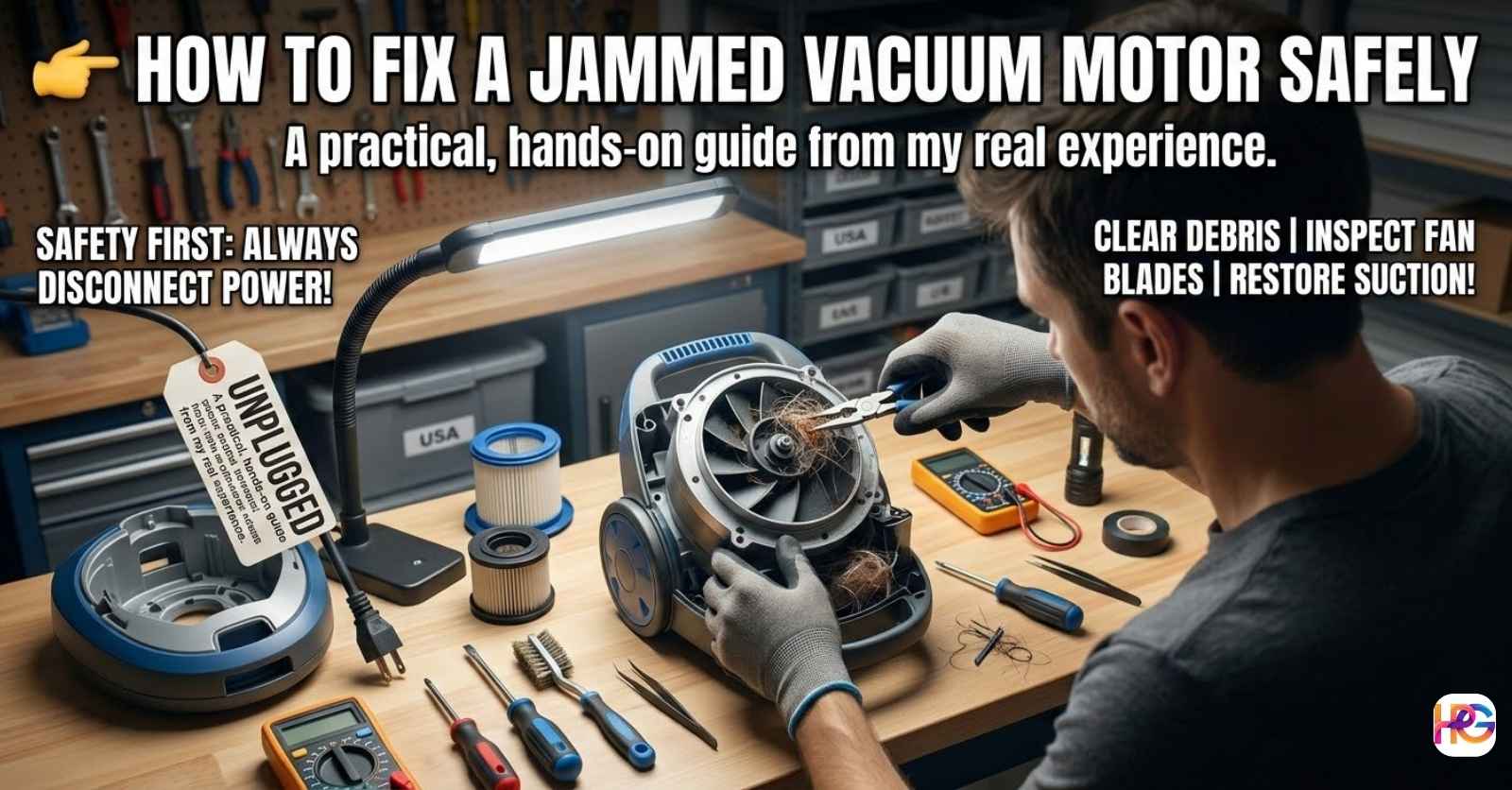
A vacuum needs clear air flow to work well. The spinning bar beats the carpet. This lifts dirt up quickly. Then suction pulls the dust inside. But hair wraps tightly around the cylinder. It acts like a strong rope. The motor works harder to spin the jammed parts. This extra stress creates intense heat. Belts snap under the extreme pressure. Motors burn out entirely. I learned this the hard way last year. My old machine died because I ignored the hair. I had to buy a brand new one. Now, I check my gear often. You really want to avoid motor failure. It costs way too much money.
Tools I Use to Clean Brush Rolls
You do not need fancy gear for this messy job. I used to pull the hair with my bare hands. That was a huge mistake. It hurt my fingers terribly. The flying dust made me sneeze wildly. Now, I keep a small kit ready. I store it right next to my cleaning supplies. Let me show you what works best. I tested a few household items. Some failed completely. Others saved me so much time.
| Tool Name | Speed | Safety Level | My Rating |
| Seam Ripper | Fast | Very High | 10/10 |
| Small Scissors | Medium | High | 8/10 |
| Utility Knife | Fast | Low | 4/10 |
| Bare Hands | Very Slow | High | 1/10 |
As you can see, the seam ripper is my top pick. My wife left one in our kitchen drawer. I grabbed it one day out of pure frustration. It slides right under the thickest hair mats. The tiny blade cuts clean through. It never slices the soft rubber parts. Scissors work okay too. But large kitchen shears are too bulky. They just get stuck in the tight spaces.
Step-by-Step Guide to Removing Hair
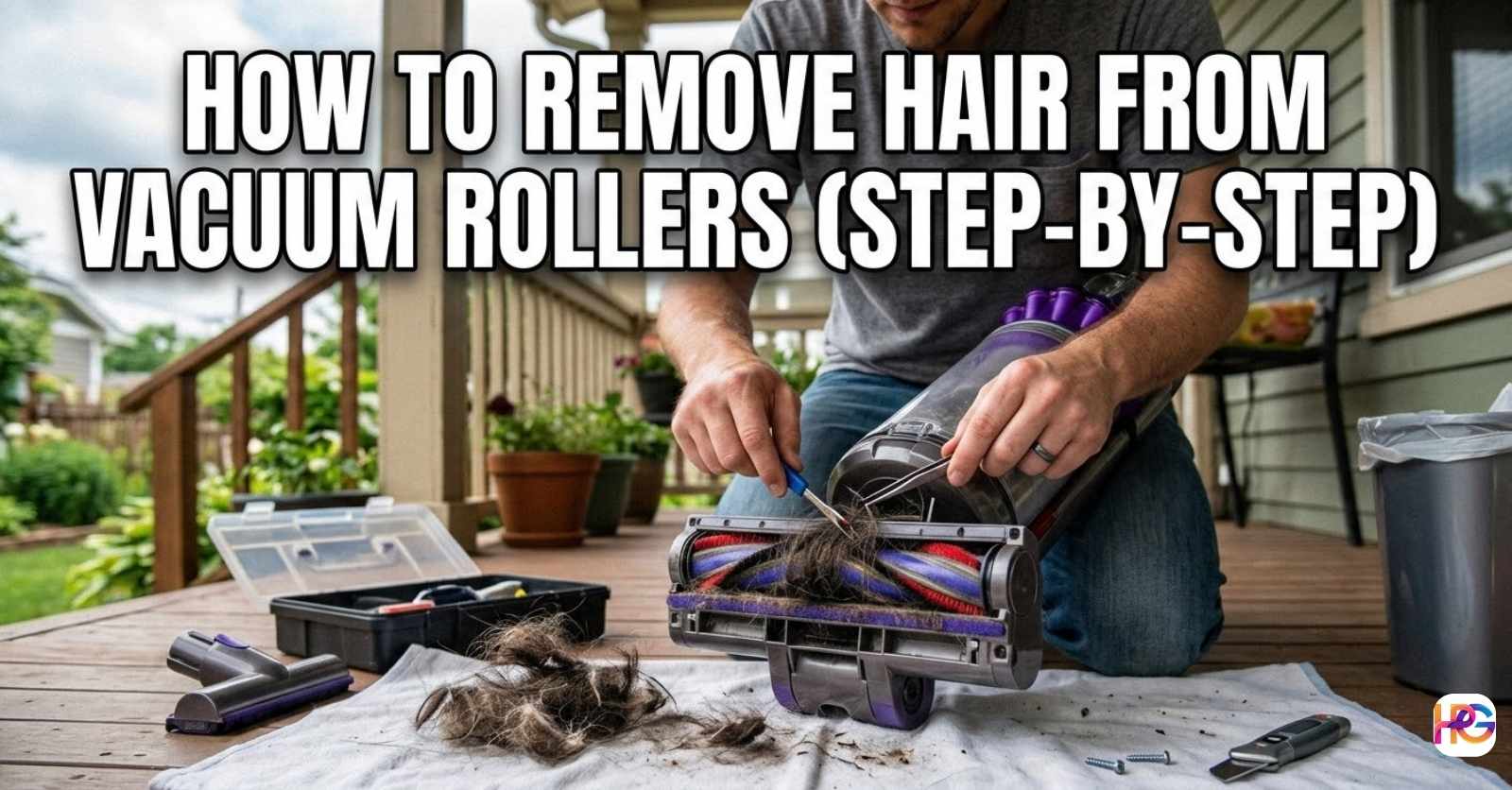
Let us get down to business. You can clear a jammed unit in about ten minutes. I do this out on my back porch. The bright lighting is good out there. Plus, the flying dirt stays outside.
Step 1: Unplug the Machine
Safety always comes first here. Never touch moving parts while they have power. I double check the wall plug every time. If you own a cordless stick model, pop the battery out. I once bumped the power switch on my old cordless unit. The bottom spun and scraped my knuckles badly. Do not repeat my silly error.
Step 2: Take the Base Plate Off
Some models make this step super easy. You just pop a single plastic latch. Other brands require a standard screwdriver. I keep a flathead tool near my hallway closet. Lay the machine flat on the ground. Remove the bottom cover plate carefully. Set the metal screws in a small bowl. I lost a tiny screw in my thick carpet once. It took me an hour to finally find it.
Step 3: Find the Cutting Groove
Look closely at the spinning bar. Good brands mold a bare line across the cylinder. This empty channel is a perfect guide. It shows you exactly where to cut. I slide my seam ripper right into this groove. Then I push it forward gently. The sharp edge slices the mess instantly. If your unit lacks a groove, just go slow. Cut very carefully between the bristle tufts.
Step 4: Pull the Debris Away
Now the fun part begins. The tangled mess is finally cut. You can just peel it off like a thick blanket. I use my hands to grab the large chunks. Dust and dirt will fall out everywhere. Keep a dark trash bag very close to you. Toss the nasty clumps right into the bag. Spin the plastic roller with your hand. Check for any hidden dark spots. Snip any remaining tight strings.
Step 5: Clean the Side Bearings
This is the most critical step. Most people forget about the outer edges. Hair loves to hide near the ends of the bar. It wraps around the tiny metal bearings. This hidden junk stops everything from spinning smoothly. I use metal tweezers to dig in there. I pull out tiny wads of fluff. You will be shocked by how much dirt hides in the sides.
Dealing With Different Floor Types
Every room in my house presents a unique challenge. My kitchen has smooth hard tiles. My bedroom has deep plush carpet. Pet fur behaves differently on these surfaces.
Hair on Hard Floors
Hard floors are actually tricky. Loose fur rolls around like dry tumbleweeds. When you push the machine over it, air pushes the fur away. The spinning brush often scatters the loose dirt. This is highly annoying to me. I learned a neat trick recently. I turn the spinning action completely off. Most good models have a bare floor switch. Suction alone works best here. The mess goes straight up the main tube. Nothing wraps around the bottom bar. It is a brilliant time saver.
Hair on Thick Carpets
Carpets are a totally different story. Threads weave into the floor fibers tight. You must use the spinning action here. The stiff bristles beat the soft rug. They agitate the woven threads deeply. This loosens the trapped dark fur. But this also means the roller catches everything. The daily friction is very high. This is where the tangled mats form fastest. I push over my rugs very slowly. Rushing makes the unit miss the deep dirt. A slow pass gives the suction time to work.
My Maintenance Tips for Pets and Long Hair
My house is a magnet for dust and shedding. I have a long-haired cat. My own hair falls out daily too. Cleaning the floors used to be a nightmare. But I changed my daily routine. I decided to pick better habits. It helps me live smarter and save time. Here is what I do now.
First, I check the bottom every single week. I do not wait for the awful burning smell. A quick check takes one minute. A deep scrub takes much longer. Sniping a few loose hairs is super easy. Dealing with a felted mat is true agony.
Second, I groom my cat frequently. I brush him outside on the warm patio. The wind blows the loose fur away. This means less junk reaches my living room rug. My trusty machine thanks me for this simple step.
Third, I pre-sweep my hard spaces. I never use suction for giant dust bunnies. A dry mop grabs the heavy stuff fast. Then I pull up the fine dirt left behind. This keeps the internal parts incredibly clean.
My Simple Monthly Cleaning Schedule
Consistency is the secret to a tidy home. I used to clean only when things broke down. That was a terrible life strategy. I felt stressed all the time. Now I follow a basic calendar. It keeps my gear running smooth. Here is my exact routine.
| Task Name | Frequency | Time Needed |
| Empty Dust Bin | After Every Use | One Minute |
| Wipe Outer Shell | Once a Week | Two Minutes |
| Snip Loose Hairs | Once a Week | Five Minutes |
| Wash Foam Filters | Once a Month | Ten Minutes |
| Deep Brush Clean | Every Three Months | Fifteen Minutes |
This little schedule changed my life. I taped it inside my utility closet door. It reminds me to stay on track. Washing the foam filters is surprisingly vital. Clogged filters ruin suction just like a jammed roller. I rinse them in my kitchen sink. Warm water and mild dish soap do the trick. I let them air dry for two full days. You must never put a wet filter back inside. It will grow bad mold and smell awful.
Upgrading Your Cleaning Arsenal
Sometimes an old tool just fails. My previous unit was poorly designed. It lacked any anti-tangle features entirely. The stiff parts grabbed everything tight. I spent hours fixing it every month. Eventually, I upgraded to a modern model. I looked for zero-maintenance brush tech.
The new machine has internal combs. These plastic teeth sit right against the bar. As the cylinder spins, the teeth grab the hair. They send the strands straight up into the dustbin. It is pure magic. I still check it sometimes. But I rarely need my seam ripper anymore.
If you are shopping around, look for these features. Ask about common wrapping issues. Read online reviews from pet owners. They will tell you the honest truth. A good design saves you endless frustration.
Troubleshooting Common Roller Problems
Even with great care, things go wrong. Let me share a few extra tips. These are common issues I faced recently.
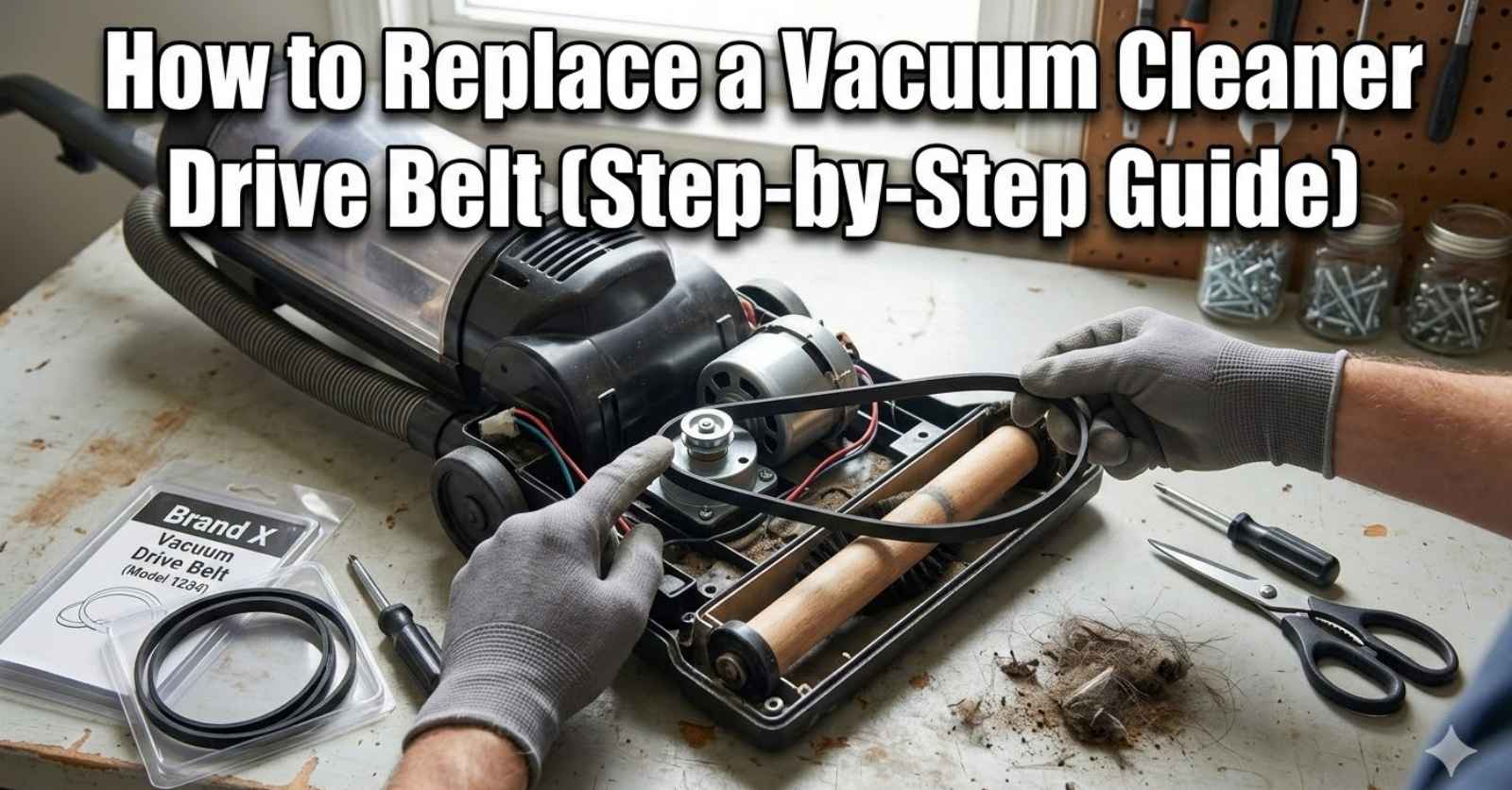
What if the bar still will not spin? You cleaned all the dark hair out. You checked the side bearings. But the cylinder is stuck fast. The main drive belt might be broken. That rubber ring connects the motor to the roller. I snapped one last year. It made a loud pop sound. Replacing it was cheap and easy. I bought a two-pack online for five dollars. I stretched the new rubber over the gears. The machine ran like new again.
What if the brush makes a loud rattling noise? You might have sucked up a hard object. A shiny coin or a small toy can jam the housing. I once found a plastic block wedged inside. It was scraping loudly against the spinning bar. I used metal pliers to yank it out safely. Always check the main air hose too. Clogs in the long tube reduce suction power massively.
Why Good Tools Make Life Better
I write about home gear frequently. My final goal is always clear. I want to pick better items. I want to live smarter every single day. Struggling with bad equipment drains your energy. A well maintained appliance feels light and powerful. Pushing it across the floor becomes satisfying. You can actually see the clean path it leaves behind. It makes the boring chore feel rewarding.
I used to dread vacuuming day. I would sweat and curse at the tangled mess. My lower back would ache from pushing a jammed machine. Now I pop my favorite headphones on. I listen to a fun audio podcast. The weekly work gets done fast. My clean floors look pristine. I highly recommend building your own small cleaning kit. Grab that seam ripper today. Find those metal tweezers. Keep them near the vacuum. You will truly thank yourself later.
Frequently Asked Questions About Vacuum Rollers
How often should I clean my shop vacuum rollers?
Check shop vacuum rollers each month to keep suction high. Heavy dirt and hair wear out the motor fast. This quick task helps you pick better tools and live smarter.
What is the best tool to cut wrapped hair?
A plain seam ripper is the best tool to cut wrapped hair. It slides right under the mess to protect rubber parts. This cheap pick is much safer than a huge utility knife.
Can I use a DeWalt utility knife to clean it?
You can use a DeWalt utility knife, but please be careful. A sharp blade can easily slice the soft base. Cut right along the bare groove to protect your good gear.
Why does my vacuum brush roll stop spinning?
Thick hair wraps tight around the side metal bearings. This jams the spinning parts and strains the drive belt. Pull the dirt out with metal tweezers to get full power back.
Will a hot garage ruin my cordless vacuum?
High summer heat will slowly kill your cordless battery cells. Keep your unit inside the house if your shop gets hot. This easy storage step adds years of great battery life.