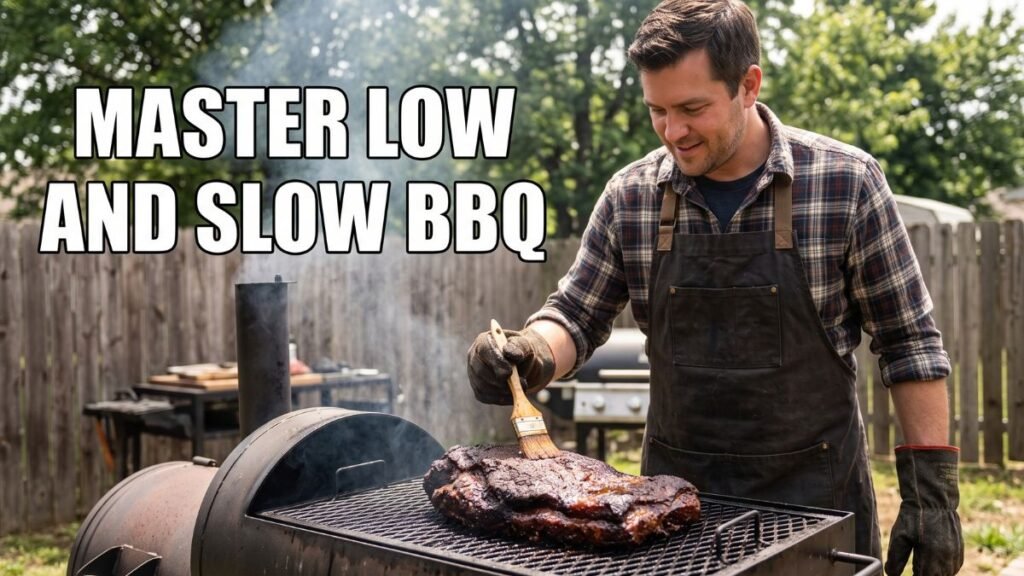
I still remember the first time I tried to smoke a whole brisket. The heat went way too high. In my rush, I hurried through the entire process from start to finish. The result was tough, dry meat that tasted exactly like a leather shoe. It took a few ruined weekends to realize that great barbecue requires serious patience. Mastering low and slow BBQ changed everything for me.
Cooking this way is not just a method. It is a mindset. Today, I want to share what I have learned over years of standing by the smoker. I will share the basics, the best meats to choose, and how to keep your gear in top shape. You can avoid the painful mistakes I made early on.
What exactly is this cooking style?
Cooking at a low temperature for a long time breaks down tough cuts of meat. You keep the smoker between 225 and 250 degrees Fahrenheit. The slow heat melts the tough connective tissue inside the muscle. That tissue slowly turns into rich, soft gelatin. The result is incredibly tender, juicy meat that falls apart with a simple fork. It takes hours, but the deep flavor is worth every minute.
The secret ingredient is the smoke itself. You add chunks of dry hardwood to your hot charcoal. Apple and cherry wood give a mild, sweet flavor. Hickory and oak provide a strong, classic taste. The smoke wraps tightly around the meat. It creates a dark, flavorful crust on the outside. We call this crust the bark. It is easily the best part of the whole meal.
The three main types of barbecue explained
People often get confused about outdoor cooking styles. After visiting different regions and trying countless recipes, I noticed three distinct approaches.
First, you have hot and fast grilling. This means cooking directly over hot coals at 400 degrees or more. This is perfect for quick burgers, steaks, and hot dogs. It gives a fast, crusty sear.
Second, you have true smoking. This relies on indirect heat and wood smoke at very low temperatures. The heat source sits far away from the meat. This is the traditional method for tough cuts.
Third, you have roasting. This happens at medium heat, usually around 300 to 350 degrees. It works incredibly well for whole chickens or big turkeys. You get a nice crispy skin without drying out the white meat. Understanding these distinct differences helps you choose the right tool for the job.
Choosing the best meat for slow cooking
When you spend all day managing a fire, you need the right cut of meat. Lean meats like chicken breasts dry out entirely too fast. You want something with plenty of dense fat and tough tissue.
Pork shoulder is my absolute top pick for any beginner. It is incredibly forgiving on the smoker. Even if your temperature swings a bit, pork shoulder still turns out great. It makes the best pulled pork sandwiches you will ever eat.
Beef brisket is the ultimate test for any outdoor cook. It is tough to master but deeply rewarding. A brisket has a thick fat cap that keeps it moist during a long cook. Getting a brisket right feels like a massive victory.
Pork ribs are another classic choice. They take much less time than a big roast. You can smoke amazing ribs in about six short hours. They soak up a ton of smoke flavor and look beautiful on a serving platter.
Is low and slow BBQ actually healthy?
Since starting my blog, I get this exact question a lot from readers. The honest answer is not a simple yes or no. It really depends on how you prepare your food before it hits the warm grates.
Cooking slowly renders out a massive amount of fat. As the meat cooks for several hours, the fat melts and drips away into the pan. The final product actually becomes much leaner during the cooking process.
However, the sugary rubs and thick sauces change the story. Store-bought sauces add a huge amount of hidden calories and sugar. I stopped using them entirely years ago. Now, I use simple yellow mustard binders. I stick to heavy kosher salt and coarse black pepper rubs. It tastes better and keeps the meal much healthier. You actually taste the meat, not just the sugar.
The reality of the dreaded meat stall
Every beginner eventually hits the meat stall. This happens when the internal meat temperature completely stops rising. It usually gets stuck around 160 degrees. It can stay right there for several agonizing hours. I used to panic and increase the heat. That was a huge mistake.
The stall is simply evaporative cooling in action. The meat sweats. The moisture evaporates and cools the meat down. It is exactly like how sweating cools your own body on a hot summer day. You just have to wait it out calmly.
Sometimes I wrap the meat tightly in pink butcher paper. We call this the Texas Crutch in the cooking world. It traps the moisture inside and pushes the meat through the stall faster. It saves hours of time without ruining the beautiful crust you built.
Managing your time and setting expectations
Cooking outdoors requires a very flexible schedule. You simply cannot rush a good piece of meat. I used to invite guests over for dinner at a strict set time. The meat was never actually ready on time. Everyone ended up eating side dishes and waiting around hungry.
Now, I plan my cooks with a massive time buffer. If I think a pork butt will take eight hours, I plan for ten. The meat can always rest safely in a cooler for several hours. It is much better to have the food finish early. You never want to turn up the heat just to meet a deadline. That ruins the entire cook.
The vital importance of resting your meat
This is the critical step most beginners skip entirely. I used to pull a hot roast off the smoker and slice it immediately. Steam poured out into the air. All the precious juices ran completely out onto my cutting board. The meat tasted dry and stringy.
Meat needs time to relax after a long cook. The muscle fibers are tight from the extreme heat. As the meat cools slowly, those fibers relax. They pull the hot juices back into the very center of the meat.
I wrap my finished brisket in thick bath towels. Next, it goes directly into a dry, empty cooler. From there, I let it rest for at least two full hours. Sometimes I let it rest for four hours. The cooler acts like a warm, insulated oven. The meat stays perfectly hot, but the active cooking completely stops. When you finally slice it, every single piece is dripping with juice. Never skip the resting phase.
Keeping things clean: Stainless steel grill grates
Cooking great food is only half the battle. Cleaning up is the part we all actively hate. I used to neglect my grates. It ruined the flavor of my next meal. Taking proper care of your setup is absolutely crucial for good food.
What is the best way to clean stainless steel grill grates?
Scrape them with a wooden scraper while they are still warm.
Wipe them down with a damp cloth to remove the loose grease.
Do stainless steel grill grates need to be oiled?
Yes, you should oil them lightly before placing food down.
Use a high-heat oil like avocado oil to prevent sticking.
What is the best cleaner for a stainless steel grill?
Simple dish soap and warm water work best for routine cleaning.
A thick paste of baking soda and water works wonders for tough spots.
How to make stainless steel grill grates look new?
Soak them overnight in a tub of warm water and liquid dish soap.
Scrub them gently with a non-abrasive nylon pad the next morning.
Important lessons learned the hard way
I have made nearly every mistake possible over the years. I bought cheap charcoal that smelled exactly like lighter fluid. It ruined the flavor of my expensive meat. Buy natural lump charcoal or high-quality wood briquettes. It makes a massive difference in taste.
I also opened the lid way too often to check the meat. Every time you open the heavy lid, you lose valuable heat. If you are looking, you are not cooking. Keep the lid closed tight. Trust the process.
Buy a good digital meat thermometer today. It takes all the frustrating guesswork out of the equation. You can track the internal temperature right from your phone. Trusting a real thermometer changed my entire cooking game. It gave me ultimate peace of mind. Let the data guide your cook, not your feelings.
Final thoughts on the cooking journey
Learning this craft takes real time and genuine patience. There are no fast shortcuts to perfect bark and tender meat. You will definitely make mistakes along the way. That is just part of the fun. Every single cook teaches you something new and valuable.
The best advice I can give is to start very simple. Buy a cheap pork shoulder. Set your temperatures carefully. Let the wood smoke do the hard work for you. Great food brings family and friends together in the backyard. That is what really matters in the end. Enjoy the long, slow process.
FAQ: Low and Slow BBQ & Grill Care
What is low and slow BBQ?
Low and slow BBQ cooks tough meat on low heat for a long time. This makes the food soft and good. Read on to see how wood smoke gives your beef a great taste.
What meat is best for low and slow BBQ?
Pork and beef cuts work best for low and slow BBQ. They have lots of fat that melts slowly. Check out our guide to see why pork is a great pick for beginners.
Do stainless steel grill grates need oil?
Yes, you should oil stainless steel grill grates. Oil keeps your fresh food from sticking to the pan. Read our tips to find the best hot oils for a great BBQ.
How do I clean stainless steel grill grates?
Warm soap and water clean up all stainless steel grill grates. Scrub the metal rack while it is hot. Look at our fun guide to see how soft soap stops hard dirt.
Why did my low and slow BBQ meat stop cooking?
This is called a meat stall. The meat sweats, which cools it down inside. Do not turn up the heat. Read our post to see how foil wraps fix this fast issue.