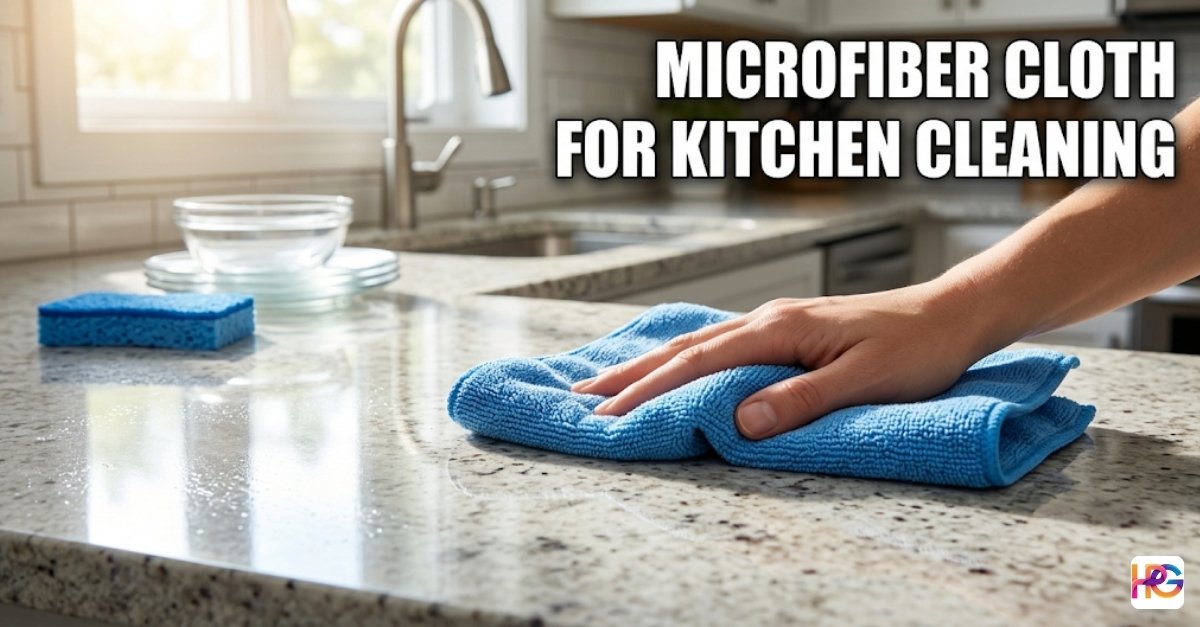
The Best Scratch-Free Sponges and Microfiber Cloth for Kitchen Cleaning
It was a rainy Tuesday afternoon in Portland. I stood at my kitchen sink. I was staring at my favorite vintage Pyrex dish. It was covered in thick and baked-on lasagna cheese. My body felt tired. I just wanted the mess to be gone. I reached under the sink. My hand grabbed a heavy-duty steel wool pad. I scrubbed the glass very hard. The cheese finally came off the dish. But I left deep and ugly scratches all over the clear glass. My heart sank to the floor. That was a tough and expensive lesson for me. I realized right then that I needed better tools. Kitchen cleaning should not ruin the things you love. We all want a clean home. We do not want ruined glassware.
I spent the next few months testing many cleaning pads. I wanted to find the best scratch-free sponges and microfiber cloths for kitchens. Today I am sharing my honest results with you. Let us dive into what works and what fails. We need to pick better tools. This helps us live smarter in our homes. I want to save you from the mistakes I made.
Why Steel Wool Damages Glassware
Glass seems very tough and hard. It is actually quite fragile when it meets certain metals. Think about the Mohs hardness scale for a second. This scale measures how well one material can scratch another. Glass sits around a five on this scale. Steel wool is much harder than glass. It usually scores between six and seven. This means the metal will win every single time. It will cut right into the surface of your dishes.
The Hidden Costs of Harsh Scrubbing
Scrubbing glass with steel wool creates tiny micro-scratches. These marks are very hard to see at first. Over time the glass starts to look cloudy. The smooth surface gets rough and uneven. Food starts to stick even more to the rough spots. Then you have to scrub even harder the next time you wash. It is a terrible cycle to be in. I remember the awful screeching sound the metal made. It sounded like fingernails scraping on a chalkboard. That sound still makes me shiver today. You lose the beauty of your dishes. You also weaken the glass structure. This makes it much more likely to crack in the microwave. We must pick better methods to keep our kitchens safe and pretty.
A Better Way to Clean
We need tools that remove food without removing layers of glass. This means looking for materials that are softer than the glass. Sponges and microfiber are perfect for this job. They use texture instead of raw hardness to clean. They trap the dirt and lift it away. These tools do not grind the grit into the surface. This is the secret to a scratch-free shine. You can clean with peace of mind. Your glass will stay clear and strong for many years.
My Top Recommended Microfiber Cloth Brands
I have tried dozens of microfiber cloths over the years. Many of them are just cheap polyester. They just push water around on the counter. I truly hate that feeling. You wipe a wet counter and it stays wet. I wanted cloths that actually trap dirt. I wanted them to absorb spills instantly. Here are the ones that actually survive my messy kitchen tests. I use these every single day in my own home.
E-Cloth Home Cleaning Set
The E-Cloth set is a huge winner in my house. You only need water to clean with them. This blew my mind when I first tried it. I tested them on a greasy stove top. I had just finished frying a big plate of bacon. The cloth grabbed the grease right up. They have tiny split fibers. These fibers grab bacteria and dirt easily. The downside is they are a bit pricey. You have to view them as a long-term investment. They last a long time if you treat them well.
MR. SIGA Microfiber Cloths
Another great option is MR. SIGA. These are much cheaper than the premium brands. They are very plush and soft to the touch. I use them mostly for dusting shelves. They are also great for drying clean dishes. They do get a little less soft after fifty washes. I usually move my old ones to the garage. They work well for cleaning the car or tools. They are a great budget choice for any home.
Zwilling Cleaning Cloths
I also tested the Zwilling cloths. They look very nice hanging on the oven handle. These cloths absorb giant liquid spills very fast. I dropped a whole glass of milk once. One cloth soaked almost all of it up. However they take a long time to dry out. A damp cloth can get a sour smell quickly. You have to hang them in a breezy spot. They are thick and feel very high-quality in your hand.
Comparing the Top Cloths
| Brand | Best Feature | Biggest Flaw | Ideal Use |
| E-Cloth | Cleans with water | High cost | Greasy stove tops |
| MR. SIGA | Soft and cheap | Wears out faster | Dusting and drying |
| Zwilling | Very absorbent | Slow to dry | Big liquid spills |
Finding the Best Non-Abrasive Sponges
Microfiber is amazing for wiping and dusting. Sometimes you just need a sponge for stuck-on food. You need something with a strong texture. But it cannot be hard enough to scratch glass. This is a very delicate balance to find. I learned this the hard way with a cheap green scrub pad. It completely ruined a set of drinking glasses. They were a gift from a friend. I felt so bad about it.
Why I Trust Scrub Daddy
The Scrub Daddy is famous for a good reason. I thought it was just a silly gimmick. I bought a smiling yellow sponge one day. It changes texture based on the water temperature. Cold water makes it very firm for tough scrubbing. Warm water makes it soft and squishy. I used cold water on dried oatmeal. It took the hard oatmeal right off my glass bowl. It did not leave a single scratch behind. They also almost never smell bad. I have left one in the sink for days. It still smelled totally fine. This is a huge win for any kitchen.
The Blue Scotch-Brite Difference
Another wonderful tool is the Scotch-Brite Non-Scratch Scrub Sponge. These are the bright blue ones. Do not ever buy the dark green ones for your glass. The green ones have minerals that will scratch. The blue ones are totally safe for Pyrex. They have a nice wavy shape that fits comfortably in my palm, and they handle melted cheese exceptionally well.
The scrubby side wears out pretty fast though. I usually have to replace them every three weeks. They are easy to find at any grocery store.
Caring for Your Cleaning Tools
Buying good cloths is only step one. You really have to take care of them. If you wash them wrong they are ruined. I once washed my best cloths with fluffy towels. I even used liquid fabric softener. That was a huge mistake. The cloths came out feeling slimy and greasy. They stopped soaking up water completely. I had to throw them away.
Laundering Microfiber Right
Microfiber works because the tiny fibers are split open. Dirt and water get trapped inside those spaces. Fabric softener clogs those spaces up. Heat also melts the plastic fibers together. You have to be very careful in the laundry room. Always wash your cleaning cloths separate from cotton items. Cotton leaves lint dust everywhere. The microfiber will grab the lint and hold onto it. It makes the cloth less effective for cleaning glass.
Sponge Sanitizing and Storage
Rinse your sponges with hot water after every use. Squeeze them as dry as you possibly can. Leaving them soaking wet invites mold. You want to keep your kitchen healthy. A smelly sponge is not a good thing. I usually pop my damp sponges in the microwave. I run it for one minute once a week. This kills most of the bad germs quickly. Just make sure the sponge is wet first. A dry sponge will catch on fire. Thick smoke filled my kitchen when I tried that once. Always check your tools before you heat them up. If a cloth starts to smell bad just toss it.
Laundry Care Quick Guide
| Care Step | What to Do | What to Avoid |
| Soap | Use liquid soap | No powder soap |
| Softener | Use white vinegar | No fabric softener |
| Drying | Use low heat | No high heat |
| Sorting | Wash alone | No cotton towels |
Final Cleaning Thoughts
We spend a lot of money on good glassware. We buy nice baking dishes for our families. It makes no sense to destroy them. Cheap and harsh scrubbers are not worth it. Choosing the right tools makes cleaning go fast. It also protects your kitchen for years. Try switching out your old metal steel wool. Look for a good non-scratch sponge instead. Grab a few high-quality microfiber cloths. Your delicate dishes will thank you. Your tired hands will thank you too. Keeping a home kitchen clean is a daily chore. Having the right gear just makes it easier. It makes life in the kitchen a lot more fun.
Tool Focused FAQ
Can I use a Scrub Daddy on a hot glass stove?
You should let the glass cool down first. The heat can melt the plastic foam. It works best on a surface that is cool to the touch.
Why does my microfiber cloth feel sticky after washing?
You likely used too much soap or fabric softener. These coat the tiny fibers and block them. Wash them again with only warm water and vinegar.
Is it safe to use blue sponges on non-stick pans?
Yes, the blue Scotch-Brite pads are safe for coatings. They lift food without peeling the finish. This helps your pans last much longer.
How do I know if a sponge will scratch my glass?
Test a small spot on the bottom first. If you hear a loud scraping sound, stop. Soft tools should glide quietly across the surface.
Can I wash my E-Cloths with regular bleach?
Do not use bleach on high-quality microfiber. It will break down the fibers very fast. Stick to simple liquid soap to keep them strong.