My Battle With BBQ Regulator Freezing and How I Fixed It
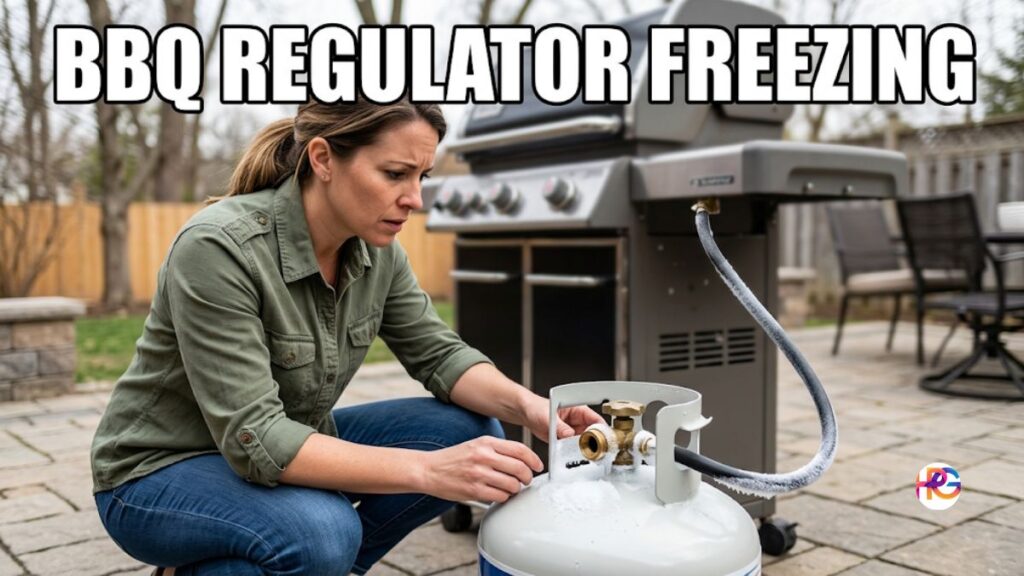
I love a good weekend cookout. Grilling is my favorite way to make dinner. The smell of smoke makes my mouth water. Last month, my dinner plans hit a wall. I faced a very weird problem. My grill just stopped getting hot. I looked down under the side table. The metal part of the gas hose had white ice all over it. This is known as BBQ regulator freezing. It scared me a bit at first. I thought my heavy tank might explode right there.
You might have seen this happen too. Frost covers the brass fittings on your grill. The bright flames turn small and yellow. Food takes forever to cook. It ruins a fun backyard party. Today, I want to share my personal story. We will look at why this happens. Then I will show you exactly how to fix it. You do not need to be a repair pro. Basic steps will get you cooking again safely.
A Chilly Evening in Denver
It was a cool Saturday night in Denver. The sun was hiding behind the big mountains. Air temperatures dropped fast as the dark set in. I had friends coming over for a meal. Thick steaks were resting on my kitchen counter. I walked out to the patio to start the fire. All the plastic burner knobs went up to high heat. The grill needed to get very hot for a good sear.
Ten minutes passed quickly. I checked the temperature gauge on the heavy lid. It barely read two hundred degrees. Something was definitely wrong with the setup. I opened the lid to look at the fire. The flames looked weak and sad. They were sputtering a dull yellow color. Normally, they roar with a bright blue color.
I bent down to tap the metal gas gauge. That is when I saw the solid ice buildup. The brass piece near the tank was a block of frost. Even the black rubber hose felt stiff and freezing. The air outside was cool, but not freezing at all. Yet, this part looked exactly like a snowball. I had to find out what caused this mess. I also needed a quick fix to save my party.
What Causes BBQ Regulator Freezing?
I spent some time reading to understand this issue. It comes down to simple physics and heat loss. Propane lives inside your heavy tank as a liquid. It stays under a large amount of pressure. When you open the valve, it wants to escape quickly. The liquid turns into a gas to move out.
This change takes a huge amount of energy. Energy in this case means heat from the air. The moving gas pulls heat from the metal walls. It pulls heat directly from the valve body. The metal gets super cold in just a few minutes. If you run the grill on high, lots of gas moves. More gas moving means the metal gets even colder.
Why Humidity Makes It Worse
Water always floats invisibly in the air around us. We call this unseen water vapor humidity. Warm and wet air hits the freezing cold metal part. The water droplets stick directly to the cold surface. They freeze quickly and turn into solid white frost. Soon, you have a huge block of ice forming. This causes the BBQ regulator freezing problem. It stops the gas from flowing well.
Why the Safety Lock Causes Trouble
Modern grills have a smart safety feature. It sits right inside the metal valve area. This tiny device protects you from huge gas leaks. If your hose gets cut, gas rushes out. The lock senses this and snaps shut instantly.
However, it can be easily tricked. Turning your tank open fast sends a huge gas rush. The safety lock thinks a hose just broke. It moves to block most of the gas flow. Only a tiny trickle of fuel gets through.
When this happens, the pressure drops wildly. A sharp pressure drop means a significant heat drop. This makes the BBQ regulator freezing happen much faster. You are demanding fuel, but the lock says no. The trapped gas just freezes the metal solid.
My Real Life Data on Freezing
I started tracking my own backyard cooking habits. I wanted to see when the ice grew fastest. Some days were totally fine with no issues. Other days turned into a frustrating frozen mess. Here is what I found during my tests. I put my notes into a simple table.
| Weather Type | Tank Level | Burner Setting | Did It Freeze? |
| Hot and Dry | Full | Medium | No |
| Cold and Wet | Half | High | Yes, fast |
| Warm and Humid | Low | High | Yes, slowly |
| Cold and Dry | Empty | High | Yes, very fast |
This clear data taught me three main things. Low tanks give you a lot of trouble. There is less liquid inside to share the coldness. High heat settings make the whole problem much worse. The gas rushes out way too fast. Humid days add extra water drops to the air. More water means much more ice on your gear.
How to Fix a Frozen Regulator
Seeing ice on gas parts feels very scary. You must stay calm and think clearly. Do not do anything reckless or unpredictable. You can solve this safely in a few minutes. Here are the exact steps I use every time.
Step 1: Shut It All Down Fast
Safety must come first every single time. I reach under the grill right away. I turn all the plastic burner knobs off. Then I close the main tank valve securely. I twist it tight, moving my hand to the right. The gas flow must stop entirely. This stops the whole freezing process instantly.
Step 2: Let Nature Do the Work
This step requires some real patience. You just have to wait it out. I usually sit back and grab a cold drink. Nature needs to melt the solid ice slowly. Do not try to rush this step at all. Never use a hot lighter to melt the frost. Never pour boiling water over the cold metal. Sudden heat ruins the soft rubber parts inside. You will break the whole device doing that. Just let the warm air melt it away.
Step 3: The Soapy Water Test
Sometimes a tiny leak causes the fast freezing. A leak means your gas flows out all the time. I mix plain dish soap with water in a cup, brush the solution over the metal joints, and then watch the coated areas closely for any changes. If tiny bubbles grow larger, there is a leak. A leak means you must replace the bad part. If no bubbles show up, I am good to go.
Comparing Good and Bad Fixes
I learned the hard way that some tricks fail. People on the internet often give awful advice. Some quick fixes create huge fire dangers. Here is a chart comparing what works and fails.
| What You Try | Does It Work? | Is It Safe? |
| Waiting for natural warm air | Yes | Very Safe |
| Pouring boiling water | No | Breaks rubber |
| Tapping hard with a hammer | No | Causes leaks |
| Resetting the safety valve | Yes | Very Safe |
| Using an electric heat gun | No | Fire risk |
Stick to the known safe methods. Grilling should always be fun and relaxing. It should never put your home at risk.
Can I Prevent Freezing in the Winter?
Many people love to cook outside all year. Winter weather makes freezing a much bigger risk. The outside air is already very cold. Your gas tank starts chilled to the bone.
You must take extra steps in cold months. Keep your spare tanks in a warm garage. Never store gas tanks inside your house, though. Bring a warm tank out right before you cook. This gives you a nice thermal head start.
Block the cold wind from hitting your grill. Wind pulls heat away from the metal fast. A simple windbreak keeps the valve much warmer. Just keep anything away from the hot flames. These winter steps will stop the ice from forming.
How to Stop It Before It Starts
Fixing the thick ice is really annoying. Stopping it from showing up is much better. I learned to use a few smart habits now. They keep my grill running hot all year long.
Keep Your Gas Tank Full
A low tank gets super cold much faster. The heavy liquid inside acts like a heat sink. More liquid means much more stable temperatures. I always check my tank before big parties. I keep a full spare tank nearby just in case. This prevents running out during a cook. It also prevents sudden freezing issues.
Open the Valve Slowly
This tiny trick changed my grilling life. Now, I open the heavy tank valve very slowly, turning it just a little at first and allowing the gas to ease gradually into the hose. Opening it too fast trips the tiny safety lock. It drops the internal temperature way too fast. A nice, slow turn keeps the flow very steady.
Do Not Use High Heat Always
I used to run all my burners on high. I thought more fire meant better cooking. Now I manage my fire much smarter. I turn one single burner high for searing meat. I keep the other burners on low or medium. This slows down the massive gas flow out. The metal stays much warmer using this trick.
When to Give Up and Buy a New One
Sometimes, the metal part is just totally broken. I tried all my best tricks one afternoon. The big grill still would not get hot enough. The flames stayed very tiny and sad yellow. Thick ice kept coming back over and over.
I realized the rubber inside was likely torn. The tiny spring was probably jammed tightly. I drove straight to the local hardware store. I bought a brand new hose and valve set. It cost me just about twenty US dollars.
I screwed the shiny new one onto the grill. It worked perfectly right away on the first try. Small parts just wear out over time. Sitting outside in the rain and sun breaks them down. Do not be afraid to just buy new gear.
Final Thoughts on Grill Safety
BBQ regulator freezing is a huge pain. It ruined my Denver steak night at first. But knowing the exact cause helps a ton. It is truly just basic science at work. Cold gas rushing through metal makes ice.
Now you know the early signs to watch for. You know the simple steps to fix it safely. Always slow down your initial gas flow. Keep your heavy tanks full of fuel. Wait patiently when white ice forms.
Grilling is all about taking your time. Enjoy the fun process of cooking outside. Share good food with your close friends. Do not let a little frost ruin your big weekend. Stay completely safe and keep those grates hot.
Frequently Asked Questions
Why does my gas grill regulator freeze up?
Liquid propane turns into gas inside your tank. This rapid expansion pulls heat away and makes the metal cold. Humid air then hits the cold part and turns into solid ice.
Is a frozen propane regulator dangerous to use?
Yes, ice can jam the internal safety valves. This leads to erratic gas pressure, weak flames, or dangerous fuel leaks. Turn off the gas tank immediately and let it thaw.
Can I use a hair dryer to thaw my BBQ regulator?
Do not use direct electric heat on gas parts. Rapidly heating the metal can crack the delicate rubber parts inside. Let the warm outside air melt the ice naturally.
How do I reset my propane tank safety valve?
Close the main tank valve and unhook the black hose. Wait thirty seconds for the pressure to equalize. Reconnect the parts and slowly twist the main valve open again.
When should I replace my grill regulator?
Replace it if it freezes on warm days or leaks gas. If your burner flames stay tiny and yellow, the internal spring is broken. A new hose kit is cheap and keeps you safe.