How to Dispose of Small Green Propane Tanks the Right Way
A Cold Start in the Woods
It was a cold day last fall. We slept in the deep woods for the week. My hands shook from the chill in the air. I just aimed to make some hot tea.
I grabbed my small metal fuel tank. Next, I hooked it up to my camp stove. A quick turn of the knob started the fire. A weak blue flame burned for ten ticks.
Then the fire died out for good. The gas inside was all used up. I took the cold steel tank off the stove. I tossed it in a pile in my truck.
By the end of our trip, four cans sat there. They rolled around in the back of my truck. The long drive home gave me time to think. I had to make a smart plan for this waste.
Why You Need to Care About the Trash
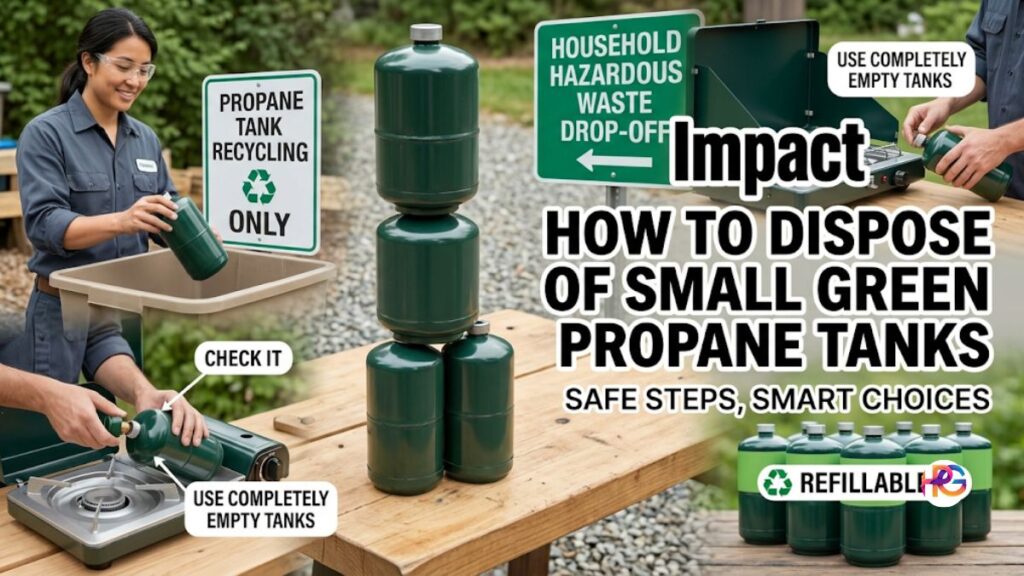
Learning how to dispose of small green propane tanks is key. I aimed to do it the exact right way. Breaking the local trash rules was not a choice. I care a lot about keeping my town clean.
I used to buy these cans all the time. You can find them at most gas stations. They cost only a few dollars each and provide hours of reliable cooking fuel, making them one of the most useful tools to bring on a camping trip.
But the fun fades fast when the trip ends. You are left with thick metal trash to sort. I looked at the pile in my garage and frowned.
We go to the woods to bask in pure nature. Leaving a trail of rust and trash felt quite bad. I chose right then to look up the right steps. The clear facts I found gave me a big shock.
The Hidden Risk Inside the Metal Can
Dealing with old fuel cans is a big pain. Guessing what to do with them is even worse. I looked on the web and saw bad tips. Some folks said to just throw them in the bin.
Other folks warned of big fees and fines. I dug down deep to find the real truth. The rules keep us safe for a good cause. These green cans hold a lot of unseen risk.
You might think you can just toss them out. I thought the exact same thing at the start. They look like plain tin cans on a store rack. But they are tough shells built for high stress.
Even when your stove stops, a risk lives on. A tiny bit of gas stays hidden deep inside. The push inside drops too low to force it out. If you put them in your home bin, sparks fly.
The Big Threat to Waste Trucks
A big trash truck crushes thick metal with ease. That harsh crush causes a huge spike in stress. The leftover gas can catch fire in a flash. It can blow up right inside the deep truck bed.
This is a huge threat to the town trash crew. I read a bad news post about this on the web. A waste truck caught on fire this exact way. The man had to dump hot trash on the street.
That bad news clip cured me of my lazy plans. I knew I had to find a truly safe path. We owe it to our local crew to act smart. They work hard all week to keep our streets neat.
Step One Is to Make Sure It Is Empty
You can not take a half-full tank to a site. You must burn off each last drop of gas. Do not poke the top part with a sharp tool. That lets raw gas leak straight to the air.
It smells bad, like old, spoiled eggs. It also brings a huge risk of a big fire. Hook the tank back up to your camp stove. Do this out in the fresh wind of your yard.
Turn the heat knob all the way up to high. Let the stove run flat out for a good while. Watch the fire till it fades out on its own. Now the tank is safe to pack up and move.
I tried to poke the valve one time years ago. I thought it would be a fast trick to use. A loud hiss shocked me right on the spot. Cold, wet spray hit my thumb and stung my skin.
Learn From My Past Bad Choice
It was a weak and unsafe move to make. Now I strictly use the safe stove way out back. I watch the bright flame jump and fade out. Only then is the tank truly clear of gas.
You still must not put it in your blue bin. The line that sorts glass can not deal with it. They will send your bin back or fine you cash. You have to take it to a drop-off zone.
Finding the Right Drop Spot
Finding a place to dump these took some pure work. I placed calls to my local town hall desks. I live just outside a big, busy city block. Our town waste rules are quite tough to beat.
I learned that these cans count as bad waste. You must take them to a safe, locked yard. They deal with all the bad items there. It keeps the normal dump safe from a big blast.
Some big gear stores used to take them back. I called three large shops close to my house. None of them does that good deed down here now. That sad fact got me mad for a brief bit.
At last, I checked my town’s web page for help. I found a great post on drop-off days. They run a site that is open each clear Saturday. I made a firm plan to go next week.
Easy Drop Off Choices and Their Costs
| Drop Off Type | Do They Take It? | What Is The Cost? |
| Bad Waste Site | Yes | Free To Drop |
| Scrap Metal Yard | Check First | Free To Drop |
| State Park Dump | Check First | Free To Drop |
| Home Recycle Bin | No Way | High City Fine |
My Short Trip to the Safe Waste Yard
I woke up early on a sunny morning, loaded the empty steel canisters into my car, and headed to the local waste facility. A long line of cars sat at the main gate.
Folks brought old house paint and dead car parts. Some guys had jugs of dirty black oil to dump. The line moved much quicker than I thought it would. I felt a bit tense for no real clear cause.
When I pulled up to the front, a guy waved. He wore a bright vest and thick hide gloves. I passed him my brown box of green steel cans. He gave a nod and took the box from my hands.
He placed them with care in a large wire pen. The whole step took just ten short ticks of time. It felt grand to at last do the right thing. It gave my mind a deep sense of calm peace.
The drive home felt rewarding. Knowing I had helped keep my neighborhood safer and prevented hazardous waste from ending up in the landfill gave me a real sense of satisfaction. It was well worth the short drive that bright morn.
Looking for Better Camp Gear to Use
Dealing with all that odd trash made me think hard. I love to camp out in the wild green woods. I hate to make piles of bad trash to throw out. Buying a new steel can make each trip too steep.
It makes a big heap of hard waste in the end. I sought out smart ways to cook out in the trees. There are two main ways to solve this bad snag. You can buy a thick black hose to bridge the gap.
Or you can buy a smart can made to fill up. Both good tips save you hard cash down the long road. They save you a long drive to the town dump site. Let me share what I learned on this neat quest.
Upgrading Your Camp Chef Tools
I bought a tough hose on the web for a score. This long hose lets you hook up a small stove. You link it to a huge white home grill tank. I brought my big tank on our next road trip.
It worked like a charm the whole time we camped. We cooked thick pork, fresh eggs, and hot, rich stews. We ate like kings for three full long days. The gas push stayed strong and did not drop once.
The big tank is quite hard to lift and move. Taking it takes up a ton of space in the car trunk. This large item is a grand pick for a basic car camping trip. But it is a bad pick if you hike deep in the woods.
Testing Out Cans That Fill Back Up
Next, I tried a brand new can meant to fill up. You buy the thick shell just once in your life. Then you buy a brass kit to link the two tanks. It feels strong and built to last a long time.
You hook the small can to your big home tank. You flip the large white tank all the way upside down. The cold, wet gas flows right down to the small can. I tried this with great care in my wide driveway.
It was a tad tense on my very first tryout. You must wear thick work gloves to keep your hands safe. You must do it out in the fresh, clear wind. Do not try to fill it in a closed shed or barn.
Once you grasp the trick, it is a breeze to do. The small tank gets full in just one short tick. You pop it off, and you are set for the woods. It is my top new tool for a long camping trip.
The True Cost of a Quick Fix Buy
We buy cheap things right when we want a fast fix. Those small green cans sit right by the store door. They catch your eye when you grab ice and chips. They cost five bucks right at the cash desk till.
That feels quite cheap in the fast rush of the trip. But the harsh true cost hides at the end of the line. The town pays real cash to deal with our bad trash. That cash flows out from our hard-won tax funds.
The thick steel takes a huge amount of heat to melt down to scrap. Each step in the chain has a dark cost to bear. We pay for the cheap ease of a throw-away item. I want to break out of that bad trap right now.
Finding how to pitch these things out right helped me out. It changed how I view all my Bright Camp tools. I look for gear that will stand the test of time. Shaking off old ways takes work and a strong will.
Building Better Traits for the Woods
I still make unwise slips from time to time on trips. Last warm month, I left my neat fill can at home. It sat on my wooden bench while I drove far off. Eventually, I had no choice but to buy an inexpensive green replacement while traveling.
As I stopped at a small shop in a dry red-rock town and picked up the canister, I felt a slight pang of guilt holding it in my hands. But I made sure to bring it back to my house. It rode empty in the bed of my dusty gray truck.
I drove it straight to the town waste site quite fast. The next week, I made sure to drop it off. I did not let it sit in the dark and gain red rust. Doing the right deed gets a lot less hard with time.
Wrapping Up My Gas Tank Trip
Getting rid of these small gas cans the right way counts. It keeps the hard-working trash crew safe from harm and fire. It keeps our town parks pure and green for all to see. Do not put them in your home trash sack at all.
Do not toss them in your blue glass bin on the curb. Check your local town waste web page to find the facts. Find out when they take hard waste from the good folks. They will take care of the tough work for you with ease.
Or you can try to shift to a much grander smart plan. Cans that fill up are a top-tier smart gear choice. Long hoses are a wise bet for a big cookout. They will shift how you cook out in the wild woods.
You will save hard cash and feel very glad in your heart. Your trash pile will shrink down to size on the next trip. I hope my short tale helps you out on your path. The deep woods are grand spots we all must keep safe.
Stay quite safe out there on your next long hike. Keep your gear clean and tread lightly on the dirt paths. Breathe deep the fresh air and watch the bright, warm sparks. Small smart shifts make a huge splash down the long road.
Frequently Asked Questions
Can you refill a standard green Coleman propane tank?
Standard green Coleman tanks are made for single use only. Trying to refill them can damage the valve and cause dangerous leaks in your workshop. A heavy-duty refillable tank is a much safer bet.
Why do green propane cylinders leak in cold garage storage?
Cold temperatures cause the rubber seals inside the valve to shrink and crack. This creates a slow gas leak that builds up risk in an enclosed shed. It is best to store them in a well-vented area.
Can you scrap empty 1lb propane tanks for metal cash?
Most scrap yards will reject these tanks due to safety and blast risks. They only take them if you puncture the shell, which requires special tools. A city hazardous waste site is your best drop-off option.
Is it safe to leave small propane tanks in a hot truck bed?
High heat causes the gas pressure inside the steel cylinder to rise to unsafe levels. The tank relief valve might open and vent raw fuel right into your vehicle. Keep them out of direct summer sun.
Do brass propane adapter hoses reduce stove flame power?
A quality brass adapter hose maintains full gas pressure for your camp stove. It connects a large home tank to a small gear without losing heat or flame strength. It saves a lot of fuel over time.