Why is it hard to pick the best meat for your grill? Most people waste money. They buy a costly steak, but it turns into a dry, burned mess. Or, they buy cheap, tough beef. They think it will cook fast. Instead, they get meat they cannot chew. Picking the wrong meat for your grill ruins a fun weekend.
Quick Answer: The Best Cuts to Grill
Here is the fast guide to the butcher shop:
- Best Overall: Ribeye. It has lots of fat. It tastes great.
- Best Budget: Flank Steak. It cooks fast. It feeds a big group. It holds wet rubs well.
- Best Premium: New York Strip. It is tender. It has a great beef taste. The fat is easy to manage.
- Best for Pork: Thick Bone-In Pork Chop. It is a great choice if you do not want beef. It handles smoke and high heat well.
Product Comparison: Cuts Head-to-Head
The Ribeye
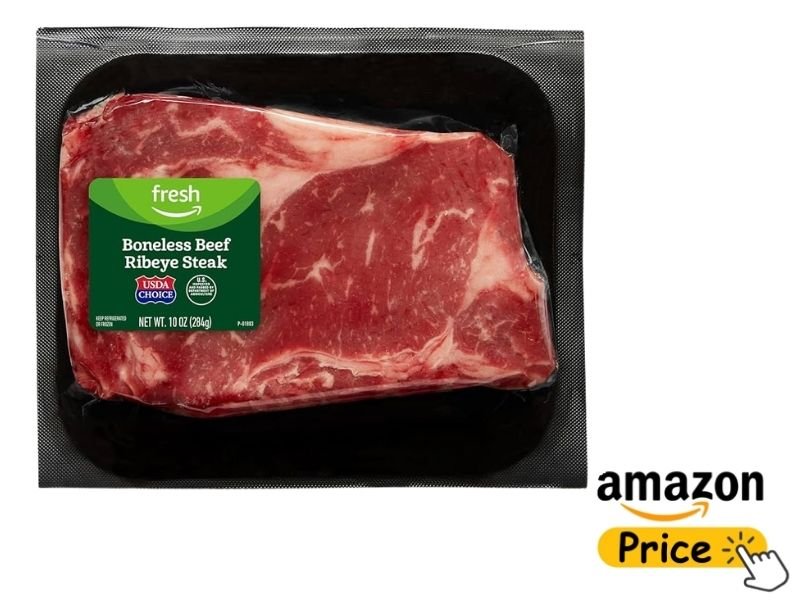
The ribeye is the king of the grill. But you must watch it. It is best to have a hot sear first. Then, you cook it slowly. It does well when you want a rich, dark crust.
But it causes grill fires. It has lots of fat inside. That fat melts and drops on the flames. If you do not move the meat, you will get a black, bitter steak.
Key Details:
- Size: Buy it one and a half inches thick. Thin cuts cook too fast.
- How it works: The cap of the cut is the softest and tastiest part.
- Ease of use: Fair. It stays juicy, but you must watch for fires.
| Pros | Cons |
| Fat inside the meat keeps it juicy as it cooks. | High fat causes big fires on the grill grate. |
| It stays soft even if you cook it a bit too long. | The high price makes it a bad choice if you mess up. |
| It gets the best crust because of all the fat. | Some people do not like big bites of soft fat. |
The New York Strip
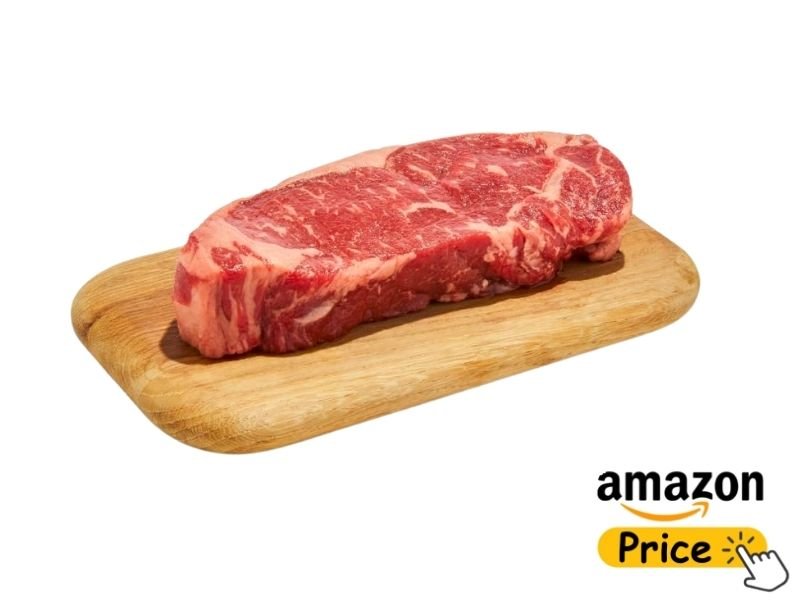
This is a great steak. This cut is an excellent choice if you want a clean, beefy flavor. Although it is leaner than a ribeye, it performs especially well over a very hot grill. The fat sits on one edge. It does not spread deep through the meat.
But it dries out fast. It is leaner. The time between a perfect pink center and a dry gray rock is very short. You need a heat probe.
Key Details:
- Size: One to one and a half inches thick is best.
- How it works: Look for a thick, firm white fat cap on one side.
- Ease of use: High. Just watch the heat. Grill fires are rare.
| Pros | Cons |
| Easy to trim and cut. It has no huge chunks of hard fat. | Dries out very fast if you cook it past a pink center. |
| Firm meat makes it easy to grab and flip on the grill. | The fat strip can make the meat curl up on the grate. |
| Gives a huge beef taste but does not feel too greasy. | Not as safe as ribeye. You must watch the clock. |
Flank Steak
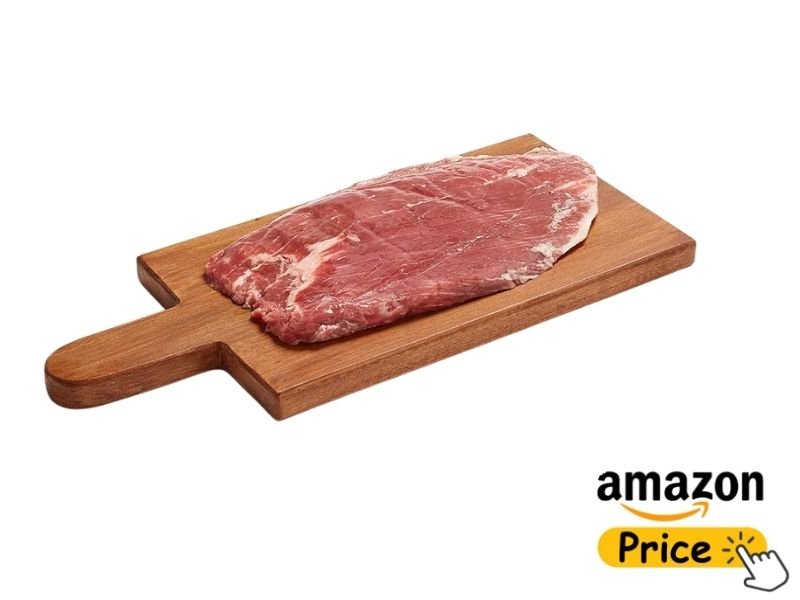
This is a huge, flat cut from the belly. Unlike a traditional steak, this cut is ideal for feeding a crowd and works beautifully in tacos, salads, or sandwiches. For the best results, cook it quickly over high heat.
But it can look bad if you cut it wrong. You must cut across the grain. If you cut along the lines, it feels like chewing on a rubber band.
Key Details:
- Size: Half an inch to one inch thick.
- How it works: Soaks up wet rubs very well. It has loose meat fibers.
- Ease of use: Low for prep. You must soak it and cut it right. Fast to cook.
| Pros | Cons |
| Cooks very fast. Five minutes per side is all you need. | Turns into a tough rubber band if you cook it too long. |
| Saves you money. One big piece feeds five or six friends. | Ends are thin, and the middle is thick. It cooks unevenly. |
| Soaks up wet flavor rubs better than any other beef cut. | You must let it rest. You must slice it the right way. |
Thick-Cut Bone-In Pork Chop
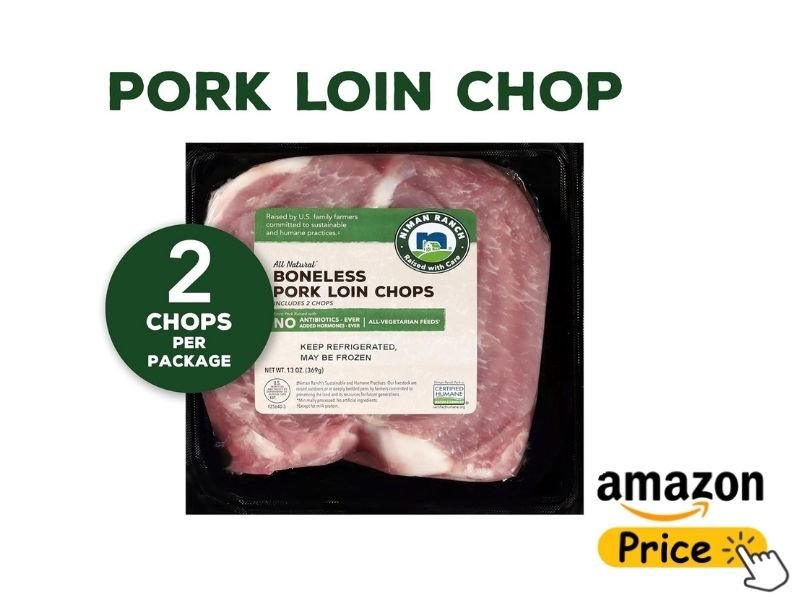
Beef rules the grill, but pork is great too. Use this when you want a break from beef. It is best if you want to use a sweet rub. Sweet rubs can ruin a steak. It works well if you have a hot side and a cool side on your grill.
But it can dry out fast. Modern pork is very lean. It lacks fat. If you blast it on a fire for a long time, it will taste like dry wood.
Key Details:
- Size: Must be one and a half inches thick.
- How it works: The bone keeps the meat moist. It slows down the heat.
- Ease of use: Fair. You should soak it in salt water first.
| Pros | Cons |
| The bone acts as a shield. It helps the meat cook evenly. | Lean meat dries out in minutes over a very hot fire. |
| Costs much less than premium beef of the same weight. | You need a slow zone to stop the outside from burning. |
| Soaks up salt baths well. This gives you a very juicy bite. | Needs a strict rest time. Or else, juices will flood the plate. |
Testing and Research Facts
How do we know what works? We look past the neat ads. We look at real life. A grill is hot, dry, and rough.
Our testing focuses on how each cut performs over direct flames, responds to high heat, and changes after resting. Rather than relying on vague descriptions, we base our recommendations on real cooking results. How does the fat melt? What happens if you make a mistake?
Performance Comparison (Key Insights)
When you compare these cuts, you see clear facts.
- How They Cook: The ribeye wins for the best crust. The fat fries the outside of the steak. The flank steak rarely gets a hard crust. It cooks too fast.
- Ease of Use: The strip is the easiest normal steak. It is neat. The fat is in one spot. You can cook it without starting a huge fire.
- Trust: Flank steak is great for crowds. You slice it first. If one end is gray and the middle is pink, you just share it out right.
- Value: Pork and flank win here. Good beef costs too much now. A costly steak feels stressful to cook.
Time, Effort, and Daily Use
Grilling is not just the ten minutes on the fire. You must think of all the work.
- Setup: Flank and pork need time. Flank needs hours in a wet rub. Pork needs a salt bath. Ribeyes and strips need zero prep. Just add salt and cook.
- Learning: The ribeye is hard to learn. You must dodge huge flames. The strip makes you learn to use a heat probe well.
- Daily Use: Flank steak is great for busy nights. It takes ten minutes. Thick chops need a slow zone and a hot zone. This takes more time.
- Grill Care: Fat cuts like ribeyes ruin gas grills. The fat drips down deep. You must clean the grease traps a lot.
Real Downsides
Let us be honest. Grilling thick meat has bad traits.
The biggest loss is the pan sauce. When you cook inside, you save the fat and juices. You make a rich sauce. On a grill, all that good stuff drips away. It is gone forever.
Also, you fight the weather. Wind and cold change your cooking time. You cannot just set a timer. You must use your eyes and a heat probe.
Who It Is For (And Not For)
The Ribeye is Best For:
- The cook who wants a huge steakhouse dinner at home.
- People who like rich, fat, and do not mind a few grill fires.
The New York Strip is Best For:
- Those who want a firm bite with much less grease.
- Cooks who care deeply about hitting a perfect pink center.
Flank Steak is Best For:
- A person hosting a big group of five or more friends.
- Families making quick steak tacos or big dinner salads.
These Cuts Are NOT Ideal For:
- People who like well-done meat with no pink. If you cook meat until it is gray, do not buy a good steak. Buy cheap beef or chicken thighs. They handle high heat much better.
Comparison Insight: Smart Buying
Why pay more? When you pick a costly ribeye over a cheap flank, you pay for ease. You do not just pay for taste.
Good cuts come from the center of the cow. These muscles are lazy. They stay soft. You just take them out and cook them.
Cheap cuts come from working muscles. They taste great. But they need your time. You must soak them. You must cut them right. More money just buys you an easy night.
Final Verdict
So, which meat should you buy next?
If you cook for two, buy the New York Strip. It delivers rich beef flavor, is easy to cook, and produces fewer flare-ups than fattier cuts, making it easier to grill without unexpected grease fires.
If you cook for a big group, skip normal steaks. Buy a Flank Steak. You must soak it and slice it. But it feeds a crowd fast. It cooks in ten minutes. Plus, it leaves you with cash to buy good drinks.
Frequently Asked Questions
What are the best cuts of meat to grill on a budget?
Flank steak is a great choice. It feeds a big crowd for less cash. Just soak it in a wet rub, cook it fast, and slice it thin across the grain.
Which thick beef cuts cook best on a backyard grill?
The ribeye and New York strip are top choices. Buy them thick so they do not dry out. A thick cut gives you a great pink center and a good outer crust.
How do you stop meat from drying out on a hot grill?
Use a digital heat probe to check the meat. Move fat cuts away from big flames. Let the meat rest on a plate for five minutes before you slice it.
Why does my steak get tough when I cook it outside?
You may have cut the meat the wrong way. Always slice across the muscle lines. Also, check the heat probe so you do not cook it past a pink center.
Should I choose a ribeye or a strip steak next?
Pick the strip if you want an easy cook with no big fires. Pick the ribeye if you want a rich, buttery taste and do not mind watching the grill flames.
Read More: